Wellington, New Zealand
Ports
Home • Ports • Asia • New Zealand • Wellington
See all 30 tours in Wellington
About Wellington
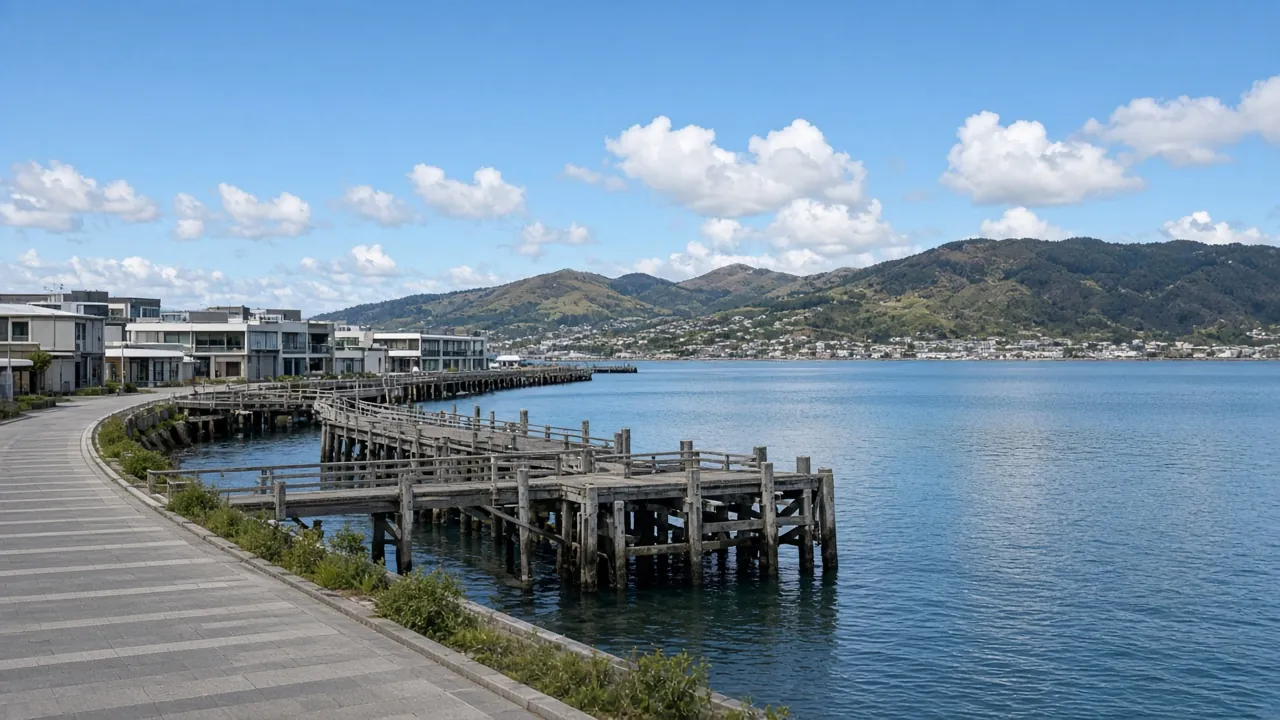
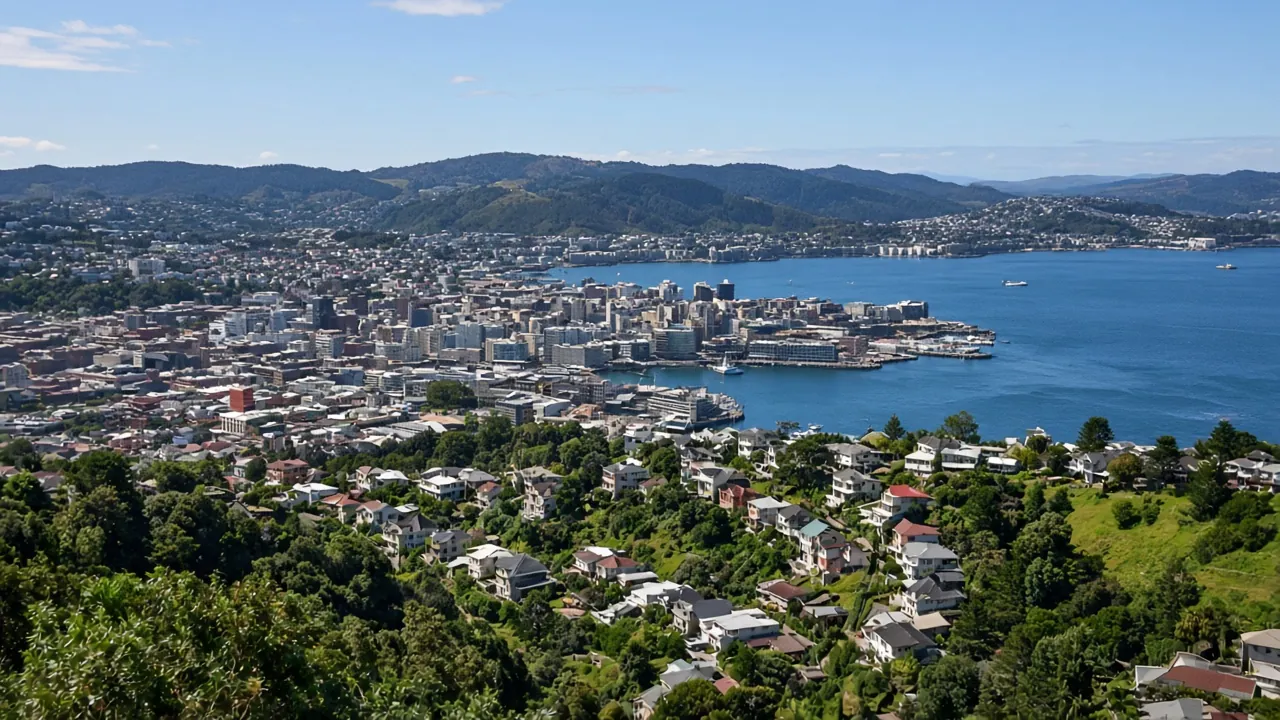
Wellington is New Zealand's compact capital at the south of the North Island: a tight civic waterfront, a harbour bowl of hills, and a later working port along the same shore. A first day in Wellington can stay with the waterfront close to the centre, one civic interior, and lunch in the city. Large cruise ships typically berth at Aotea Quay, about one and a half kilometres north of the centre, with an official shuttle; the port estate is not a public walk-through. Smaller ships sometimes use Queens Wharf, which is walkable into the close streets. The two berths are not the same place. This page is the city, not the Interislander terminal at Kaiwharawhara.
The civic heart is New Zealand's compact capital at the south of the North Island: a tight civic waterfront, a harbour bowl of hills, and a later working port along the same shore. A first day in Wellington can stay with the waterfront close to the centre, one civic interior, and lunch in the city. The scale of the close centre is walkable once you have reached it. You do not need a second harbour city to make the day feel like this bowl.
Large cruise ships typically berth at Aotea Quay, about one and a half kilometres north of the centre, with an official shuttle; the port estate is not a public walk-through. Smaller ships sometimes use Queens Wharf, which is walkable into the close streets. The two berths are not the same place. The berth in use is worth knowing in advance, because the first move changes with it. This page is the city, not the Interislander terminal at Kaiwharawhara, which is a different face of the harbour.
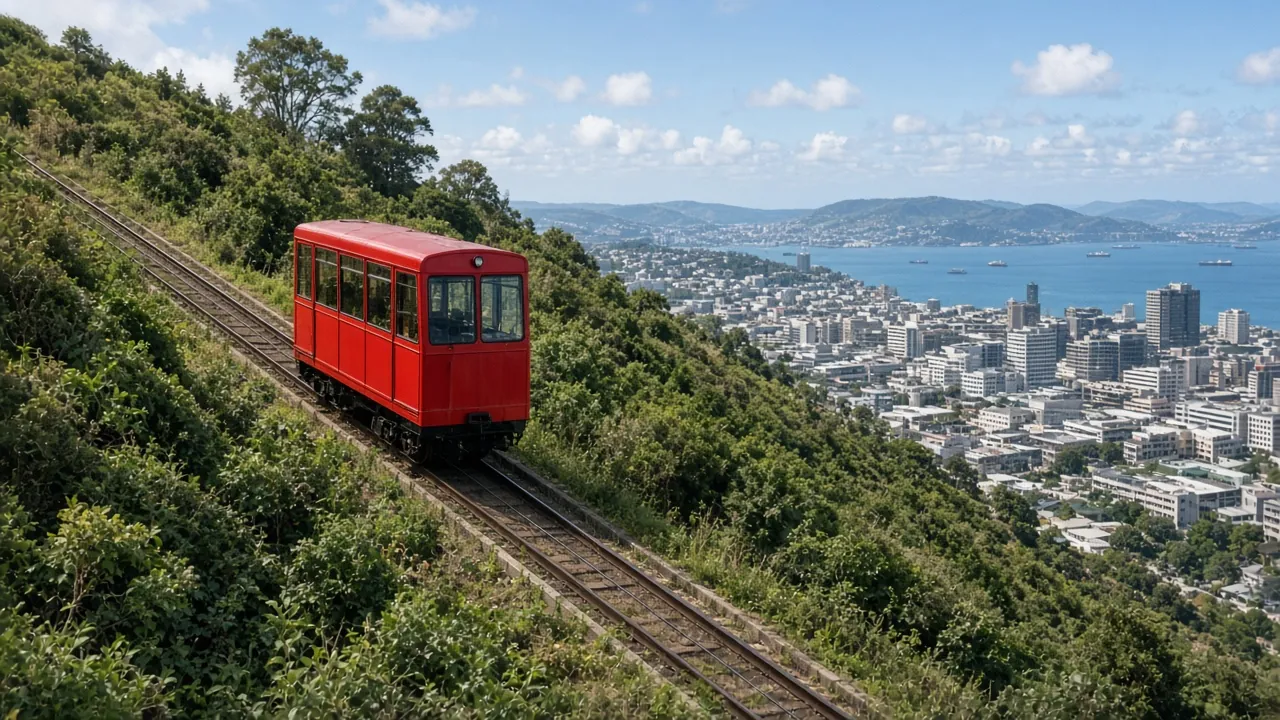
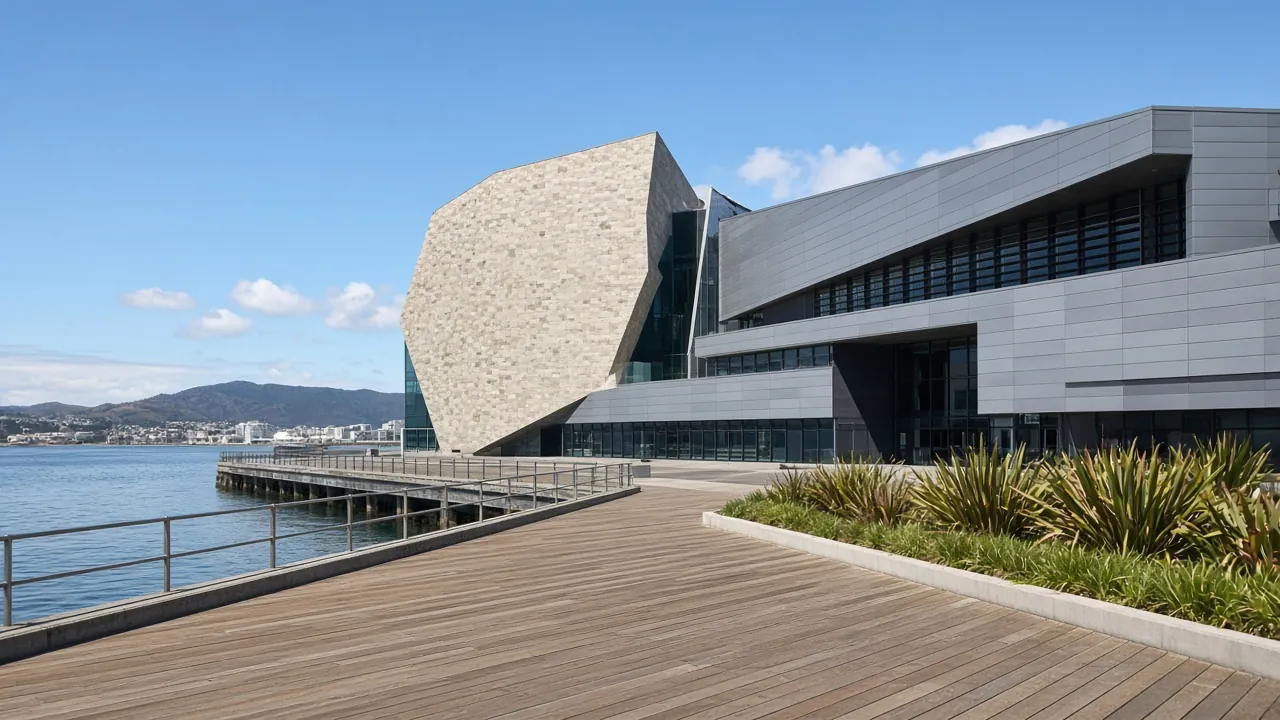
The cable car, a civic museum on the waterfront, and a walk on the close hills are planned short outings of this landing. Picton, across Cook Strait, has its own harbour page and is a hours-long crossing, not a short ride from the ship. They are worth doing if the hours and a reliable return to the actual ship are already arranged; they are a poor last-minute addition after a late start in the city, especially from Aotea if the shuttle is your first and last move.
The food is of this capital: later rooms along the waterfront and in the close streets, a lunch culture of this compact city. Eat in the quarter you are actually visiting. The wind in the harbour bowl can be sharp; take a layer, and wear shoes that will handle a long paved walk or a hill. The language of the streets is English, with te reo Māori in civic names. Leave a little more time than the map suggests for the walk or the ride back to the ship.
A first day in the close centre, reached from the berth you actually have, is a complete visit. A first day that tries to collect the strait, a second museum and every hill will be spent in transit. If the hours are short, stay on the waterfront; Picton can wait for the day that is actually called there. The last shuttle or walk back to the ship is worth leaving time for.
Port landmarks
Shore Excursions
- Shore Excursion Half-Day Marlborough Wine Region Tour From Picton – 5 h
- Wellington Shore Excursion: Wellington / Martinborough Full Day Wine Tour – 6 h
- Shore Excursion: Small Group Lord of the Rings Full Day Tour – 7 h
- Full Day Electric Bike Rental – 9 h
- Shore Excursion: Small Group Kapiti Coast Half Day Tour – 3 h
- Taste of Petone: Wellington’s Half-Day Gourmet Tour – 5 h
- Cruise And Explore (12:15 pm - 2:45 pm) – 3 h
- Wellington City to Coast Highlights Small Group Tour – 5 h
- Shore Excursion: Small Group Wellington Experience Half Day Tour – 3 h
- Half Day Electric Bike Rental (up to 4 Hours) – 4 h
- Jade Wine Tour/Shore Excursion from Picton – 5 h 30 min
- Shore Excursion: Small Group Martinborough Wine Tour – 7 h
- Half Day Martinborough Winery Small Group Tour from Wellington – 5 h
- Shore Excursion: Small Group Lord Of The Rings Half Day Tour – 3 h
- Cruise And Explore (12:15 pm - 4 pm) – 4 h
- Half Day Martinborough Foodie Tour – 5 h
- Wellington Shore Excursion: City Sightseeing Tour – 3 h 30 min
- Cruise And Explore (9 am - 4 pm) – 7 h
- Shore Excursion: Small Group Wellington Full Day Tour With Lunch – 7 h
- Shore Excursion: Small Group Craft Beer Tour With Lunch – 7 h
- Electric Bays Tour – 3 h 30 min
- Shore Excursion: Small Group Taste Buds for Foodies Tour – 7 h
- Wellington Shore Excursion: Lord of the Rings City Tour – 4 h
- Martinborough Wine and Wild Coast Tour from Wellington – 10 h
- Wellington Craft Brewery Half Day Small Group Tour – 4 h
- Martinborough Winery and Foodie Small Group Tour – 8 h
- Cruise And Explore (9 am - 2:45 pm) – 6 h
- Martinborough Winery Private Tour – 5 h
- Shore Excursion: Small Group Wairarapa Full Day Tour – 7 h
- Shore Excursion: Small Group Kapiti Coast Full Day Tour – 7 h