Washington, DC, United States
Ports
Home • Ports • America • United States • Washington, DC
See all 17 tours in Washington, DC
About Washington, DC
Washington is not a seaport. It is the capital of the United States, an inland city on the Potomac, which cruise passengers typically reach overland from a coastal harbour, most often Baltimore, a transfer of about an hour to an hour and a half. The last return is to that ship, not to a monument or a museum here. This page is Washington, not Baltimore, which has its own harbour page. The Mall, one museum and a short loop of the monuments will fill the hours you actually have after the ride in. Leave a clear margin for traffic and for security lines on the way back to the ship.
Washington is not a seaport. It is the capital of the United States, an inland city on the Potomac, laid out in the 1790s as a planned federal district, with the Mall, the Capitol and the presidential house at its monumental core. Cruise passengers typically reach it overland from a coastal harbour, most often Baltimore, a transfer of about an hour to an hour and a half, longer in traffic. The last return is to that ship, not to a monument or a museum here.
This page is Washington, not Baltimore, which has its own harbour page, and not a river landing you can treat as a walk-off from the Mall. Norfolk is a still longer approach and a poor assumption if your papers say Baltimore. Security lines at the major sites are a real part of the day; a timed ticket, where it is required, should be arranged before you land.
The Mall, one Smithsonian museum and a short loop of the monuments will fill the hours you actually have after the ride in. The National Museum of American History, the National Air and Space Museum or the National Gallery will each use a quiet morning on their own; two interiors and the Lincoln Memorial plus the Capitol is already a tight plan. The Capitol and the presidential house are living buildings with their own entry rules, not backdrops you can enter at will. Georgetown and the later neighbourhoods along the river are a farther outing and a poor third stop.
Leave a clear margin for traffic on the way back to Baltimore, and treat the ship's departure, not the last gallery or the last photograph on the Mall, as the edge of the day. The Metro can move you across the centre, yet a booked car or a taxi is the more predictable way back to a cruise terminal when time is short. Give the driver the name of the terminal in Baltimore, not only “the port.” Hydration and comfortable shoes matter; the distances on the Mall are longer than they look, and the summer heat is strong. One well-chosen museum and a walk among the monuments are enough. The later neighbourhoods of the capital — Dupont Circle, the Smithsonian Castle as a meeting point, a café off the Mall — are useful if you want a pause between interiors, not a second city. Mount Vernon is a longer drive down the river and will use most of a short call if you go; it is a poor addition after a morning already spent on the Mall. Afternoon traffic toward Baltimore can be slower than the morning ride in, which is why the margin for the return should be left first, not last.
Port landmarks
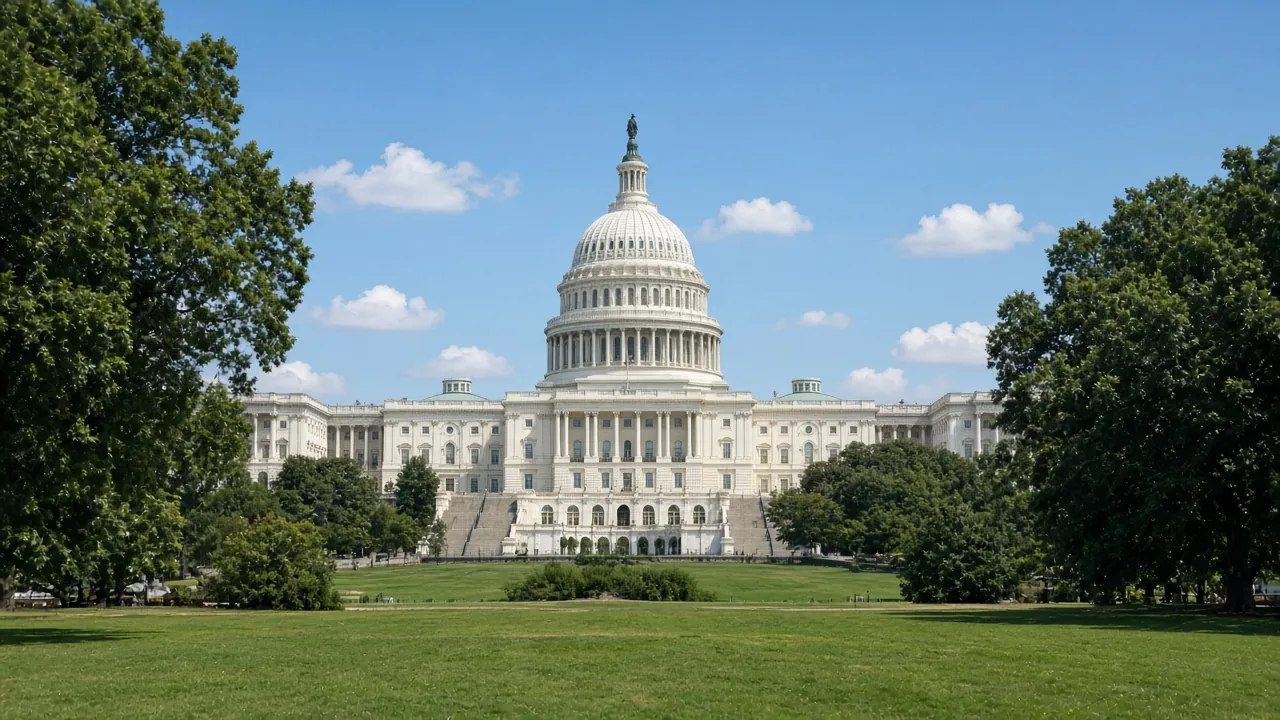
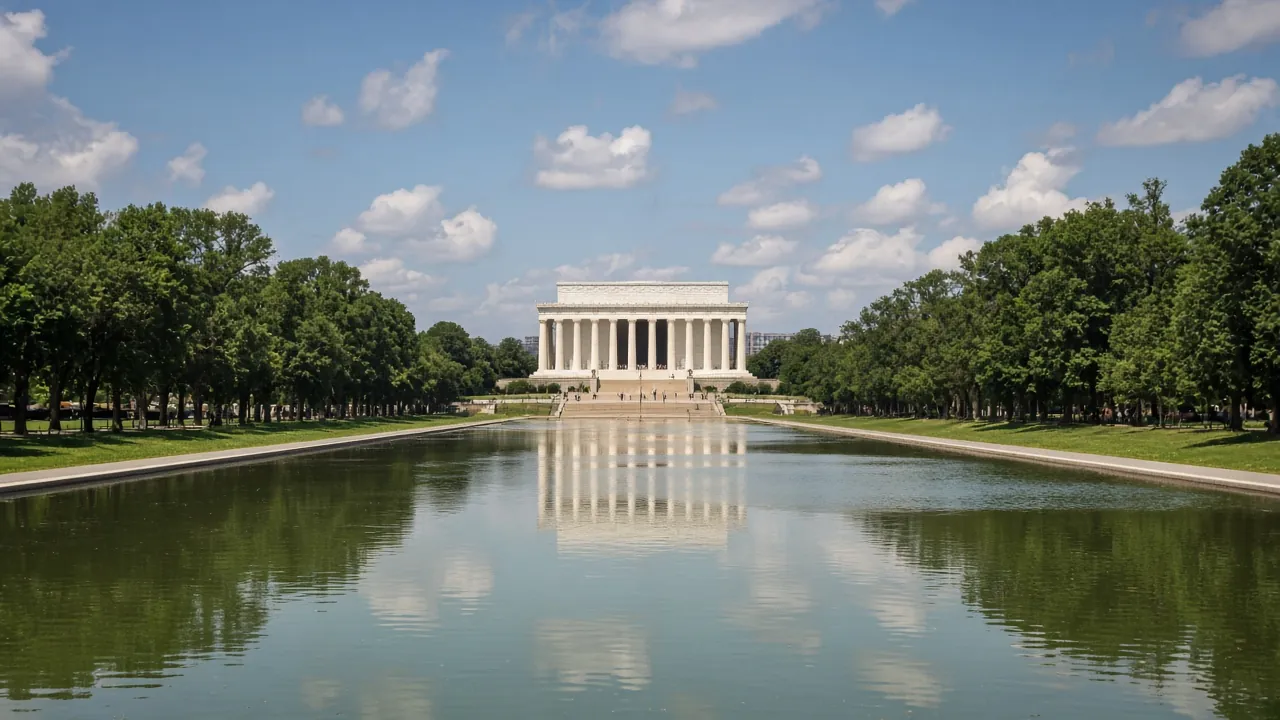
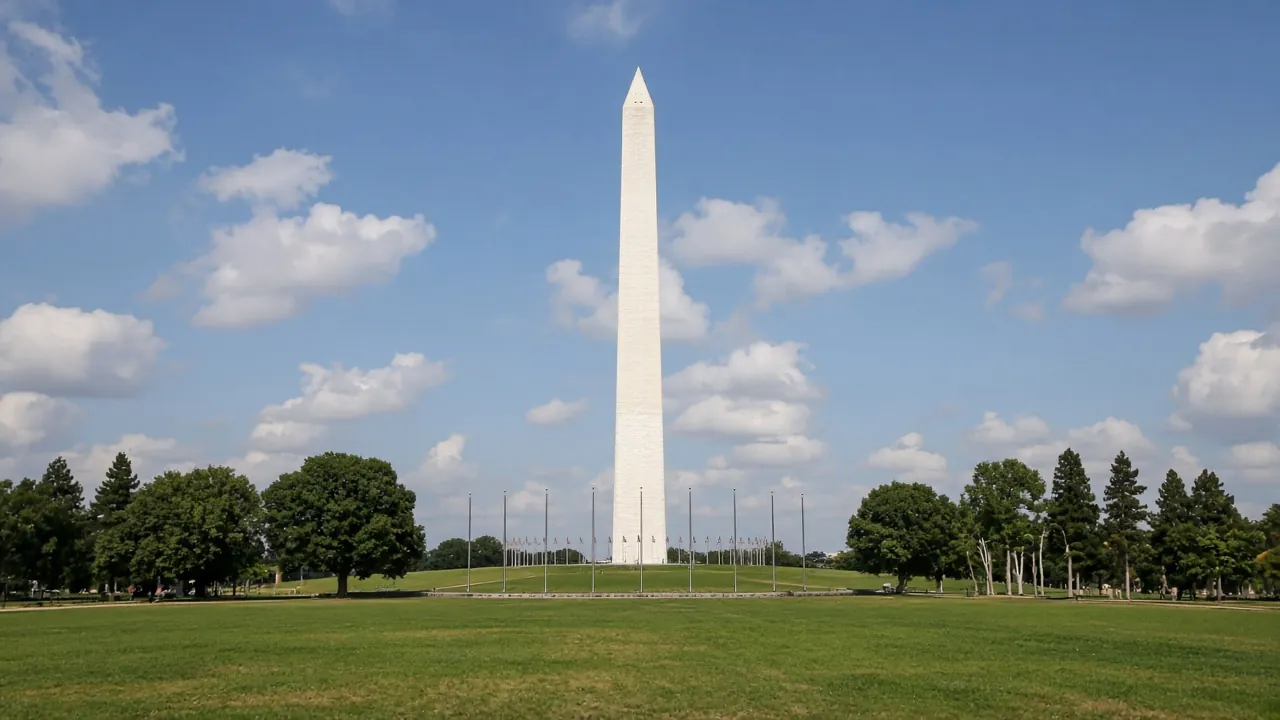
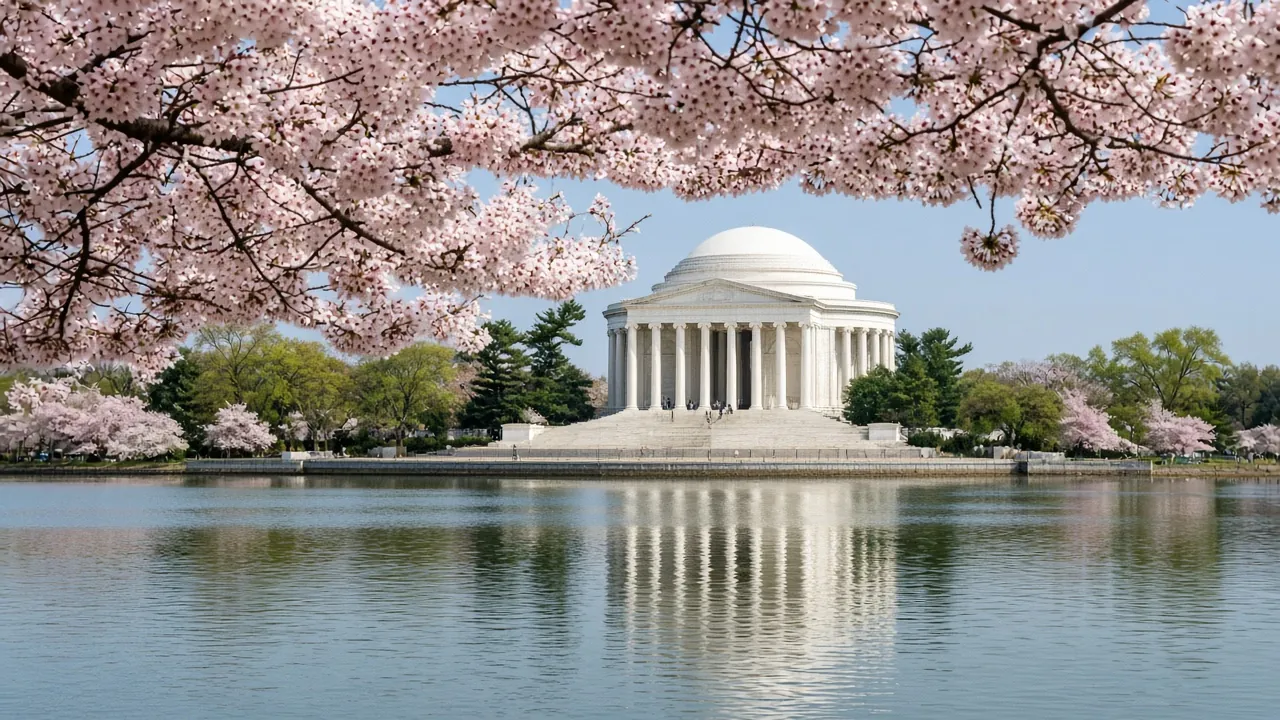
Shore Excursions
- Washington DC Historic Donut Tour – 2 h
- Washington DC: Monuments at Night Bike Tour – 3 h
- Big Bus DC: 24-Hour Hop-On Hop-Off Tour and Arlington Walking Tour – Flexible · valid 24 h
- Washington DC: Cherry Blossom Guided Bike Tour – 2 h
- Big Bus Washington DC 2 Hour Night Tour – 2 h
- Private Washington DC Bike Tour – 2 h
- Monuments By Night – 2 h
- Washington DC: Monuments and Memorials Bike Tour – 3 h
- Big Bus DC: 72-hour Hop-On Hop-Off Tour and Arlington Walking Tour – Flexible · valid 3 days
- Washington: Mall & Monuments by Electric Car – 2 h
- Washington DC Holiday Donut Tour – 2 h
- Big Bus DC: 48-hour Hop-On Hop-Off Tour and Arlington Walking Tour – Flexible · valid 2 days
- Private Washington DC Monuments by Night – 2 h
- Washington DC Monumental Electric Bike Tour – 3 h 30 min
- Washington DC: Best of Capitol Hill Bike Tour – 2 h
- Washington DC Monuments Self-Guided Walking Audio Tour – 2 h
- Washington DC: Bike or E-Bike Rental – Flexible · valid 25 h