Vila Nova de Gaia, Portugal
Ports
Home • Ports • Europe • Portugal • Vila Nova de Gaia
See all 4 tours in Vila Nova de Gaia
About Vila Nova de Gaia
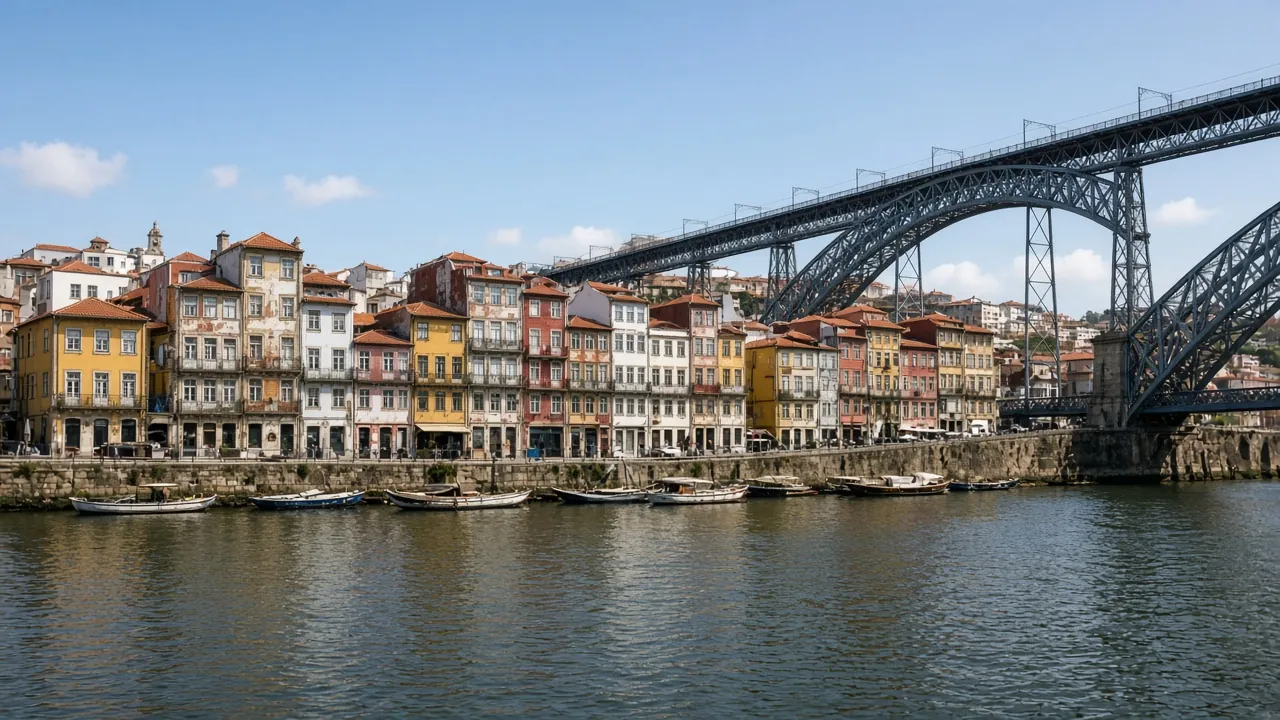
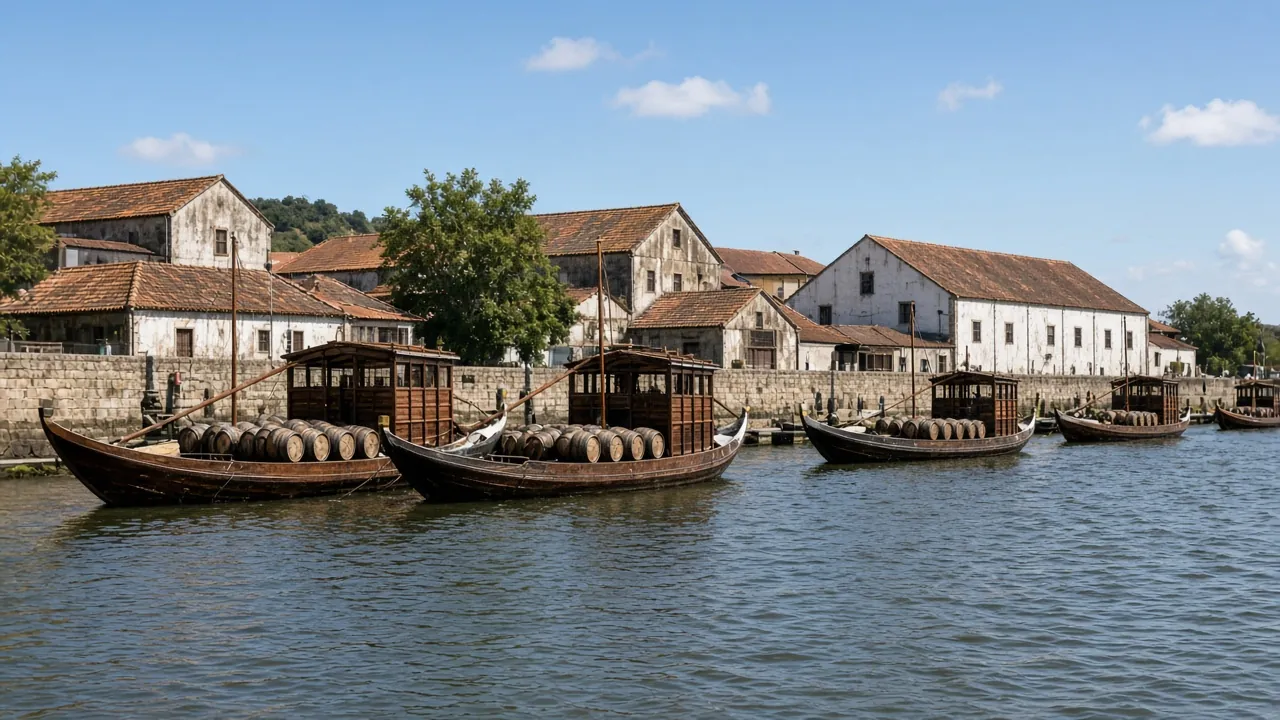
Vila Nova de Gaia occupies the south bank of the Douro, opposite Porto's Ribeira, the traditional shore of the port-wine lodges, the cable car and the long cellars that still carry the old house names. This page is Gaia, not the ocean cruise terminal at Leixões in Matosinhos, where most seagoing ships for Porto actually berth, several kilometres to the north. River ships on the Douro often moor along this bank, sometimes among the lodges and sometimes a little upstream; the exact quay is worth checking on the day's papers. From the lodge shore, Porto's Ribeira is a walk across the lower deck of the Dom Luís I bridge, or a short metro ride. Leave time for the climb back.
Vila Nova de Gaia occupies the south bank of the Douro, opposite Porto's Ribeira, and is the traditional shore of the port-wine lodges: long, lodgelike cellars, the names of old houses on the roofs, a cable car, and a waterfront that looks back at the tiled and crowded north bank. This is one of the most recognisable river scenes in Europe, and it is worth saying clearly what this page is and is not.
It is not the ocean cruise terminal at Leixões, in Matosinhos, where most seagoing ships for Porto actually berth, several kilometres to the north of the river mouth. Passengers arriving on an ocean ship will usually land at Leixões and then travel into Porto or across to Gaia; they should not assume the gangway opens onto the lodge roofs. River ships on the Douro, by contrast, often moor along this Gaia bank, sometimes among the lodges and sometimes a little upstream at a quay such as Quebrantões. The exact landing is worth checking on the day's papers, because a walk that is easy from one quay is a transfer from another.
From the lodge shore, Porto's Ribeira is a walk across the lower deck of the Dom Luís I bridge, or a short metro or boat ride, and the climb up to the upper city is steeper than it looks. A good day here can stay with one or two lodges, a tasting taken slowly, the Ribeira opposite, and perhaps the upper terrace of the bridge for the view. The rest of Porto — São Bento, the Clerigos tower, the bookshops and the contemporary shore at the west — will fill any time you have left, and will more than fill it if you try to add everything.
Food on this bank is Portuguese and wine-facing: simple grilled fish, a francesinha if you cross to Porto, and the slightly ceremonial plates that surround a tasting. Portuguese is the language of the streets; English is common in the lodges and along the tourist waterfront. The granite and the river light are the atmosphere of the place, and the hills are walked rather than ridden if you have the legs.
Leave time for the climb back to whatever quay you actually used, and do not confuse a river mooring with a berth at Leixões. Gaia is the cellar shore of the Douro, and a day that treats it as such — and the great city opposite as a short crossing, not a distant capital — will already have the river in hand.
Port landmarks