Vik, Iceland
Ports
Home • Ports • Europe • Iceland • Vik
About Vik
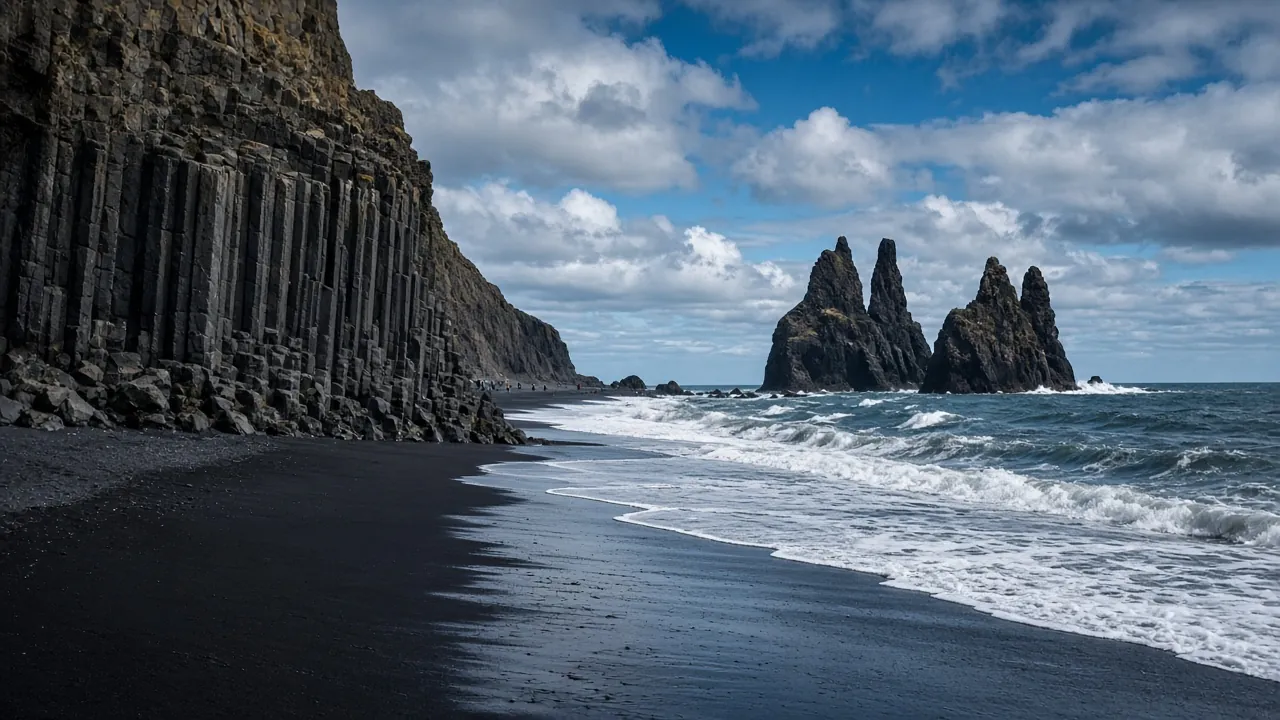
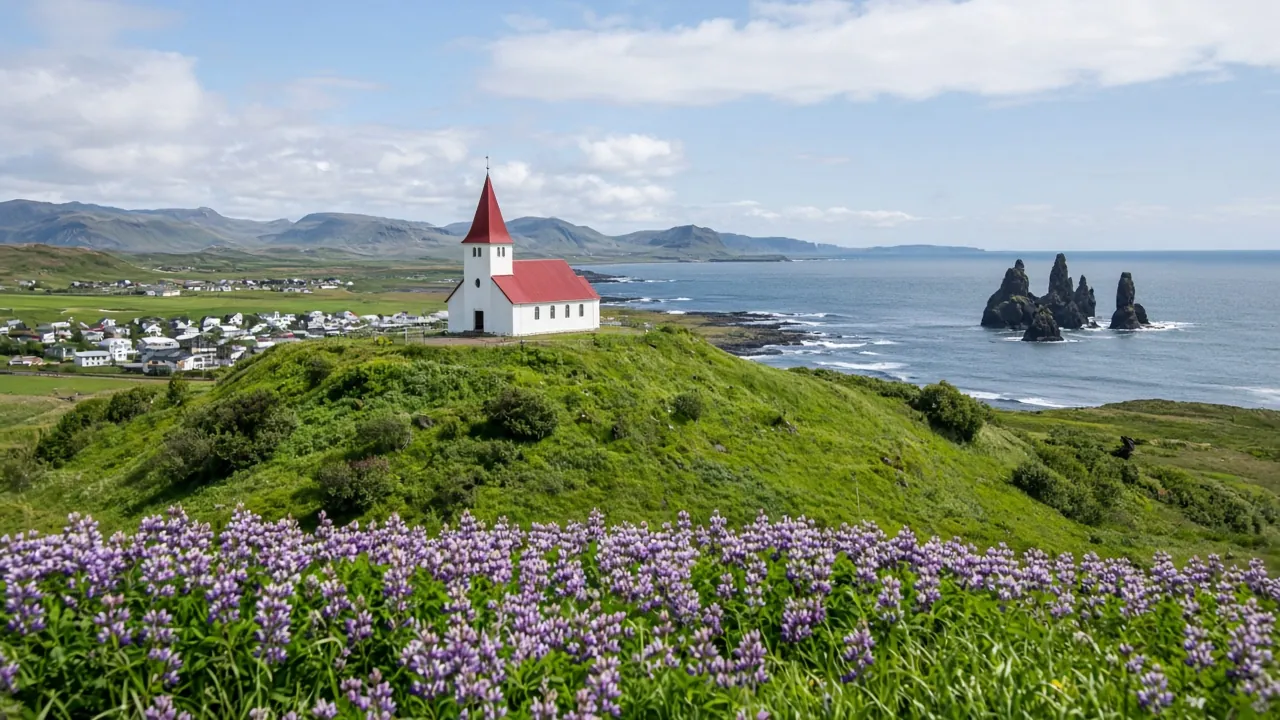
Vík í Mýrdal is a small village on Iceland's south coast, known for a black volcanic beach and the basalt sea stacks of Reynisdrangar, and it is not a historic harbour city with a deep commercial port. The open North Atlantic breaks directly on this shore. Ocean-cruise passengers do not walk off a gangway here; they reach Vík overland on a longer Iceland journey, then walk a windy shore under Mýrdalsjökull and the volcano Katla. This page is that village. There is no regular ocean-ship call at Vík, and Reynisfjara's waves are not a swimming beach.
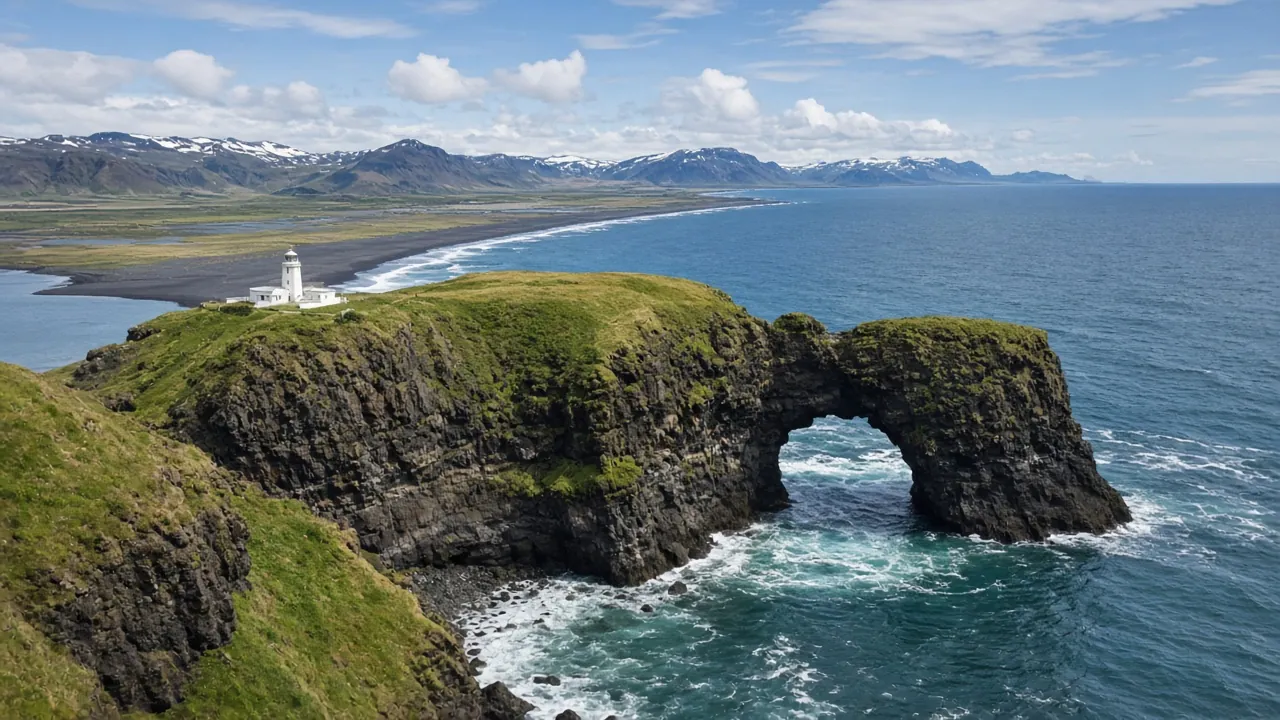
If you are already in Vík í Mýrdal, or if your itinerary has been built around an overland stay, the village is a small settlement on Iceland's south coast: a black volcanic beach, the basalt sea stacks of Reynisdrangar, and a low, windy shore under Mýrdalsjökull and the volcano Katla. The first visit is that shore, walked slowly and with respect for the sea, and it is already complete. Reynisfjara, the black-sand beach just west of the village, is known for a dangerous surf and sneaker waves; it is not a swimming beach, and the water should be treated as a hazard, not as a playground. Dyrhólaey, a farther headland, is a outing you set time aside for if the hours remain.
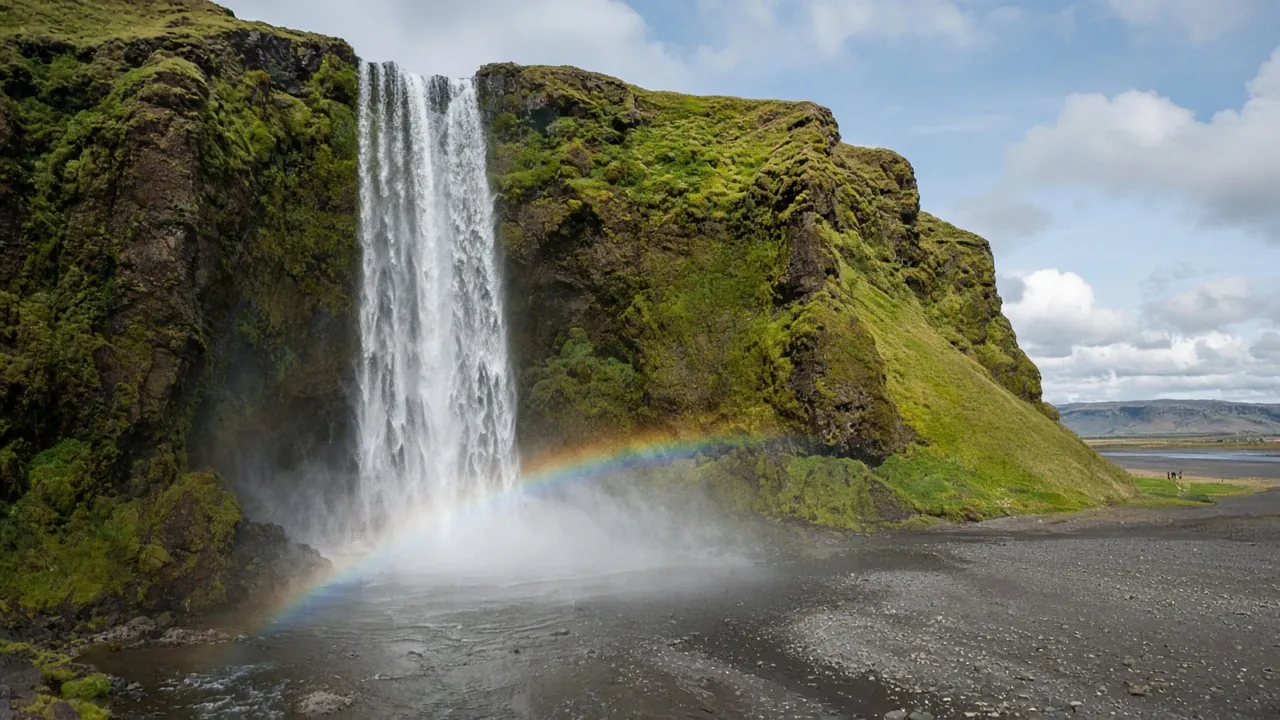
This page is not a historic harbour city, and it has no deep commercial port. The open North Atlantic breaks directly on this coast. Ocean-cruise passengers do not walk off a gangway here; they reach Vík overland on a longer Iceland journey. There is no regular ocean-ship call at this village, and the beach is not a tender landing. Skógar and its waterfall, and the farther south-coast road toward the glaciers, belong to a longer day, not a last-hour addition after a late start on the sand.
The food is that of a small coastal village: simple rooms, a practical lunch if the hours allow. Eat in Vík. The wind is often hard, the sand can sting, and the weather changes quickly; take a layer and shoes that can manage wet ground. Even in summer the shore can feel cold.
The honest use of this page is a planned overland stop, not a port day from a ship. If you have come by road, the last return to wherever you are actually staying or travelling is the fact that closes the day, not another stack of rock. A first day on the beach and in the village, seen slowly, is a complete visit. A first day that tries to collect every headland, a glacier and a second waterfall will be spent in a vehicle. The black sand and the sea stacks, seen from a safe distance, are the image you will take away. Stay well back from the surf. The south coast is open, loud and quickly changed by weather. If you have come by road, put the last departure in the plan before you walk down to the sand, and stay well back from the surf even when the beach looks calm from above.
Port landmarks