Vigo, Spain
Ports
Home • Ports • Europe • Spain • Vigo
About Vigo
Vigo opens on a deep Galician ria, a working harbour city of seafood, a steep Castro hill and an old quarter above the docks. Some cruise berths leave you close to the centre; others need a short ride. This is Vigo, not A Coruña or Ferrol, and not Santiago de Compostela, which is about an hour inland. The Cíes Islands are a boat outing of their own, and only when the ferries are running and the last return is certain. Leave time for the ride or walk back to the quay your ship is using.
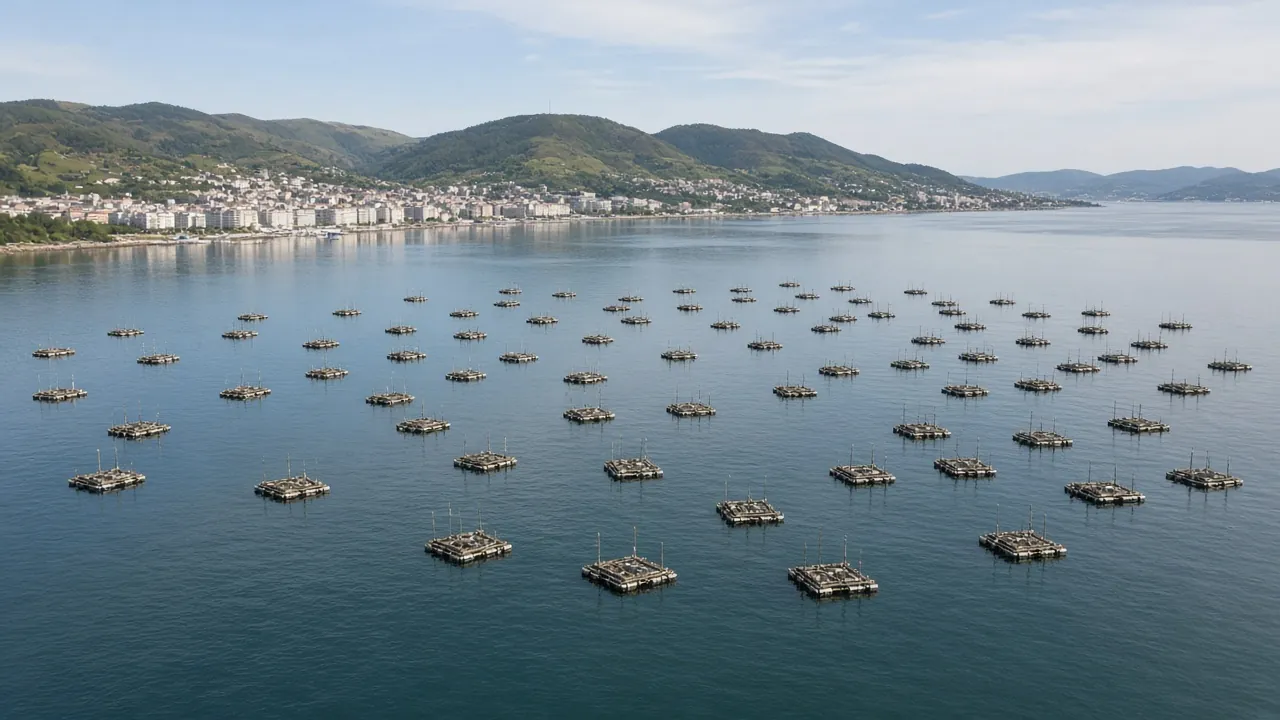
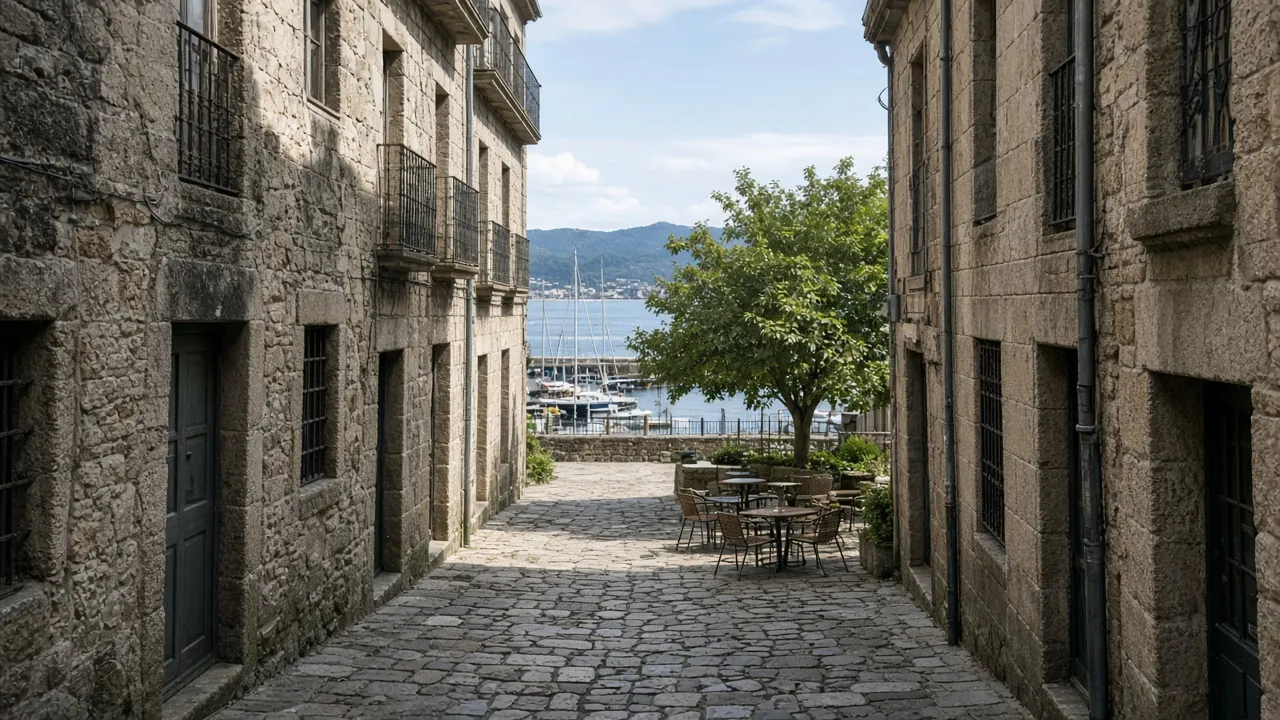
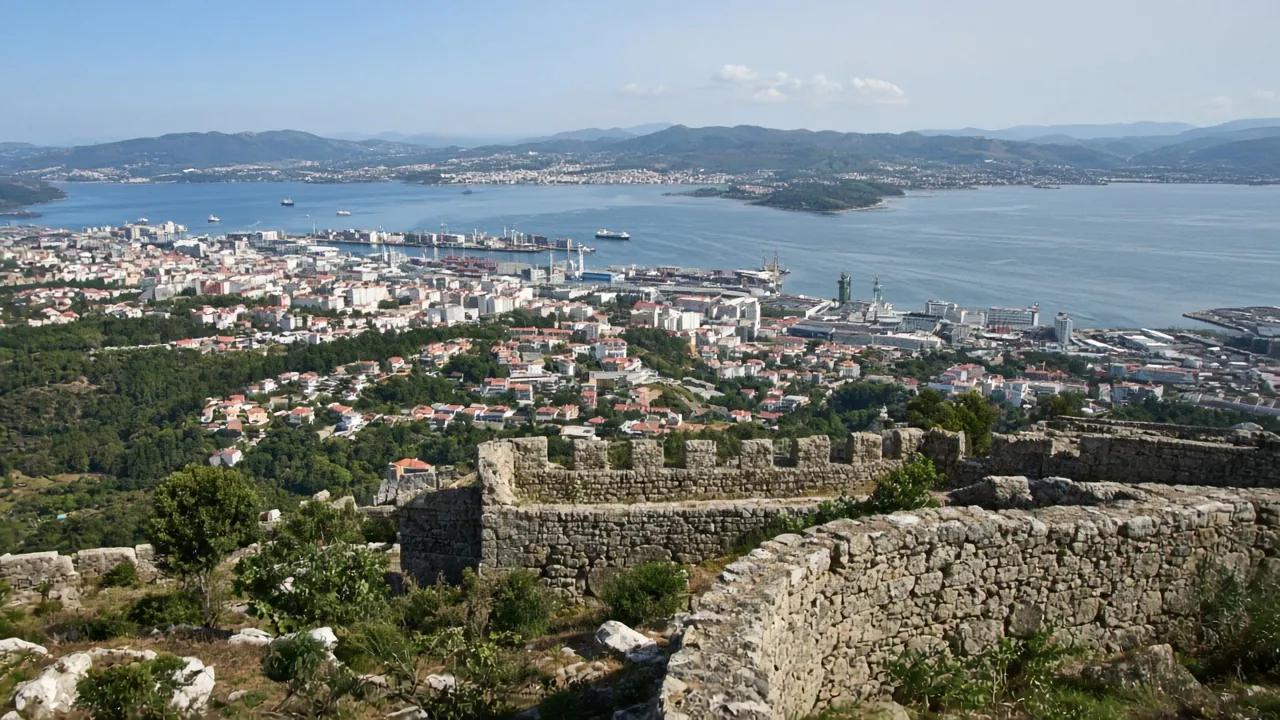
Vigo opens on a deep Galician ria, a working harbour city of seafood, a steep Castro hill and an old quarter above the docks. It is one of the great fishing ports of the Atlantic, and the ria itself — a wide, sheltered water under low green hills, with the Cíes Islands at its mouth — is the first fact of the place. The old streets climb from the water; the later city spreads along the shore, and the views from the Castro fortress look down over the harbour and out toward the islands.
Some cruise berths leave you close to the centre; others need a short ride. The day's papers are worth a look before you plan a walk-off. This is Vigo, not A Coruña or Ferrol, and not Santiago de Compostela, which is about an hour inland by road. Santiago can be reached on a long call with a reliable transfer, but it is not a stroll from this dock, and the last return has to end here.
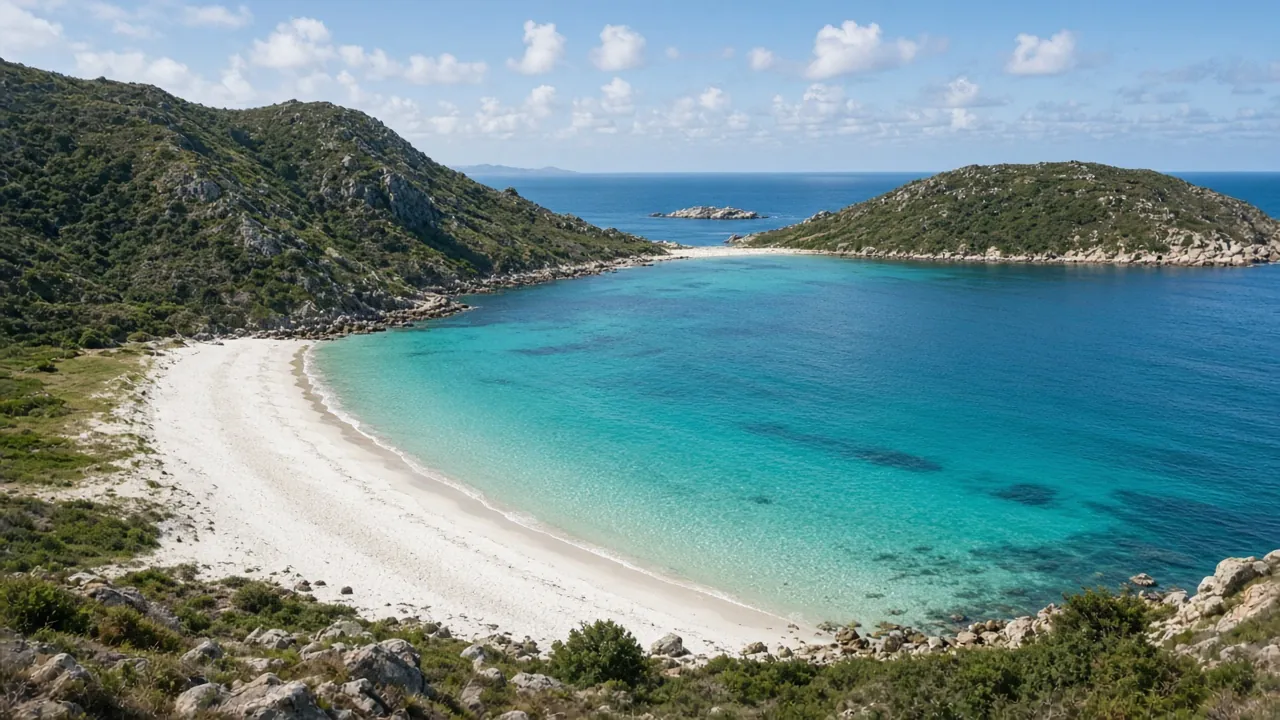
The Cíes Islands, a national-park archipelago of pale beaches and clear water at the mouth of the ria, are a boat outing of their own, and only when the ferries are running and the last return is certain. Tickets can be limited in season, and a missed last boat is a serious problem on a port day. A first day can stay with the old quarter, the oyster stalls near the market, and the climb to the Castro, without crossing to the islands, and still have seen the city.
Food is Galician and of the ria: oysters, octopus, shellfish, and the wines of the nearby valleys. Spanish and Galician are both heard; English is thinner than in the better-known Mediterranean ports, though it is used around the harbour on call days. The Atlantic weather can turn quickly; a layer against the wind off the ria is useful.
The oyster stalls near the market are at their best when the harbour is busy, and a short stop there is a better introduction to the city than a long inland transfer. Bouzas, a fishing quarter a little west along the shore, is a nearer addition than Santiago if you want another harbour view, provided the last return is still to your own quay. Leave time for the ride or the walk back to the quay your ship is using. A day that holds to Vigo, with perhaps the Cíes if the ferry times are clear, will have seen this ria properly. The last stop is this harbour, not Santiago and not another Galician door.
Port landmarks