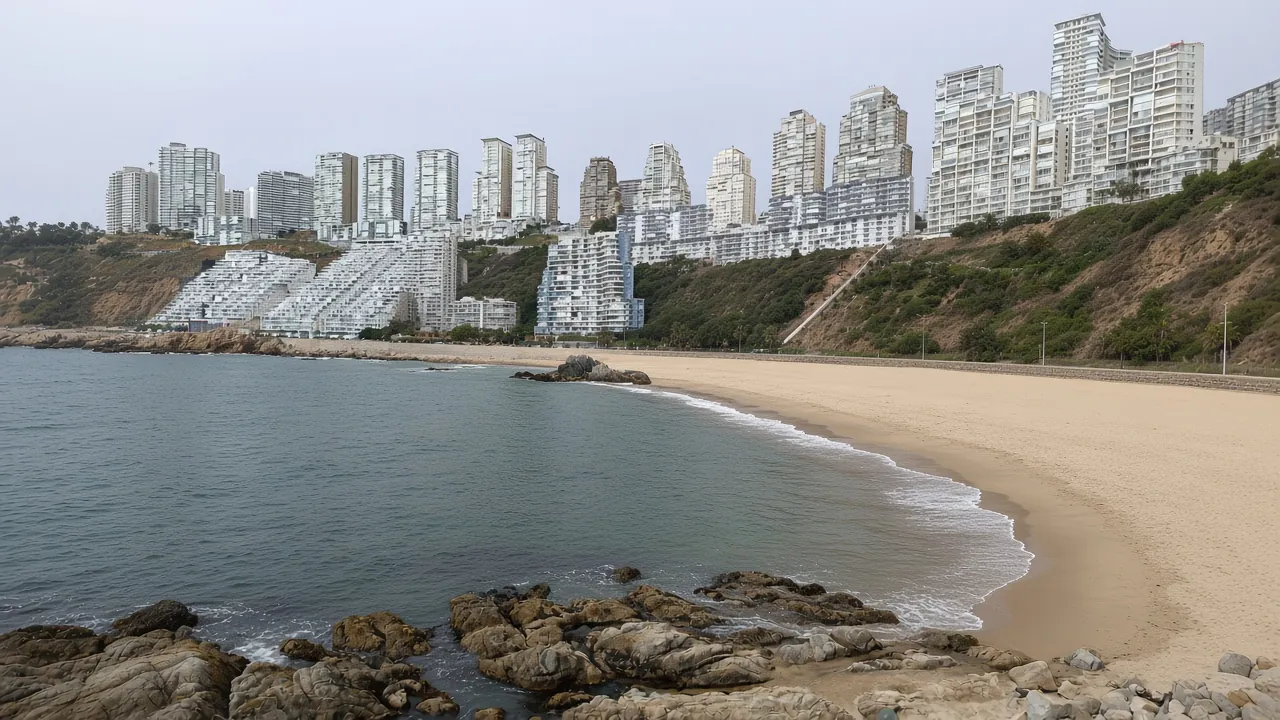
Valparaiso, Chile
Ports
Home • Ports • America • Chile • Valparaiso
About Valparaiso
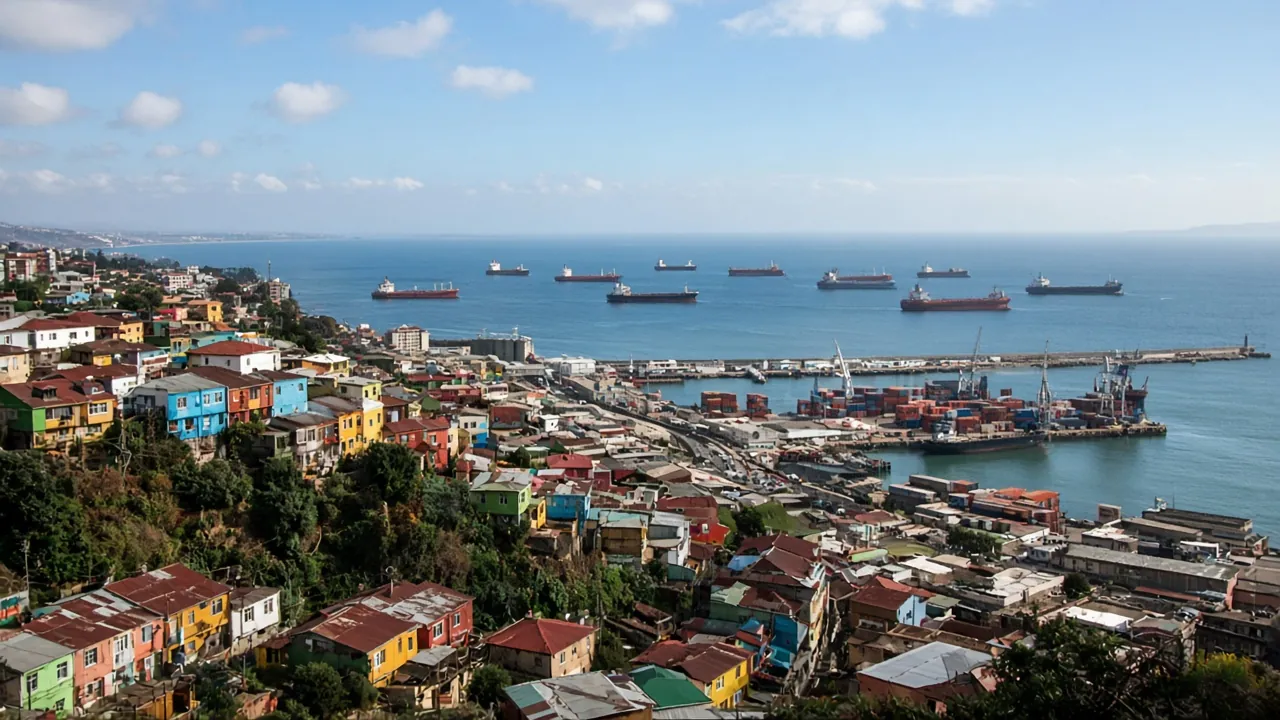
Valparaíso is Chile's historic Pacific harbour, a steep port city of hills, funicular elevators and painted houses that looks onto a wide, often cool bay. Ships usually berth at the passenger terminal along the waterfront; the best-known hillside quarters are close, but not at the foot of the gangway, and a short shuttle or taxi is the normal first step. The historic quarter is a UNESCO World Heritage site, and it is the reason to come ashore here rather than to treat the call only as a door to Santiago. The capital lies about 120 kilometres inland, typically an hour and a half to two hours each way; it is a dedicated outing, not a quick extension of a morning on the hills.
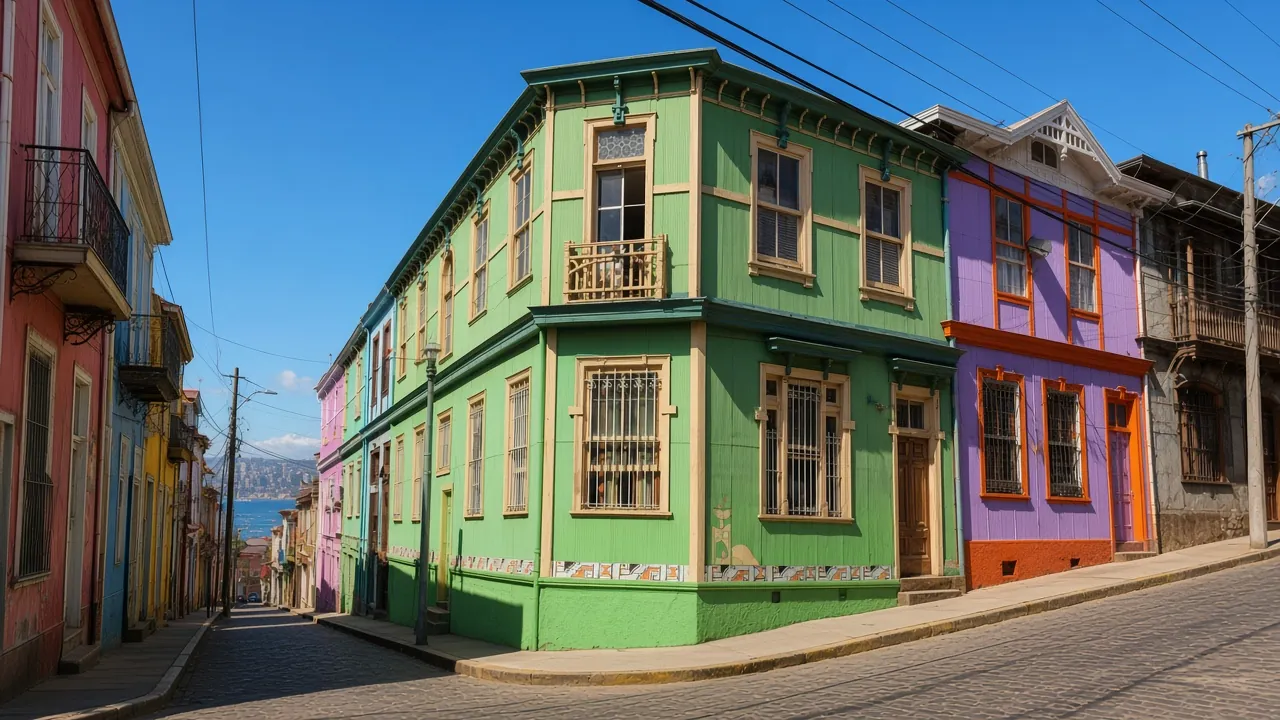
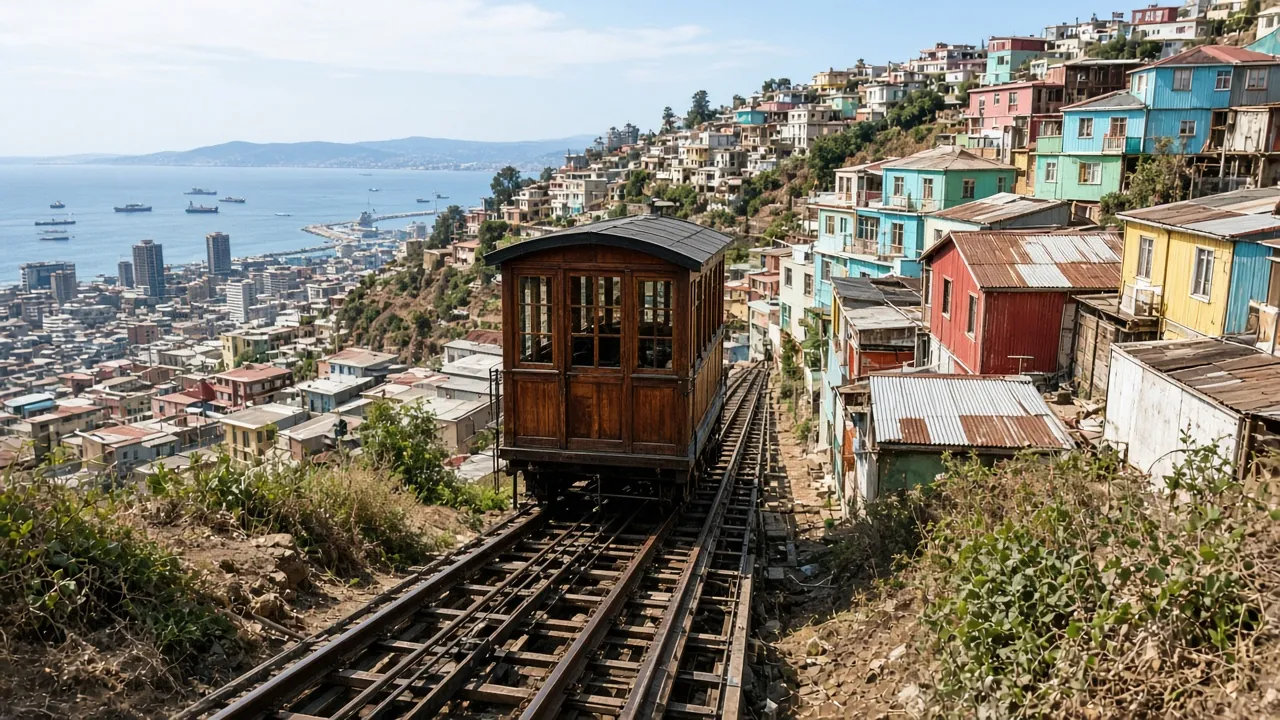
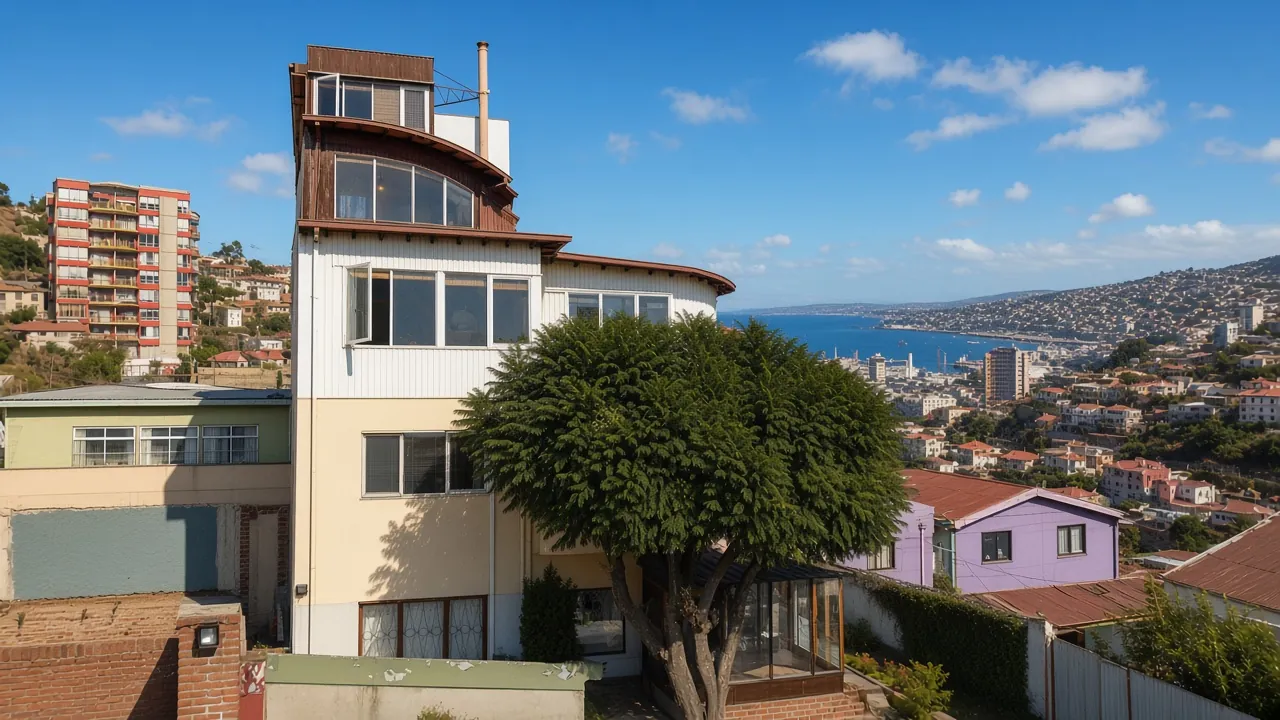
The pleasure of Valparaíso is the vertical city: cerros of winding streets, stairways, murals, and the old funicular elevators — the ascensores — that still connect the port terrace with the hills above. Cerro Alegre and Cerro Concepción are the quarters most visitors reach first, a compact, walkable landscape of houses, viewpoints and small restaurants, with the bay appearing and disappearing between the walls. The port itself, a working commercial waterfront, is part of the character; this is not a polished resort harbour. Pablo Neruda's house La Sebastiana, on one of the hills, is a popular interior if you want a single museum with a view, and it needs a ticket and a little time. A first visit can be happily no more than this: the waterfront, one or two cerros, a slow lunch, and a look back at the bay.
Viña del Mar, the neighbouring city along the same shore, is a different tone: later beaches, a wider civic plan, and a shorter ride from the port. It is a realistic addition if you want the open sand rather than another hill, and it is still far closer than Santiago. The capital, in its valley behind the coastal range, is the other great temptation of the call. The road is about 120 kilometres; the drive is commonly an hour and a half to two hours each way, and traffic can make it longer. If Santiago is the aim, make it the day's plan and travel with a return that has a wide margin. If the hills of Valparaíso are the aim, stay here. Doing both thoroughly in a short call is how passengers spend the day in a vehicle.
Food is Chilean and port-city: seafood, simple restaurants on the hills and along the lower streets, and cafés that are useful when the Pacific cloud sits on the bay. Eat in Valparaíso; the meal is part of staying in the right city.
The passenger terminal is on the water, and a shuttle or a short taxi is the usual way toward the main tourist hills, which sit close but not at the pier. Use that short transfer, then walk. Come back with time for the same ride and for any port formalities. A first day that stays on the cerros and the waterfront is a complete visit to one of the Pacific's most distinctive harbour cities. A first day that treats Valparaíso only as a car park for Santiago will miss the city you have actually landed in. The weather on the coast is often cooler than the inland valley; bring a layer, wear shoes that can manage uneven streets, and let the elevators do some of the climbing. The murals and the views will do the rest.
Port landmarks