Valencia, Spain
Ports
Home • Ports • Europe • Spain • Valencia
About Valencia
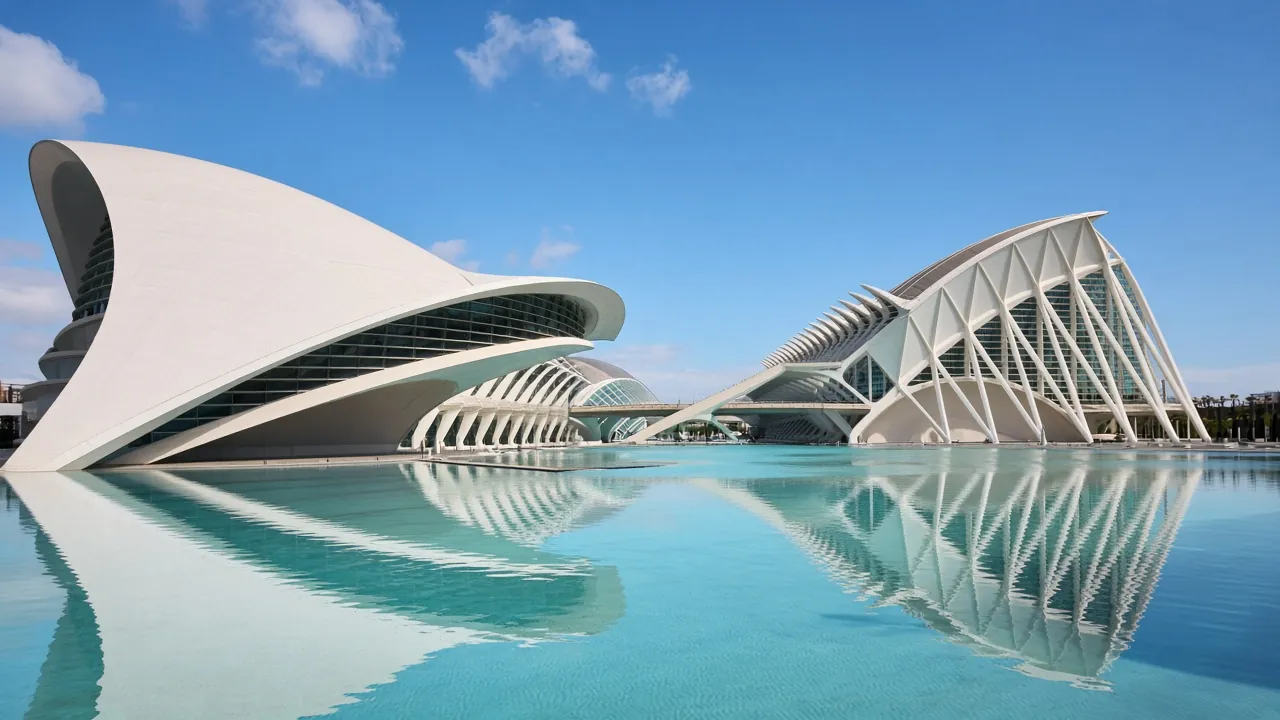
Valencia is a large Mediterranean city, with a tight old quarter, a great market and the later City of Arts and Sciences out toward the sea. Cruise ships berth in the commercial port, which is not a walk-off from every quay; a shuttle or a short taxi ride usually reaches the marina or the centre. This is Valencia, not Alicante and not Cartagena. A first day can stay with the old town and the market, or with the city of the arts if that is the day's aim, without trying to do both at a rush. Leave time for the transfer back through the port.
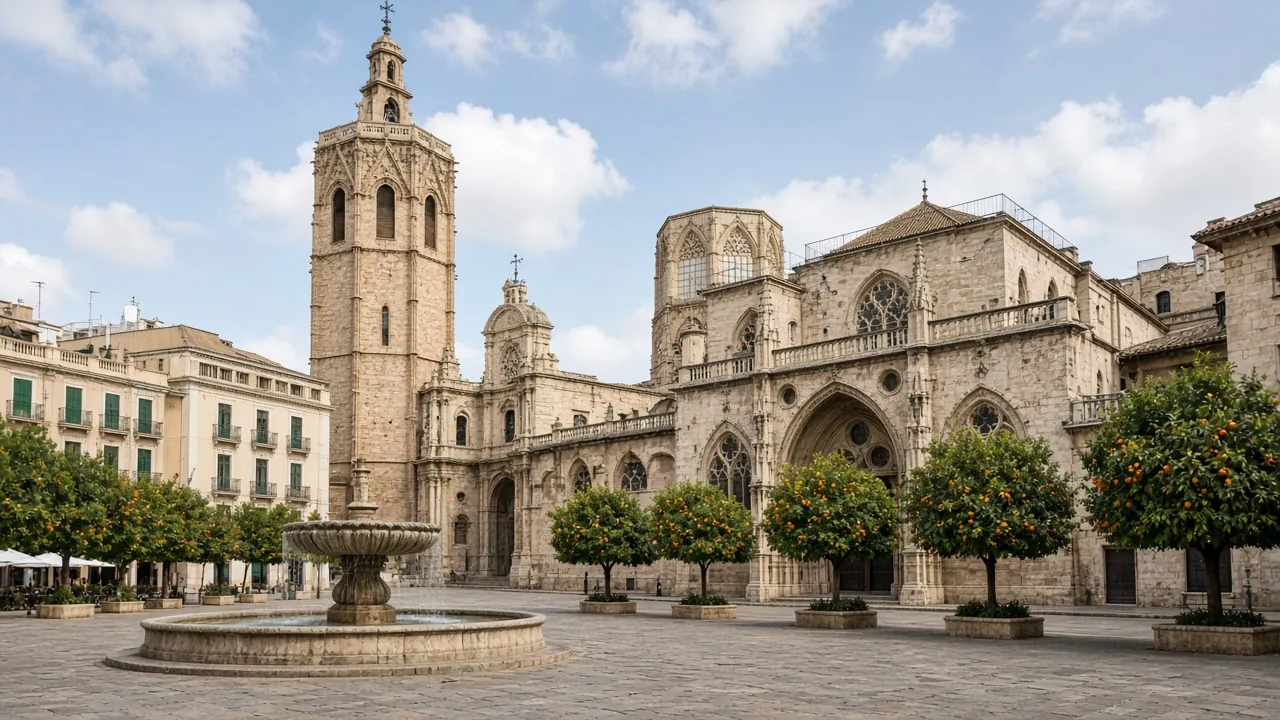
Valencia is a large Mediterranean city, with a tight old quarter around the cathedral, a great covered market, and, out toward the sea, the later City of Arts and Sciences along a former riverbed. The old silk exchange, La Lonja, is a Gothic hall of serious civic pride; the Central Market next to it is one of the best everyday rooms in Spain. Between the old town and the water, the city has grown through later districts, gardens and a rebuilt harbour precinct.
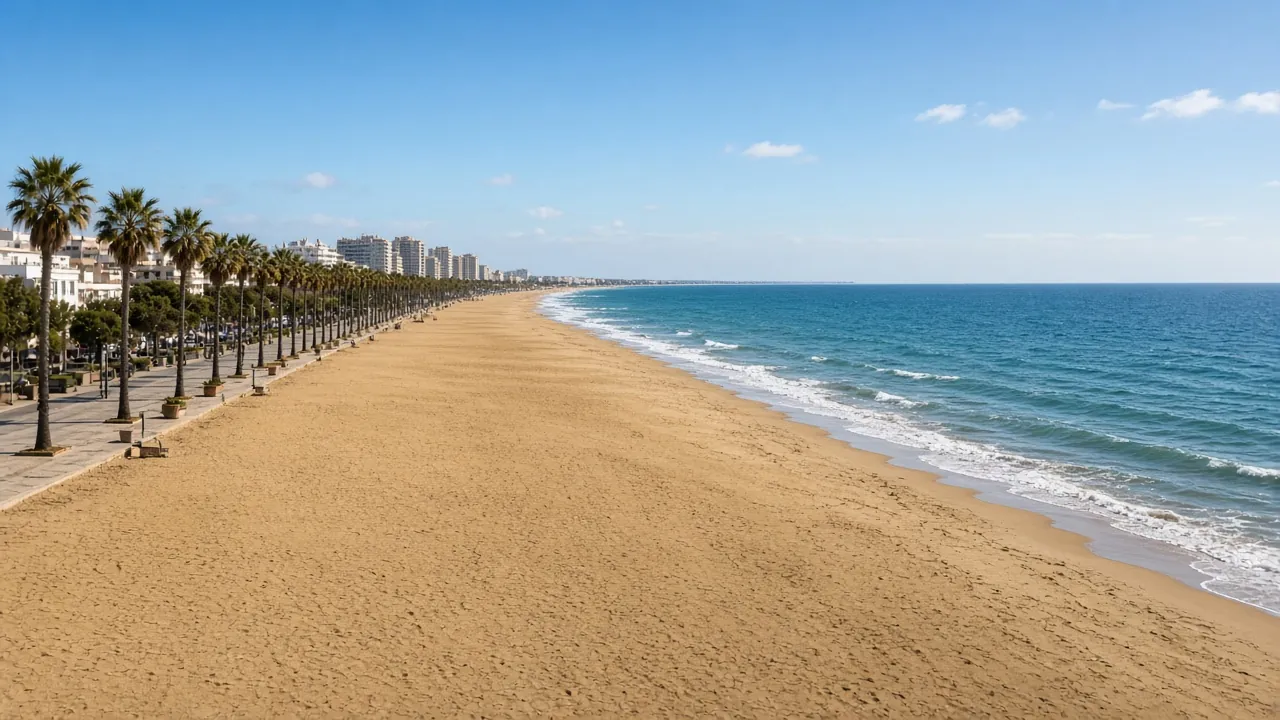
Cruise ships berth in the commercial port. This is not a walk-off from every quay. A shuttle or a short taxi ride usually reaches the marina, the beach of Las Arenas or the edge of the centre, and the day's papers are worth reading before you assume you can stroll from the gangway. This is Valencia, not Alicante and not Cartagena, which have their own harbours farther down the same coast.
A first day can stay with the old town and the market, or with the City of Arts and Sciences if that is the day's aim; doing both at a rush, with a port transfer at each end, will spend itself in transit. The silk exchange, the cathedral and a slow walk through the lanes around them are the natural civic circuit. The beaches and the marina are a nearer addition than a second city, provided the last return is still timed to the commercial port.
The light is bright, the heat in summer is serious, and the shade of the old streets is part of the plan. Food is Valencian and proud: paella in its proper forms, horchata, and the produce of the market itself. Spanish and Valencian are both used; English is common around the harbour and the main visitor sites, thinner in ordinary market streets. The city's size is real; a short call is better spent in one district than in a tour of all of them.
The Turia Gardens, laid out in the old riverbed, can join the historic centre to the City of Arts and Sciences on foot or by bicycle if the hours are open, but that walk is a visit in itself and should not be treated as a shortcut. Either district, done slowly, is better than both at a run. Leave time for the transfer back through the port. A day that holds to the old town or to the city of the arts, with a clear last ride to the berth, will have seen Valencia as a harbour city, without trying to add Alicante or a distant inland town on the same clock.
Port landmarks