Trabzon, Turkey
Ports
Home • Ports • Asia • Turkey • Trabzon
About Trabzon
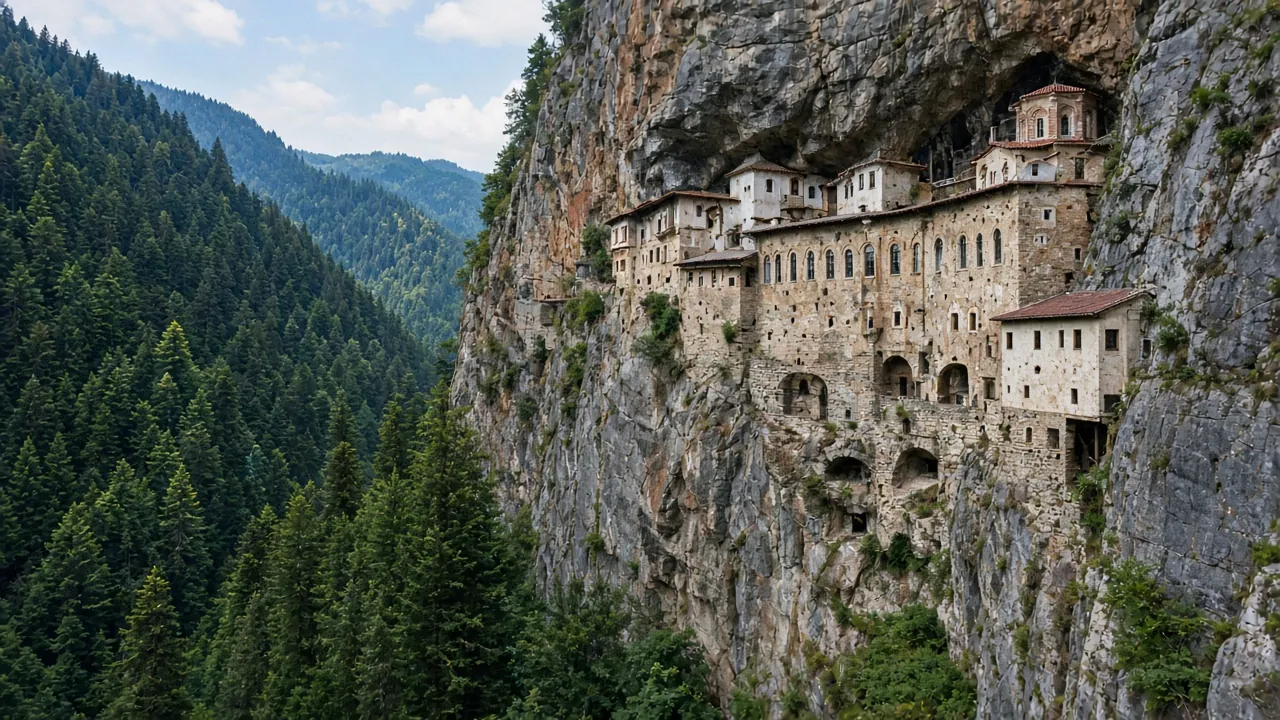
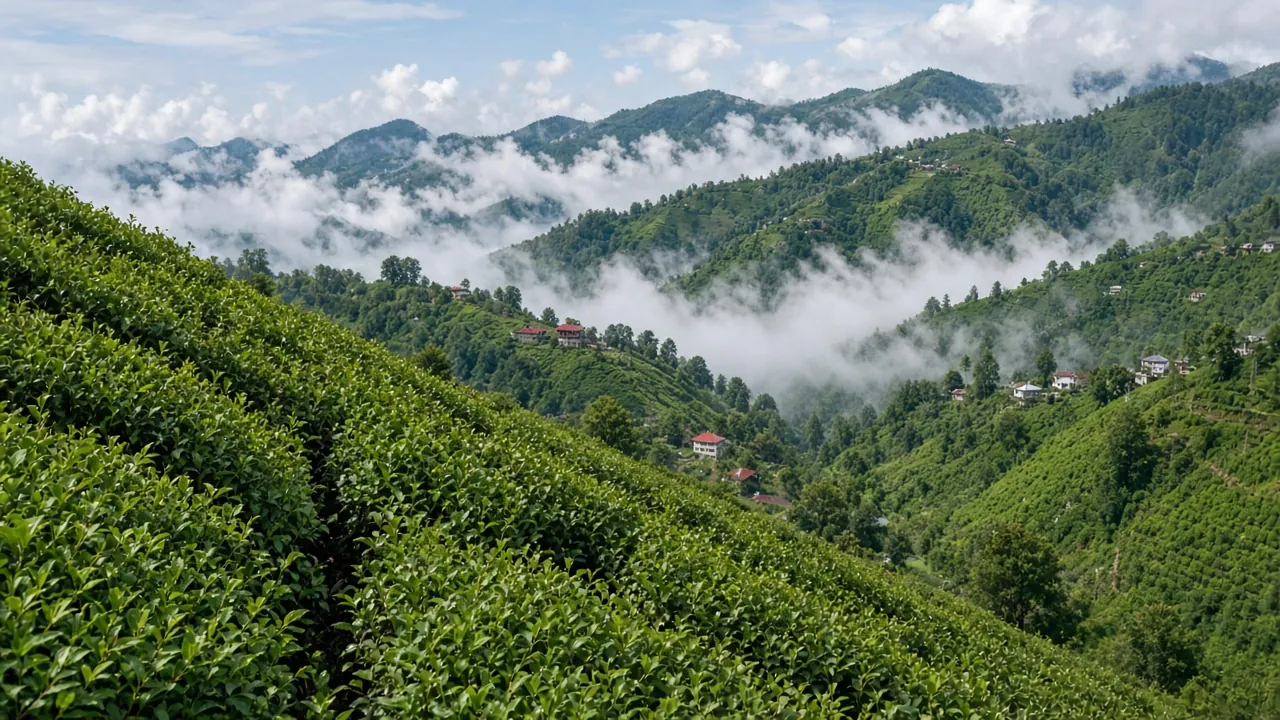
Trabzon is a Black Sea city on Turkey's northeastern coast, a historic trading town under hills, with a Byzantine church that later became a mosque, a busy old centre and mountain valleys behind it. Cruise ships use a working commercial harbour, usually a short ride from Ortahisar and the main square rather than a walk-off into the old streets. This page is Trabzon, not Sinop to the west. Sümela Monastery is a longer outing into the mountains, worth the hours if the ship's schedule allows. Leave a clear margin for the return to the harbour, not to a landmark inland.
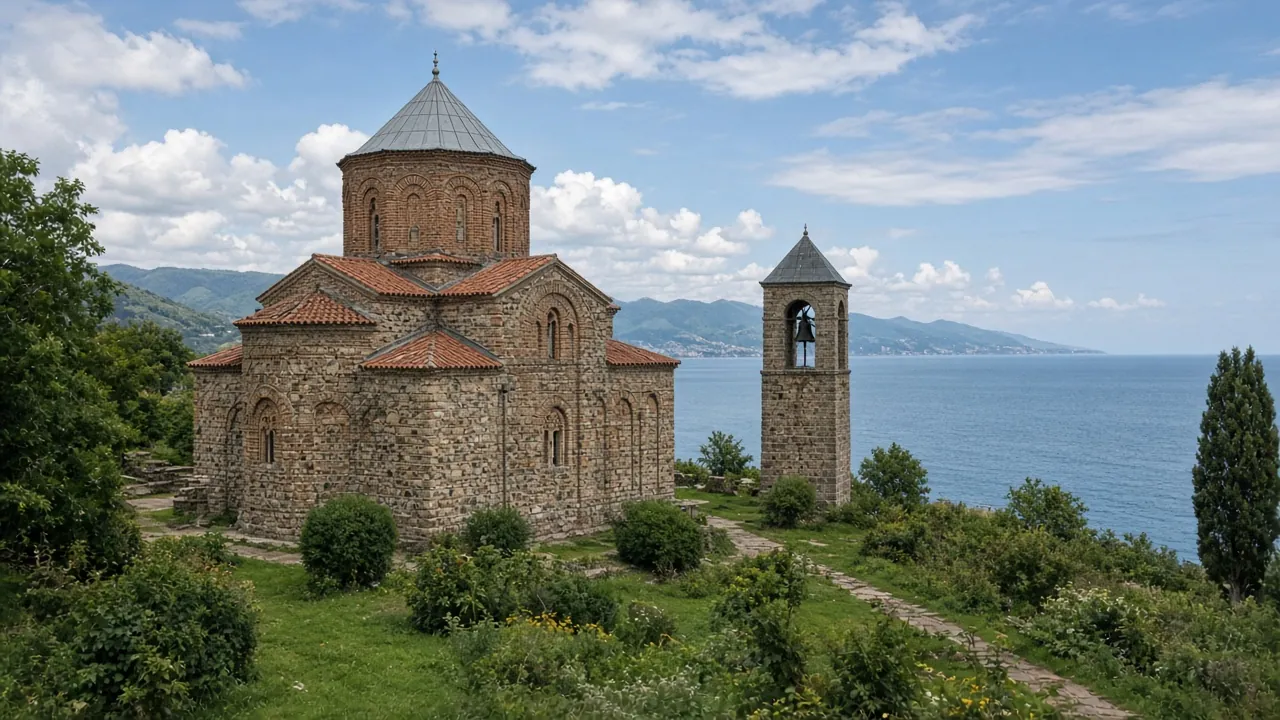
Trabzon is a Black Sea city on Turkey's northeastern coast, a historic trading town under hills, with a Byzantine church that later became a mosque, a busy old centre and mountain valleys behind it. It was the seat of the Empire of Trebizond, and that history still sits in the fabric of the place: the Hagia Sophia of Trabzon stands near the sea to the west of the centre, Ortahisar occupies the old citadel hill, and the later city spreads along the narrow coastal shelf and up the slopes.
Cruise ships use a working commercial harbour, usually a short ride from Ortahisar and the main squares rather than a walk-off into the old streets. The port is a cargo place first; taxis and arranged transfers are the ordinary way into town. This page is Trabzon, not Sinop to the west, and not a quick substitute for the far interior of eastern Anatolia.
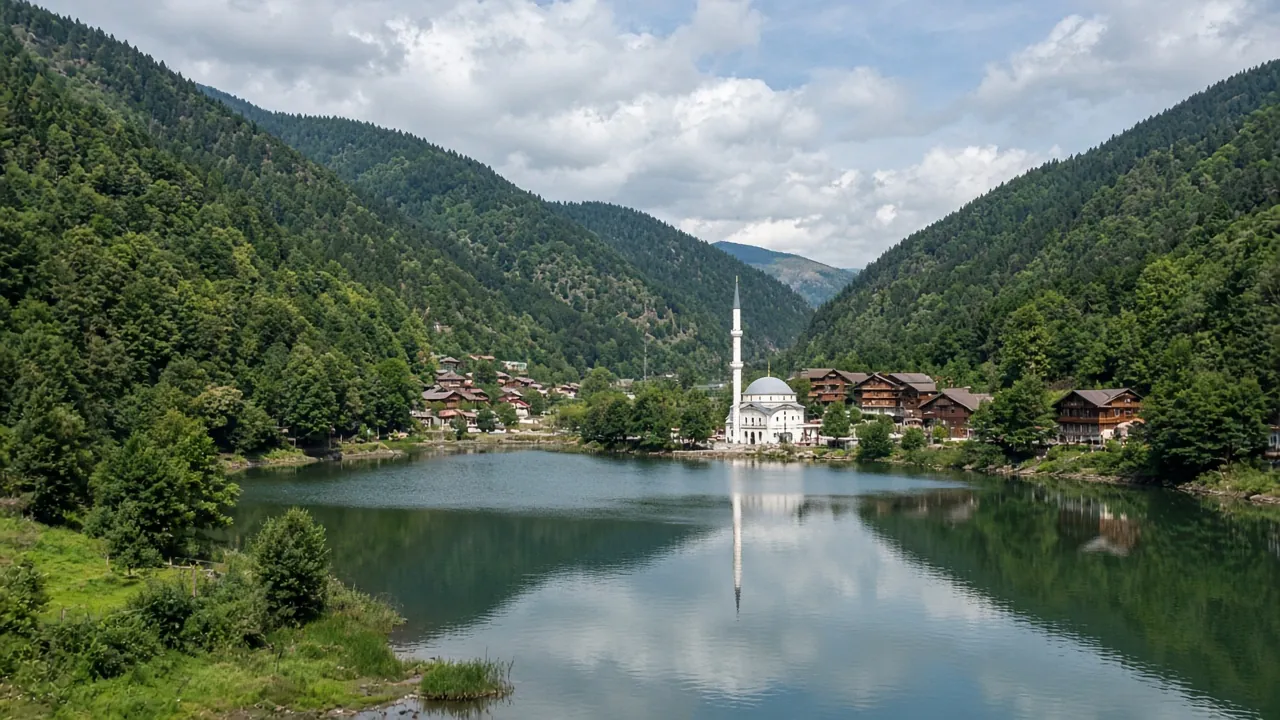
Sümela Monastery, in the Altındere valley, is the outing many passengers hope for. It is a rock-cut monastic complex on a cliff, a longer mountain drive of about an hour, and it needs a schedule that can absorb the road, the walk and the return. Uzungöl, a lake in the hills, is farther still, usually too much for a short call. Closer in, the Hagia Sophia, a walk in Ortahisar, the Atatürk Mansion and the viewpoint at Boztepe will fill a first day in the city itself.
The food is of the Black Sea: hamsi when the season is right, kuymak, greens and bread, and tea in the ordinary sense of a working Turkish city. The weather can change quickly in the mountains, and coastal rain is common. A day that tries to do Sümela and the lake and the old town usually returns late. Leave a clear margin for the ride back to the harbour, not to a monastery car park or a hill café that is not your ship. The Empire of Trebizond held this coast from the early thirteenth century until the Ottoman conquest in 1461, and the citadel and the church of Hagia Sophia are the clearest remaining marks of that state. The Zağnos valley and the later parks cut a green line through the old hill, and the bazaar streets below Ortahisar are a working centre rather than a reconstructed front. Tea gardens at Boztepe look back over the city and the sea, a short ride up the slope, and they are an easy last hour if you have kept the harbour in mind.
Port landmarks