Stockholm, Sweden
Ports
Home • Ports • Europe • Sweden • Stockholm
About Stockholm
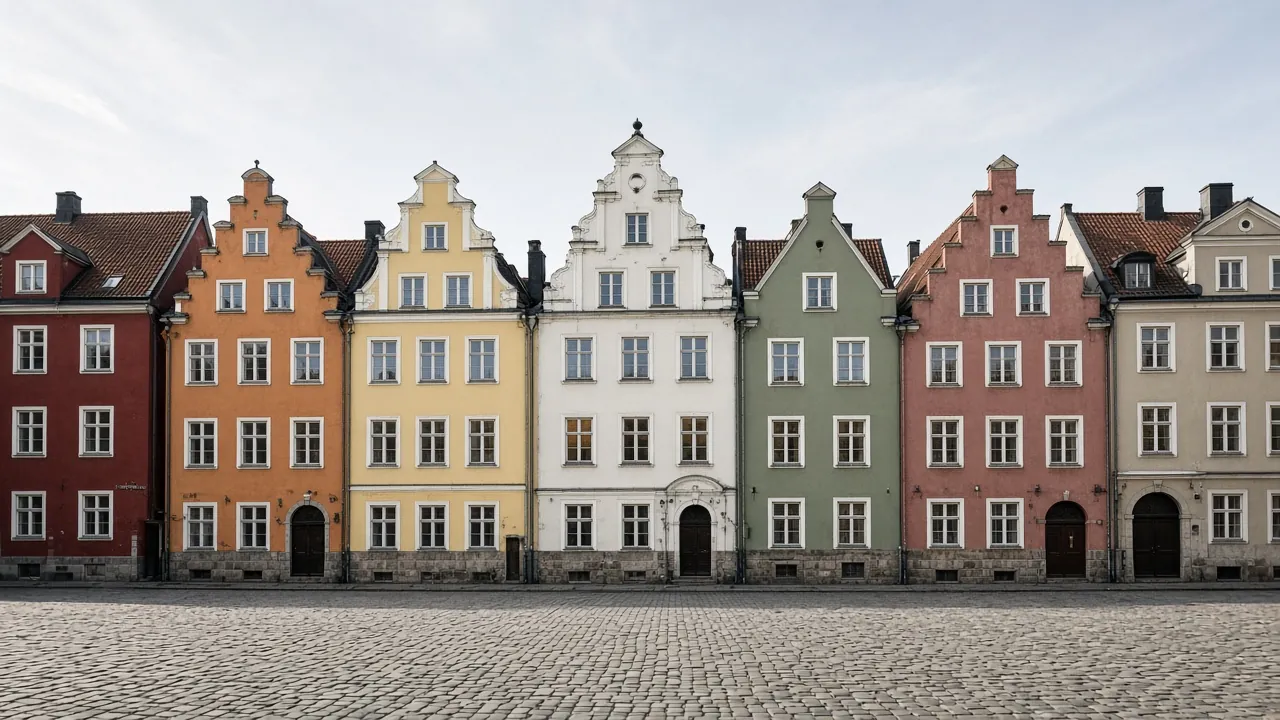
Stockholm occupies a cluster of islands where Lake Mälaren meets the Baltic, a capital of water, bridges and a compact old town. Some ships berth at Stadsgården, close enough that Gamla Stan and the island of Djurgården are a walk or a short ride; others use Frihamnen, which needs a transfer. Occasional calls land much farther out, at Nynäshamn, which is not a Stockholm waterfront walk and will consume the clock. This page is Stockholm. A first day can stay with the palace, the old town and the Vasa, without trying to add a second Baltic city. Leave time for the transfer back to the actual berth.
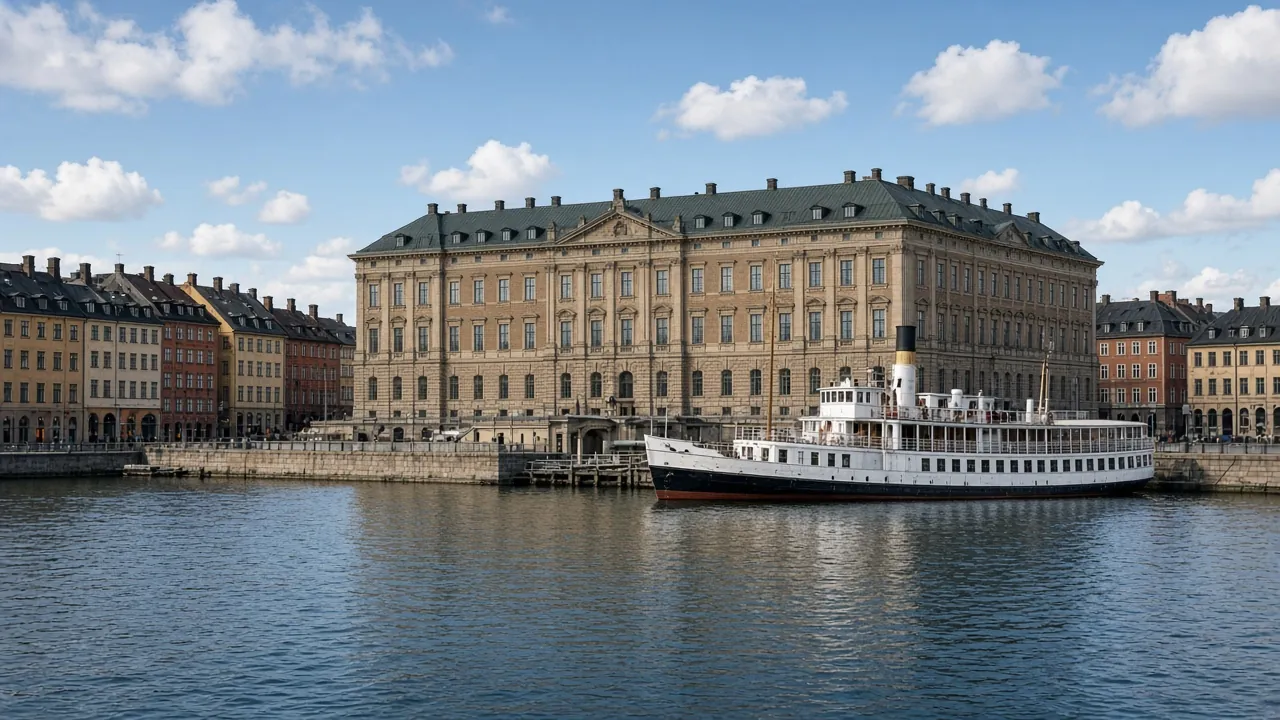
Stockholm occupies a cluster of islands where Lake Mälaren meets the Baltic, a capital of water, bridges, and a compact old town, Gamla Stan, around the royal palace. Djurgården, the green island to the east, holds the Vasa, the almost complete seventeenth-century warship raised from the harbour, and a group of other museums. The city is best taken slowly, by foot and by boat, and a first day that tries to collect every island will spend itself in transit.
Some ships berth at Stadsgården, on the south shore of the harbour, close enough that Gamla Stan, the island of Södermalm and a ferry or a walk toward Djurgården are realistic without a long transfer. Others use Frihamnen, which needs a shuttle, a bus or a taxi into the same centre. Occasional calls land much farther out, at Nynäshamn, which is not a Stockholm waterfront walk and will consume the clock before you even reach the old town. The berth on the day's papers is the first fact of the visit. This page is Stockholm.
A first day can stay with the palace, the old town and the Vasa, without trying to add a second Baltic city or every museum on Djurgården. The royal palace and the tight lanes around it, a crossing to the Vasa, and a slow walk or a harbour boat back toward the berth already make a full call. If you have landed at Frihamnen, the transfer has to be counted at both ends.
The light on the water can be pale and beautiful, and the wind off the harbour is part of the day even in summer. Food is Swedish and of a capital: cinnamon buns, open sandwiches, and the city's cafés and later restaurants. Swedish is the language of the streets; English is widely spoken in the centre and around the harbour. Trams, buses and boats make the close islands easy once you are in the city.
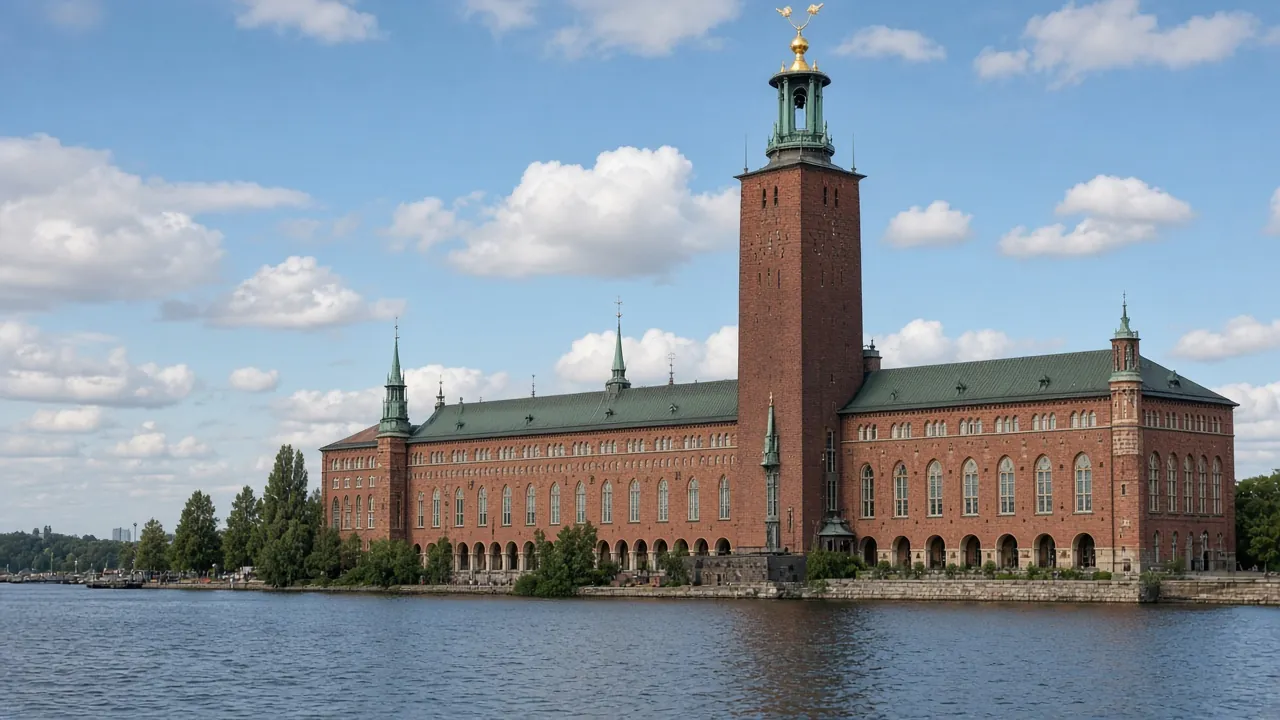
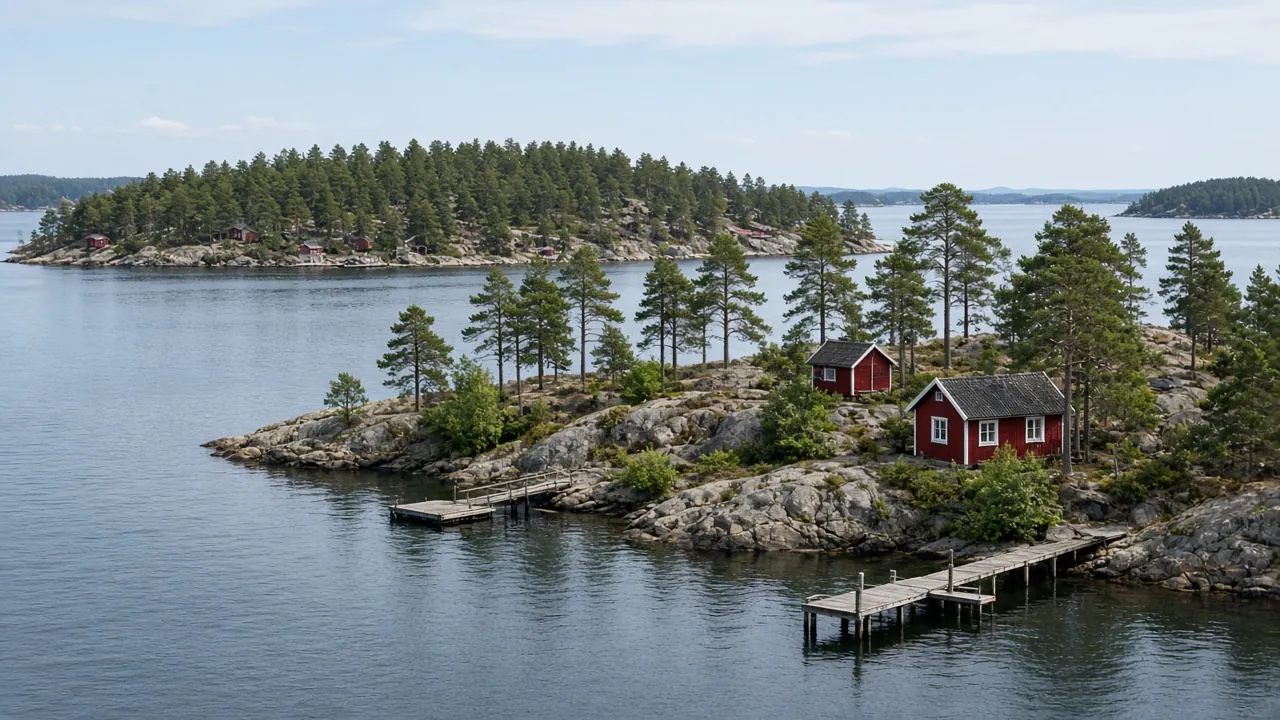
The City Hall, on its waterfront site to the west of the old town, and a slow boat through the closer islands of the archipelago, are nearer additions than a second city, provided the last return is still timed to your own berth and not to a landing farther down the coast. Leave time for the transfer back to the actual berth, especially from Frihamnen or from any landing that is not Stadsgården. A day that holds to the old town and Djurgården, with a clear last ride, will have seen the capital that stands on this water, without trying to reach a distant outer harbour on the same clock.
Port landmarks
Shore Excursions
- Stockholm Old Town Private Walking Tour – 2 h
- Stockholm Tour from Cruise Port with Vasa Museum and Old Town – 5 h
- Stockholm Christmas Markets Guided Walking Tour – 2 h
- Small Group: Vasa Museum Guided Tour in Stockholm – 2 h
- Golden Hour Photo Walk in The Heart of Stockholm – 3 h
- Stockholm's Old Town & Vasa Museum Private Walking Tour – 3 h
- Stockholm City Private Walking Tour – 2 h
- Magical Stockholm by Night Photo Walk – 2 h
- Stockholm Panoramic Private Tour – 3 h
- Stockholm Syndrome Private Walking Tour – 3 h
- Stockholm: Alfred Nobel & The City Hall (Private Tour) – 4 h
- Private Half-Day Royal Palaces Tour – 5 h
- Stockholm: Vasa Museum & City Hall (Private Tour) – 4 h
- Stockholm Subway Art and Photo Tour World’s Longest Gallery – 2 h
- City Sightseeing Hop On Hop Off Bus Tour Stockholm – Flexible · valid 24 h
- Private Half-Day Stockholm Tour with Drottningholm Castle – 4 h
- Private Stockholm Tour by Car – 3 h
- Stockholm Panoramic Private Tour with an Ice Cold Experience – 3 h
- Small Group Stockholm Guided Food Tour with Tastings – 2 h
- Stockholm Private City Tour with Vasa Museum & Boat Cruise – 5 h
- Small Group: Stockholm's Pub Crawl – 5 h
- Stockholm: Small Group Guided Archipelago Tour – 2 h
- Old Town Gamla Stan Walking Tour from Stockholm – 2 h