St. Augustine, United States
Ports
Home • Ports • America • United States • St. Augustine
See all 2 tours in St. Augustine
About St. Augustine
St. Augustine, on a sheltered inlet of the northeastern Florida coast, is the oldest continuously occupied European-founded city in the continental United States, a compact Spanish historic core rather than a deep-water harbour for large ocean ships. Smaller ships may come alongside at the municipal marina, a short walk from the Castillo and the older streets; passengers from large liners more often reach the town by road from Jacksonville, about forty-five minutes away. This page is St. Augustine, not Jacksonville, which has its own harbour page. Leave time for the return to the ship you actually used, not to a fort wall or a pedestrian street that is not your landing.
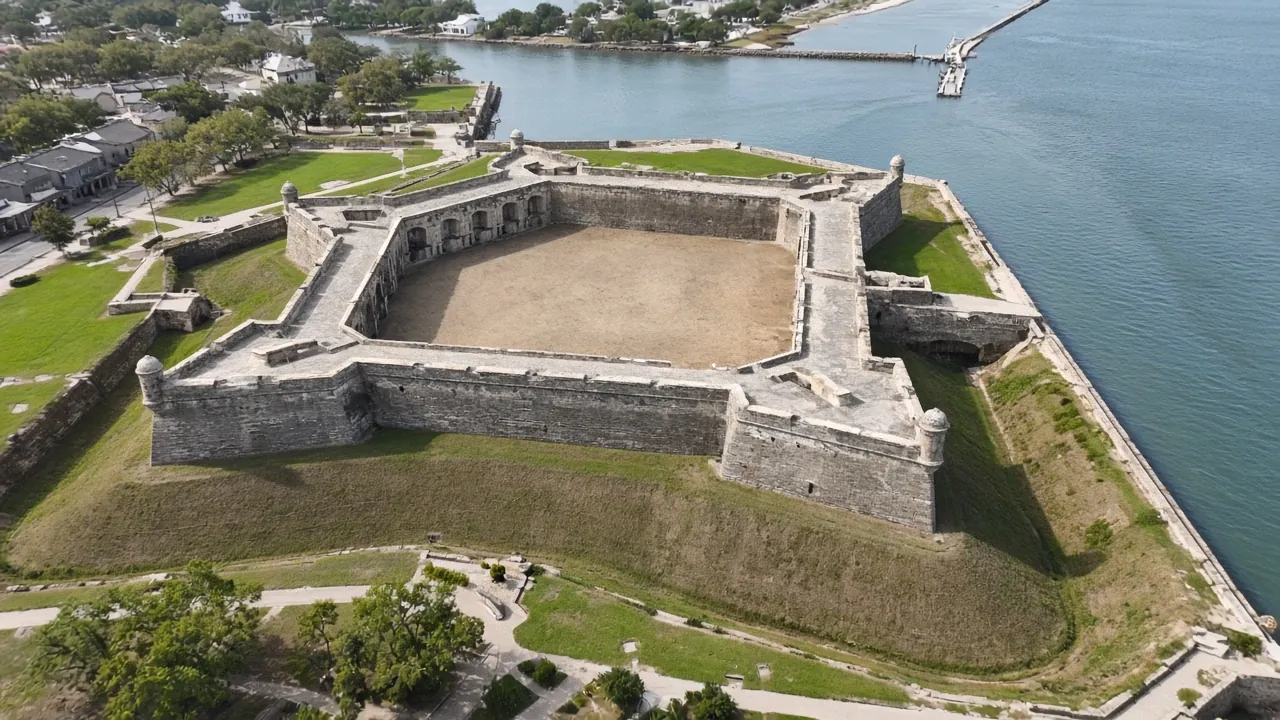
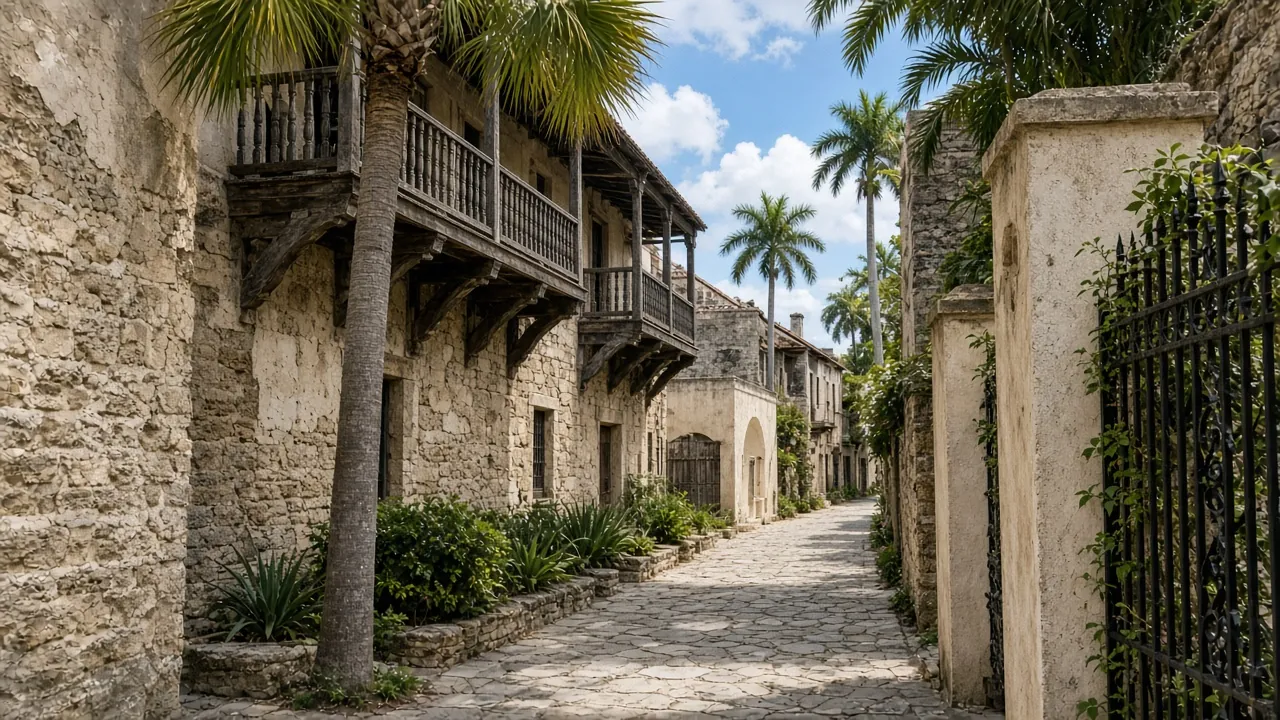
St. Augustine, on a sheltered inlet of the northeastern Florida coast, is the oldest continuously occupied European-founded city in the continental United States, founded by the Spanish in 1565. It is a compact historic core of coquina stone, a later pedestrian street and a coastal fort, looking onto tidal water rather than a deep-water basin for large ocean ships. The Castillo de San Marcos still commands the bayfront, and St. George Street holds the town's densest visitor walk.
Smaller ships, including coastal and river vessels, may come alongside at the municipal marina on Avenida Menendez, a short walk from the Castillo and the older streets. Passengers from large liners more often reach the town by road from Jacksonville, about forty-five minutes away; the last return in that case is to the ship at Dames Point or whichever Jacksonville berth is in use, not to a harbour here. Confirm how you are actually arriving. This page is St. Augustine, not Jacksonville, which has its own harbour page.
The Castillo is a timed, lived-in fort, and a visit will use more of the morning than a photograph from the waterfront. The Bridge of Lions, the bayfront and a slow loop through the historic core will fill a first call if you stay in town. The Lightner and a couple of the house museums are interiors for a hot or wet hour. Anastasia Island and the nearest beaches are a short ride across the bridge, worthwhile if you keep a clear margin; they are a poor last stop if you still have to drive back to Jacksonville.
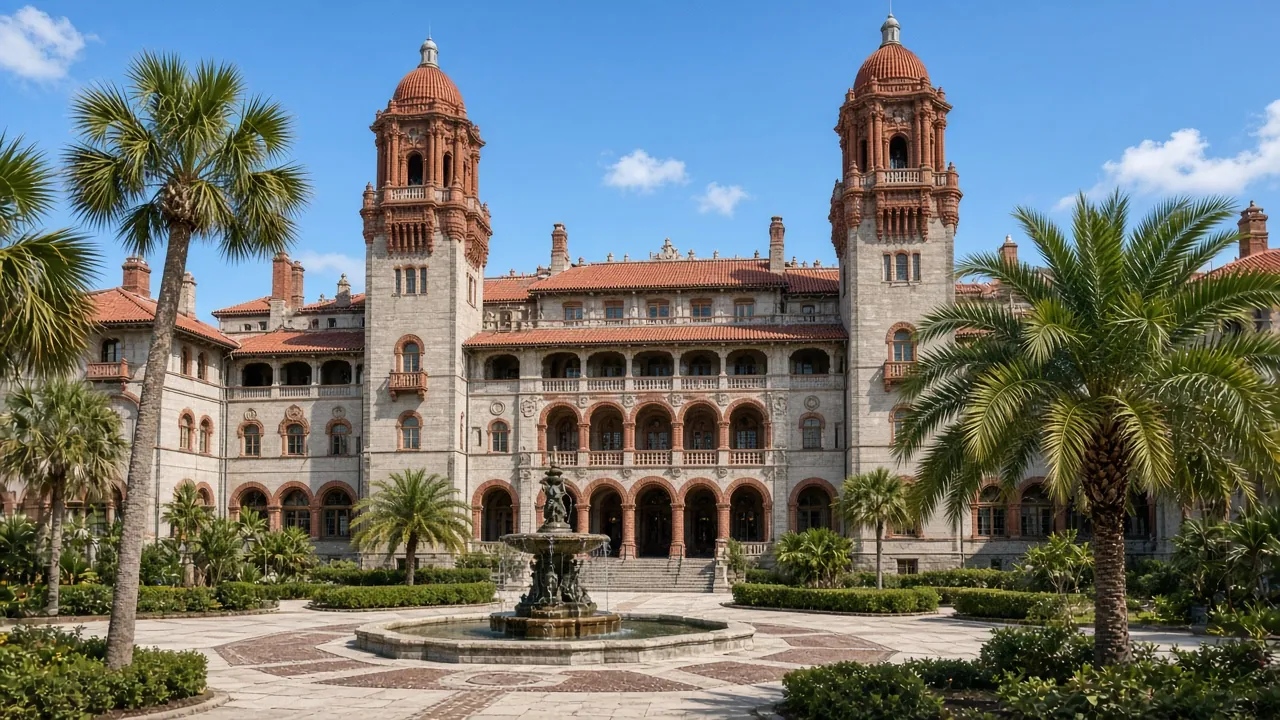
The climate is hot and humid for much of the year, and a short walk can feel long at midday. The cobbles and the coquina walls hold the heat. Leave time for the return to the ship you actually used, not to a fort wall, a pedestrian street or a beach on Anastasia that is not your landing. If you have come in from Jacksonville, the ride back is the same transfer you took on the way in, and traffic on the coastal roads can slow in the afternoon. The town is compact, and that compactness is a gift only if you actually use it to return on time. Flagler's later hotels, including the buildings that now hold the college and the Lightner, give the historic core a second, Gilded Age layer beside the Spanish one, and they are worth a look from the street even if you do not go inside. Parking in the old town is tight on a busy day; if you have come in by ship to the marina, you are already in the right place and can ignore the car problem. A short walk is better than a long trolley circuit you will not finish.
Port landmarks