Sligo, Ireland
Ports
Home • Ports • Europe • Ireland • Sligo
About Sligo
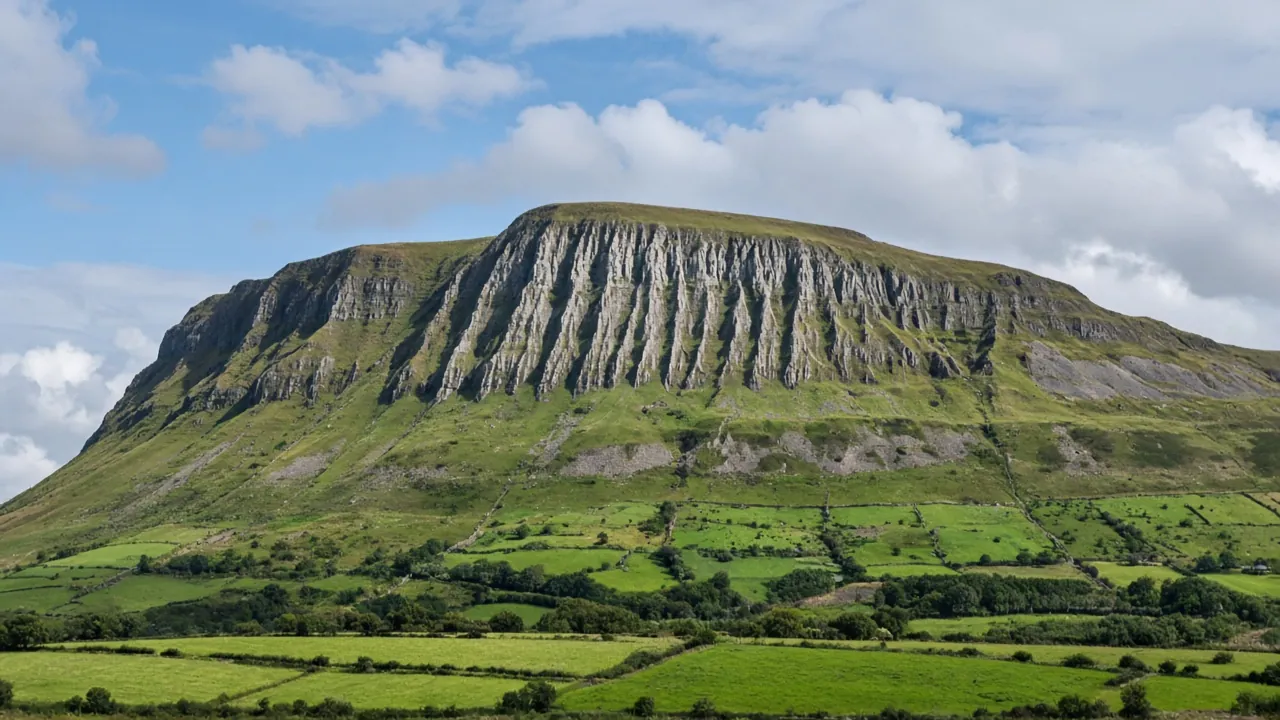
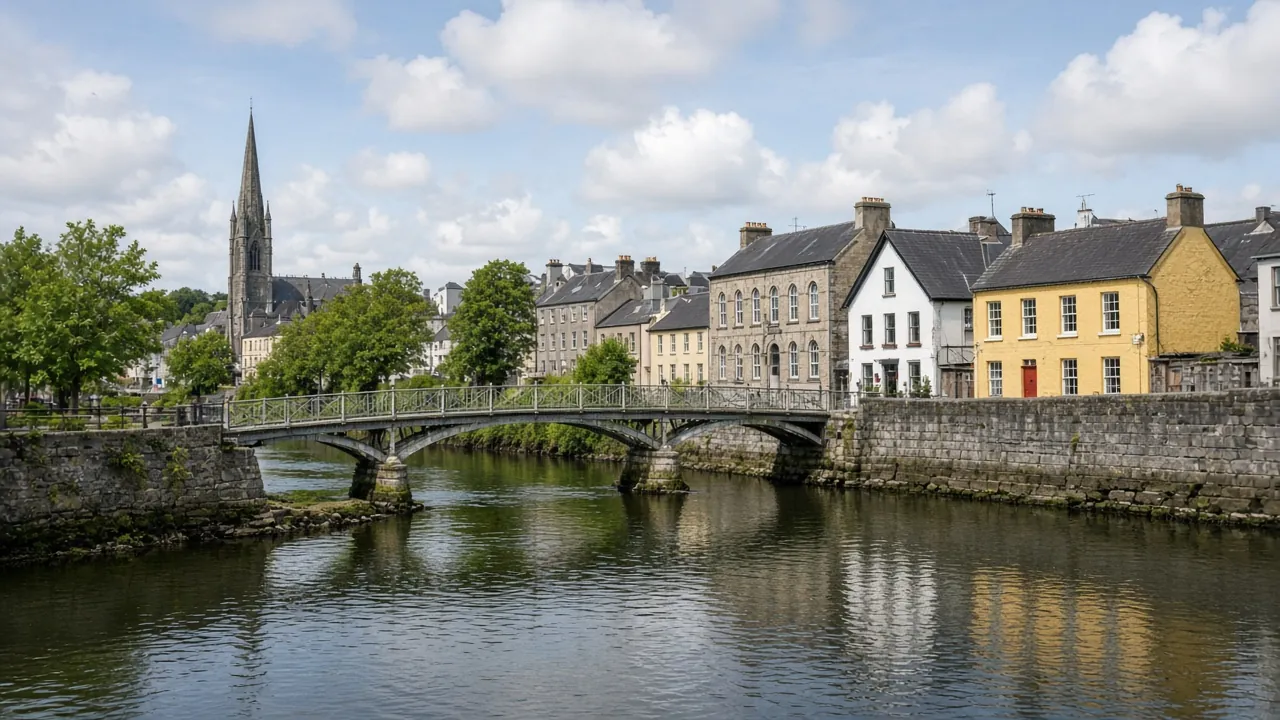
Sligo is a compact county town on the Garavogue, at the head of a wide Atlantic bay in the northwest of Ireland, with a later civic core, a cathedral town's scale, and the Yeats country of lake and mountain around it. It is not a major seaport. Cruise passengers who call here come ashore at a modest working harbour or by tender; the landing itself is worth knowing in advance, and the last return belongs in the same plan. A first day in the town, with or without one already-arranged outing to the shore or the hills,. The farther coast belongs to a longer call.
The civic heart is a compact county town on the Garavogue, at the head of Sligo Bay: later streets of a regional centre, a cathedral town's scale, and, around it, the lake and mountain country long associated with Yeats. You can spend a first day in that town — the close streets, one interior, a lunch in the centre. The scale is modest. There is no monumental harbour city at the quay, and no second capital hiding behind the first street.
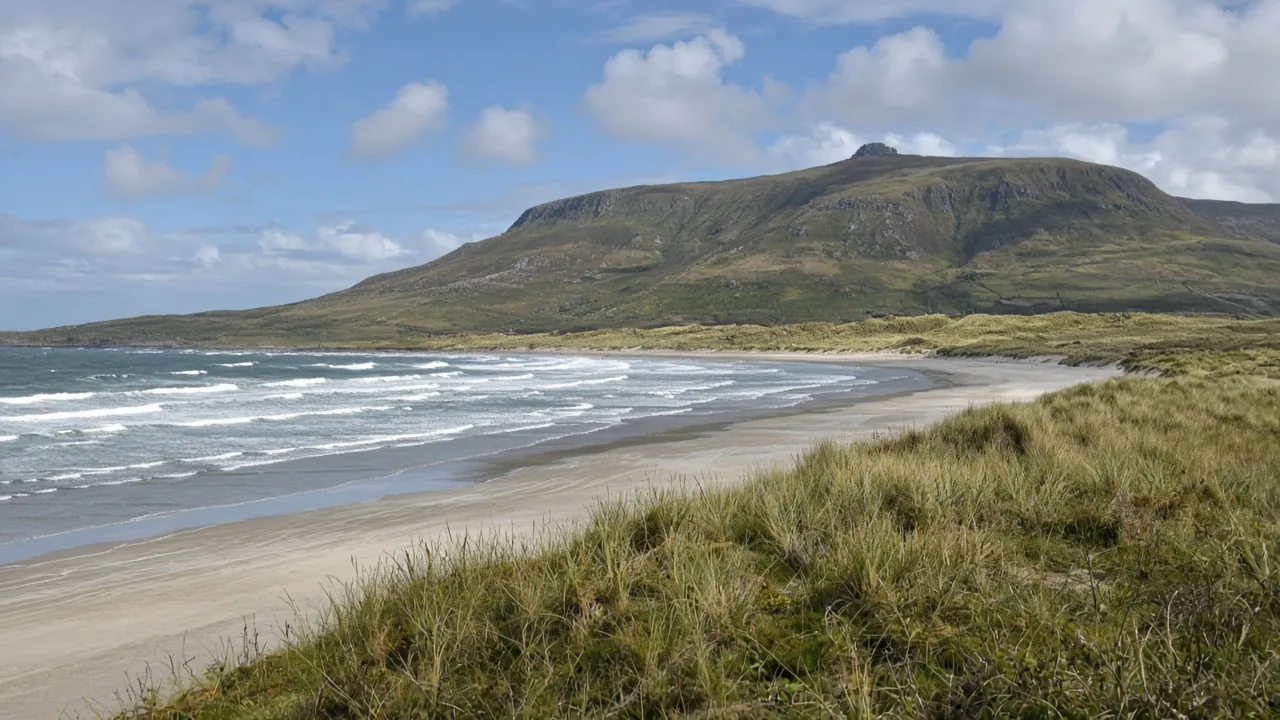
It is not a major cruise machine. Ships that call come ashore at a modest working harbour on the estuary, sometimes by tender; how you come ashore is worth knowing in advance, and the last return to the boat or the quay belongs in the same plan. There is no deep commercial terminal in the town centre, and a working quay is not a short cut to the next beach. Strandhill and the closer shores, or a circuit toward the hills, are trip that needs its own hourss and will take a good part of the clock if you go far. They are worth doing if the hours and a reliable return are already arranged; they are a poor last-minute addition after a late start in town.
The food is that of a small Irish county town: later rooms in the centre, a practical lunch culture. Eat in Sligo if you are staying here. The Atlantic air can be cool and wet even in summer; take a layer. Weather on this bay can change quickly.
A first day in the town, with or without one already-arranged outing to the shore, is a complete visit. A first day that tries to collect every headland, a second town and every lake will be spent in a vehicle. Come back earlier than you think you need. The river town and the bay, seen slowly, are the image you will take away. If the hours are short, stay in the centre; the farther Yeats country can wait for a day that can spare the road. The last return still closes the day. A late outing that cannot guarantee the last return is a poor use of a short call. The modest harbour is the door, not a second city. The quay or the tender point belongs in the same plan, with a margin before you leave the centre. The last walk or boat to the ship is short only if you have not gone far; keep the time anyway. A slow circuit of the town already finishes a first visit.
Port landmarks