Shanghai, China
Ports
Home • Ports • Asia • China • Shanghai
About Shanghai
Shanghai is one of the world's great river cities, but this landing is not on the Bund. Large cruise ships use the Wusongkou International Cruise Terminal in Baoshan, at the mouth of the Huangpu where it meets the Yangtze, in the city's north. The Bund, the later towers of Pudong and the older lanes of the city centre lie about twenty-one to thirty kilometres south: typically forty-five to seventy minutes by taxi, and often an hour and a half or more by shuttle and metro. A first day has to treat that transfer as part of the visit, not as a footnote. The city is the prize; the terminal is a gate.
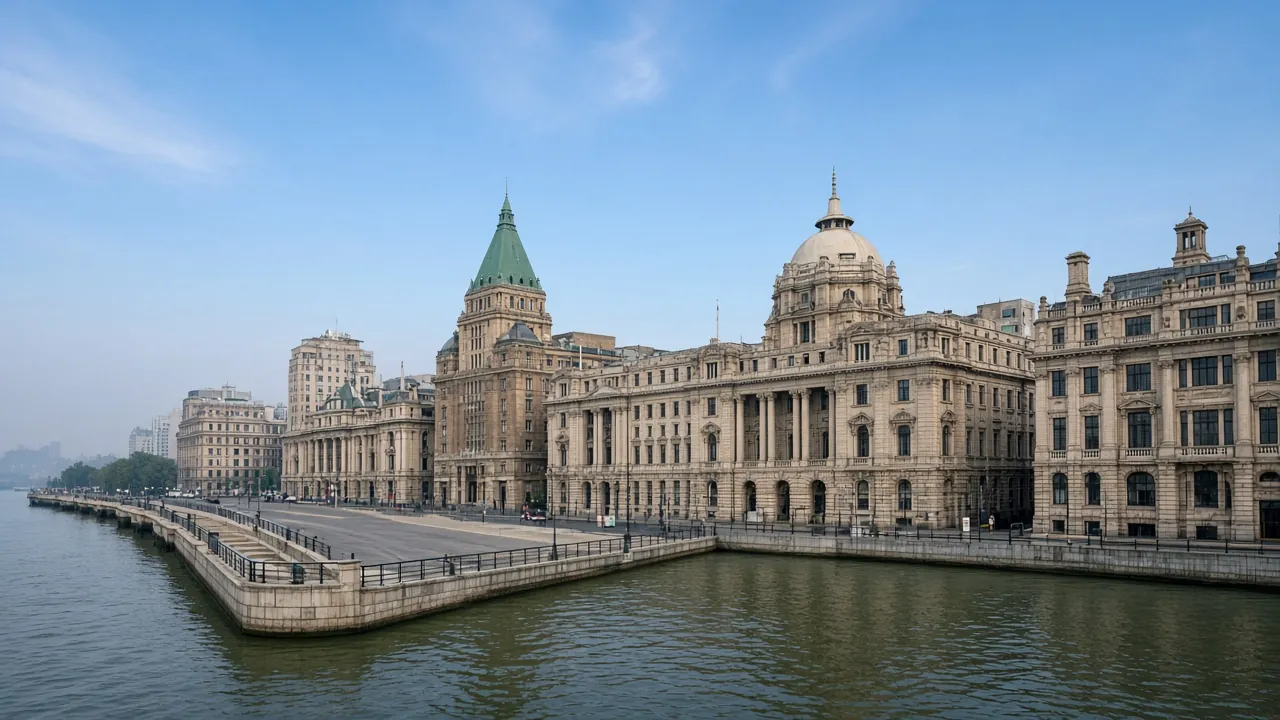
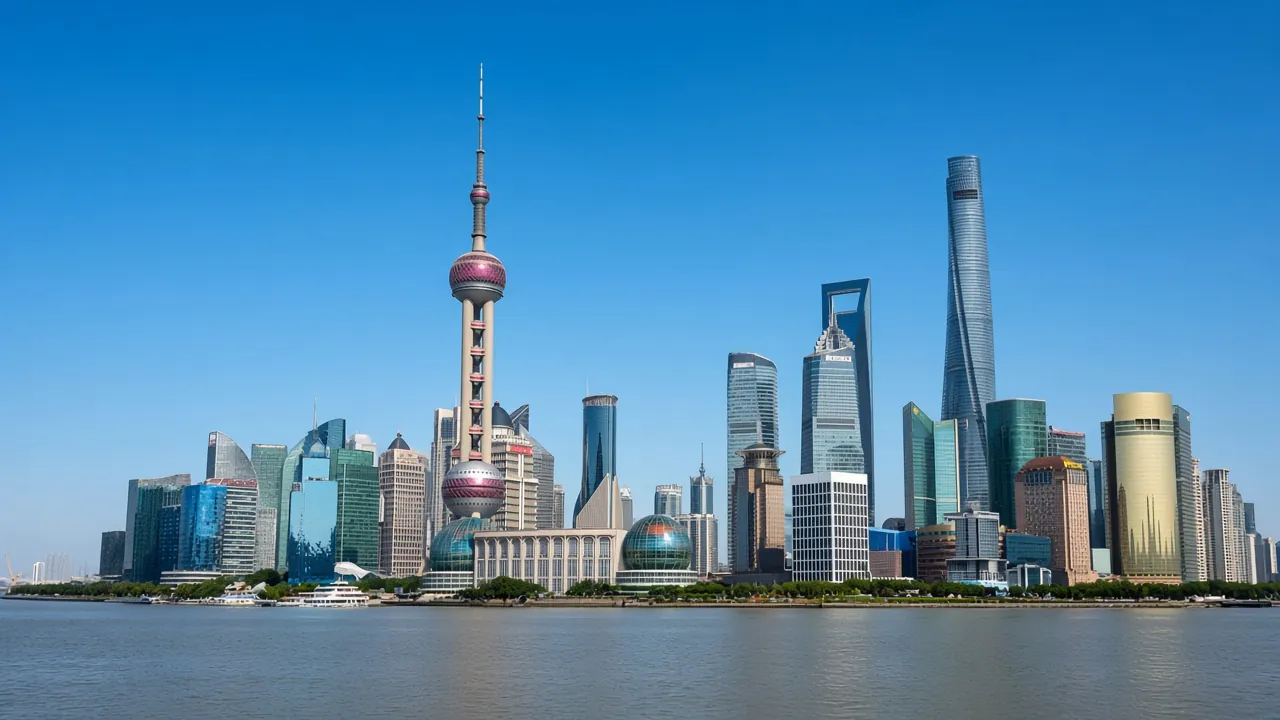
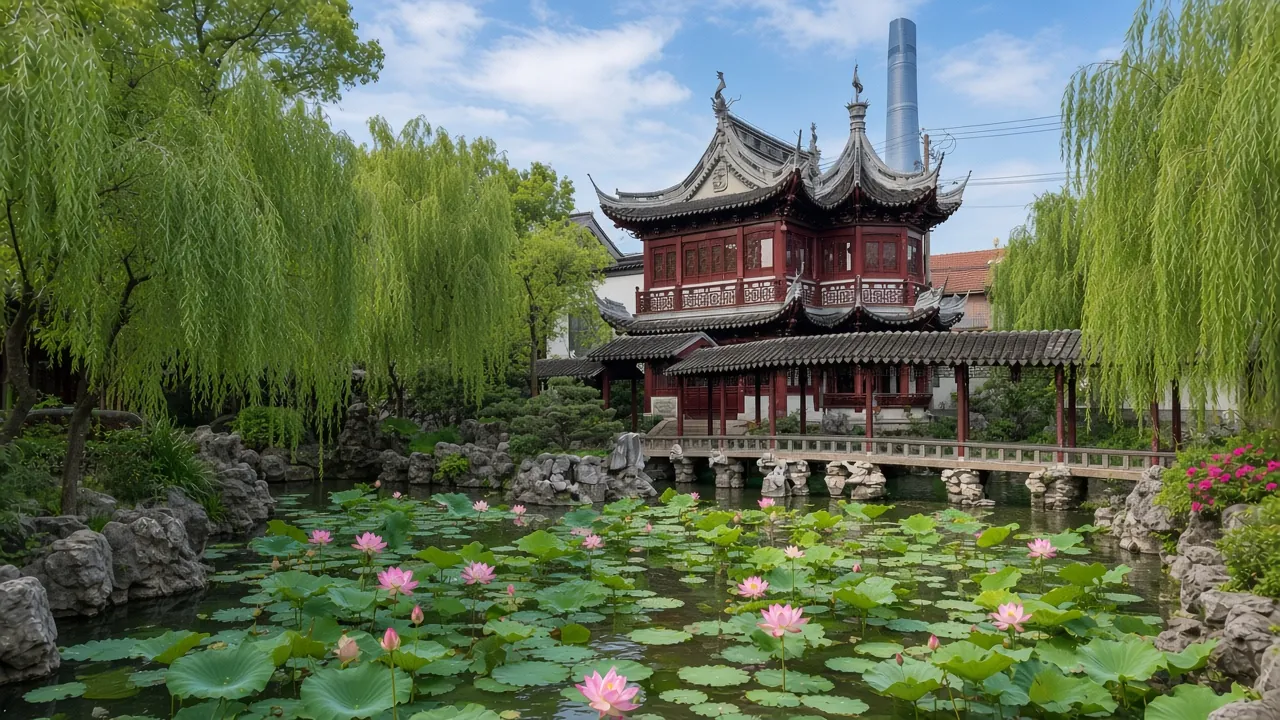
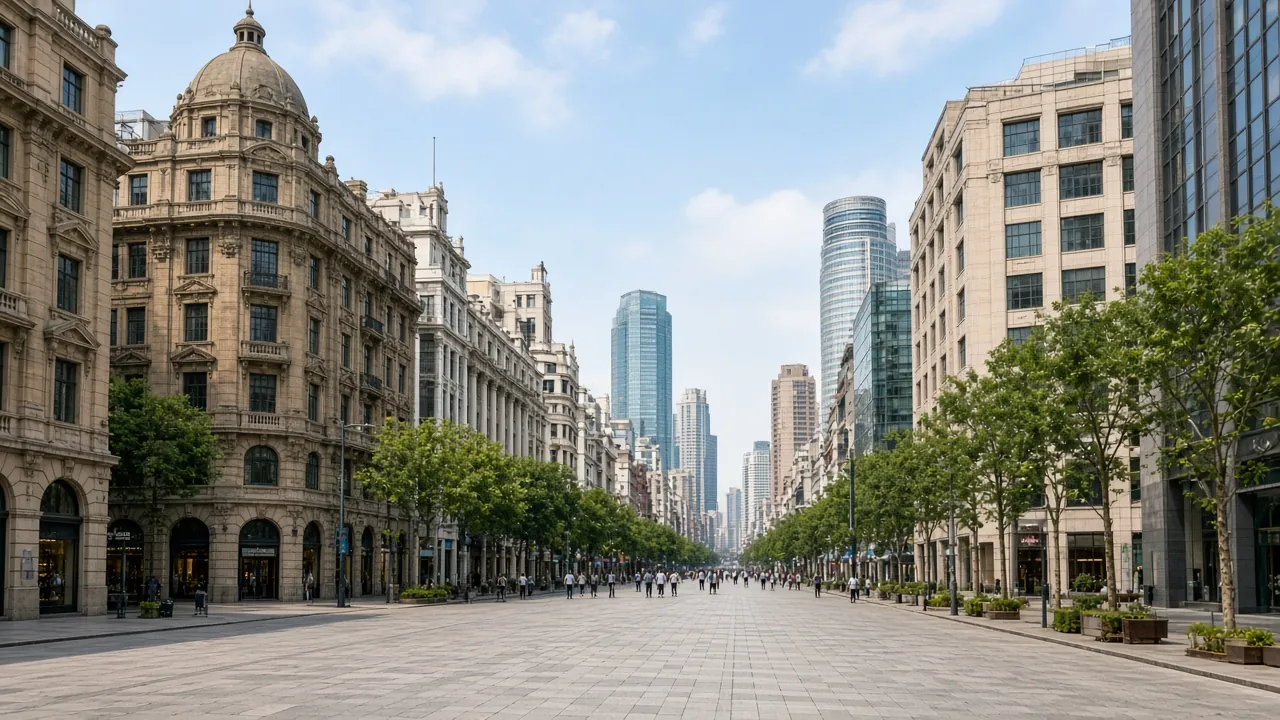
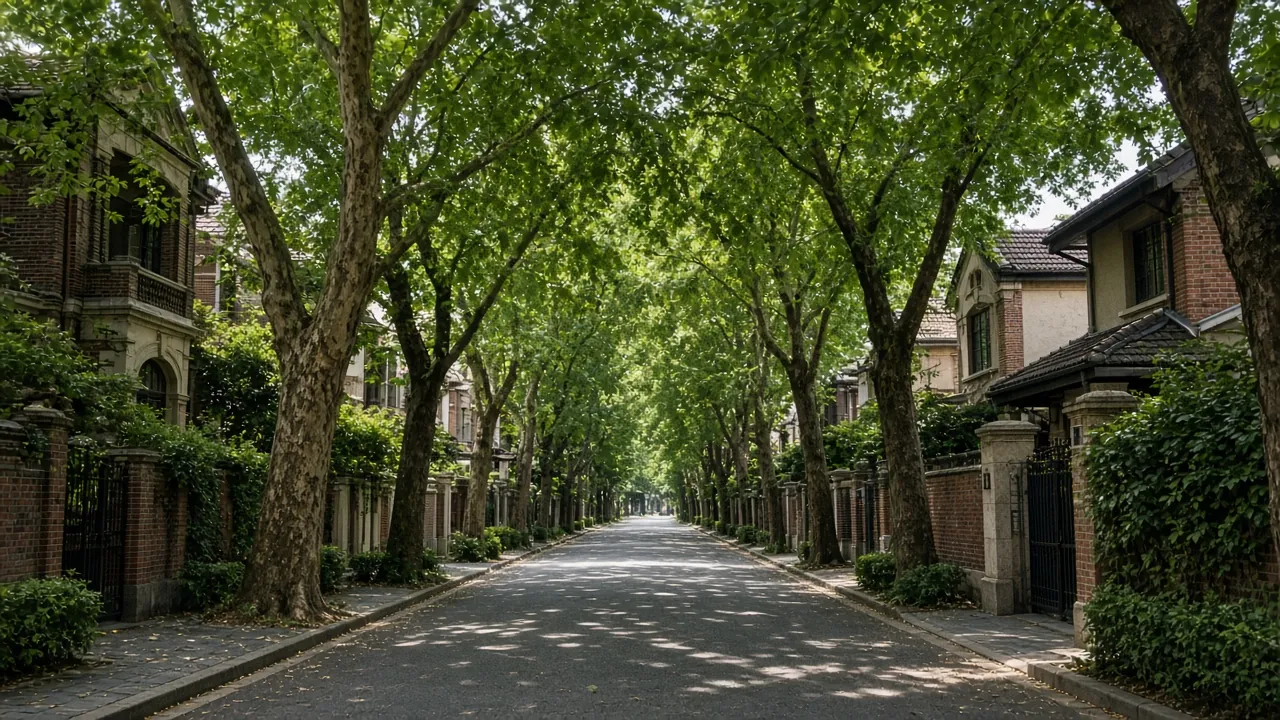
The Bund is the classic first walk once you have reached the centre: a curve of later treaty-port banks and hotels facing the Huangpu, with the towers of Pudong, including the Oriental Pearl and its neighbours, on the opposite bank. It is a waterfront to walk, not only to photograph, and it sits next to the older streets around Yu Garden and the City God Temple, a dense, busy quarter that gives a different Shanghai from the skyline. The former French Concession, with its plane trees and later houses, is a calmer walk if you want shade and a café rather than another vista, and Nanjing Road is the commercial axis between the Bund and the older shopping heart. You will not do all of this thoroughly in a few hours. Choose a waterfront and one neighbourhood, or a garden and a lunch, and let the rest wait.
Shanghai's food is a reason to come: the city's own cooking, Jiangsu and Zhejiang influences, soup dumplings, and a dense restaurant culture that rewards a sit-down meal more than a snack eaten on the move. Eat in the centre if you have come this far. A tight circuit of towers is not the moment for a distant restaurant.
This page is the Baoshan landing at Wusongkou, not the North Bund terminal farther south, which some smaller ships use and from which the Bund can be a walk. The terminal in use is worth knowing in advance. From Wusongkou, a taxi is the faster way when the roads are reasonably clear, commonly three-quarters of an hour to a little over an hour; the metro, reached by a shuttle or bus to Baoyang Road on Line 3, is cheaper and often takes ninety minutes or more door to door. Traffic can be slow, and taxi queues at the terminal can be long when a large ship has just arrived. Build a wide margin for the return. The catalogue sometimes places this port on central coordinates; the berth is not downtown.
A first day that reaches the Bund, walks a little, eats well and comes back without a sprint is a success. A first day that tries to add a distant museum, a second skyline and a shopping street at the other end of the metro will be spent in transit. The city is vast and spectacular. It rewards a smaller itinerary more than a complete one. Come back along the same road or line with time in hand; Wusongkou is close only on a small map.
Port landmarks
Shore Excursions
- Shanghai Former French Concession Walking Tour – 3 h
- Private Half Day Classic Shanghai Tour – 4 h
- Private Custom Shanghai Walking Tour With Local Guide and Temples – 5 h
- All Inclusive Private Shanghai City Day Tour – 8 h
- Shore Excursion: Shanghai City Tour – 8 h
- Evening Walking Food & Culture Tour Through Local Shanghai Streets – 3 h 30 min
- Private Half Day Tour: Zhujiajiao Ancient Town from Shanghai – 5 h
- Shanghai Walking Food & Culture Tour With Michelin-Recognized Bites – 3 h 30 min
- Private Shanghai Highlight Afternoon & Evening Tour – 7 h
- Historic Shanghai Walking Tour from Suzhou Creek to the Bund – 3 h
- Private One Day Old Shanghai Tour – 8 h
- Private Shanghai Night Tour: Huangpu River Cruise & Nanjing Road – 3 h
- Private Zhujiajiao Water Town Tour with Boat Ride and Local Tastings – 5 h