San Sebastián, Spain
Ports
Home • Ports • Europe • Spain • San Sebastián
See all 35 tours in San Sebastián
About San Sebastián
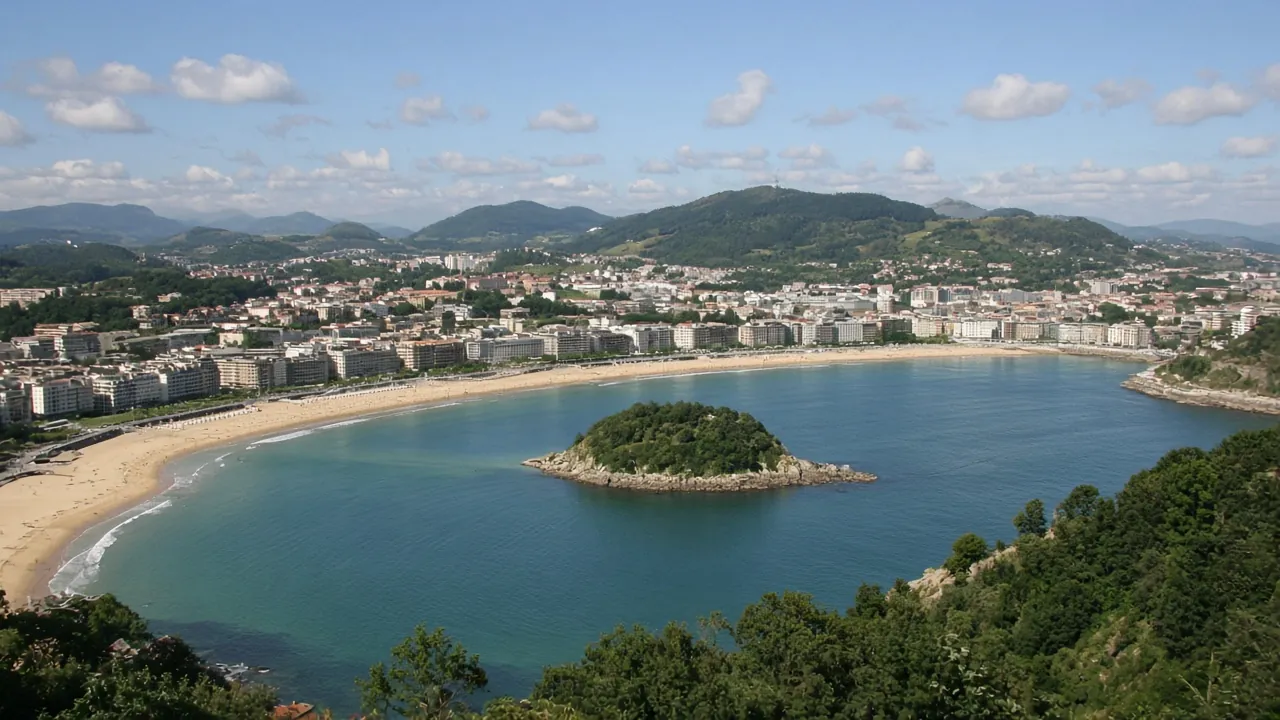
San Sebastián, or Donostia, curves around La Concha between the hills of Urgull and Igueldo, a Basque city of pintxos, beaches and a tight old town. Large cruise ships often cannot berth in the bay itself and come alongside at Pasaia, a short ride along the coast; smaller ships or tenders may use the closer water. This page is the Basque city, not San Sebastián de La Gomera and not Mahón on Menorca. A first day can stay with the old streets, the promenade and a proper lunch, without racing to Bilbao. Leave time for the ride back to Pasaia, or for the last tender, whichever landing the day's papers name.
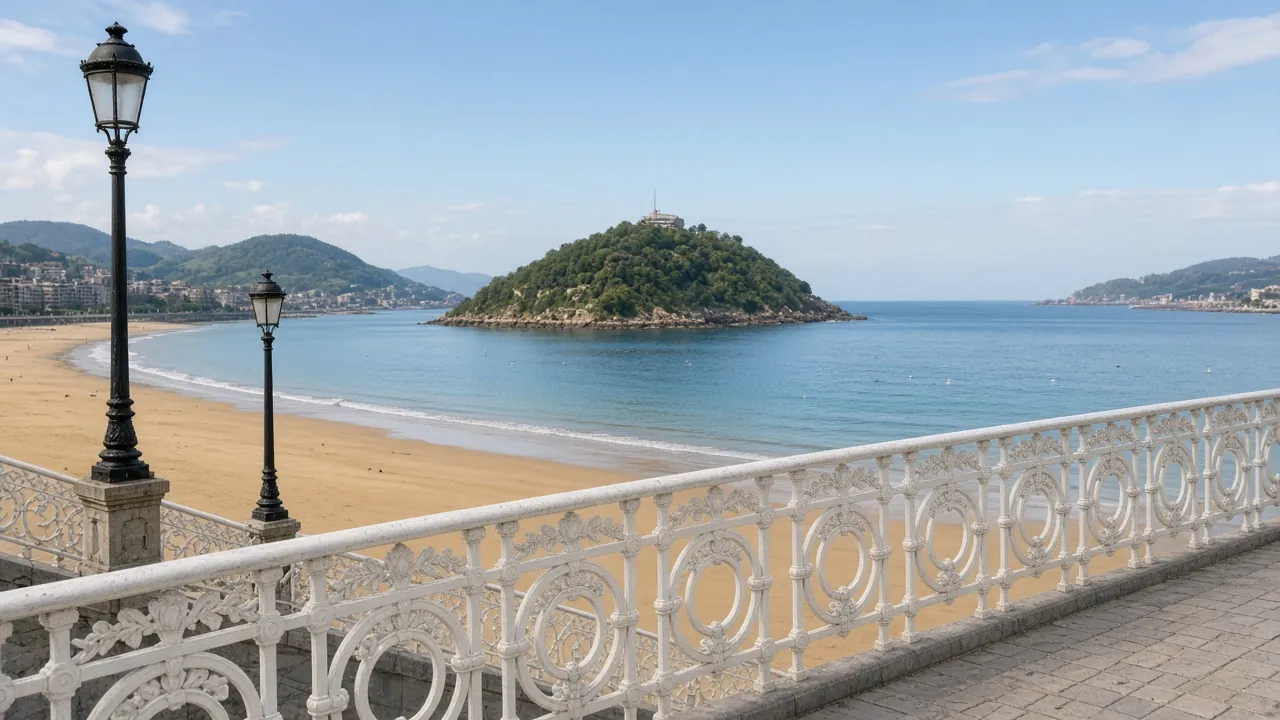
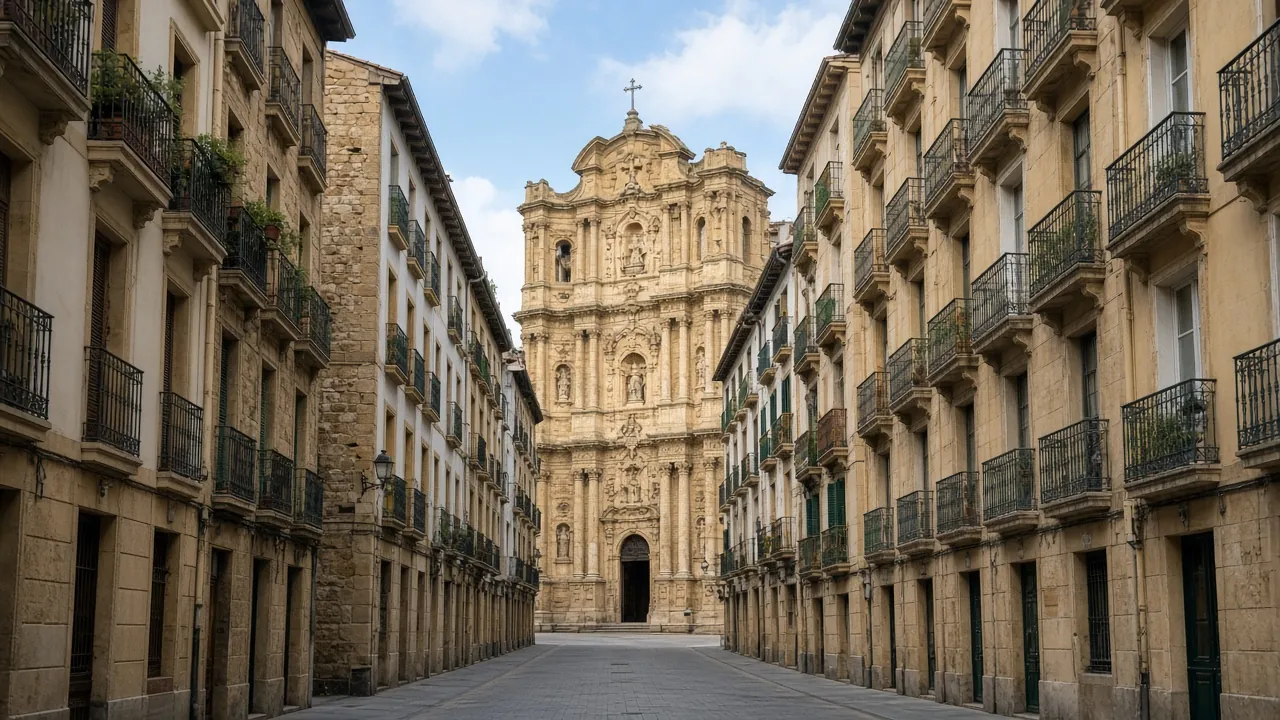
San Sebastián, Donostia in Basque, curves around the bay of La Concha between the hills of Urgull and Igueldo, a city of a tight old town, a long beach promenade and a serious food culture. The Parte Vieja, the old streets behind the port, is where the pintxos bars are thickest. The beach itself, and the walk along it toward the wind-combed western end of the bay, is as much a part of the visit as any church or museum. Santa Clara island sits in the mouth of the bay; the surf, when the sea is up, is visible from the promenade.
Large cruise ships often cannot berth in the bay itself. Many come alongside at Pasaia, the working harbour a short ride along the coast, and passengers reach the city by shuttle, taxi or local bus. Smaller ships or tenders may use closer water in the bay. The day's papers are the only reliable guide to which landing you have, and the two are not a long way apart, but they are not the same walk. This page is the Basque city, not San Sebastián de La Gomera in the Canaries, and not Mahón on Menorca. Bilbao is a different harbour city about an hour away and has its own page.
A first day can stay with the old streets, the promenade and a proper lunch, with a climb up Urgull or a ride up Igueldo if the hours allow. The Kursaal and the later district of Gros sit on the far side of the Urumea river, a short walk from the old town. A day that tries to add Bilbao, or a long run into the Basque interior, will spend itself on the road.
Food is the point of the place for many visitors: pintxos in the old town, Basque cider, and the seafood of the bay. Spanish and Basque are both used in the streets; English is common around the harbour and the main visitor streets, thinner in ordinary bars a street or two back. The Bay of Biscay can be cool even in summer; a layer against the wind off La Concha is useful.
Leave time for the ride back to Pasaia, or for the last tender, whichever landing the day's papers name. A day that holds to the bay and the old town, with a clear last return, will have seen the city that stands on this curve of sand, without trying to collect a second Basque harbour on the same clock.
Port landmarks
Shore Excursions
- San Sebastian Pintxos Food Tour: Cider & Cheesecake – 3 h
- Bilbao, Guggenheim and Gaztelugatxe private tour from San Sebastian – 9 h
- Private Day Trip to Biarritz and the French Coast from San Sebastian – 8 h
- Biarritz And French Basque Coast From San Sebastian – 8 h
- Visit to the Sanctuary of Lourdes from San Sebastian – 9 h
- Rioja Wine Tour: 2 Wineries from San Sebastian – 8 h
- Txakoli Wine Private Tour from Bilbao – 4 h 30 min
- The Magic Of The Guggenheim Museum (Interior & Exterior - 2 Hours With VIP – 2 h
- Dragonstone and San Sebastian Private Tour from Bilbao – 10 h
- Bilbao Modern Architecture Ranking – 1 h 30 min
- Cider House Experience from San Sebastian – 4 h
- Bilbao Food Tour: Pitxos, Cider & Local products – 3 h 30 min
- Private Txakoli Wine Tour with Tasting in Getaria from San Sebastian – 4 h
- Idiazabal Cheese Tour from San Sebastian – 6 h
- Private Wine Tour in La Rioja: Two wineries from Bilbao – 8 h
- San Sebastian and Getaria from Bilbao – 8 h
- Private Rioja Wine Tour: Winery Visit and Traditional Lunch from Bilbao – 8 h
- Bilbao, Guggenheim and Gaztelugatxe from San Sebastian – 9 h
- Private Rioja Wine Tour: 2 Wineries from San Sebastian – 8 h
- Private Rioja Wine Tour: Winery and Traditional Lunch from San Sebastian – 9 h
- Hondarribia, San Juan & San Pedro from San Sebastian in a Small Group – 4 h
- Rioja Wine Tour: Winery & Traditional Lunch From San Sebastian – 8 h
- Private Hondarribia, San Juan and San Pedro Tour from San Sebastian – 4 h
- Txakoli wine tour in small group from Bilbao – 4 h
- Rioja Wine Tour: 2 Wineries From Bilbao – 8 h
- Bilbao: Guided Pintxos Tour – 3 h
- Rioja Wine Tour: Winery & Traditional Lunch From Bilbao – 8 h
- Casco Viejo Or 7 Streets – 2 h
- Private Dragonstone, Mundaka and Guernica tour from San Sebastian – 7 h 30 min
- Private tour Dragonstone, Mundaka and Guernica from Bilbao – 6 h
- Bilbao Classic & Modern – 3 h
- Zarautz, Getaria & Zumaia from San Sebastian in a small group – 4 h
- Getaria Txakoli wine tour from San Sebastian – 4 h
- Dragonstone, Mundaka and Guernica in Small Group from Bilbao – 6 h
- Private Zarautz, Getaria and Zumaia tour from San Sebastian – 4 h