Salalah, Oman
Ports
Home • Ports • Asia • Oman • Salalah
About Salalah
Salalah is the civic heart of Dhofar, a low, spreading city on Oman's southern coast, known for the khareef, the summer monsoon that turns the hills briefly green. Frankincense still belongs to the story of the place, and the older shoreline at Al Haffa keeps a slower rhythm than the newer inland roads. Ships use the Port of Salalah at Raysut, a working container harbour about twenty minutes from the centre; a shuttle or taxi is the usual first move, and the last ride back belongs in the same plan. Beaches, coconut groves and the ruins at Al Balid sit closer than the mountains. This is a different Oman from Muscat, and it rewards being treated as its own coast.
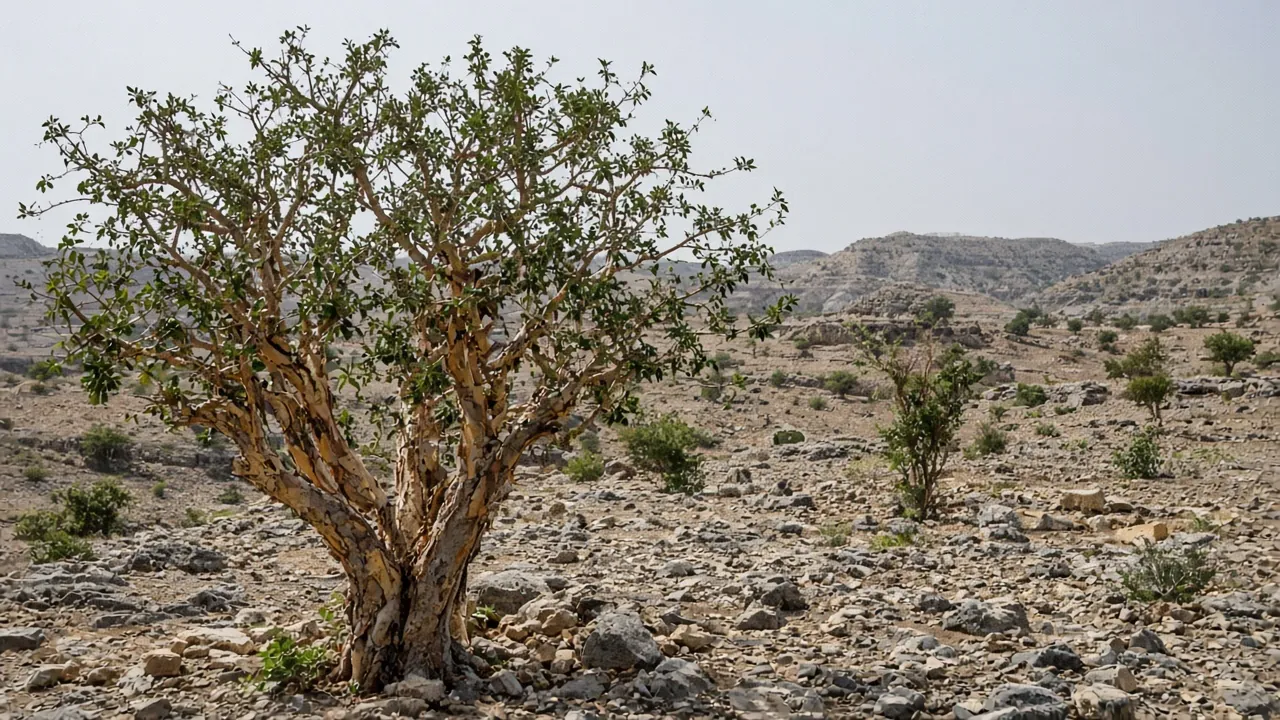
Salalah is the civic heart of Dhofar, a spreading, low city on Oman's southern coast, famous for a climate the rest of the country does not share. In the khareef, the summer monsoon, the hills behind the city turn briefly green, mist sits on the ridges, and visitors from the Gulf come for the cool. For the rest of the year the light is harder, the beaches run long and pale, and frankincense — still gathered in the dry hinterland — remains the scent and the story of the place.
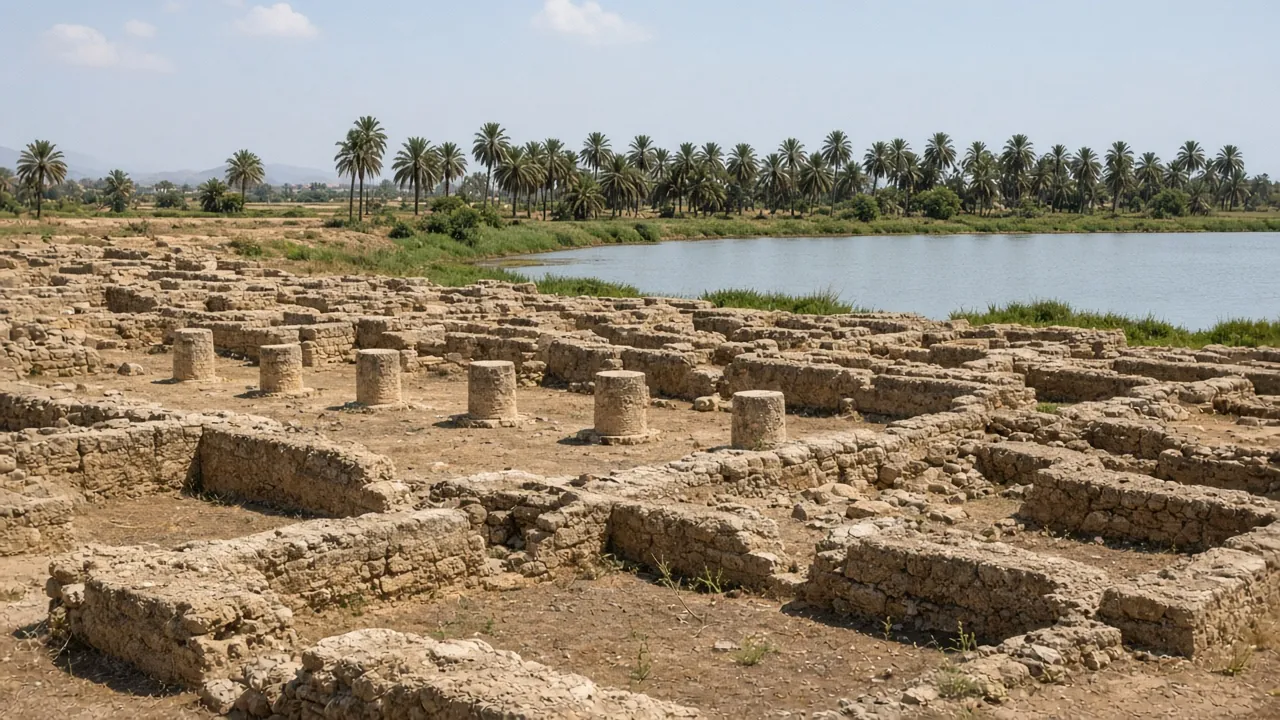
Ships use the Port of Salalah at Raysut, a major container harbour west of the city. The drive to the centre or to the older shoreline at Al Haffa is typically around twenty minutes, and a shuttle or a taxi is the usual first move; this is not a walk-off port. The last ride back through a working dock belongs in the same plan as the morning out. Al Balid, the archaeological park of the medieval city of Zafar, sits close to the modern shore and is one of the more rewarding near sites if you want history without a long mountain road.
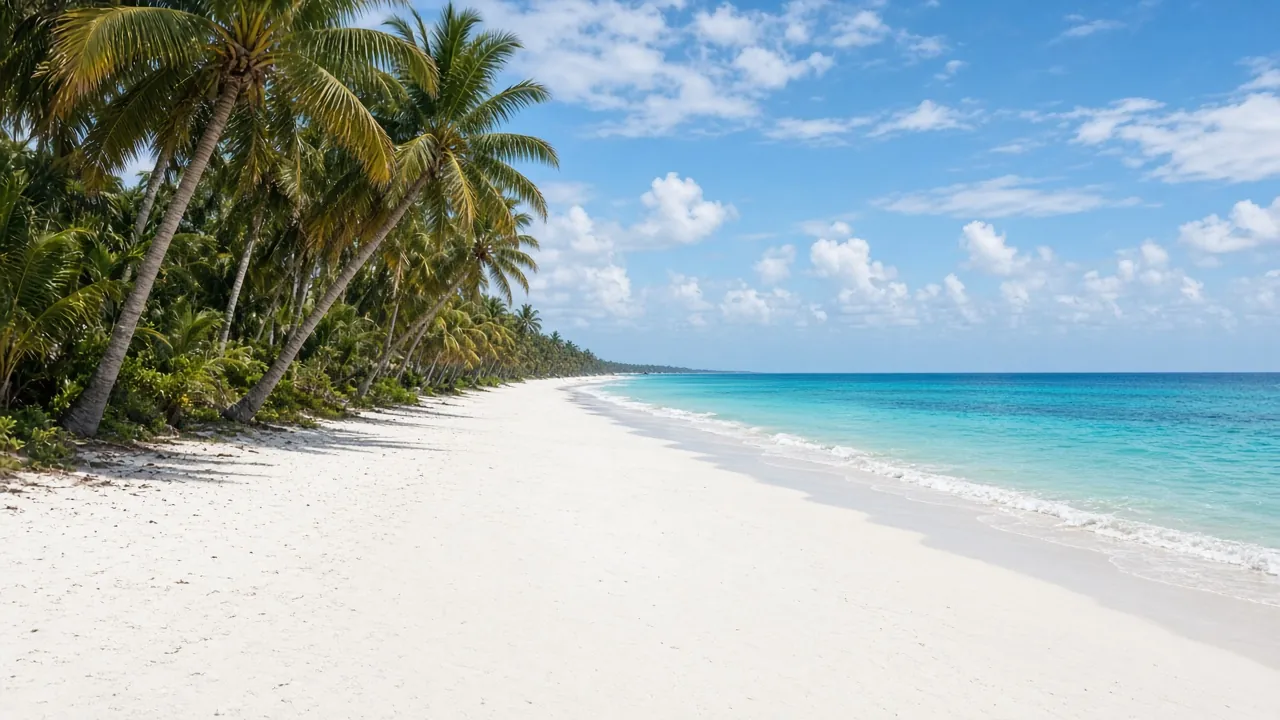
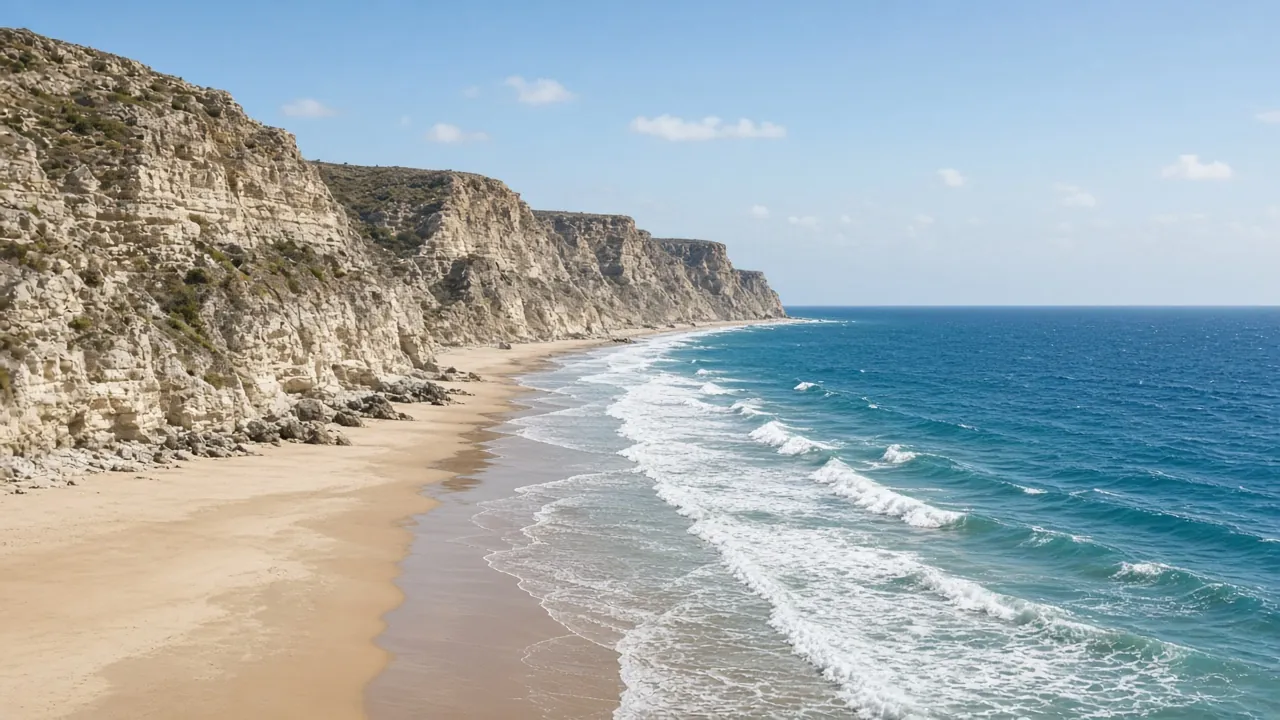
The older coconut-grove shoreline and the beaches east and west of the city are the other close pleasures. The incense lands and the high, green escarpment are farther and slower, and they need a proper tour rather than a spare hour. Empty quarter roads and the border country beyond do not belong in a harbour afternoon. A day that holds to the city, Al Balid and one stretch of beach will already feel like Dhofar, especially if the khareef is in and the air has changed.
Food here leans on fish, coconut, and the slightly different spice of the southern coast; it is Omani, but it is not quite the food of Muscat. English is used in the harbour trade and the hotels; Arabic is the language of the town. The heat, outside the monsoon, is serious, and shade is uneven along the water.
Salalah is not a smaller Muscat. The capital lies a long flight or a very long road to the north, and the two coasts do not substitute for each other. Treat this landing as its own place, leave time for the transfer back to Raysut, and let the day be about this southern shore.
The Port of Salalah is one of the Arabian Sea's major container harbours, and the docks at Raysut have the character of a working trade shore, not a promenade. Coaches and taxis gather at the gate; the road into the city is straightforward once you are on it, but it still uses a slice of the clock at both ends of the day. If the khareef is in, the hills may be wet and the views misty; if it is not, the same hills are bare and the beaches are the clearer pleasure. Either way, the return to the container port should be left with a margin, and the ship should be treated as a harbour appointment, not a flexible hotel at the end of a loose afternoon.
Port landmarks
Shore Excursions
- Salalah Hiking Tour 1 – 9 h
- Salalah City Half Day Tour – 4 h
- Salalah – Hiking Tour 2 Most Beautiful Valley In Dhofar – 9 h
- Omani Madhbi Lunch Tour Above The Green Mountains – 9 h
- Salalah East Tour – 9 h
- Salalah Shopping And Entertainments – 9 h
- Salalah Hiking Tour 3 Most Beautiful Valley In Dhofar & Waterfall – 9 h