Sag Harbor, United States
Ports
Home • Ports • America • United States • Sag Harbor
About Sag Harbor
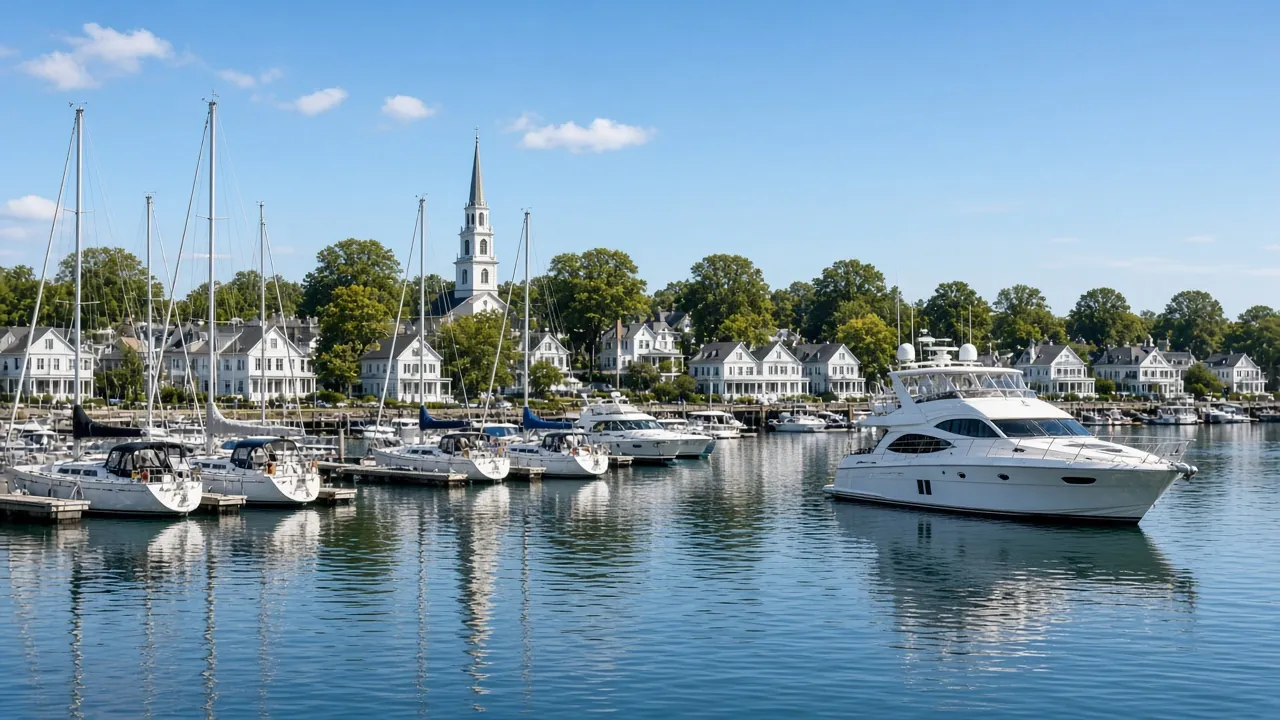
Sag Harbor is a small historic port village on the South Fork of Long Island, a former whaling harbour of tight streets, a long wharf and a sheltered bay. It is not a deep-water landing for large ocean ships; smaller vessels may use the harbour, and any visit from a larger berth elsewhere is a long outing, not a short ride from Newport, Rhode Island, which is a different harbour across the water and has its own page. This page is the village itself. The wharf, the main street and the quiet lanes will fill a short day. Leave time for the return to the ship you actually used.
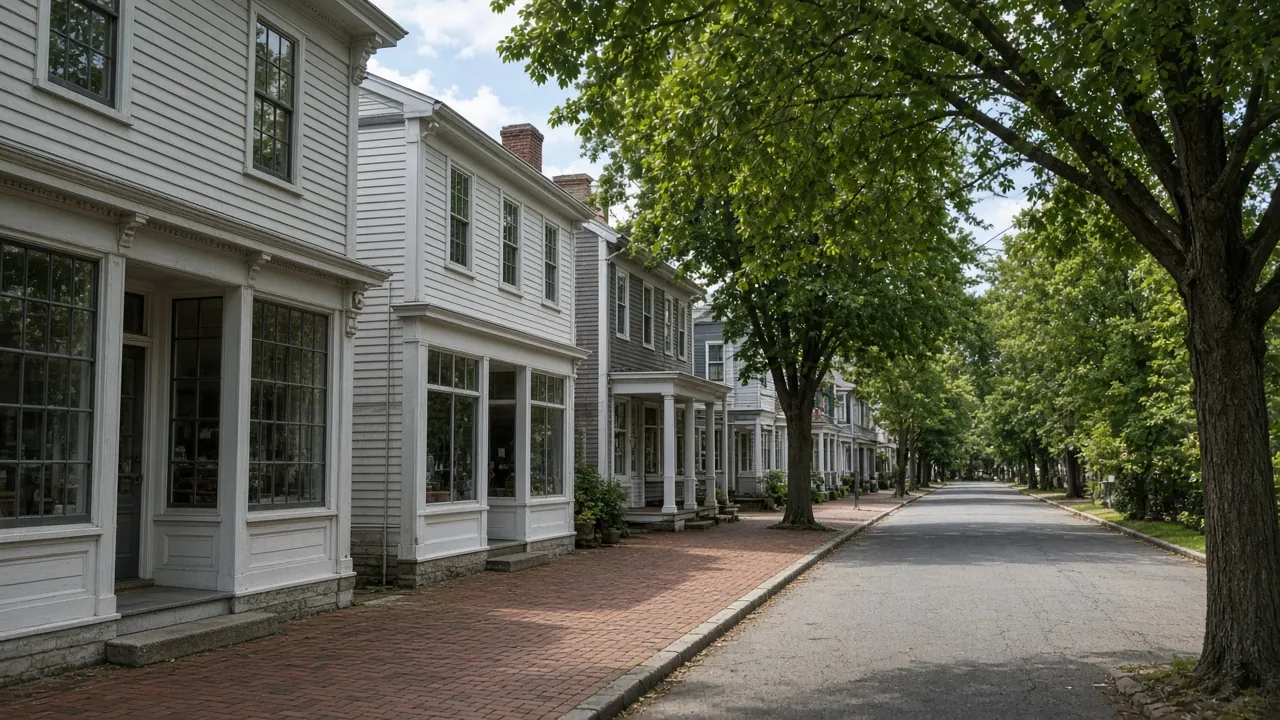
Sag Harbor is a small historic port village on the South Fork of Long Island, a former whaling harbour of tight streets, a long wharf and a sheltered bay. The village is compact and walkable: Main Street, a custom house, a whaling museum, and a harbour that still holds working and visiting boats, with a scale that has more in common with a New England port than with a deep-water cruise terminal.
It is not a deep-water landing for large ocean ships. Smaller vessels may use the harbour, and any visit from a larger berth elsewhere is a long outing. Newport, Rhode Island, which some catalogues list in the same breath, is a different harbour across the water, hours away by road or by a combination of ferries, and it has its own page. This page is the village itself. Confirm how you are actually arriving; the last return is to the ship you used, not to Long Wharf by assumption.
The wharf, the main street and the quiet lanes will fill a short day. The Sag Harbor Whaling Museum and the old Custom House give the village its earlier story, and the harbour walk is the right way to see the water. East Hampton and Southampton are nearby towns, each with its own centre, and one of them is enough if you have a car and a clear margin. Shelter Island sits a short ferry ride away and is a quieter, greener outing if the hours allow. Montauk, at the end of the South Fork, is farther and will use most of a call.
The light on the bay is often soft, and the village is busy on summer weekends. Services are those of a small, well-visited town, not of a large port. Leave time for the return to the ship you actually used, not to a wharf bench or a neighbouring village that is not your landing.
The village has a summer season and a quieter one; on a midweek shoulder-season call the streets can feel almost private, and on a July weekend they fill. Parking, if you have come by car from another landing, is tighter than the map suggests. The harbour is shallow at the edges, and the long wharf is the public walking place, not a deep-water pier for a large ship. A meal on Main Street and a loop of the water are enough; the South Fork rewards people who do not try to collect every famous village in a single afternoon.
Port landmarks