Rouen, France
Ports
Home • Ports • Europe • France • Rouen
About Rouen
Rouen stands on the Seine in Normandy, well inland of the later deep-water port of Le Havre, a historic river city rather than a Channel seaport. Some seagoing ships can come up the river, with size limits, and land at later quays a short way from the old town; others visit Rouen by road or rail from Le Havre. Check how you are arriving. The civic heart is the Gothic cathedral, the Gros-Horloge and a walkable historic centre. This page is Rouen. It is not Le Havre, and it is not Honfleur, and Paris is another journey again.
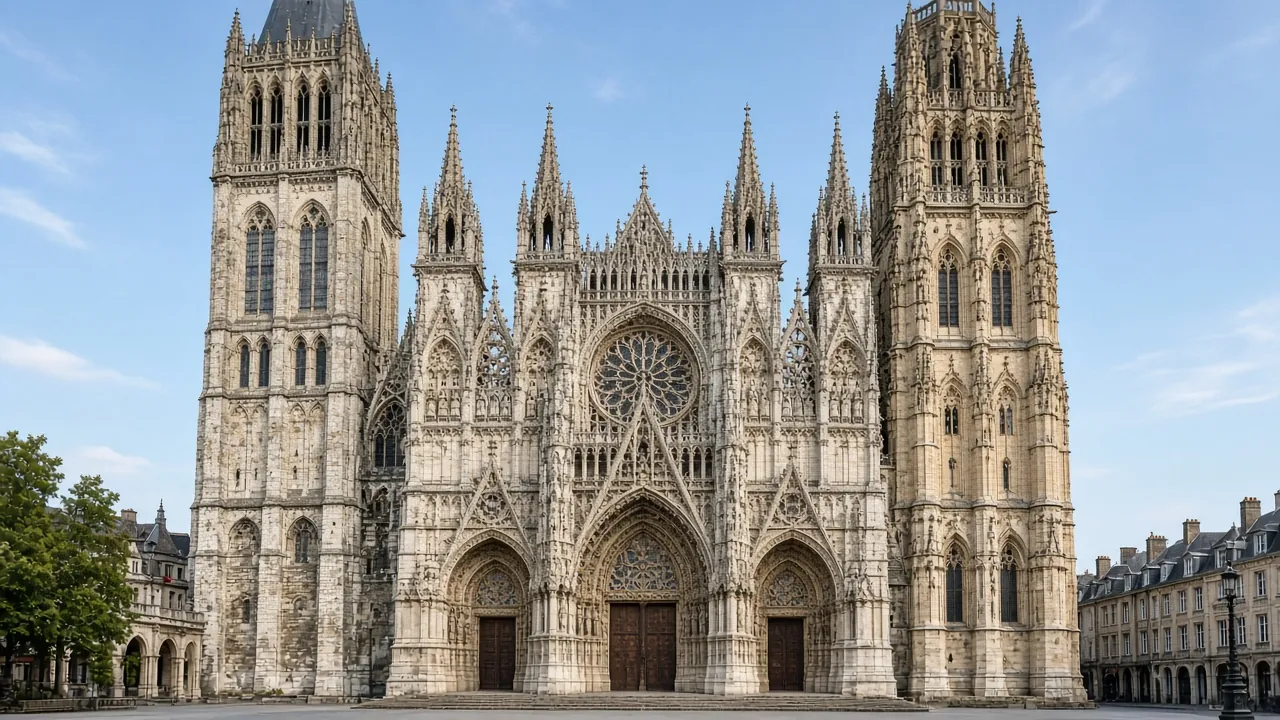
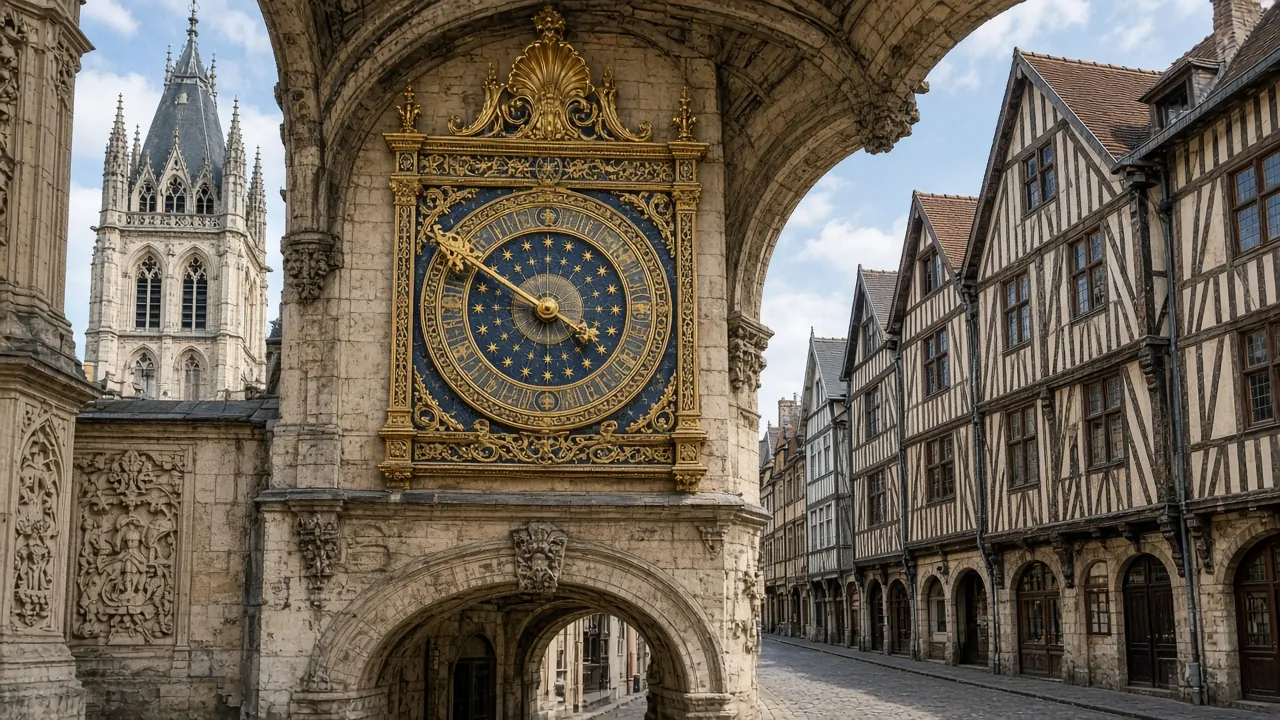
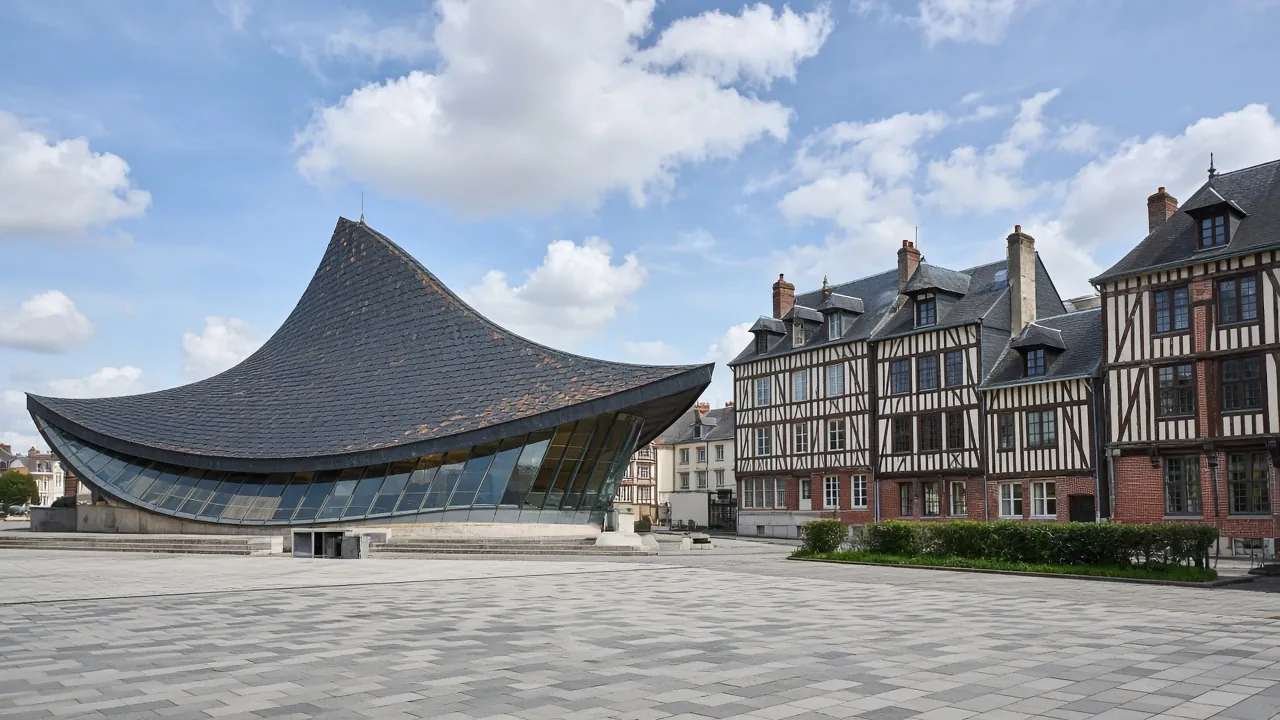
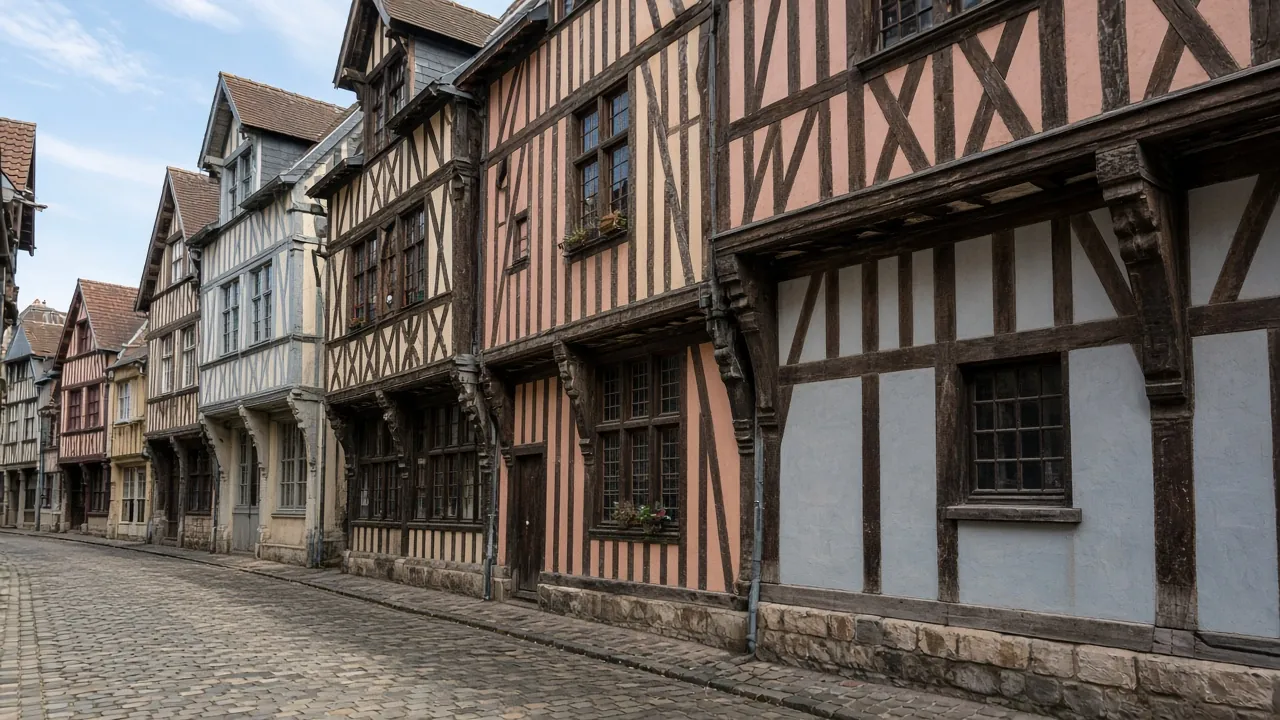
The civic heart is the old town on the right bank: the Gothic cathedral that Monet painted in series, the Gros-Horloge, a walkable centre of later timber and stone, and the modern church on the site associated with Joan of Arc. You can spend a first day here without leaving the historic core. The river is a working, tidal waterway, not a decorative basin, and the later quays are part of a commercial city as well as a landing. The cathedral interior and one museum will add a layer if you want one; you do not need a second itinerary.
This page is Rouen, well inland of Le Havre and distinct from Honfleur, each of which has its own harbour page. If you have come up the Seine on the ship, the city is the visit. If you have come overland from Le Havre, the transfer must be built both ways and will take a good part of the clock. Paris is another journey again and belongs only to a long stay, not to a short river call. The Seine valley abbeys are a outing you set time aside for, not a last-hour addition.
The food is Norman and civic: later rooms in the old town, a dense lunch culture, markets. Eat in the centre. The streets can be busy when ships and coaches are in; a slightly earlier or later circuit will be more comfortable.
Some seagoing ships can come up the river, with size limits, and land at later quays a short way from the old town. Others never leave the deep-water port at Le Havre. Check how you are arriving, and do not assume a walk-off from every ship that prints the name Rouen. The last return to the quay or to the transfer is worth leaving time for. A first day in the cathedral streets is a complete visit to this Norman capital. A first day that tries to collect Paris, the coast and every abbey will be spent in transit. Come back earlier than you think you need. The west front of the cathedral, seen slowly in this river light, is the image you will take away. If you came from Le Havre, leave time for the last transfer. The river light on the cathedral stone changes through the day, and a slow circuit is better than a second destination. If you came up from the coast, put the last train or coach in the plan before you enter the old town.
Port landmarks
Shore Excursions
- Private Driver: Normandy from La Roche Guyon – 4 h 30 min
- Private Guide and Driver in Paris / Shared Bus Transfer From Le Havre Port – 10 h
- From Cherbourg: Private D-Day Beaches Shore Excursion – 8 h
- Mont Saint Michel Shore Excursion from Le Havre Port with Lunch – 10 h
- Paris On Your Own: Round Trip Transfer From Le Havre Cruise Port – 10 h
- D-Day Landing Beaches Shore Excursion with Packed Lunch from Le Havre – 10 h
- Normandy D-Day Beaches Private Shore Excursion from Le Havre – 10 h
- Icons of Paris Tour from Le Havre – 10 h
- Breathtaking Honfleur and Deauville Shore Excursion from Le Havre – 6 h
- Customized Private D-day Normandy Landing Tour from Le Havre – 10 h
- From Honfleur: Private Normandy D-Day Beaches Shore Excursion – 9 h
- Private Guided Paris Shore Excursion From Le Havre Port – 10 h