Quebec City, Canada
Ports
Home • Ports • America • Canada • Quebec City
See all 3 tours in Quebec City
About Quebec City
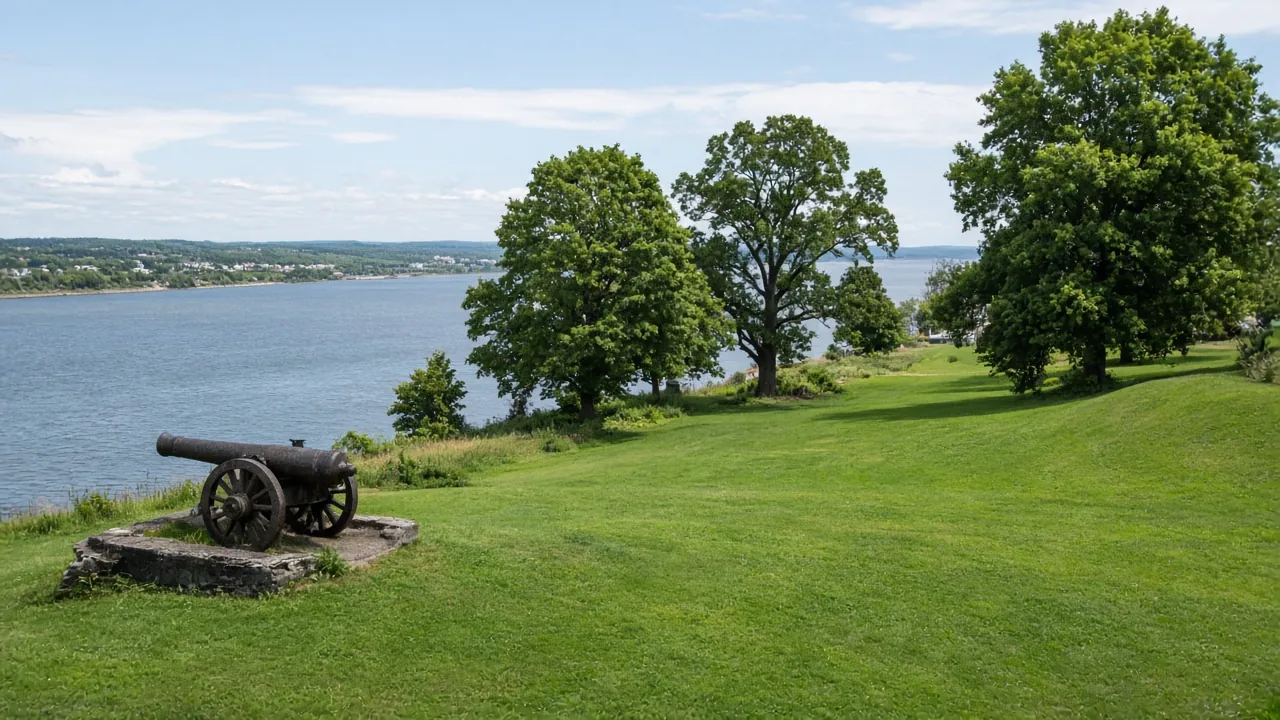
Quebec City is the capital of the province of Quebec, a walled city on a cliff above the Saint Lawrence, and the historic heart of French Canada, founded by Samuel de Champlain in 1608. Old Québec, a UNESCO site, divides into a Lower Town around Place Royale and Petit-Champlain and an Upper Town of walls, the Citadelle and the Château Frontenac. Most ships berth at the Ross Gaudreault terminal at Pointe-à-Carcy, a short walk from Petit-Champlain; some larger ships use a slightly further quay, with a port shuttle in season. The climb to the Upper Town is steep; a funicular also links the two levels.
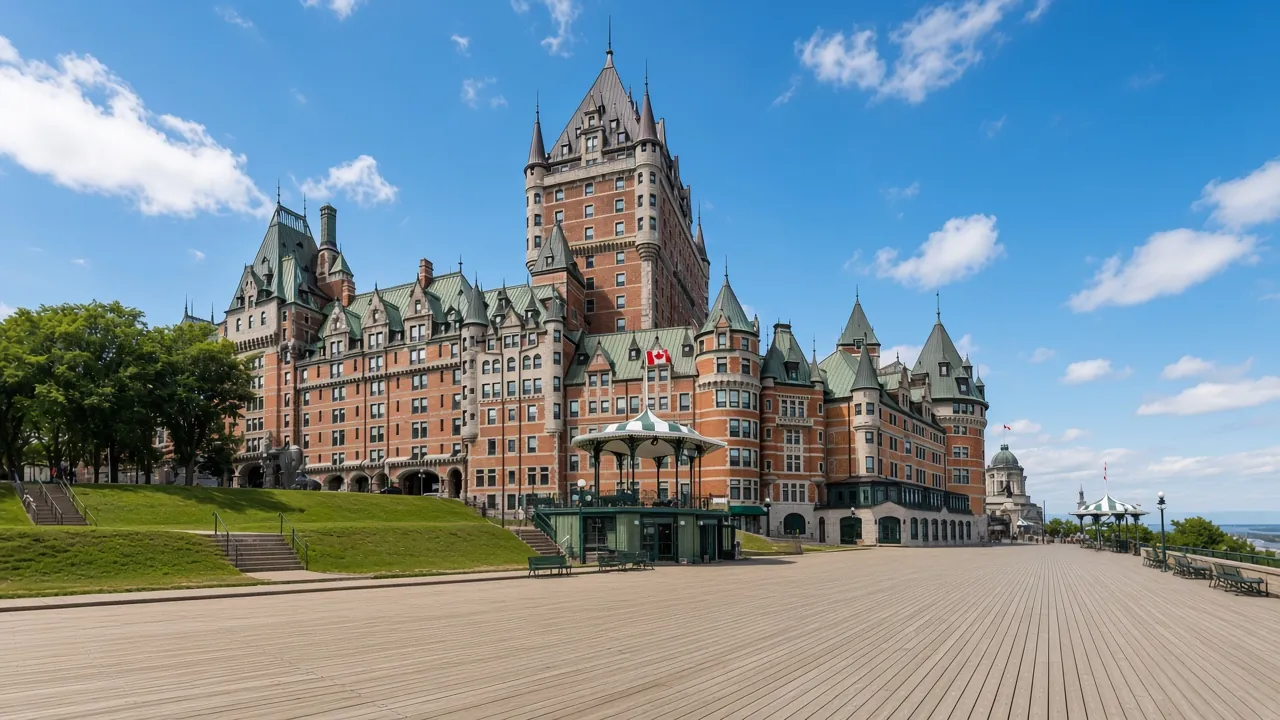
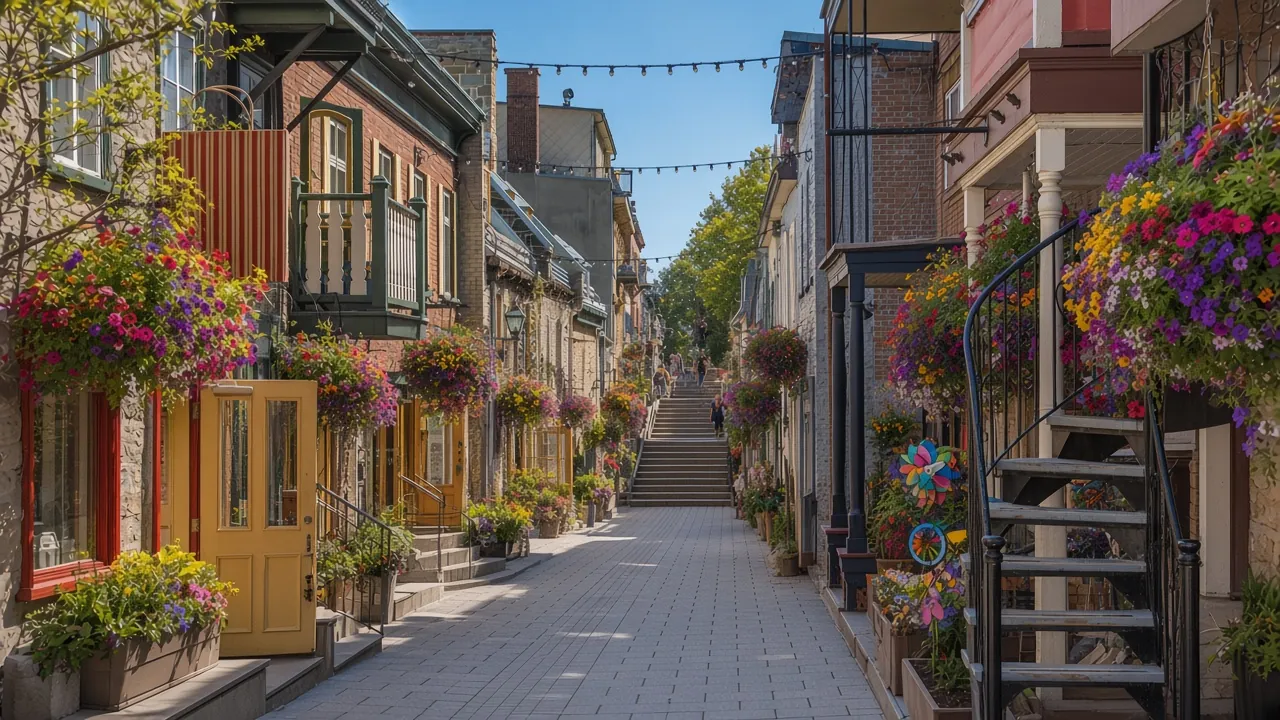
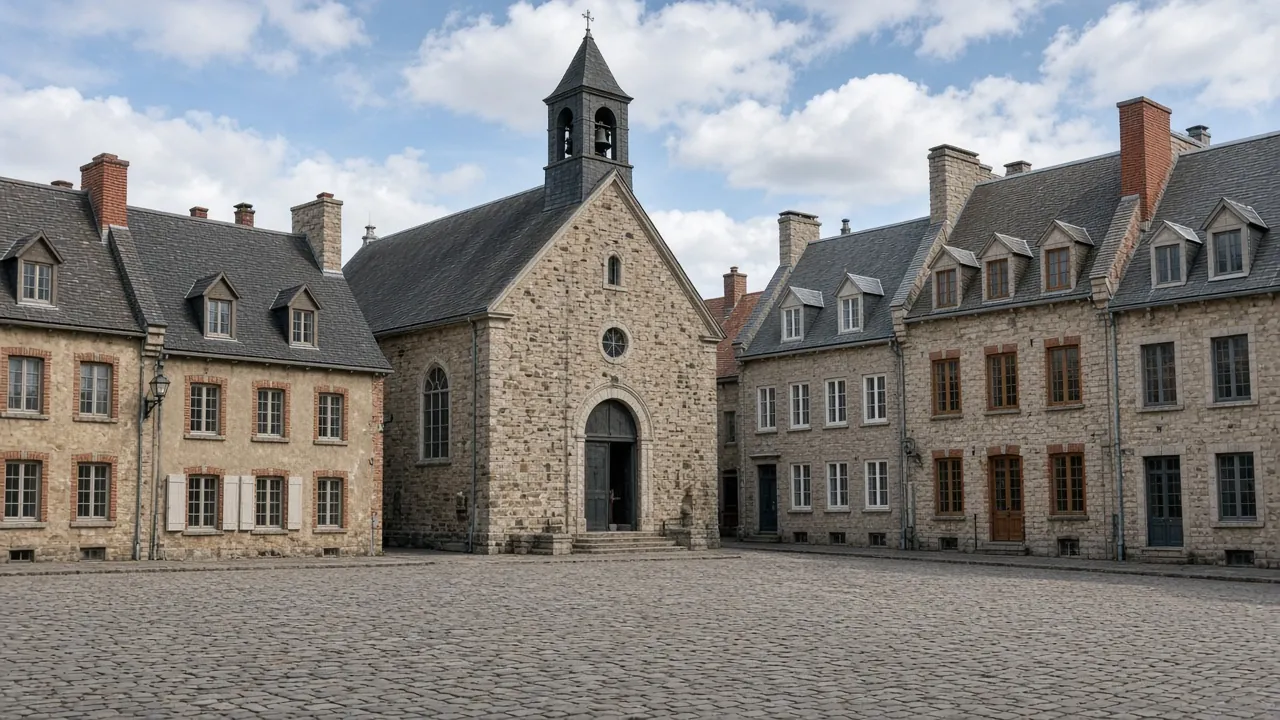
Place Royale, in the Lower Town, is the site of Champlain's early settlement, a small square of stone houses and the church of Notre-Dame-des-Victoires, at the foot of the cliff. From here the narrow streets of Petit-Champlain run along the base of the rock, a tourist quarter now, but still the right first walk from the terminal: cobbles, low buildings, and the sense of a city stacked on a headland. A steep stair, a winding street or the funicular takes you up to the Upper Town, where the walls, the Château Frontenac — a great railway hotel that has become the city's silhouette — and the Citadelle organise a second, larger historic landscape. Dufferin Terrace, the boardwalk in front of the hotel, looks down the river and over the Lower Town, and is one of the simplest, best views in the city.
Old Québec is a UNESCO World Heritage site, and it is unusually complete for North America: a walled city, a real cliff, a lower and an upper town, and a civic life that is not only a museum. The Parliament Building of the province sits just outside the walls; the Plains of Abraham, a battlefield park, stretch beyond. You can walk for hours without leaving the historic area. Food is French-Canadian and contemporary: cafés, bistros, maple and hearty cooking, and a denser restaurant scene than many cities of this size. Lunch in the Lower Town is convenient if you have come from the ship; the Upper Town has at least as many rooms if you have already climbed.
Most ships berth at the Ross Gaudreault terminal at Pointe-à-Carcy, a short walk from Petit-Champlain and Place Royale. Some larger ships use a slightly further quay along the same waterfront, with a port shuttle in season; even then the historic city is close. The one effort that is not optional to understand is the climb: the Upper Town sits on a rock. Take the funicular if you prefer, wear decent shoes, and do not try to see the walls, the hotel, the citadel, the plains and a long lunch at a sprint. A first day that does the Lower Town thoroughly and the terrace above is already a full visit. The river and the cliffs will do the rest of the work. Petit-Champlain is often described as one of the oldest commercial streets in North America; it is also one of the busiest on a summer ship day, so an early or a slightly later walk is the more comfortable one. In the Upper Town, even a short stretch of the walls or a circuit around the hotel and the terrace will give you the fortress-city in a way no single interior can. The weather on the cliff can be colder and windier than at the terminal; bring a layer.
Port landmarks