Civitavecchia, Italy
Ports
Home • Ports • Europe • Italy • Civitavecchia
See all 104 tours in Civitavecchia
About Civitavecchia
Rome is the reason most cruise passengers leave this quay: the Colosseum and the Roman Forum, St Peter's Basilica and a historic centre that cannot be rushed. Those monuments are a full day's excursion, not a casual outing, and tickets repay planning before you leave the ship. Cruise ships that advertise Rome almost always berth at Civitavecchia, about eighty kilometres from the city. Trains run to Roma Termini. The journey is typically an hour to an hour and a half each way, so plan the return backwards from all-aboard.
Once you are in Rome, a first visit usually turns on a few monuments that are close enough to combine if you are realistic, and far enough apart that you should not treat them as consecutive rooms in a single museum.
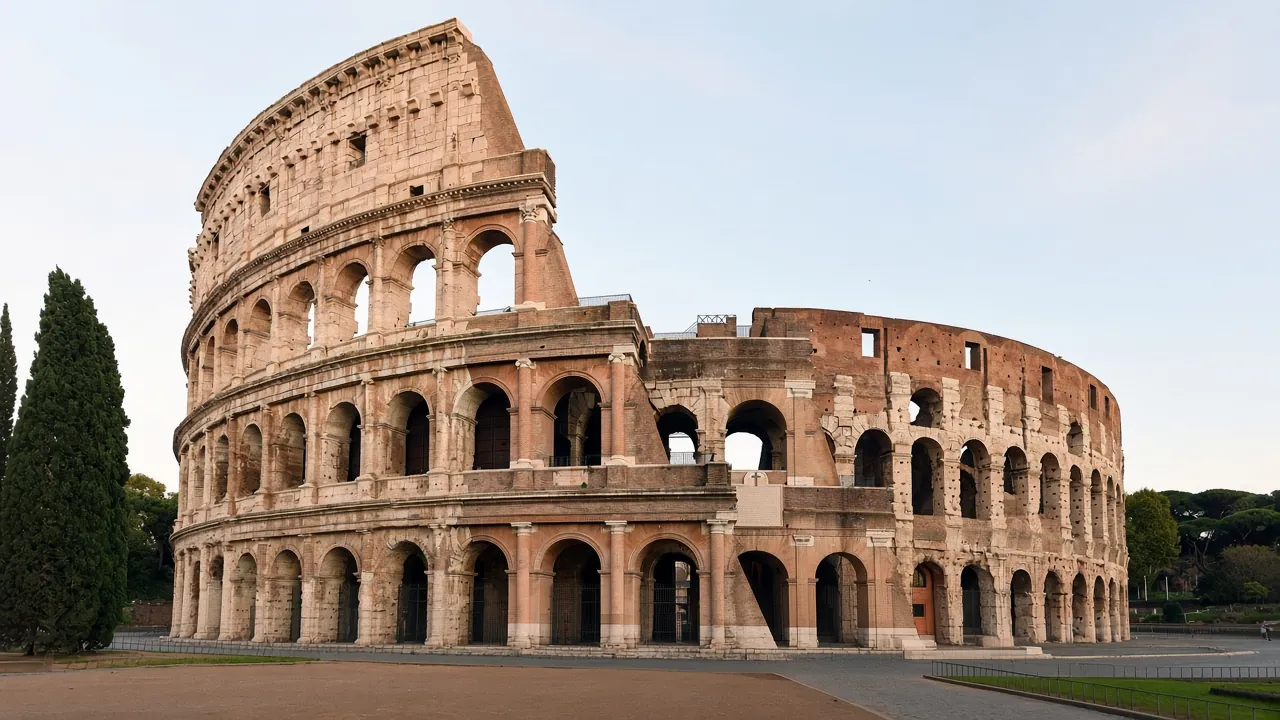
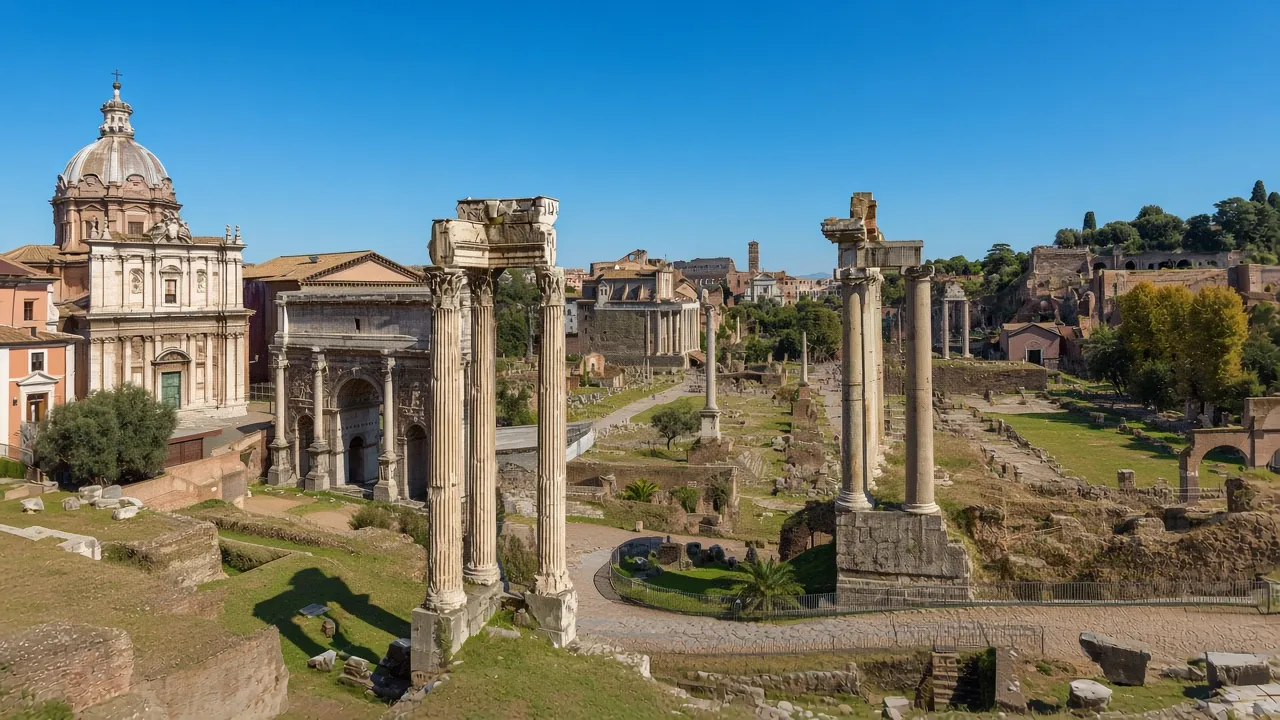
Once you are in Rome, a first visit usually turns on a few monuments that are close enough to combine if you are realistic. The Colosseum, the great amphitheatre of arched travertine, is the natural starting point for many people, and the Roman Forum lies beside it: columns, temple ruins and the excavated valley between the Palatine and the Capitoline. Together they are a morning, not a quick photograph. Tickets and timing for the Colosseum should be arranged before you leave the ship if you can, because queues consume the hours you thought you had for the Forum.
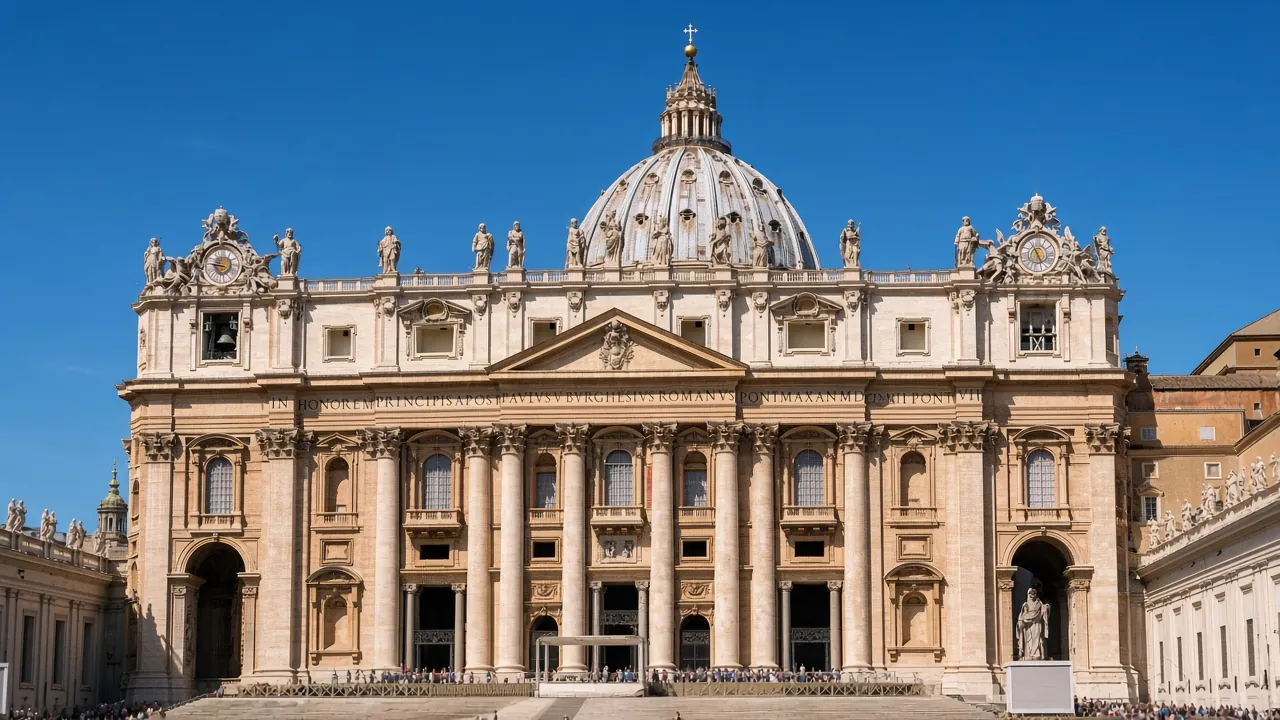
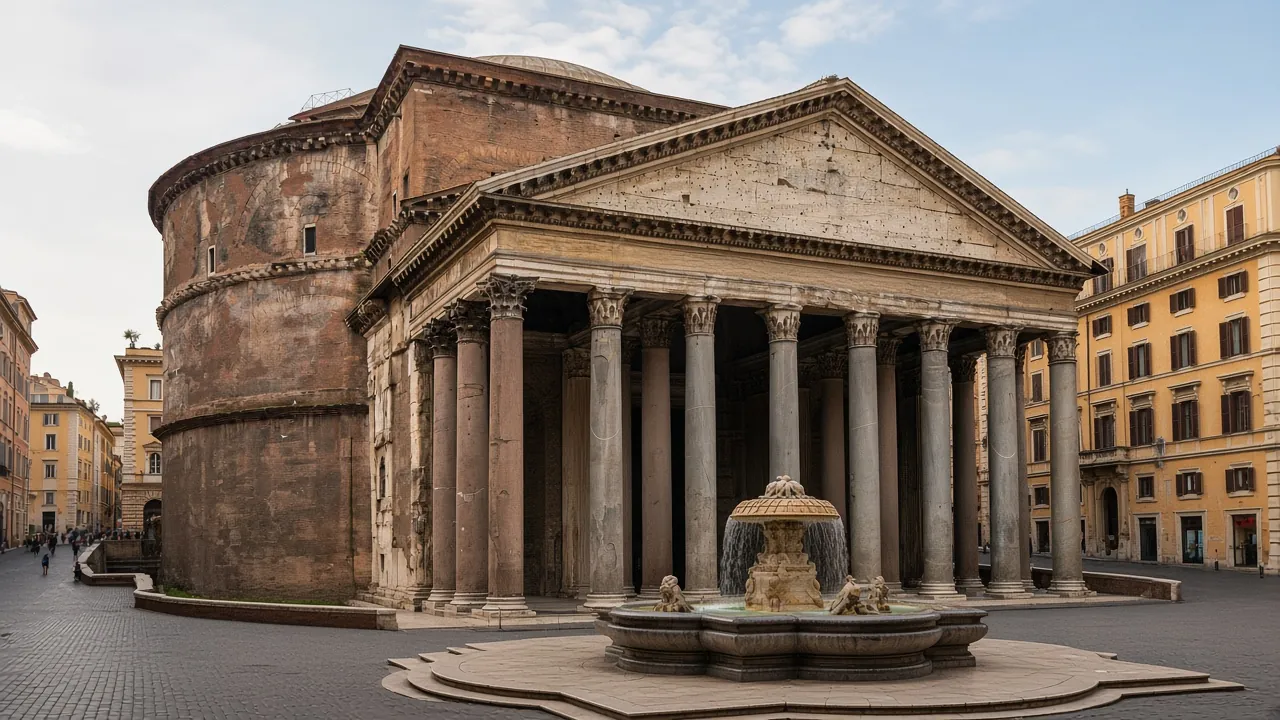
Across the river, St Peter's Basilica in Vatican City presents a different scale: Michelangelo's dome, the wide facade and the square. It is a journey in itself, and you will not do it justice if you also try to linger at every ruin in the Forum. The Pantheon, in the historic centre, is a more compact stop: the portico, the pediment and the concrete dome on a paved piazza with a fountain, close to other streets you may already be walking. A practical first circuit is the Colosseum and the Forum, then either the Pantheon and the centre or St Peter's, not all of them at a run.
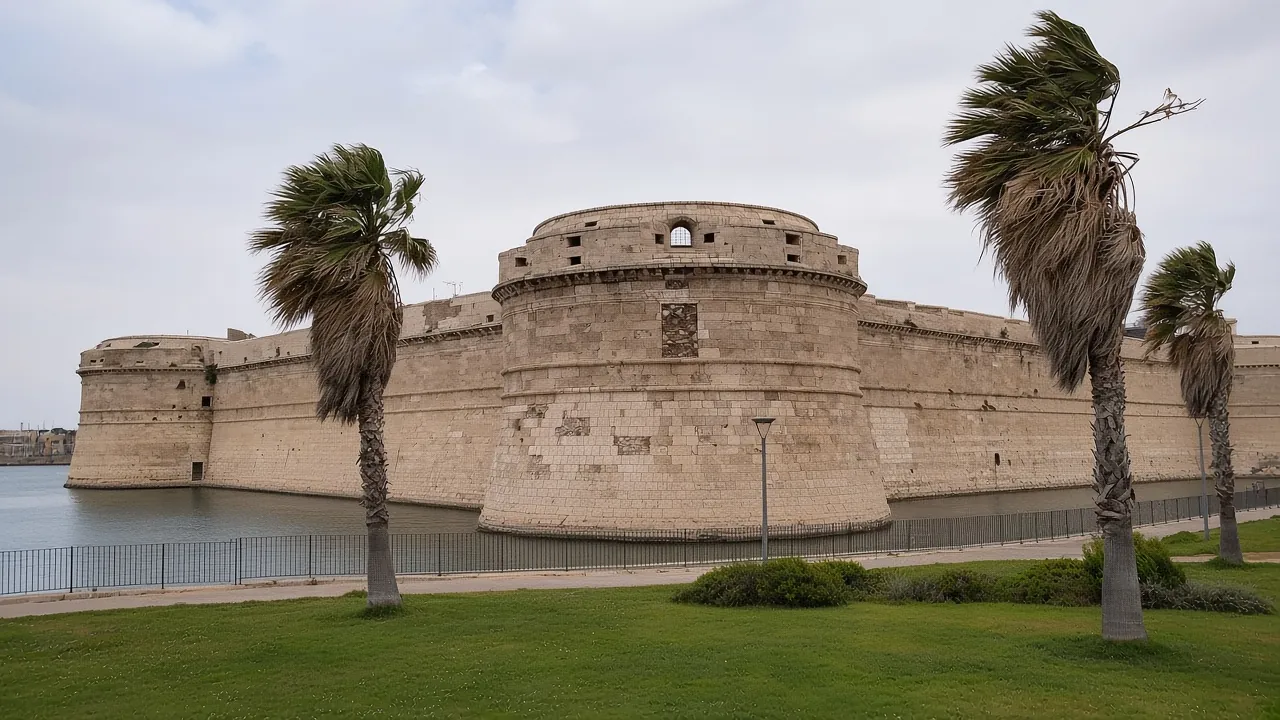
If you stay in Civitavecchia instead of going to Rome, the harbour has its own landmark: Forte Michelangelo, the sixteenth-century octagonal fortress by the water. It is close to the port and a calmer alternative if you have already seen the city, or if the transfer time would leave you only a hurried hour in Rome. Do not attempt Rome and a long walk in Civitavecchia in the same call.
A practical plan is an early start for Rome, a focused list of two areas, and a return to the terminal with more time in hand than you think you need. The distances on a city map look modest; the combination of crowds, heat in summer and the long transfer does not. Italian is the language of the street; English is common at the main sites. The currency is the euro, and cards are widely accepted. Comfortable shoes, water and a close watch on the clock matter more here than almost anywhere else on a western Mediterranean itinerary.
Port landmarks
Shore Excursions
See all tours in Civitavecchia
- Private Personal Rome Travel Photographer for up to 3-Hours – 3 h
- Civitavecchia Cultural Walk and Food Sampling – 3 h
- Unexpected Rome: Cycling Villa Borghese to Villa Ada – 3 h 30 min
- Rome: Street Food and Market E-Bike Tour – 3 h 30 min
- Small Group Rome: A Walk Down History Lane – 2 h
- City Sightseeing Hop On Hop Off Rome – Flexible · valid 24 h
- Private Shore Excursion: Visit to Rome with Private Driver – 8 h
- Private Colosseum and Ancient Rome Tour – 2 h 45 min
- Private Tour of the Colosseum Arena, Roman Forum, & Palatine Hill – 2 h 30 min
- Panoramic Rome by Night Golf Cart Tour with Prosecco & Pick-Up – 2 h
- Private Transfer Florence to Rome via Chianti Wine Country – 6 h
- Pantheon Timeless Marvel Guided Tour with Entry Tickets – 45 min
- VIP Rome Private Tour For Cruise Passengers With Private Transportation – 9 h
- Underground Rome Catacombs Tour with Aqueducts & Appian Way – 3 h 15 min
- Private Catacombs and Crypts Shore Excursion from Civitavecchia – 7 h 30 min
- Shore Excursion from Civitavecchia to Rome: Colosseum & Vatican + Lunch – 9 h
- All Rome in 1 Day: Colosseum, Vatican, Squares, Luxury Car, Tickets & Lunch – 7 h
- Premium Colosseum Tour with Roman Forum & Palatine Hill – 3 h
- Rome: Highlights of Rome Guided Bike & E-Bike Tour – 3 h
- Rome Private Combo Tour: Colosseum & Vatican, Car, Guide,Tickets, Lunch – 6 h 30 min
- Shore Excursion From Civitavecchia Best Of Rome And Vatican – 8 h
- Big Bus Rome Discover - Hop On Hop Off Bus Ticket - 24 Hours – Flexible · valid 24 h
- Private Trastevere Food Tour from Civitavecchia Port – 7 h 30 min
- Private Transfer Florence to Rome via Siena – 6 h
- Proposal Photographer in Rome – 2 h
- Rome at Night Bike Tour with Wine Stop – 3 h 30 min
- Appia Antica & Catacombs by ebike: Guided Tour w/ Private Transfer – 4 h 30 min
- Colosseum, Roman Forum & Trastevere Lunch Shore Excursion – 8 h
- Roman Cooking Experience: Pizza Ravioli & Gelato Masterclass with Wine – 3 h
- Rome Guided Food Market Tour with Authentic Trattoria Tastings – 2 h
- Top of Rome Experience: Shore Excursion From Civitavecchia – 8 h
- Exclusive Colosseum, Forum & Palatine Hill: Curated Guided Tour – 2 h 30 min
- Private Rome Shore Excursion from Civitavecchia – 7 h
- Rome Aperitivo Food Tour: Street Food, Beer & Wine – 3 h 30 min
- Vatican and Colosseum Private Tour from the Civitavecchia Cruise Port – 8 h
- Exclusive 6-Hr Tour of Rome in Golf Cart for Cruisers – 6 h
- Big Bus Rome Essential - 2 Day Hop On Hop Off Bus Ticket – Flexible · valid 2 days
- Colosseum Arena Floor or Underground Small Group Guided Tour – 2 h
- Private Heart of Rome Tour – 2 h 30 min
- Private Rome to Tivoli Shore Excursion – 9 h