Rio de Janeiro, Brazil
Ports
Home • Ports • America • Brazil • Rio de Janeiro
See all 26 tours in Rio de Janeiro
About Rio de Janeiro
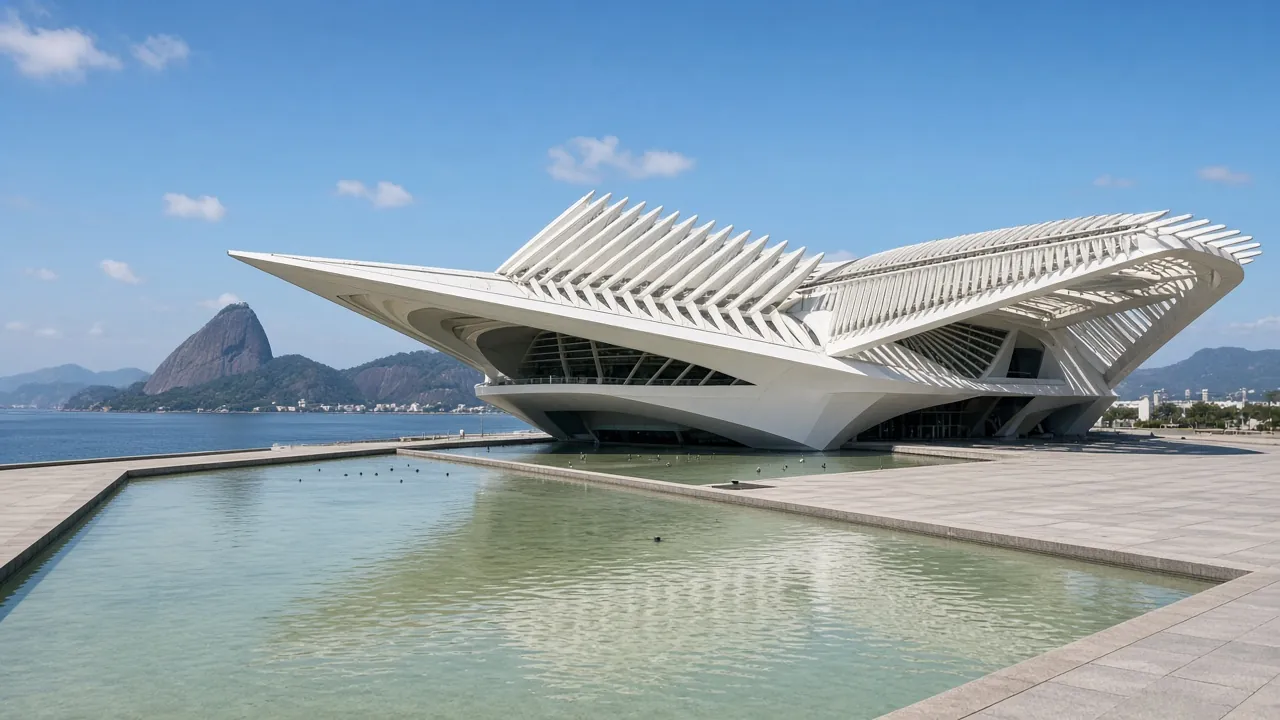
Rio de Janeiro, a former capital of Brazil, is a city of granite peaks, beaches and a dense centre on Guanabara Bay, known at once for Christ the Redeemer on Corcovado, Sugarloaf Mountain and the long arcs of Copacabana and Ipanema. Santa Teresa and the older streets of the Centro, including the Theatro Municipal, repay time away from the shoreline; the port area around Praça Mauá now holds the Museum of Tomorrow. Cruise ships usually berth at Pier Mauá, close to that renewed waterfront and a short ride from the historic Centro. The south-zone beaches and the two famous peaks need transport and, often, a timed ticket; they are not a casual walk from the ship.
The two famous peaks organise the map, but they are not the only city. Christ the Redeemer stands on Corcovado, in the Tijuca forest, a statue you reach by road or by the rack railway, with a wide view that is worth the journey if the cloud is not sitting on the summit. Sugarloaf, at the mouth of Guanabara Bay, is a separate outing, two cable cars and a lower and upper rock, equally dependent on visibility and on queues. Both need tickets, transport and time; neither is a walk from the ship. A first day that tries to do both peaks, a beach and the old centre will be spent in traffic.
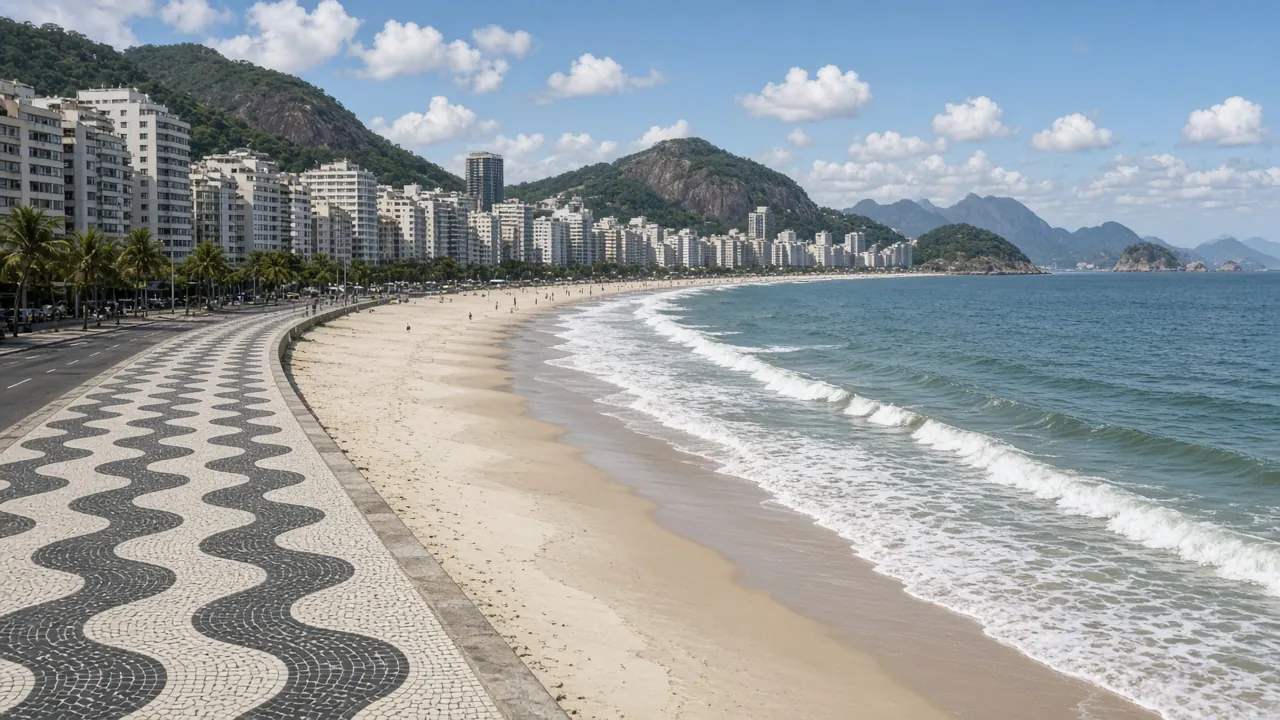
The Centro still holds a serious historic city: the Theatro Municipal, the old boulevards, churches, and, a little up the hill, the tiled terraces of Santa Teresa, a neighbourhood of trams, old houses and views. Around Praça Mauá, the port area has been remade, with the Museum of Tomorrow as its most visible new landmark, close to where many ships berth. Copacabana and Ipanema, in the south zone, are the beaches of the postcard, long arcs of sand with a mountain backdrop, and they remain a good, simple way to spend a few hours if you want the shore rather than the peaks. They are a ride from the port, not a stroll.
Food is one of Rio's everyday pleasures: juice bars, restaurants of Brazilian and immigrant cooking, churrasco, and a beach culture of snacks and coconut water. Lunch in the Centro or at the beach is easy; a tight peak-and-beach timetable is not the moment for a long meal in a distant neighbourhood.
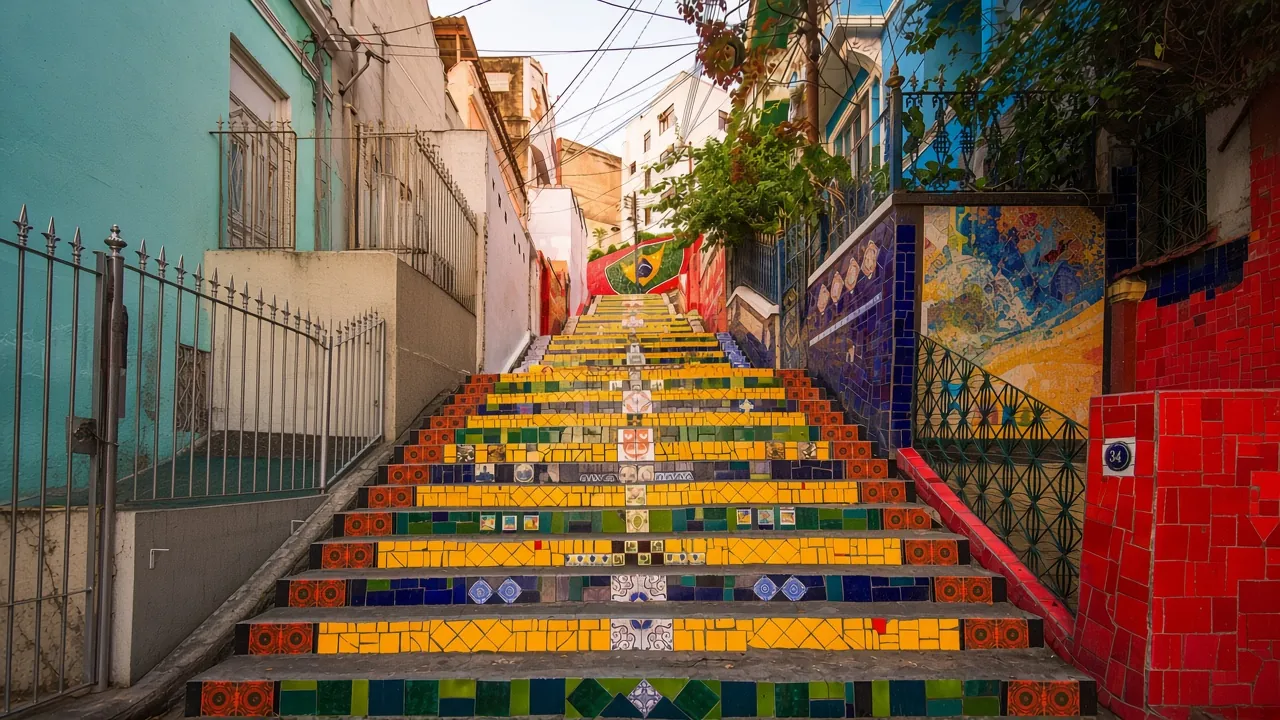
Pier Mauá is close to the renewed port and a short taxi or a determined walk from parts of the Centro. That is the one landing that is kind. From there, choose two things, not five: for example the Museum of Tomorrow and a look at the Centro, or one peak and a later hour at Copacabana, or Santa Teresa and a single viewpoint. Build the return through city traffic into the day, and treat tickets for Corcovado or Sugarloaf as a plan, not a hope at the gate. The city is spectacular and large. It rewards a smaller itinerary more than a complete one. The VLT tram along the renewed port can be a useful, short hop in the Centro and the waterfront if you do not want a taxi for every move. If you are already in the old centre, the Selarón steps in Lapa, a well-known tiled stairway, are a possible extra, but only if you still have a wide margin; they are a photograph and a neighbourhood, not a reason to be late back to Pier Mauá. The city's traffic is the fact that undoes tight plans.
Port landmarks


Shore Excursions
- Tijuca's Peak Hiking Tour + National Park – 5 h
- Eat, Drink, & Discover Copacabana Like a Local — With a Local – 3 h 30 min
- White Water Rafting In Rio: Day Trip To Casimiro De Abreu – 3 h
- Pedra Bonita Hiking Tour – 5 h
- Scuba Diving Rio de Janeiro – 10 h
- Christ The Redeemer Trail x Lage Park – 6 h
- Hiking Excursion in Rio National Park: Pedra Da Gávea Trail – 7 h
- Rafting Tour in Rio De Janeiro – 10 h
- Skip The Line: Hike & Climb to the Top of Sugarloaf Mountain – 4 h
- Favela Tour in Rio – 4 h
- Waterfall Circuit – Tijuca National Park – 5 h
- Tijuca National Park - Ecotour – 5 h
- Rio Fresh Combo: Pedra Do Telégrafo Hike & Wild Beaches – 8 h
- City Tour - Christ Redeemer + Sugar Loaf – 6 h
- Sugar Loaf Hiking Tour – 5 h
- Paragliding in Rio de Janeiro – 3 h
- Outlet Premium Rio De Janeiro Shopping Tour – 6 h
- Pedra Do Telegrafo Hike Tour - (Telegraph’s Rock) – 6 h
- City Tour – Full Day – 7 h
- Ocean Kayaking – 3 h
- Dois Irmaos Hiking and Favela Tour (Two Brothers Hill) – 4 h
- Petropolis City Tour – 10 h
- Scuba Dive in Paradise: Day Trip to Arraial Do Cabo – 10 h
- Pedra Da Gavea Hiking Tour - (Gavea's Rock) – 6 h
- Serra Dos Orgaos National Park – Eco Tour – 8 h
- Surf Lessons in Rio De Janeiro – 1 h