Quito, Ecuador
Ports
Home • Ports • America • Ecuador • Quito
About Quito
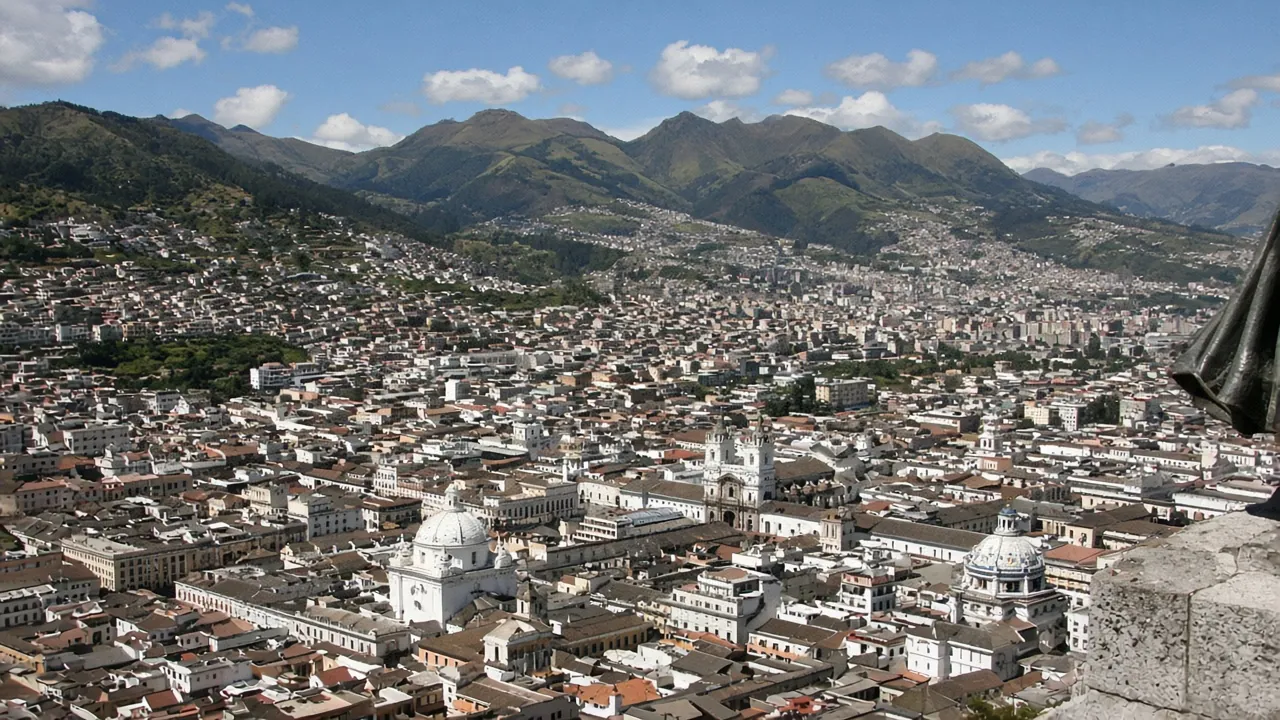
Quito is Ecuador's historic capital, a high Andean city at about 2,850 metres, and it is not a seaport. Cruise passengers would reach it only by a long inland journey from a coastal berth such as Manta — commonly six and a half to eight hours, on the order of 400 kilometres — or from other Pacific harbours. The old town is a UNESCO World Heritage centre of churches, squares and a volcanic horizon. This page is about that city. It is not a realistic outing on a short ship call from the coast.
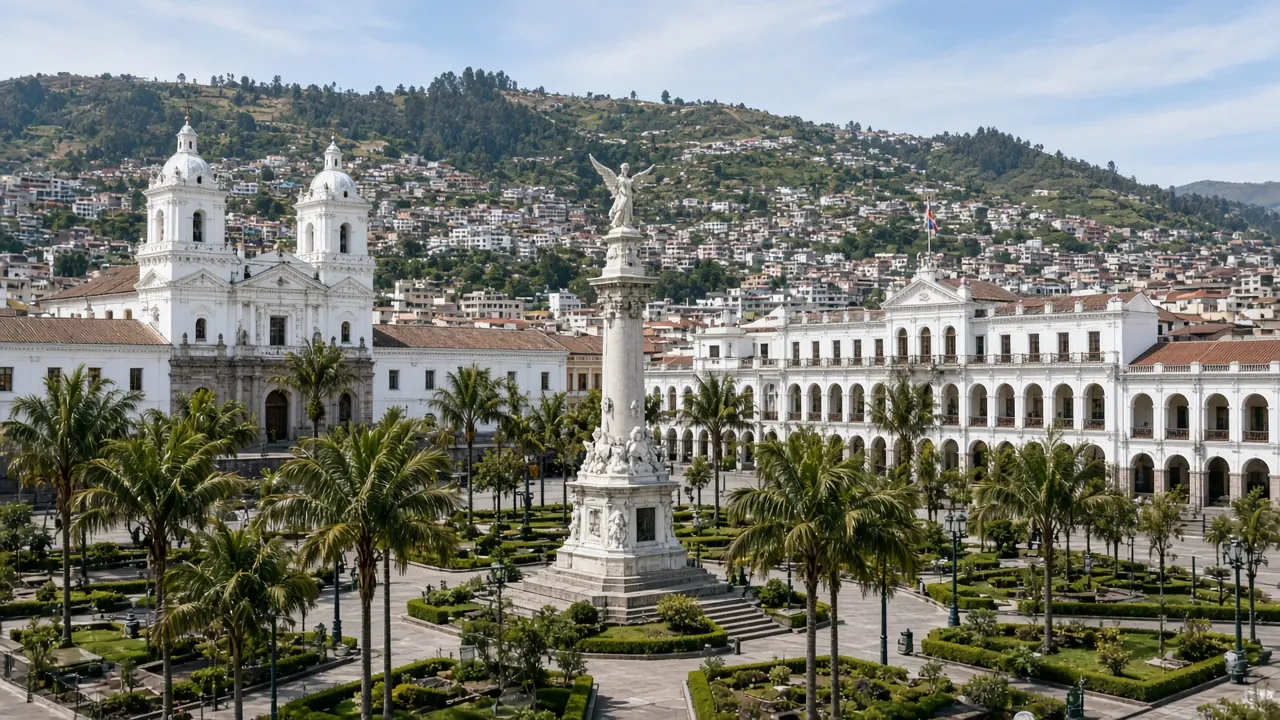
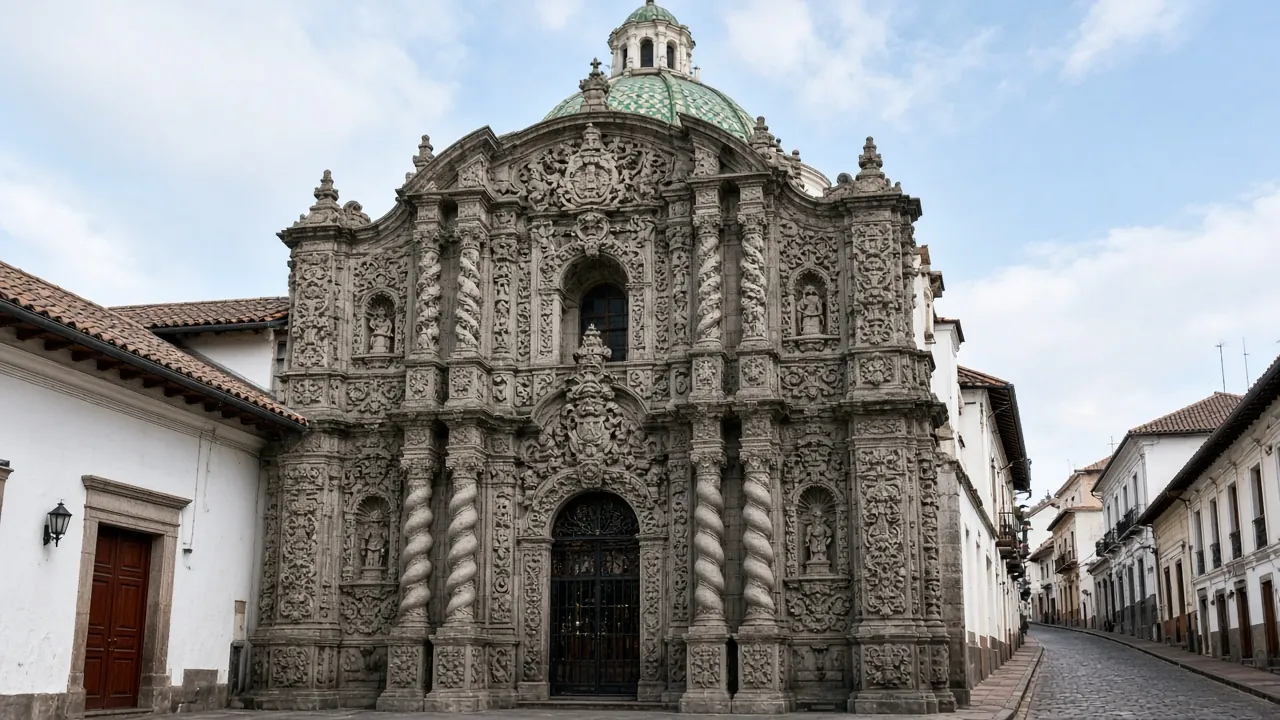
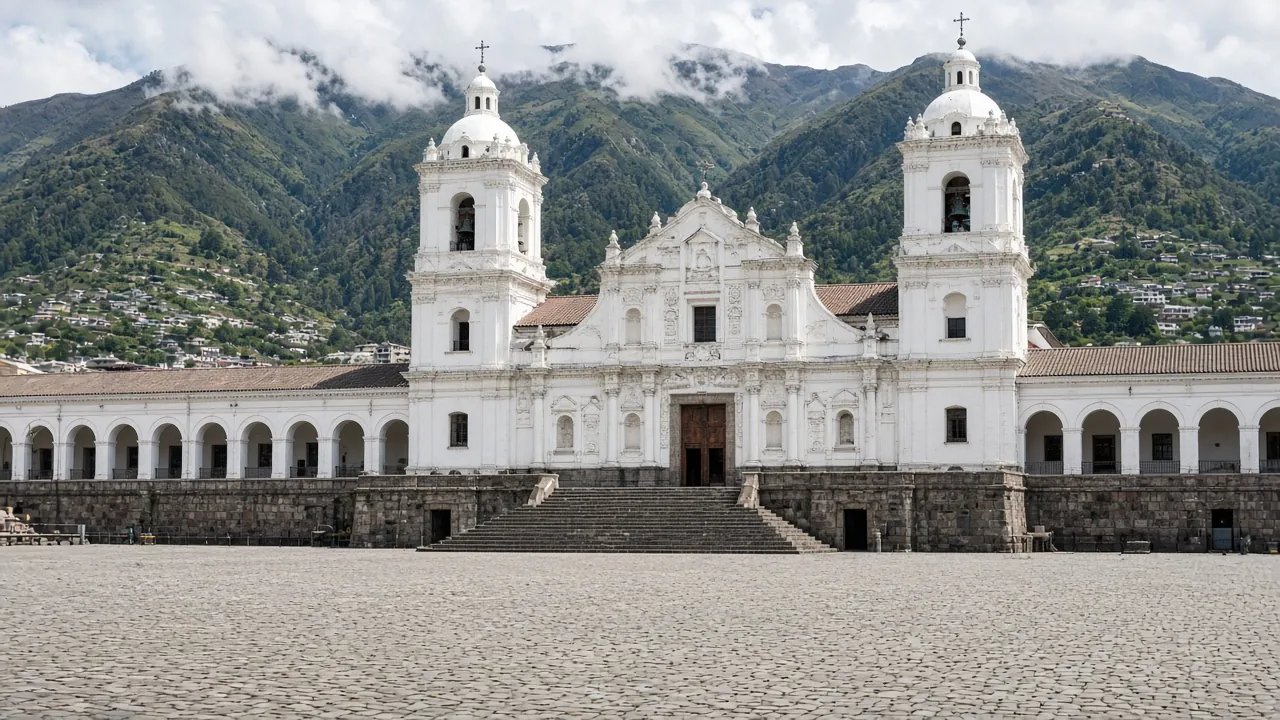
If you are already in Quito, or if your itinerary has been built around an overland stay, the historic centre is one of the most complete in the Andes: the Plaza Grande, the presidential and municipal buildings, the churches of the Compañía de Jesús and San Francisco, and a tight, sloping grid of later colonial streets under the hill of El Panecillo. The altitude is the first fact to respect. A slow walk, water, and a lighter first meal are wiser than a march up every stair. The light is sharp, the evenings can be cool, and the views of Pichincha and the surrounding volcanoes depend on the cloud.
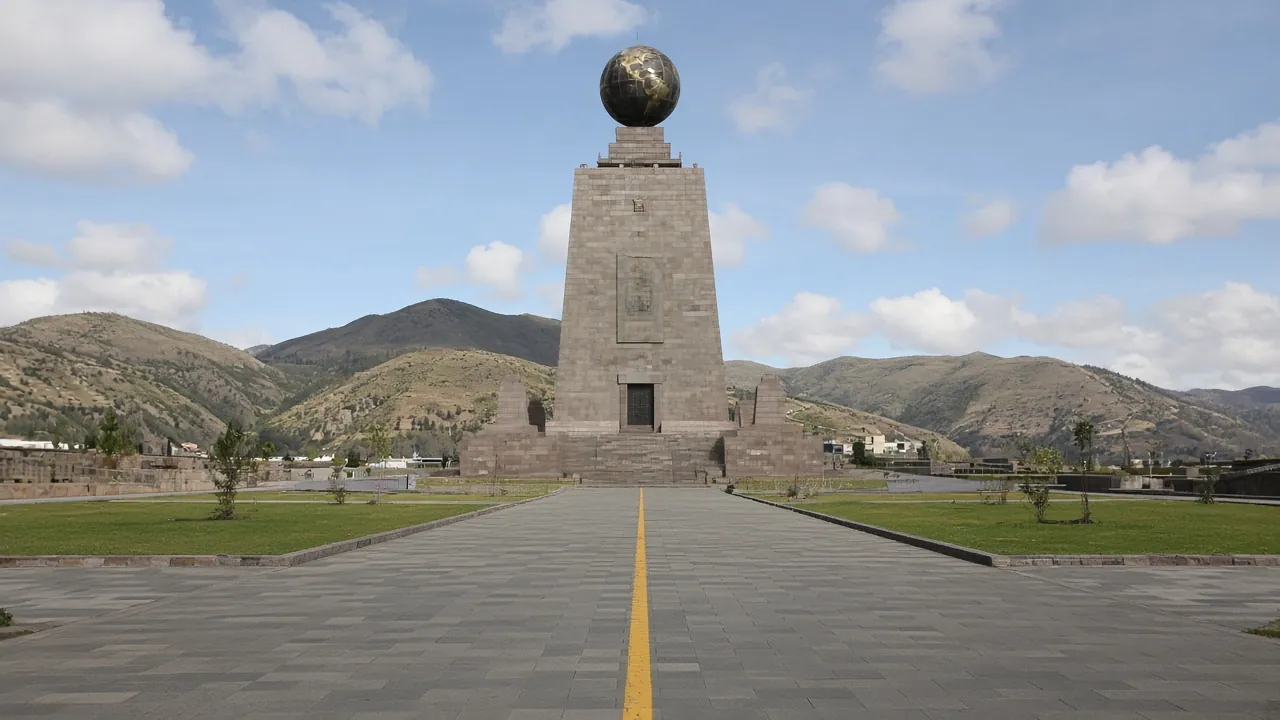
North of the centre, the later neighbourhoods of La Mariscal and a modern civic city give restaurants and museums, and the equatorial monument at Mitad del Mundo is a popular, slightly further outing on the road north. It is a half-day with the traffic, not a quick taxi hop between churches. The city is a capital, dense and serious, and a first visit can be complete in the old town alone.
Food is Andean and Ecuadorian: soups, potatoes, later restaurant cooking, and markets. Eat in the centre or in a nearby barrio, and give yourself time to sit. The altitude makes a long, heavy lunch less comfortable for some visitors than they expect.
If you are reading this from a ship at Manta or another Pacific port, treat the distances as decisive. A road journey of six and a half to eight hours each way cannot be made to fit a normal port day, and a flight, if one exists on your timetable, is a different kind of plan, with its own margins and risks. The equator is not a casual day trip from the gangway. The honest use of this harbour page is to understand the capital you may visit on a longer Ecuadorian journey. The honest use of a short call at Manta is to stay on the coast. Quito will still be here, high, cold at night, and worth a stay of its own. Come to it with time, not as a sprint from the sea. The old streets are steep, the altars are richly decorated, and a single church taken slowly will tell you more than a checklist of facades. If you are in the city for a stay, that slower pace is the point. If you are only reading ahead from a ship, let this be research, not a plan you cannot keep. The Andes will wait for a journey that has time to breathe.
Port landmarks