Puntarenas, Costa Rica
Ports
Home • Ports • America • Costa Rica • Puntarenas
See all 35 tours in Puntarenas
About Puntarenas
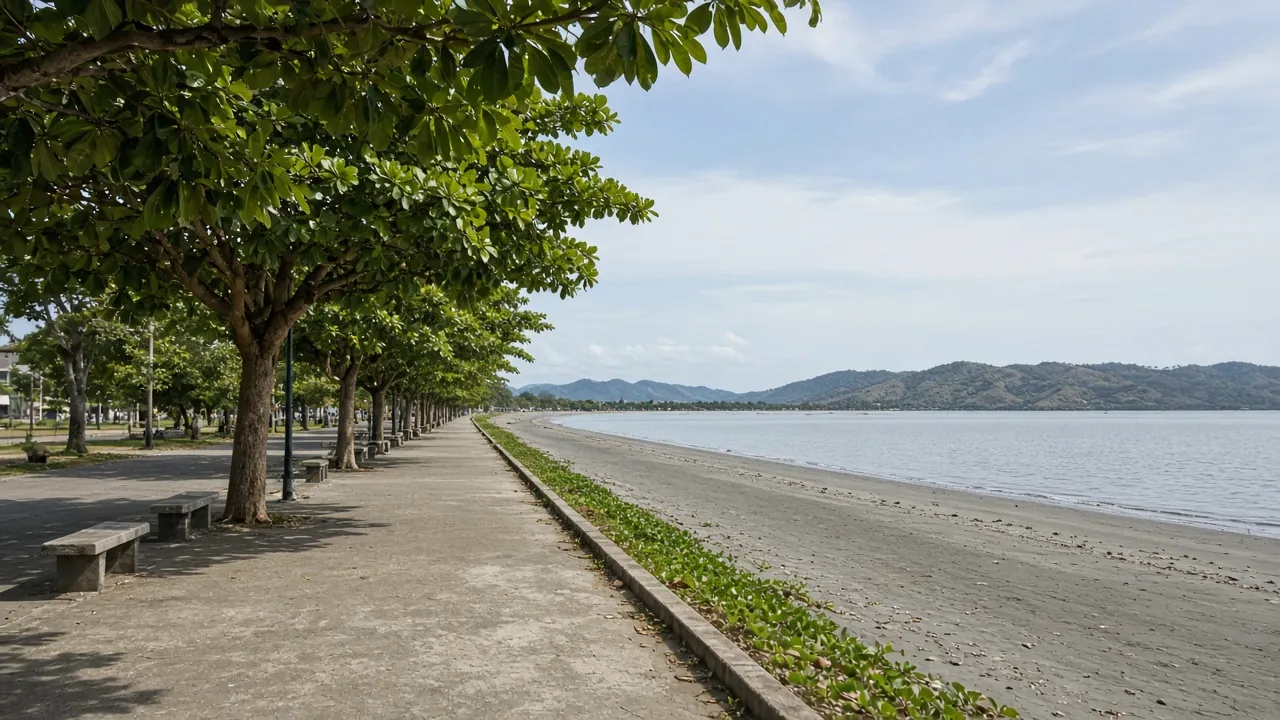
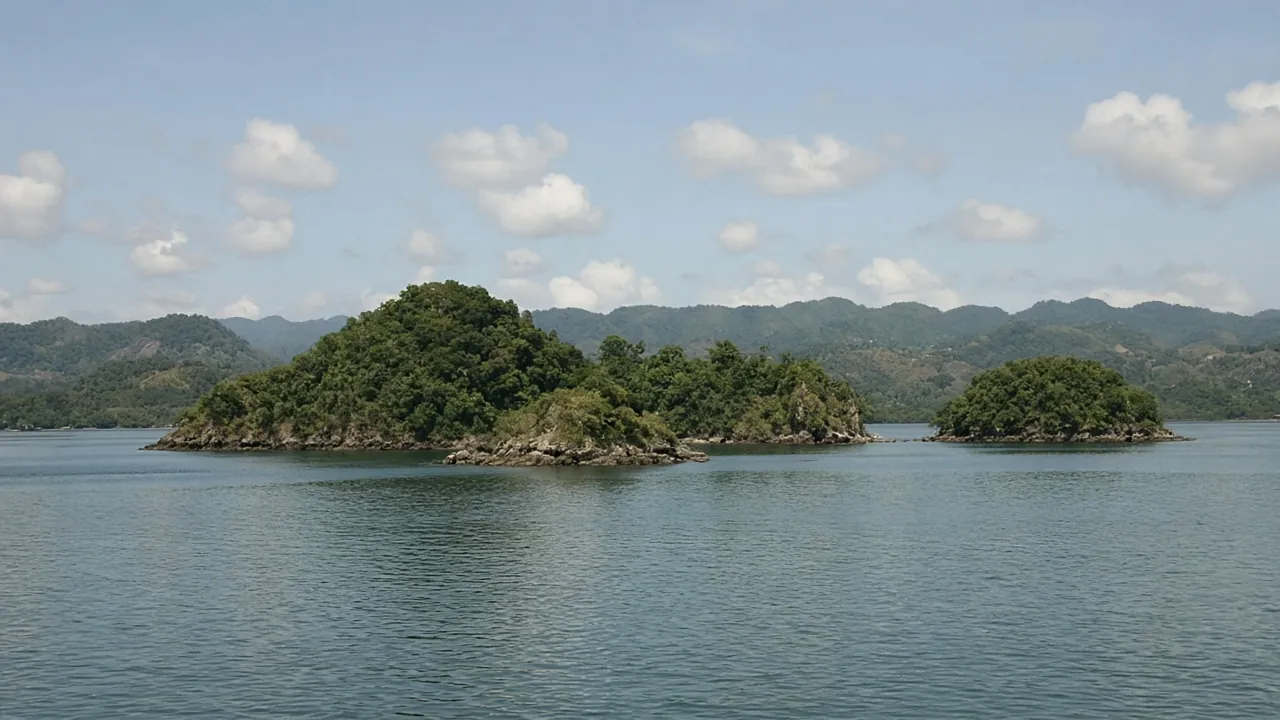
Puntarenas is Costa Rica's historic Pacific port, a long, narrow sand spit in the Gulf of Nicoya, once the country's main coffee-export harbour and the Pacific end of the railway from the Central Valley. Some ships berth at the town pier, which opens onto the Paseo de los Turistas and a walkable waterfront. Others use Puerto Caldera, a working cargo port about twenty minutes away, from which you cannot simply walk into town. The berth in use is worth knowing in advance, because the first move changes with it. The spit is a port town, not a polished resort; San José is a couple of hours inland, and it is a outing you set time aside for, not a reflex.
If you have landed at the town pier, the first walk is easy: the Paseo de los Turistas, a long beachfront promenade, a few streets of a working Pacific town, and the feeling of a place that grew with coffee, the railway and the gulf rather than with a master-planned resort. The spit is narrow, with estuary on one side and the gulf on the other, and a slow circuit will show you most of the civic core. It is not a monumental city, and it does not need to be. The pleasure is the scale, the heat, the view across the Nicoya, and the fact that the rest of the central Pacific starts from here.
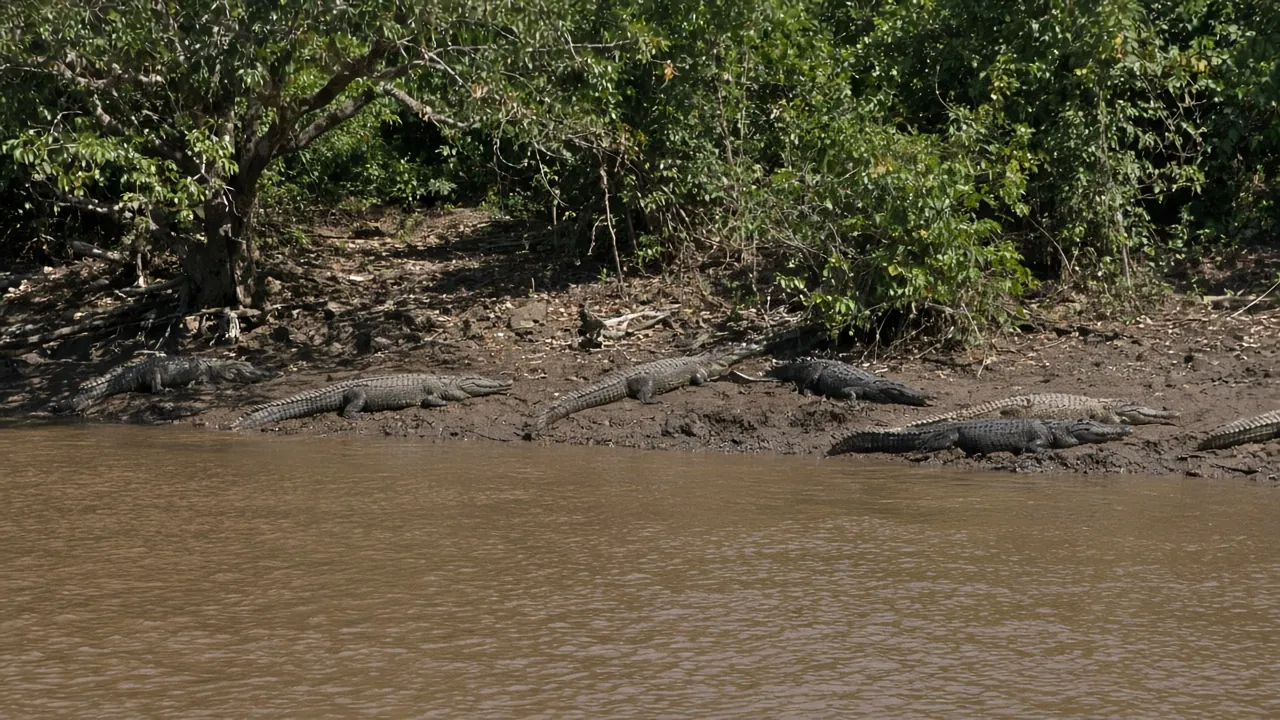
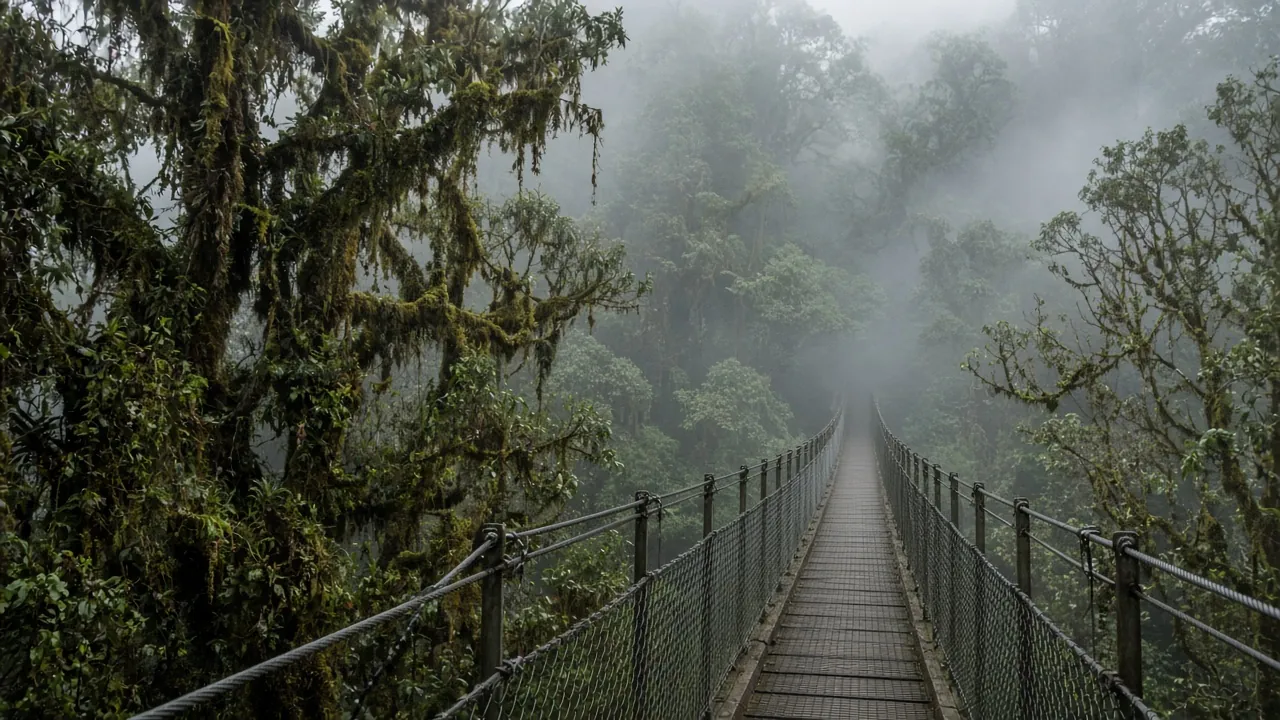
If you have landed at Puerto Caldera, the day begins with a transfer. Caldera is a container port, not a waterfront you stroll out of, and Puntarenas town is typically about twenty minutes by road. Arrange the return clearly before you go far. From either berth, the classic nearby outing is Carara National Park, a meeting of dry and wet forest and a good place to look for scarlet macaws, with the Tárcoles River and its crocodiles on the same general stretch of road. It is a realistic half-day if you leave a margin. Monteverde, high in the cloud forest, is a longer, slower journey and will consume most of a call. Manuel Antonio is closer to Quepos than to this spit and belongs to that landing.
Food is simple and coastal: fish, casado plates, fruit, and the informal rooms along the promenade. Eat in Puntarenas if you are in town; if you are on a park outing, eat where you are and watch the clock.
The essential fact is the berth. The town pier makes a self-guided day easy. Caldera makes the town a short, necessary ride and makes a pre-arranged plan more valuable. In either case, a first day that stays on this gulf — the spit, a nearby park, a meal — is a complete Pacific-port visit. A first day that climbs all the way to the capital will be spent in a vehicle. San José is inland, often around a couple of hours from this coast, and it is worth doing only when the hours and the transfer are honest. Come back earlier than you think you need. The heat is real, the spit is easy to underestimate at midday, and the road from Caldera is not a place to improvise a last-minute taxi.
Port landmarks
Shore Excursions
- The Extreme Adventurer – 10 h
- Snorkeling at Islas Tortuga – 3 h 30 min
- Scuba Diving at Islas Tortuga – 4 h
- Kayaking at Curu Wildlife Refuge - Half Day – 3 h
- Rio Celeste Tour & Tenorio Volcano Hike – 8 h
- Costa Rica Coffee Tour: Discover World-Class Coffee & Culture – 6 h
- Rainforest Horseback Riding & Crocodile Safari Boat – 6 h
- Chocolate Tour + Zipline Adventure With Lunch From Caldera – 7 h
- Canyoning Waterfall Rappelling – 5 h
- Tenorio Hanging Bridges & Nature Reserve Tour – 8 h
- Puntarenas: 3-in-1 Mangrove Boat Tour, Macaws & Shopping – 6 h 30 min
- Shore Excursion: Isla Tortuga Snorkel from Caldera Pier – 6 h
- Puntarenas Shore Excursion: 18-Zip-Line Adventure Over 11 Waterfalls – 6 h
- Aerial Tram and Zip Line Tour Rainforest Park Jacó – 2 h 30 min
- Zip Line Canopy Tour – 2 h
- ATV 4x4 Adventure and Ziplining – 5 h
- Aerial Tram + High Rope Circuit Jacó – 2 h
- Horseback Riding & Chocolate Tour With Lunch From Puntarenas – 7 h
- Horseback Riding & Chocolate Tour With Lunch From Caldera – 7 h
- Aerial Tram Tour Rainforest Park Jacó – 2 h
- Shore Excursion: Puntarenas Highlights 6 in 1 – 6 h
- Shore Excursion: Rainforest Skywalk & Tarcoles River Cruise – 6 h
- ATV 4x4 Mountain Adventure – 2 h
- Zip Line Canopy + Horseback Riding – 5 h
- 5-In-1 Pass: Rainforest Park Jacó Extreme Adventure – 3 h 30 min
- Puntarenas: 18-Zip-Line Adventure Over 11 Waterfalls – 3 h
- The Explorer – 4 h
- ATV Tour & Chocolate Tasting Tour With Lunch From Caldera – 7 h
- High Ropes Course – 2 h
- Chocolate Tour + Zipline Adventure With Lunch From Puntarenas – 7 h
- Palo Verde National Park Boat Tour – 6 h 30 min
- Horseback Riding Tour and Waterfalls – 2 h
- ATV Tour & Chocolate Tasting Tour With Lunch From Puntarenas – 7 h
- Private Tour: Zipline Canopy & Crocodile Eco Cruise Puntarenas Adventure – 6 h
- Kayaking at Curu Wildlife Refuge - Full Day – 6 h