Punta Arenas, Chile
Ports
Home • Ports • America • Chile • Punta Arenas
About Punta Arenas
Punta Arenas stands on the Strait of Magellan, a civic and trading city at the edge of Chilean Patagonia, looking onto a wide, often grey and windy channel. Ships berth in a working port a short way from a compact historic centre of later squares, a famous cemetery, and streets that grew with sheep, coal and shipping rather than with a monumental colonial core. The strait is the reason for the call: this is a southern gate, not a beach resort. A first hour in town is enough to feel the scale and the weather; longer journeys into the national parks of the interior belong to a long day or a different stay.
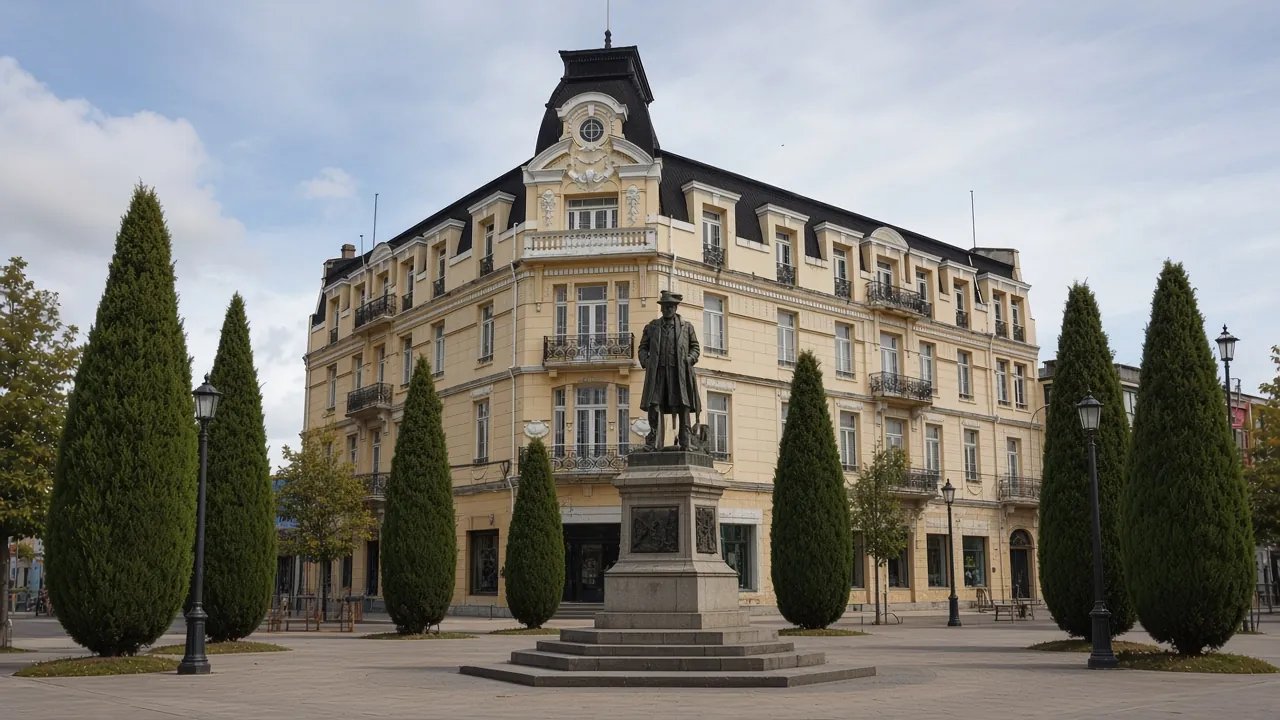
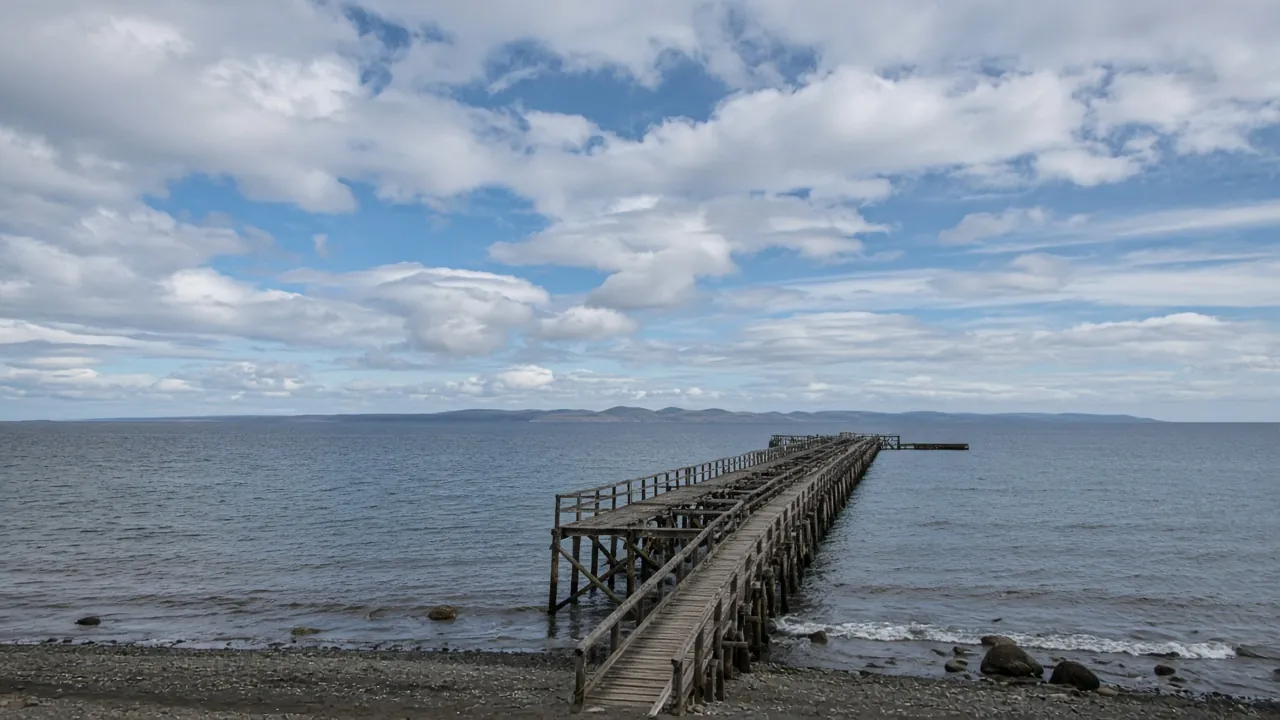
The centre is tight and walkable, organised around the Plaza Muñoz Gamero and a few streets of later civic buildings, shops and cafés that still feel like a provincial capital at the end of a long road. The city cemetery, with its avenues of tombs and imported trees, is one of the most distinctive walks in southern Chile, a short way from the square, and it tells the story of the families who made money here when the strait and the ranches were the region's fortune. A waterfront promenade looks onto the channel; on a clear day the opposite shore and the sense of a passage between oceans are the point, and on a grey one the wind and the light are still the character of the place. This is a city of working docks and a later street plan, not of a dense colonial core, and it is better taken slowly than as a checklist.
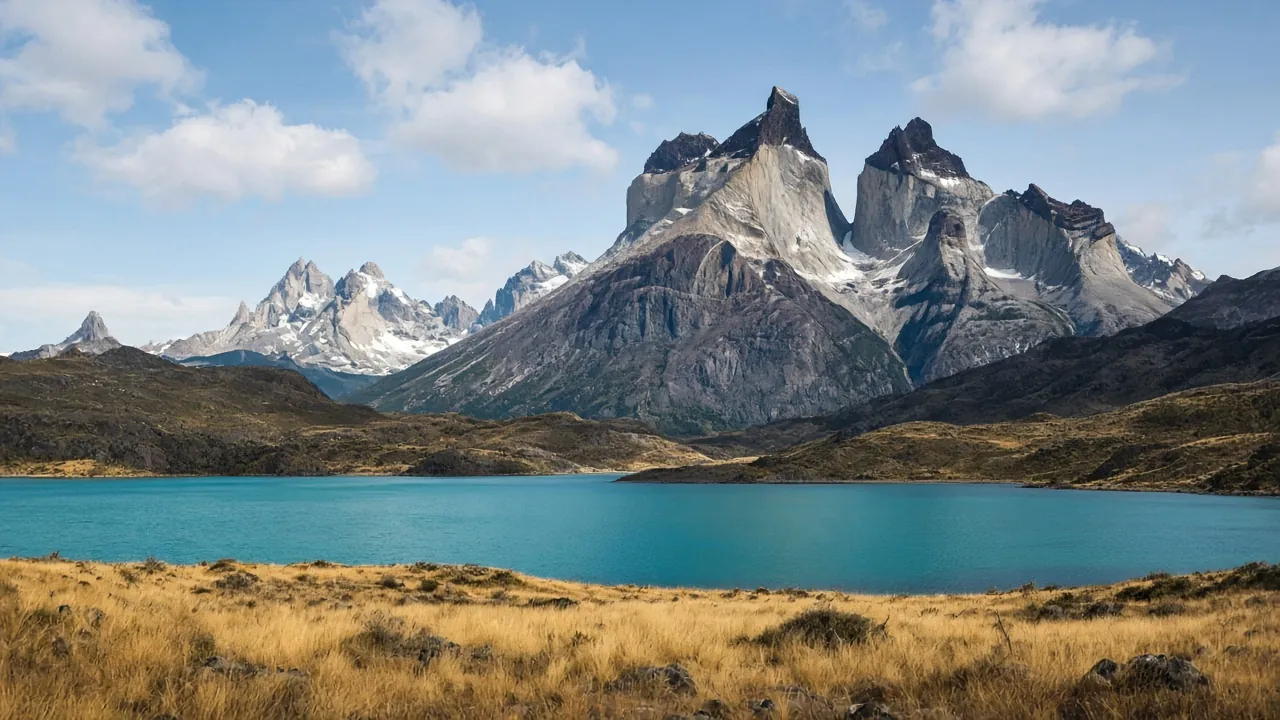
The region around the city is the larger landscape: a dry, almost treeless steppe, sheep country, and the strait itself, which Magellan's expedition entered in 1520 and which later became a coaling and shipping road before the Panama Canal drew much of the traffic away. A short outing to a nearby shore or a penguin colony is possible when the timetable and the weather agree, and it is a better first addition than a race toward a famous park. Torres del Paine, the great granite towers and lakes of the inland national park, is a spectacular landscape, and it is a long journey from this harbour, typically involving many hours on the road via Puerto Natales. It belongs to a long stay or a dedicated itinerary, not to a tight port day invented at the gangway.
Food is southern and practical: lamb, seafood, simple restaurants in the centre, and cafés that are a shelter when the wind is up. Lunch in town is the easy plan. The weather can change quickly, and a layer against wind and cold is useful even in summer.
Ships berth close enough to the centre that you can walk or take a very short ride into the square. Use that closeness. Walk the plaza, the cemetery and the waterfront, eat in town, and only then decide if a nearby shore outing still fits with a wide margin for the return. A first day that stays in Punta Arenas is a complete visit to a real Patagonian city on the strait. A first day spent mostly on a highway toward a park you will barely reach is, for most calls, a poorer use of the hours. The light here is part of the pleasure, and so is coming back to the ship without a scramble. If the summit of a nearby viewpoint is clear, it will give you the channel in a single look; if it is not, the streets and the waterfront will still have done the work of explaining why ships come this far south.
Port landmarks