Pula, Croatia
Ports
Home • Ports • Europe • Croatia • Pula
About Pula
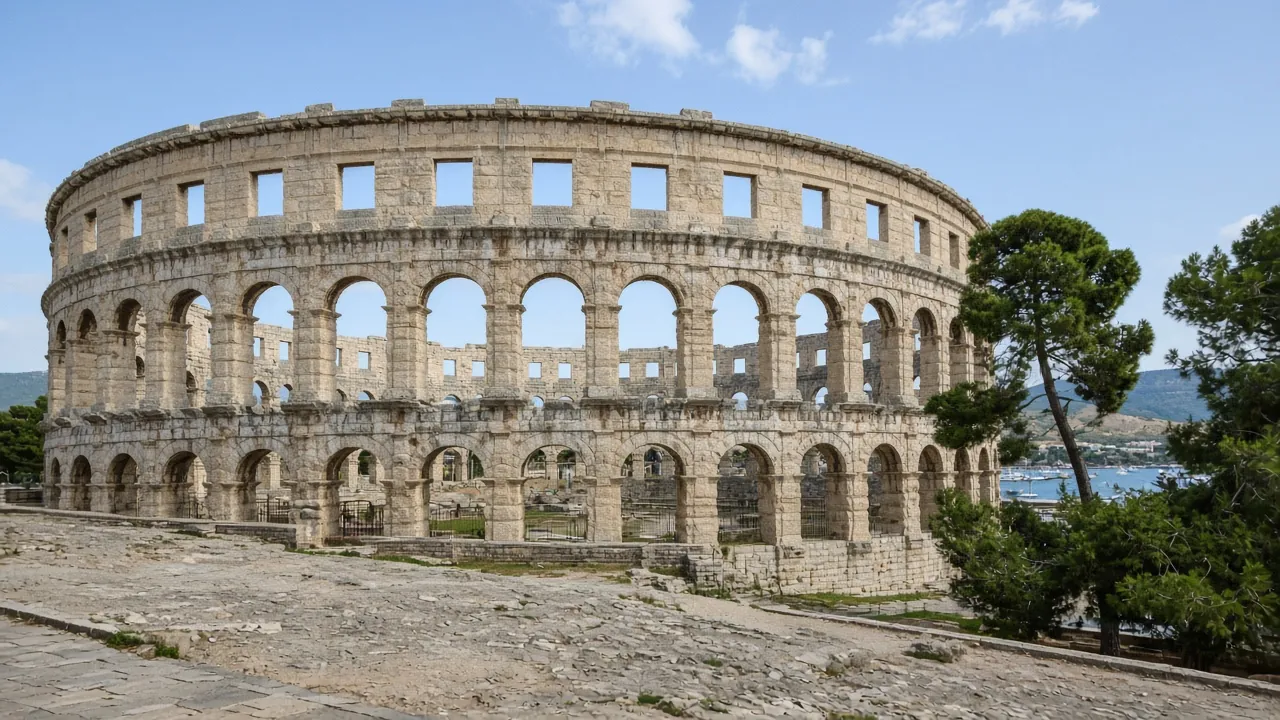
Pula sits at the southern tip of Istria, a compact Croatian harbour city organised around one of the best-preserved Roman amphitheatres still standing, with a later Austrian naval history on the same bay. Ships berth in a working port a short walk from the old core, so the first hour can be on foot. The arena, the Temple of Augustus and a tight grid of later streets are the heart of a first visit. The islands just offshore, including Brijuni, are a trip that needs its own hours, worth leaving time for squeezed in after a long circuit of every Roman stone.
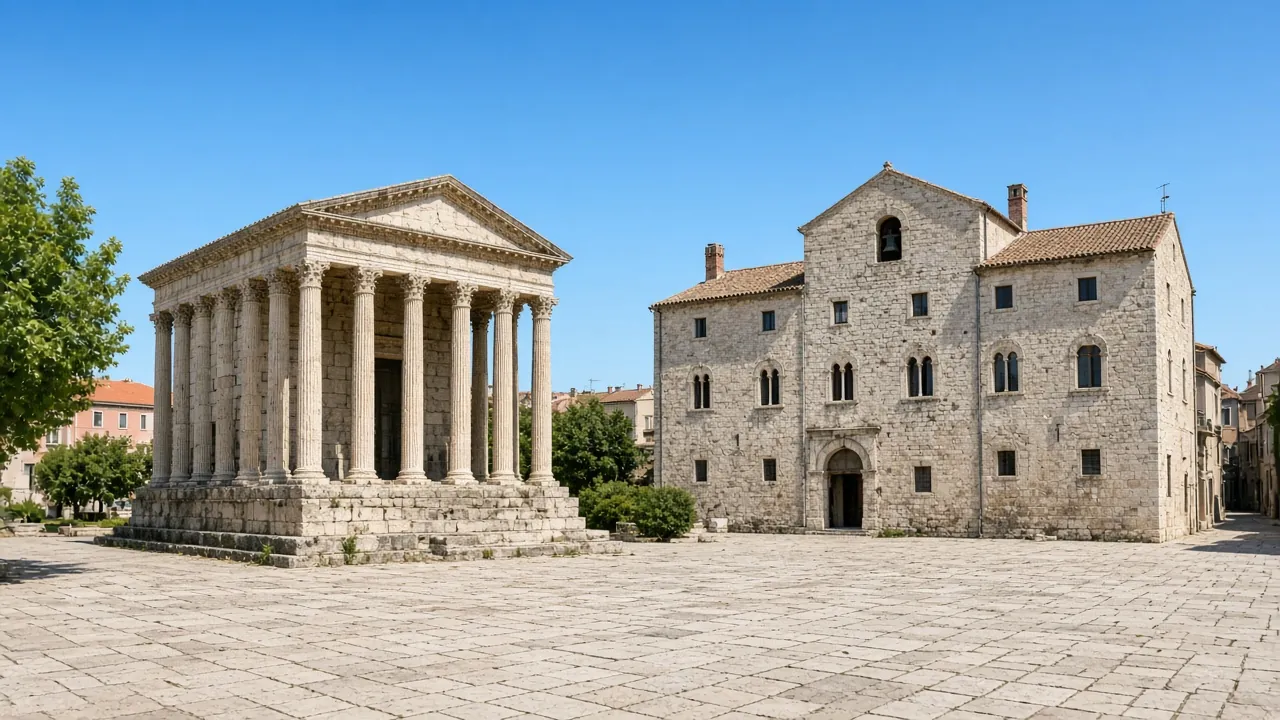
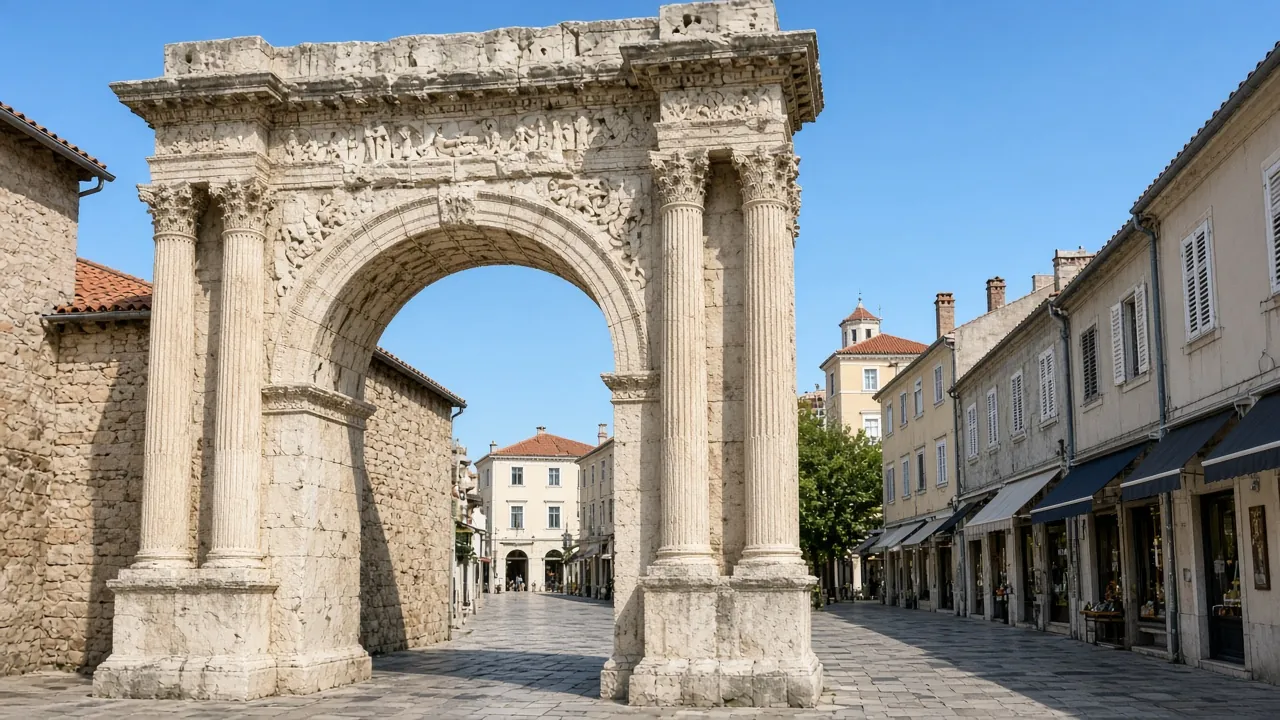
The amphitheatre is the landmark that organises the map: a great limestone arena near the water, remarkably complete, and close enough to the landing that it can be the first or the last stop of a walk. It is worth going in if you want the scale from the inside; even from the outside it tells you why this harbour mattered to Rome. From here the old town is a short, almost casual stroll: the Temple of Augustus and the civic buildings of the forum, the Arch of the Sergii, a few medieval and later streets, and a café culture that is already more Central European than purely Dalmatian. Pula was a principal naval base of the Austro-Hungarian empire, and that later layer — the yards, the civic pride, the sense of a garrison town — is still part of the character. You can walk this core slowly, without a map crisis, and feel that you have arrived in a real Istrian city.
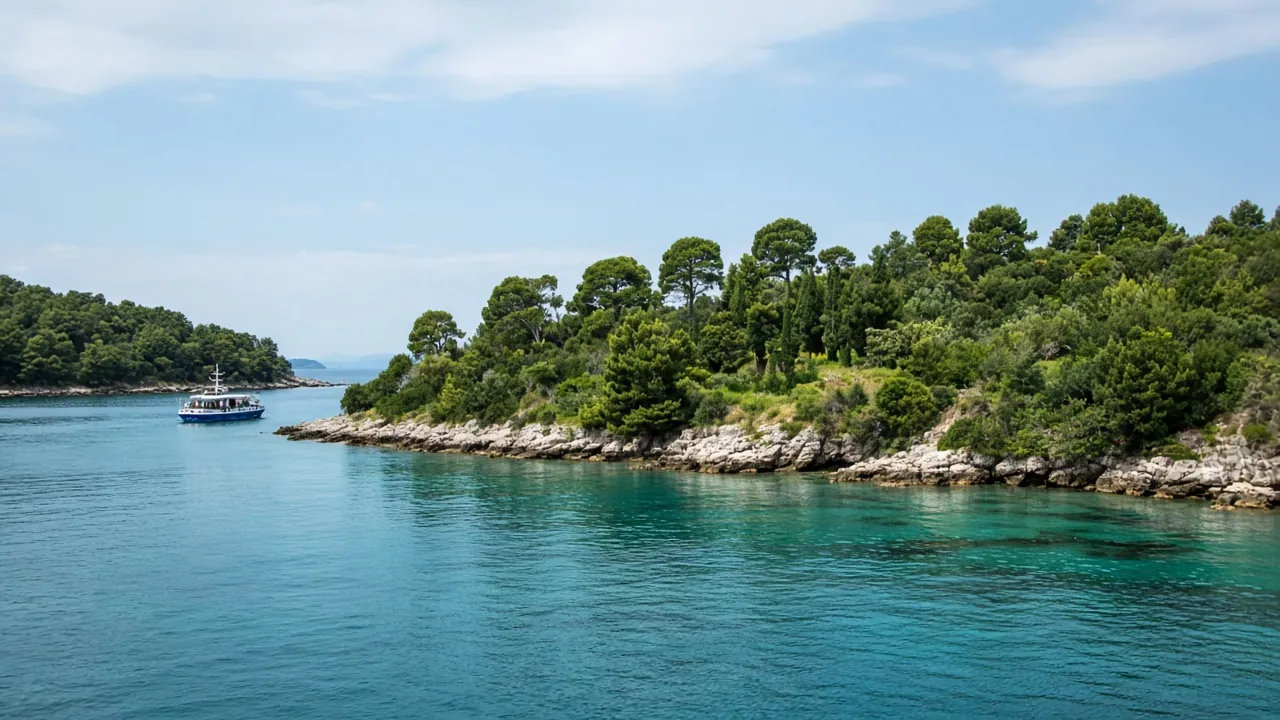
Brijuni, the nearby island national park, is the classic longer outing: a short boat from the coast, a landscape of parks, a zoo of a kind, and a twentieth-century political history as well as an older one. It will take a good part of the day. It is worth doing if the timetable is generous and the boat is reliable; it is a poor last-minute idea after a late start at the arena. The rest of Istria — Rovinj, the inland hill towns, the truffle country — is tempting and will consume a call if you try to collect it all. Rovinj is a different harbour and, in this catalogue, a different page.
Food is Istrian and coastal: seafood, pasta, truffles when they are in season, and simple rooms in the centre. Lunch near the forum or the water is the easy plan.
Ships berth close to the centre, which is the gift of the call. Walk the arena and the forum, add Brijuni only if the hours are kind, and come back on foot with time in hand. A first day in Pula is complete when it stays in this southern harbour. A first day spent mostly on a road toward another town will miss the Roman city you actually landed in. The limestone, the bay and the shade of the old streets are the event. Let them be enough, and wear shoes that can manage uneven stone in the sun.
Port landmarks