Puerto del Rosario, Spain
Ports
Home • Ports • Europe • Spain • Puerto del Rosario
See all 2 tours in Puerto del Rosario
About Puerto del Rosario
Puerto del Rosario is the modest capital of Fuerteventura, a civic harbour on a dry, volcanic Atlantic shore rather than a grand historic port. Cruise and ferry passengers come ashore in the working docks, often a short walk or a brief ride from the town's streets and the seafront. This is not Las Palmas and not Tenerife; the island's famous beaches, at Corralejo or down in the Jandía peninsula, are longer rides and will take a good part of a call. The light is hard and clear, and a first day can stay in the town without trying to see the whole island. Leave time for the return to the quay in the afternoon wind.
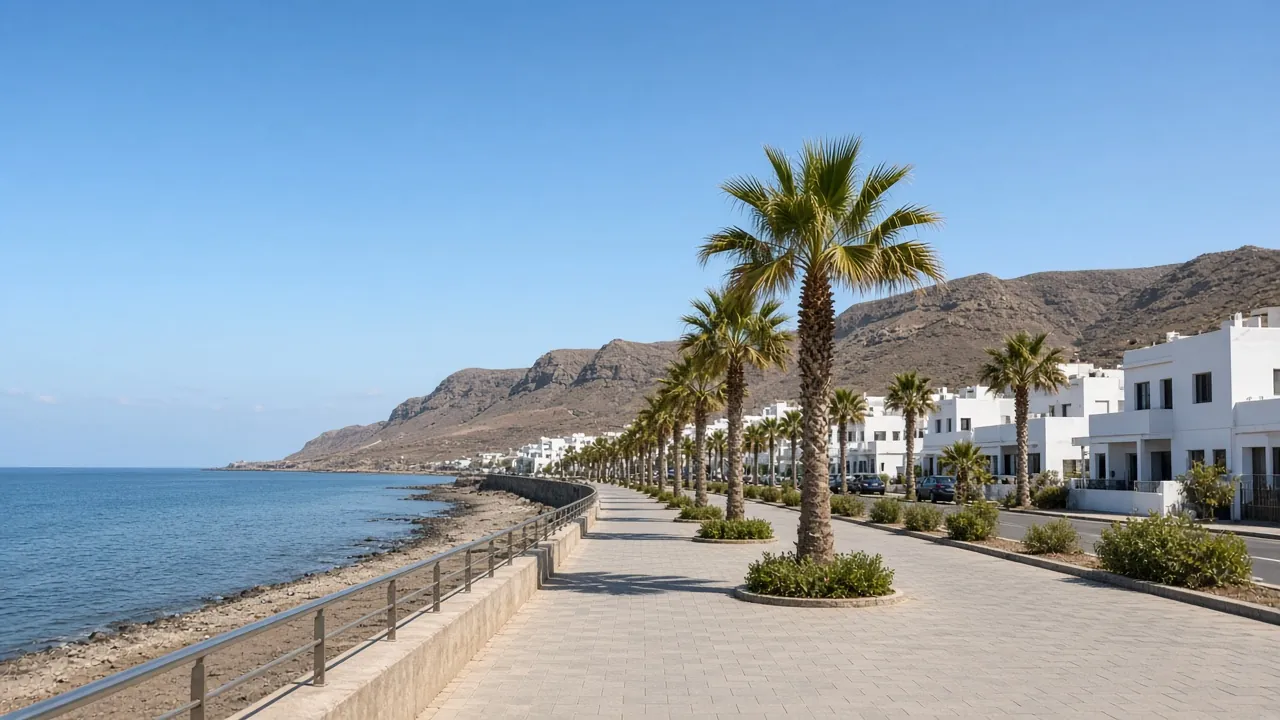
Puerto del Rosario is the modest capital of Fuerteventura, a later civic harbour on a dry, volcanic Atlantic shore rather than a grand historic port. The town is low and open, with a seafront promenade, a few civic streets and a great deal of light, and it has grown as the administrative centre of an island better known for its beaches and its wind than for a dense old quarter.
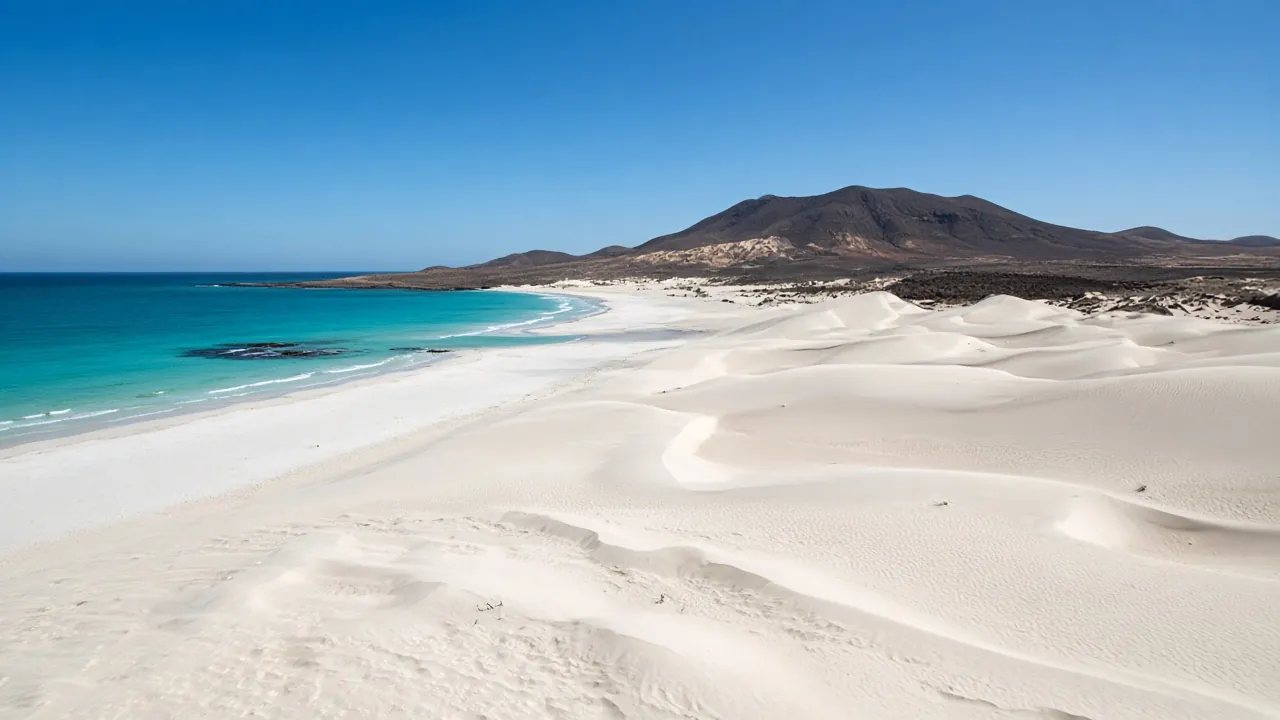
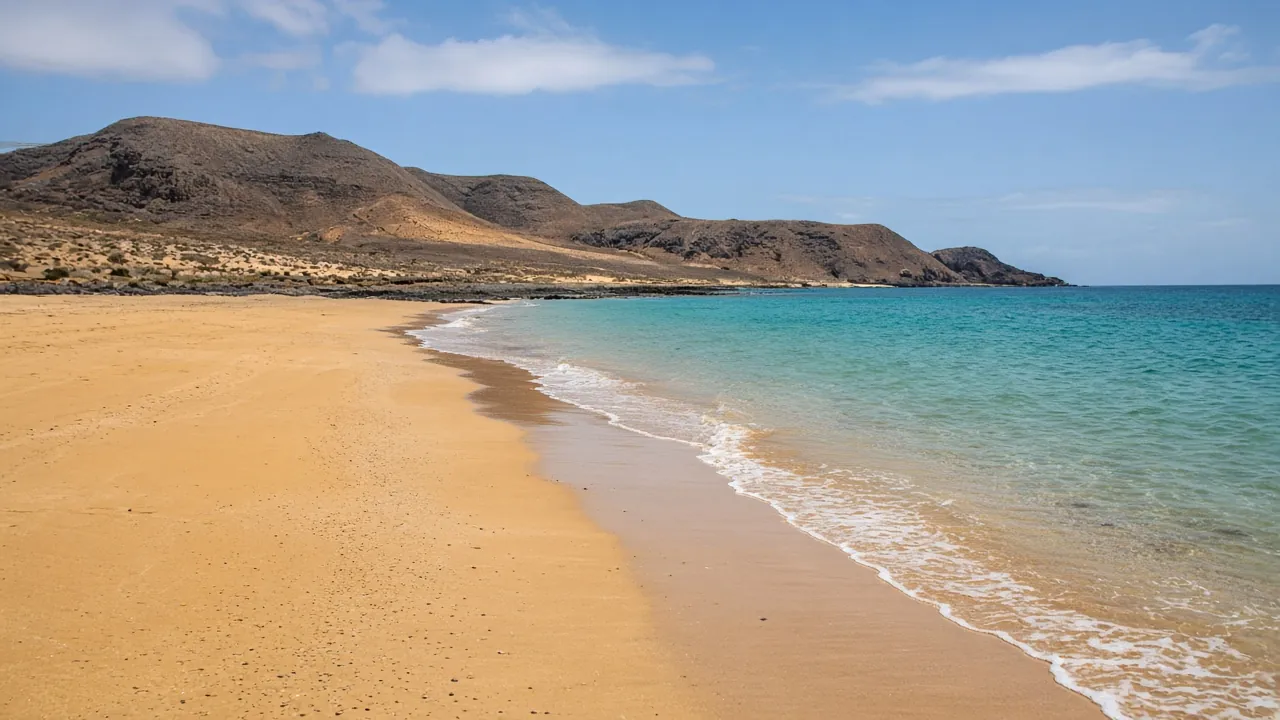
Cruise and ferry passengers come ashore in the working docks, often a short walk or a brief ride from the town's streets and the seafront. This is not Las Palmas de Gran Canaria and not Santa Cruz de Tenerife; both have their own pages. The island's famous beaches, at Corralejo in the north or down the long Jandía peninsula in the south, are longer rides and will take a good part of a call. A first day can stay in Puerto del Rosario — the promenade, the town beach, the sculptures along the waterfront — without trying to see the whole island. If you do go to Corralejo or to the south, treat it as a single outing and keep the last return fixed to this harbour.
The light is hard and clear, the shade is thin, and the wind is part of almost every afternoon. A hat and water matter more here than a complicated list of indoor visits. The island's interior is barren and beautiful in a dry way, but it is a drive, not a stroll from the quay.
Food is Canarian and of a small Atlantic capital: fish, wrinkled potatoes with mojo, and later cooking along the seafront. Spanish is the language of the town; English is used around the harbour and in the visitor streets, more thinly once you leave them. The climate is mild year-round, and the sun is stronger than the breeze makes it feel.
The house museum of Miguel de Unamuno, who was exiled here, is a close, quiet visit in the town if you want an indoor hour. Caleta de Fuste, a later resort bay to the south, is nearer than Corralejo and can be a single beach outing from this harbour, provided the last ride is timed back to the docks, not to the airport, which sits close to the town but is not the ship. Leave time for the return to the quay in the afternoon wind. A day that holds to the town, or to one beach outing with a clear last ride, will have used the harbour the ship actually reached, without spending the clock on the road between two distant shores.
Port landmarks