Porto, Portugal
Ports
Home • Ports • Europe • Portugal • Porto
About Porto
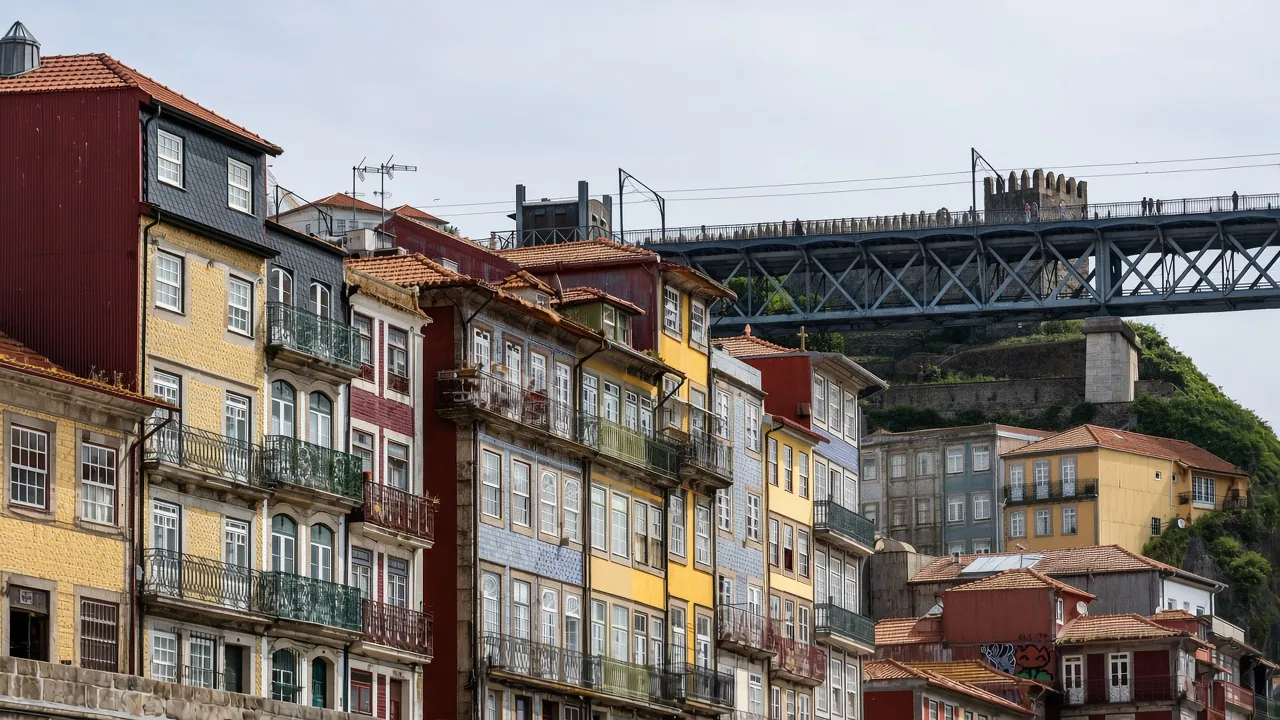
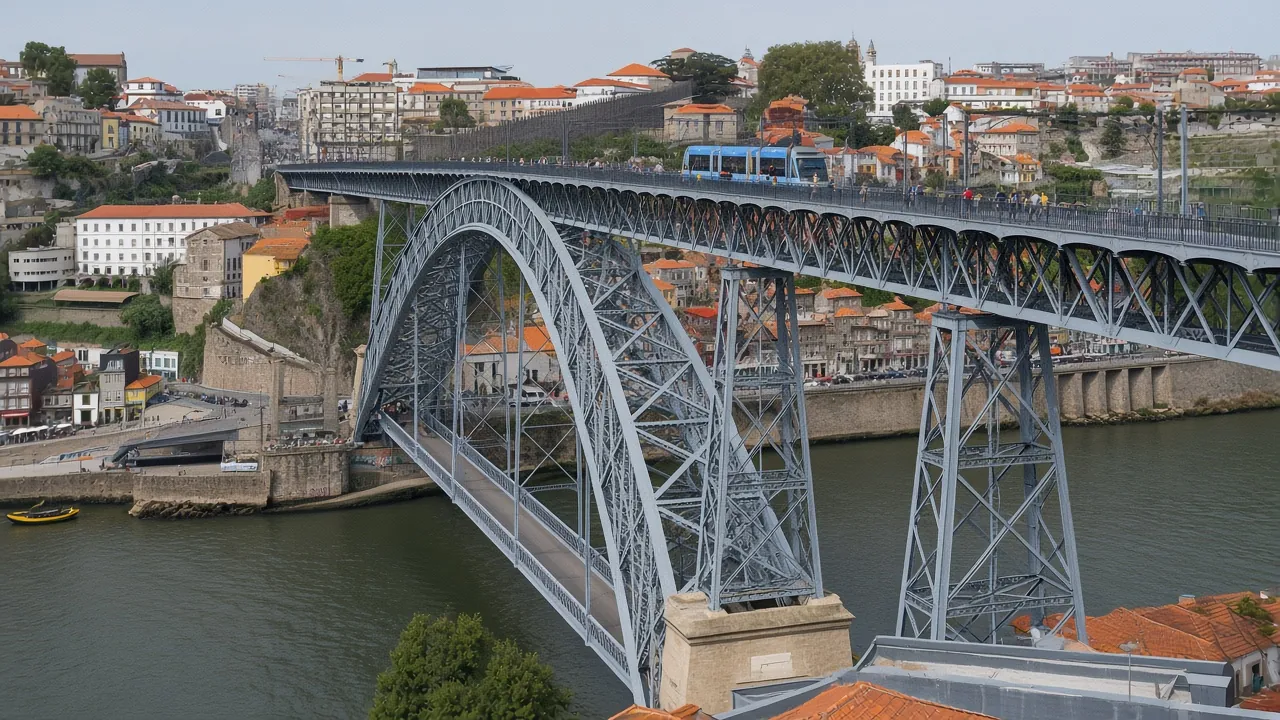
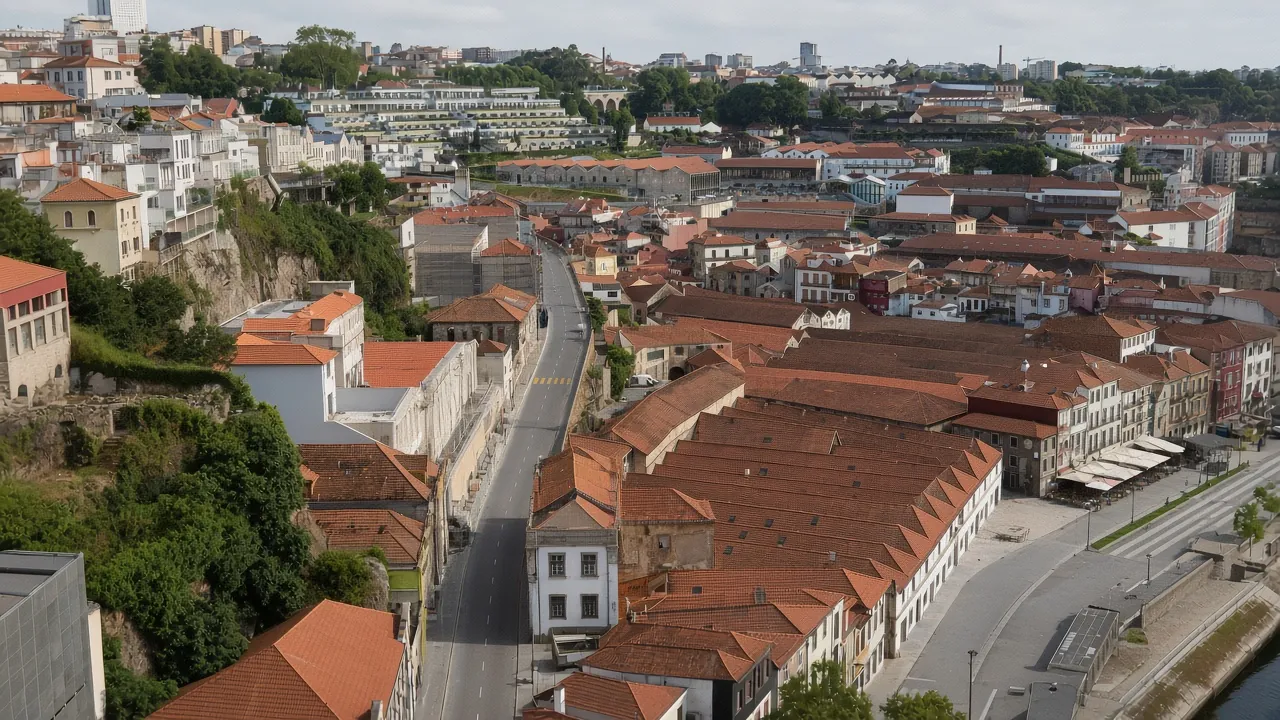
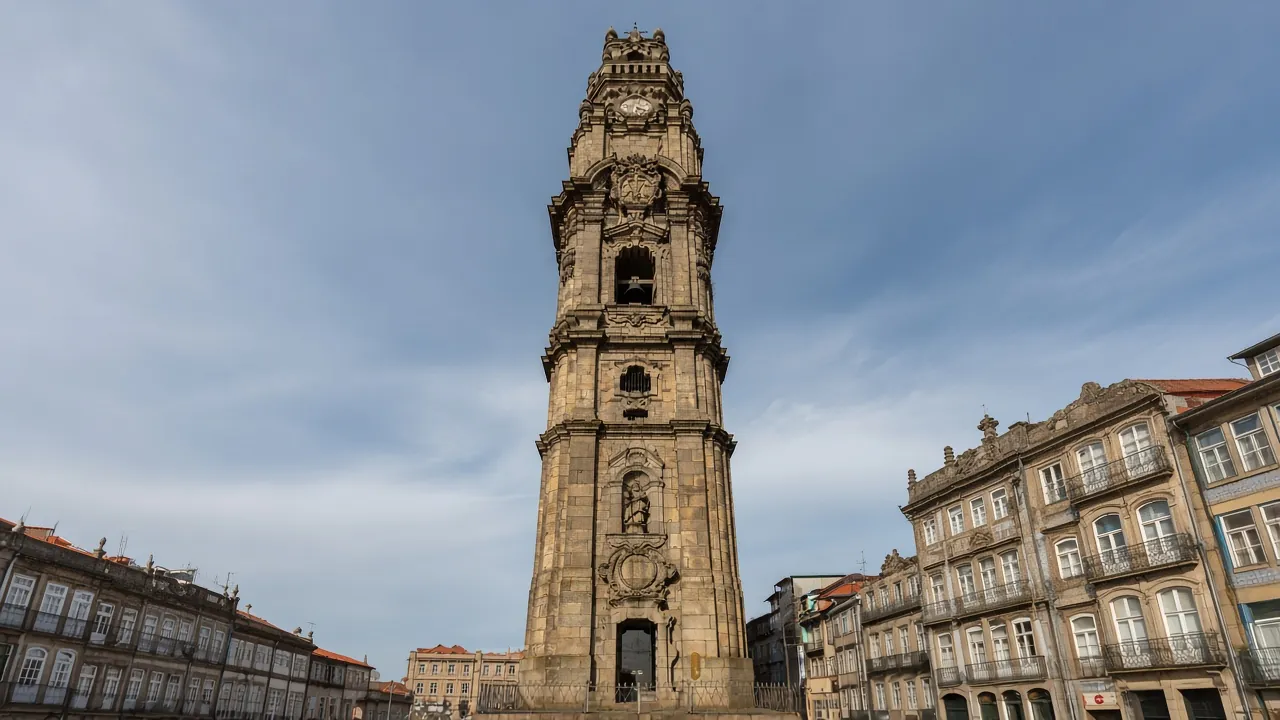
Porto is Portugal's second city, a steep, cobbled town on the Douro whose UNESCO-listed Ribeira stacks colourful houses above the river. Across the water, the port wine lodges of Vila Nova de Gaia sit under long terracotta roofs, and the two-tier Dom Luís I Bridge is the city's most familiar silhouette. The baroque Clérigos Tower and the azulejo hall of São Bento station reward a climb into the upper town. Ocean cruise ships almost always berth at Leixões, in Matosinhos, not beside the Ribeira, so plan the return carefully.
Once you are in the old town, Porto is a walking city, but it is steep, cobbled and often crowded, and the river is the natural spine of the day. Give yourself more time than a flat map suggests: the climbs between the Ribeira and the upper town are part of how the city is seen, not an inconvenience to be rushed.
Start at the Ribeira, the UNESCO-listed waterfront where colourful, narrow houses stack up from the Douro, with iron balconies and tiled facades. From the quays you look across to Vila Nova de Gaia and up to the two-tier iron Dom Luís I Bridge, which is the city's most familiar silhouette. You can cross on the upper deck, which carries the metro and a pedestrian walkway, or on the lower deck beside the river; both are worth doing if your legs and timetable allow. The views of the river, the boats and the two banks are the classic Porto picture.
On the Gaia side, the long terracotta roofs of the port wine lodges cover the hillside above the quay. This is where the wine is aged, and where many visitors spend part of the afternoon. You do not need a formal tasting to enjoy the walk: the warehouses, the rabelo boats and the river front are a landscape in themselves. Looking back, the Ribeira and the bridge explain the city's shape at a glance.
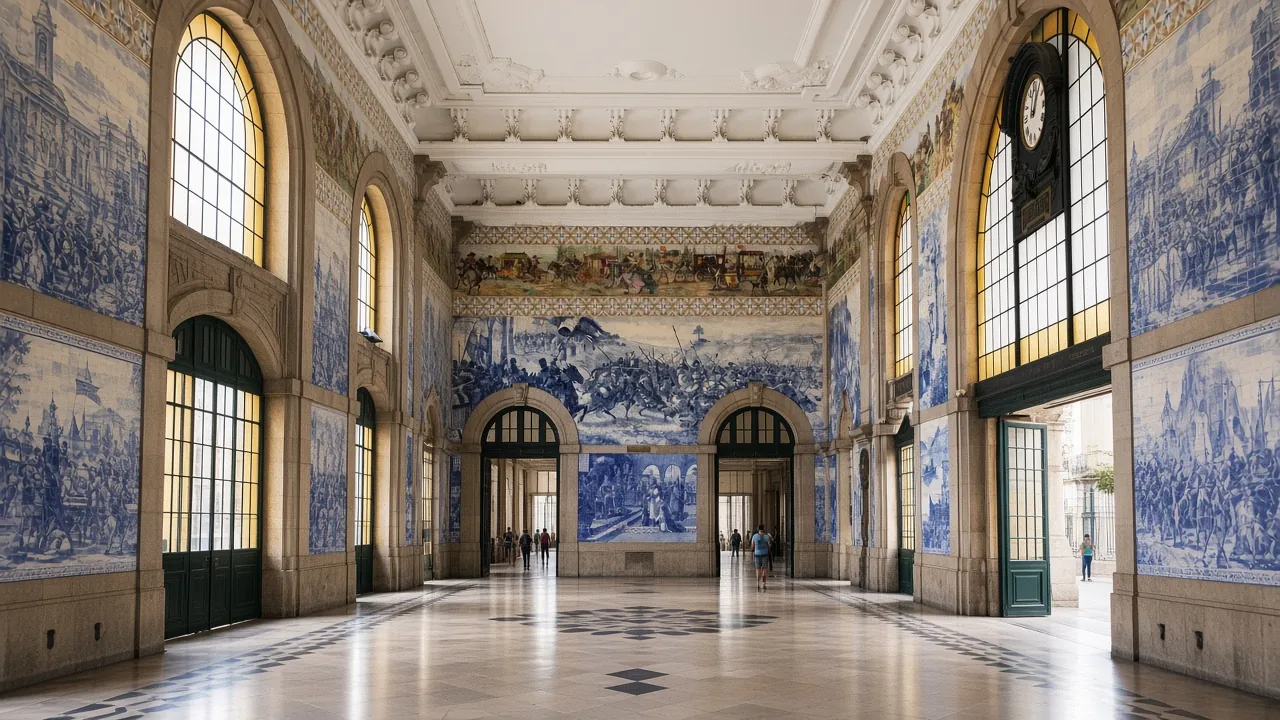
In the upper town, the baroque Clérigos Tower rises above the granite streets and is a useful landmark when you are navigating on foot. A little further, São Bento railway station is as much a monument as a station: its entrance hall is lined with vast blue-and-white azulejo panels of Portuguese history and rural life, under a high stuccoed ceiling and tall arched windows. It is close to the shopping streets and a natural pause on a circuit that also takes in the cathedral ridge or a slow downhill return to the river.
A practical first visit is a loop: transfer in from Leixões, walk the Ribeira, cross to Gaia, return over the bridge, then climb to Clérigos and São Bento before heading back to the port with a generous margin. The metro can help on the way out. Leave more time than the map suggests, because the hills are real and the streets invite detours. Porto rewards a steady pace more than a checklist.
Port landmarks
Shore Excursions
- Braga E GuimarÃes: Private Historic Tour From Porto – 8 h
- Private Sparkling Wine Tour From Porto: Lamego, Távora-varosa And Douro – 10 h
- From Porto: Private Santiago Pilgrimage & Cathedral Tour – 10 h
- From Porto: Private Dão Wine region, Serra da Estrela Cheese & Viseu Tour – 10 h
- Porto Private Exclusive Food Tour & Port Wine Tasting – 3 h 30 min
- Porto: Private Half-Day Morning Tour with Viewpoints – 4 h
- Private Car Transfer From Porto To Baiona – 1 h 45 min
- Private Canyoning Adventure with Picnic – 9 h
- Private Car Transfer From Porto To Ovar – 1 h 15 min
- Porto Private Afternoon Tour, By Those Who Know it Well – 4 h
- Private Fatima Sanctuary Tour with Shepherd’s House from Porto – 10 h
- Private Car Transfer From Porto To Aveiro – 1 h
- From Porto: Ponte de Lima & Vinho Verde Estate Tour – 10 h
- From Porto: Private Coimbra & Buçaco Day Tour – 10 h
- Private Panoramic Half-Day Tour of Porto, Gaia & Matosinhos – 4 h
- From Porto: Alcobaça & Nazaré Private Day Trip – 10 h
- From Porto: Private Gerês Waterfalls & Thermal Villages – 10 h
- Private Car Transfer From Porto To Gerês – 1 h 30 min
- Douro Valley Small-Group Tour: Two Winery, Lunch & Boat Trip – 10 h
- Private Car Transfer From Porto To Peso Da Régua – 1 h 30 min
- Porto to Douro Valley Private Transfer Up to 4 Stops – 8 h
- Private Car Transfer From Porto To Caramulo – 1 h 30 min
- Private Car Transfer From Porto To Lamego – 1 h 30 min
- Private Car Transfer From Porto To Bragança – 2 h
- Private Full-Day Barcelos, Ponte de Lima & Viana do Castelo Tour from Porto – 9 h
- From Porto: Private Templar Tomar, Fátima & Batalha Tour – 10 h
- Porto - Douro Valley Wine Tour – 8 h
- Porto Luxury Private Sunset Yacht Cruise on the Douro River – 2 h
- From Porto: Private 516 Arouca Bridge and Paiva Walkways Day Trip – 10 h
- Private Douro Valley & Amarante Tour with Wine Tastings and River Cruise – 10 h
- Private Porto Progressive Dinner Tour – 3 h 30 min
- From Porto: Private Coimbra & Aveiro Heritage Tour – 10 h
- Porto Airport One-Way Transfer to Porto & Gaia Hotels – 30 min
- Porto to Madrid with Optional Stops in Avila and Salamanca – 9 h 30 min
- Private Full-Day Aveiro, Nazaré & Óbidos Tour from Porto – 10 h
- Private Half-Day Tour of Porto with Boat Trip – 4 h
- Douro Valley Private Wine & Food Tour From Porto – 8 h
- 516 Arouca Suspension Bridge and Paiva Walkways Experience – 9 h
- Private Arouca Geopark And 516 Bridge Tour With Paiva Crossing – 10 h
- Private Car Transfer From Porto To Esposende – 30 min