Monaco
Ports
Home • Ports • Europe • Monaco • Monaco
About Monaco
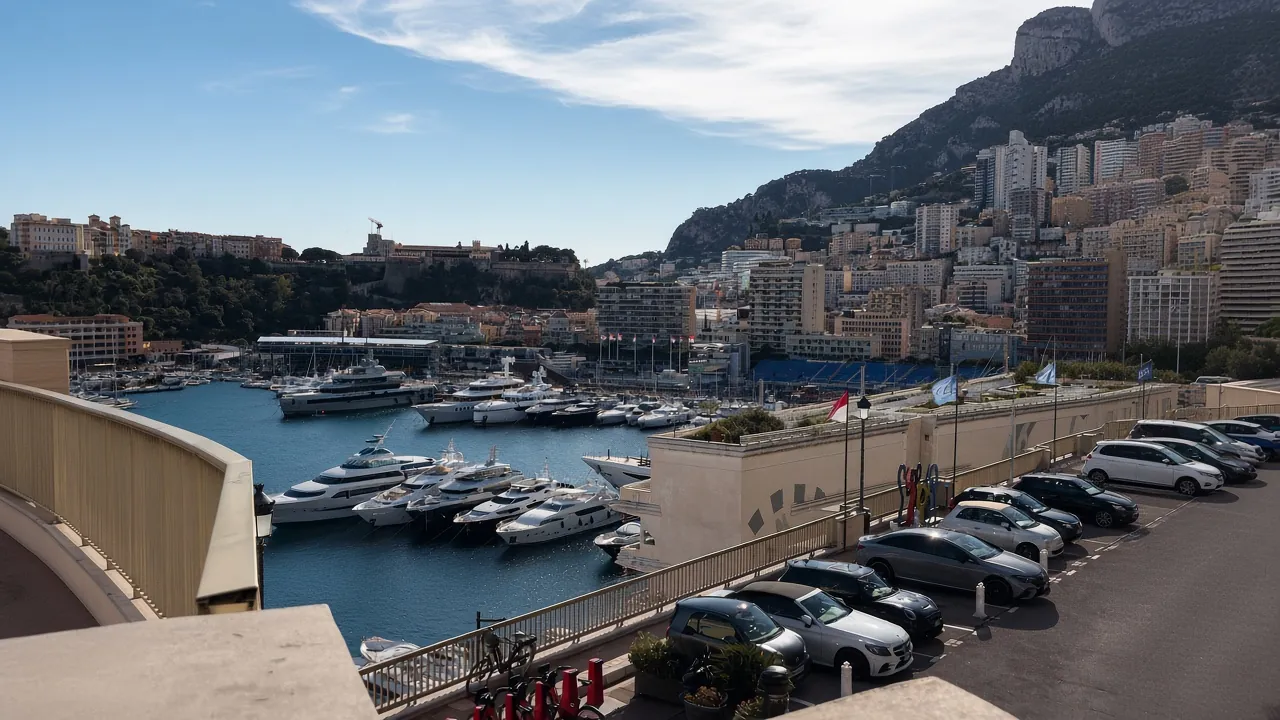
Monaco is a city-state of about two square kilometres on the French Riviera, between Nice and the Italian border, and Port Hercules is its harbour, in the La Condamine district below the Rock. Smaller and mid-size ships berth at the cruise quay on the long breakwater at the mouth of the port; larger ships anchor in the bay and bring guests ashore by launch to a landing inside the harbour. Either way, the day starts at the water between Monaco-Ville, the old town with the Prince's Palace, and Monte-Carlo, with the Casino. The border with France is open and unmarked. Èze, Nice and Menton are a short ride away. Leave time for the return to the quay or the landing named in your papers.
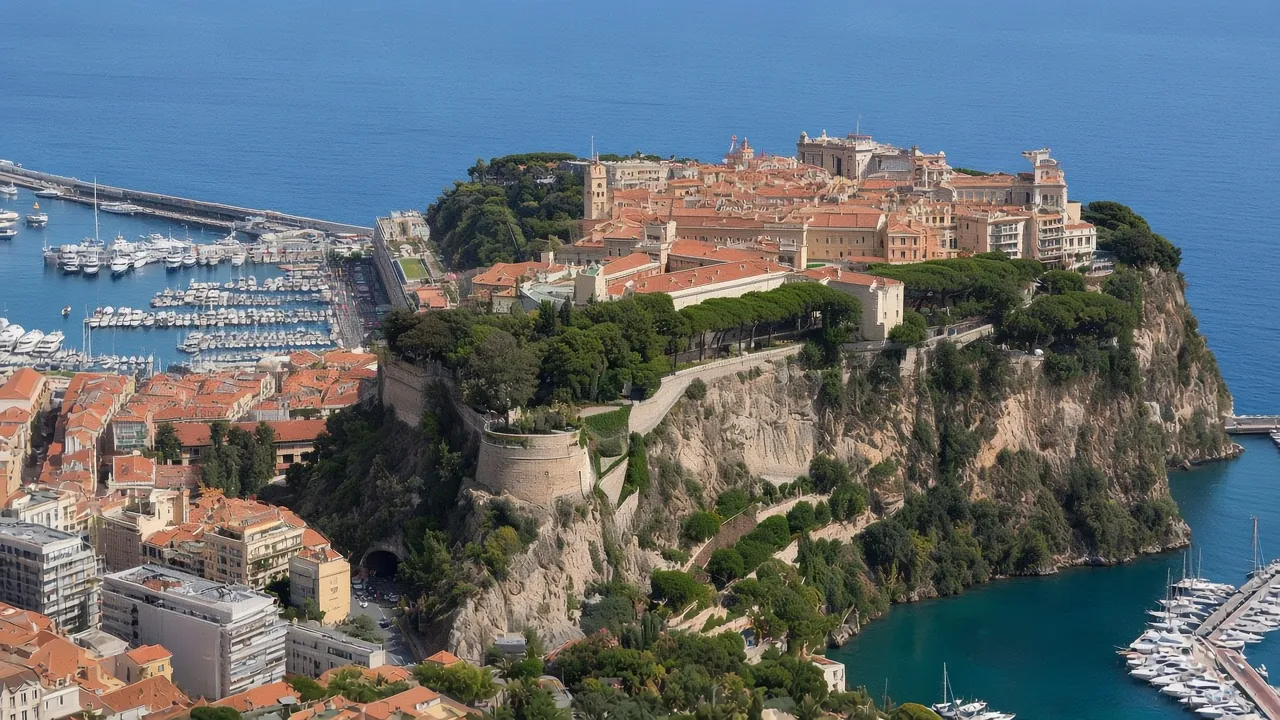
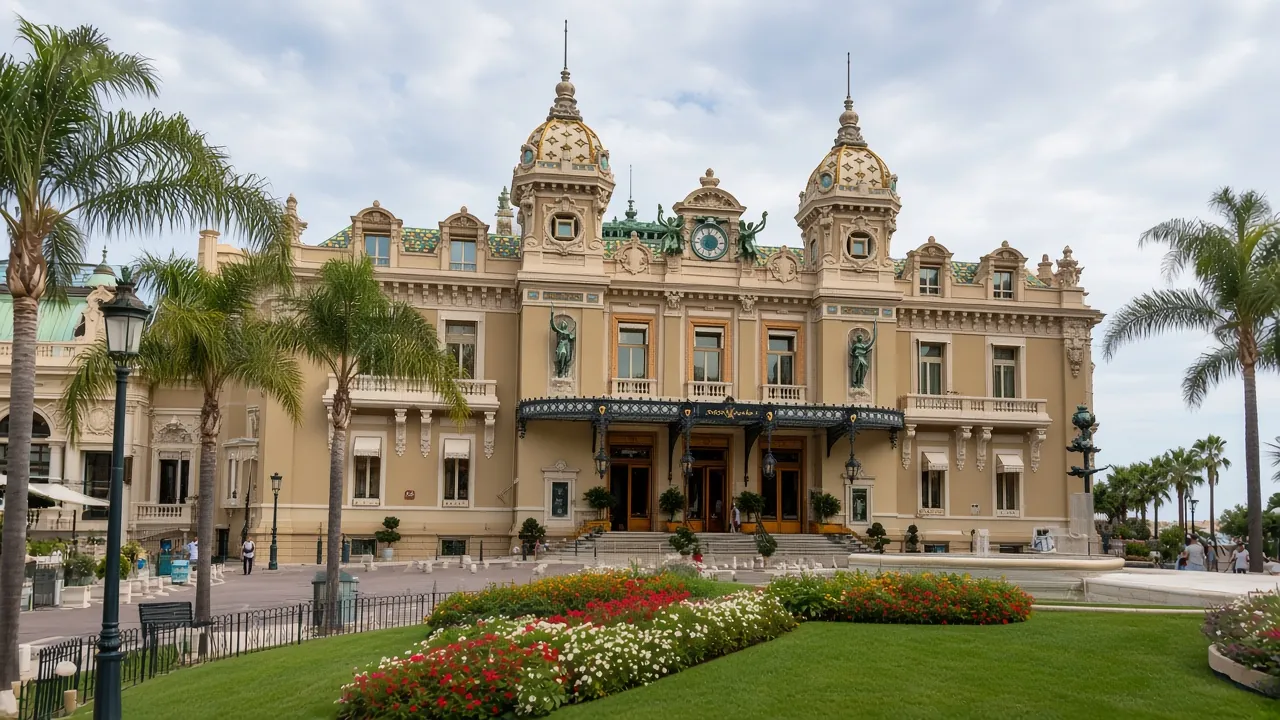
Monaco is a sovereign city-state on the French Riviera, a narrow strip of steep coastline between Nice and the Italian border, and almost all of it lies within walking distance of the sea. Port Hercules, the main harbour, sits in La Condamine, in the hollow between two headlands. On one side is the Rock, with Monaco-Ville, the old town, the Prince's Palace and the cathedral. On the other is Monte-Carlo, with the Casino and its gardens. The map pin on this page marks the port.
How you come ashore depends on the ship. Smaller and mid-size ships can berth at the cruise quay along the large breakwater at the mouth of the harbour. Larger ships anchor offshore and bring guests in by launch to a landing inside the port. Both put you in the same place, among the yachts of La Condamine, but a launch adds time at both ends of the day, and the last boat back leaves earlier than the ship. On some dates, especially around the Grand Prix in late spring and the yacht show in September, the harbour is crowded and the landing can change, so confirm it from the day's papers.
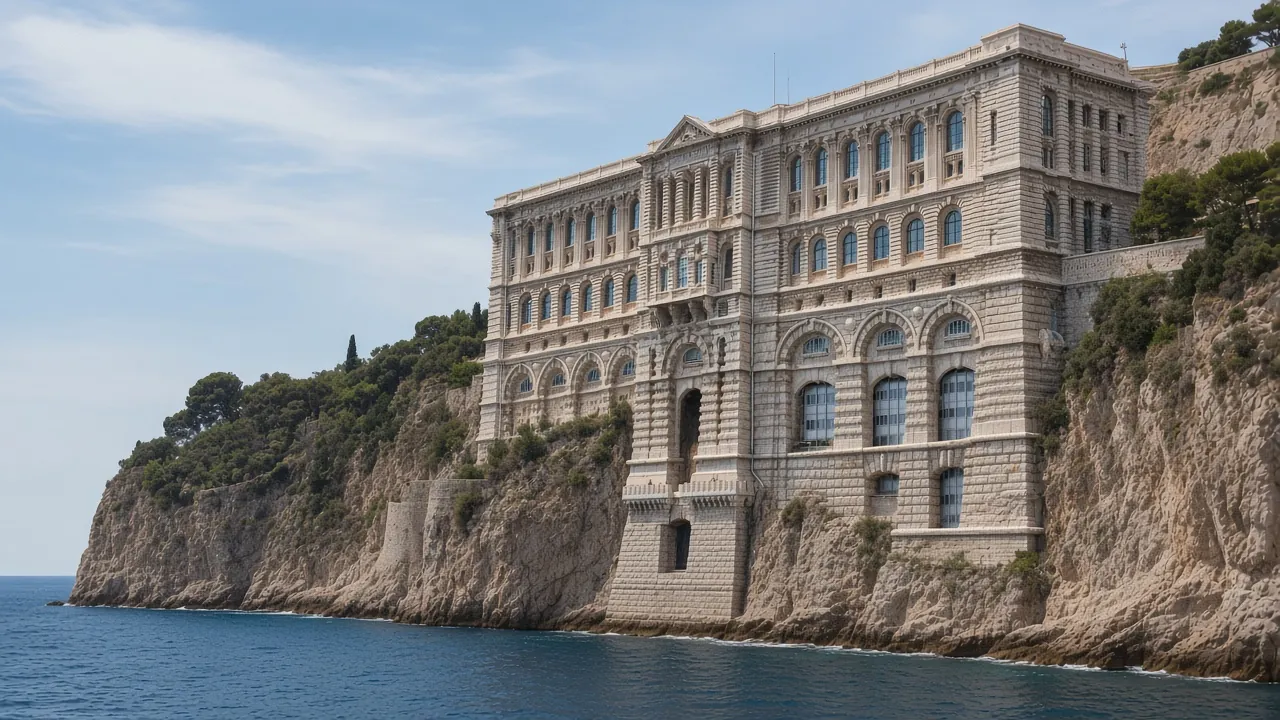
Monaco is small, but it is vertical. The old town on the Rock is a climb of a few minutes by ramps and stairs from the port, and the Casino quarter is uphill on the other side. Public lifts and escalators link many of the levels, and local buses cross the principality in minutes. A first call is well spent on one side and the waterfront between: the palace square and the changing of the guard just before noon, the cathedral where Princess Grace is buried, the Oceanographic Museum on its cliff, then down to the port and up to Place du Casino. A day that also tries to fit in Nice, Èze and Menton usually spends more time in traffic than in any of them.
The border with France is open and unmarked; on a drive along the coast you cross it without noticing. The perched village of Èze is a short drive west, Nice a little further, and the Italian Riviera begins east of Menton. Trains from Monaco-Monte-Carlo station run along the coast in both directions; the station is underground, a walk and a lift away from the harbour. The coast roads can be slow, particularly in summer, so build in a margin for any trip out of the principality.
Leave time for the return to the quay or the landing named in your papers, not to a marina pontoon or to Fontvieille, the smaller harbour on the far side of the Rock, which is a different port. Give a driver the name of the port and the landing, not only "Monaco", which is the whole country. Monaco rewards a slow walk between its two hills. The rest of the Riviera will still be there on a later call.
Port landmarks
Shore Excursions
- Grasse, Gourdon, Tourrette & Wine Tasting Excursion from Cannes – 8 h 30 min
- Private: Saint Paul de Vence - Art & Artists from St. Paul de Vence – 8 h
- Private: French Riviera Art & Artists from Cannes – 8 h
- Private: Medieval Villages of the Loup Valley from Cannes – 8 h
- Private: Monaco and Monte Carlo from Saint Paul de Vence – 8 h
- Saint-Paul-de-Vence, Antibes and Cannes from Nice or Villefranche – 7 h
- Private: A Taste of Nice - Markets and Museums from Antibes – 8 h
- Eze Monaco Monte Carlo from Villefranche Harbor Private Tour – 8 h
- Shore Excursion: Private French Riviera - Half Day from Cannes – 5 h
- Visit Monaco, Monte Carlo and Eze From Nice or Villefranche – 7 h
- Private Full-Day Chauffeur Service of the French Riviera – 8 h
- Private: Cannes & The Lérins Islands from Nice – 8 h
- Private: Saint Paul de Vence - Art & Artists from Nice – 8 h
- Three Countries in one Day Eze -San Remo - Monaco Private Tour – 8 h
- Private: Medieval Villages from Nice – 8 h
- Private: Saint Paul de Vence - Art & Artists from Antibes – 8 h
- Èze-Monaco-Monte Carlo- Small Group Half-Day Tour from Nice – 5 h
- Nice Food Tour: Socca, Pissaladière & Provençal Wine – 3 h 30 min
- Private: Saint Paul de Vence - Villages & Vines from St. Paul de Vence – 8 h
- Grasse, Gourdon, Tourrette & Wine Tasting Excursion from Nice – 8 h
- Italy and French Riviera Day Tour: Sanremo, Dolceacqua & Menton – 8 h
- Nice Sunset Food Tour: Tapenade & Wine – 3 h 30 min
- Private: French Riviera Art & Artists from Antibes – 8 h
- Private: A Taste of Nice - Markets and Wine from Antibes – 8 h
- Private: A Taste of the Italian Riviera from Eze – 8 h
- Private: Monaco and Monte Carlo from Nice – 8 h
- Private: Medieval Villages from Monaco or Monte Carlo – 8 h
- Private: Les Trois Corniches from Cannes – 8 h
- Private: Cannes & The Lérins Islands from Cannes – 8 h
- Private: Riviera Wine and Vineyards From Cannes – 8 h
- Private Transfer From Nice, Cannes or Monaco to Milan – 5 h
- Private: Var Vineyards Transfer with Touring From Nice – 9 h
- Private Half-Day Chauffeur Service in Nice With Flexible Itinerary – 4 h
- Private: Coast and Country Villages from Antibes – 8 h
- Private: Medieval Villages of the Loup Valley from Antibes – 8 h
- Grasse Gourdon and Wine Tasting from Nice, Cannes, Villefranche – 7 h 30 min
- Shore Excursion: French Riviera Sightseeing Tour from Nice – 9 h
- Visit Monaco and Eze Half Day Tour from Nice or Villefranche – 5 h
- Private Full-Day French Riviera Tour from Villefranche Port – 8 h
- Private: A Taste of Nice - Markets and Wine from Saint Paul de Vence – 8 h