Ponta Delgada, Portugal
Ports
Home • Ports • Europe • Portugal • Ponta Delgada
See all 38 tours in Ponta Delgada
About Ponta Delgada
Ponta Delgada is the chief town of São Miguel, the largest of the Azores, a city of black basalt gates, a long waterfront avenida and a harbour that opens onto the mid-Atlantic. Ships usually berth beside the town; the city gates, the praça and the promenade are close once you have cleared the terminal. The island's famous calderas — Sete Cidades, Furnas, Lagoa do Fogo — are each a proper drive, and one of them is plenty for a harbour day if you also want time in the streets. The weather can turn quickly, as it does throughout the Azores, and the wind off the harbour is part of the place. Keep the last return to the quay in the day's plan.
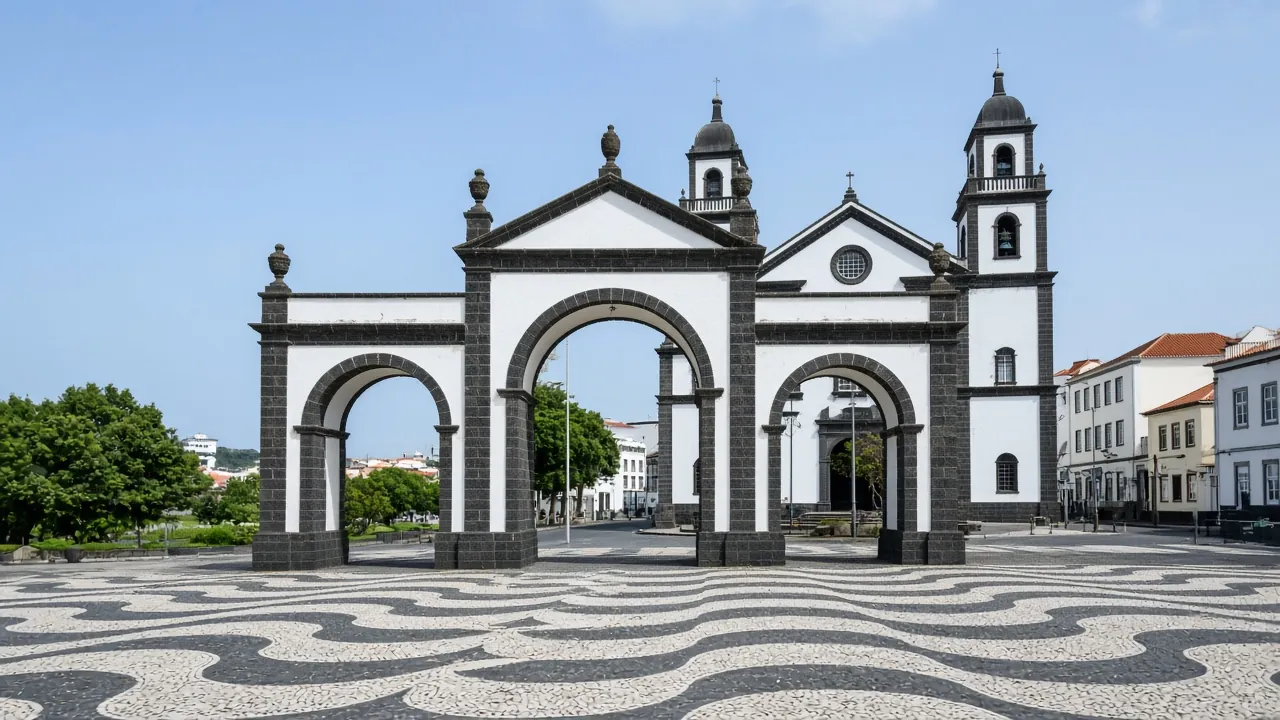
Ponta Delgada is the chief town of São Miguel, the largest of the Azores, a city of black basalt gates, a long waterfront avenida and a harbour that opens onto the mid-Atlantic. The Portas da Cidade, the three arches on the praça, are the civic emblem, and they sit close to the water. Ships usually berth beside the town; once you have cleared the terminal, the gates, the promenade and the streets behind them are a short walk, which is the real convenience of this landing.
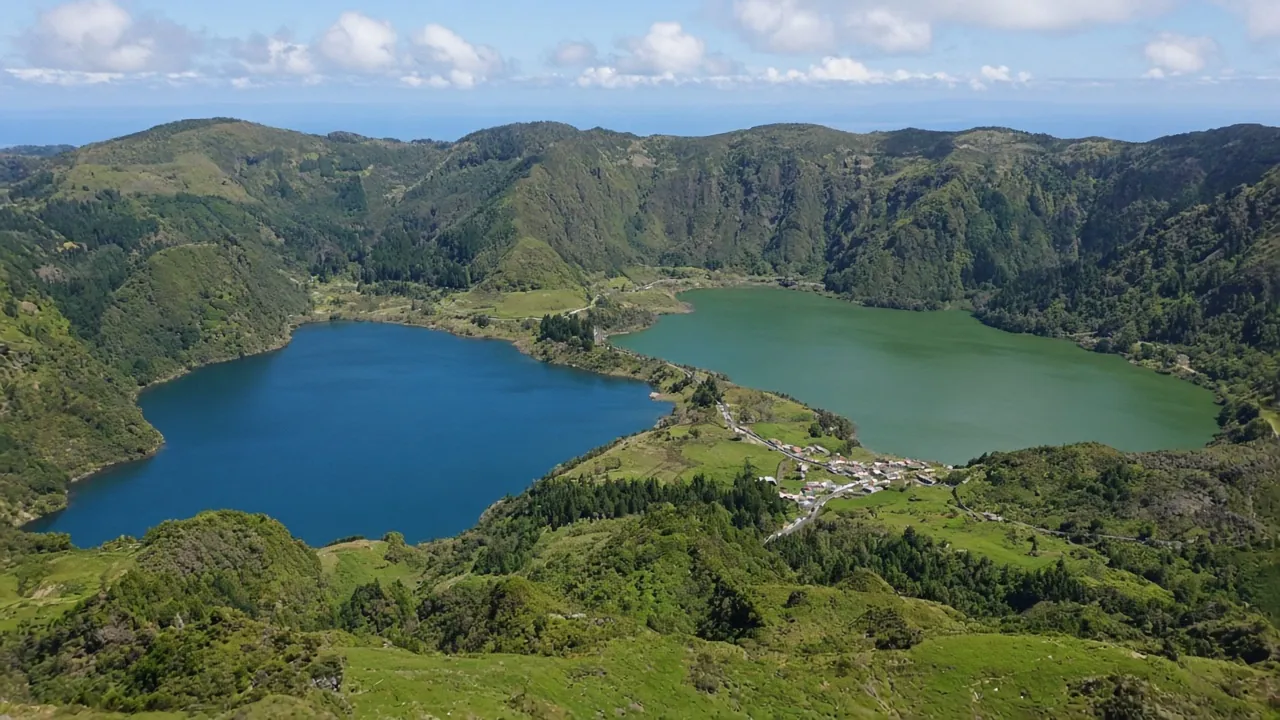
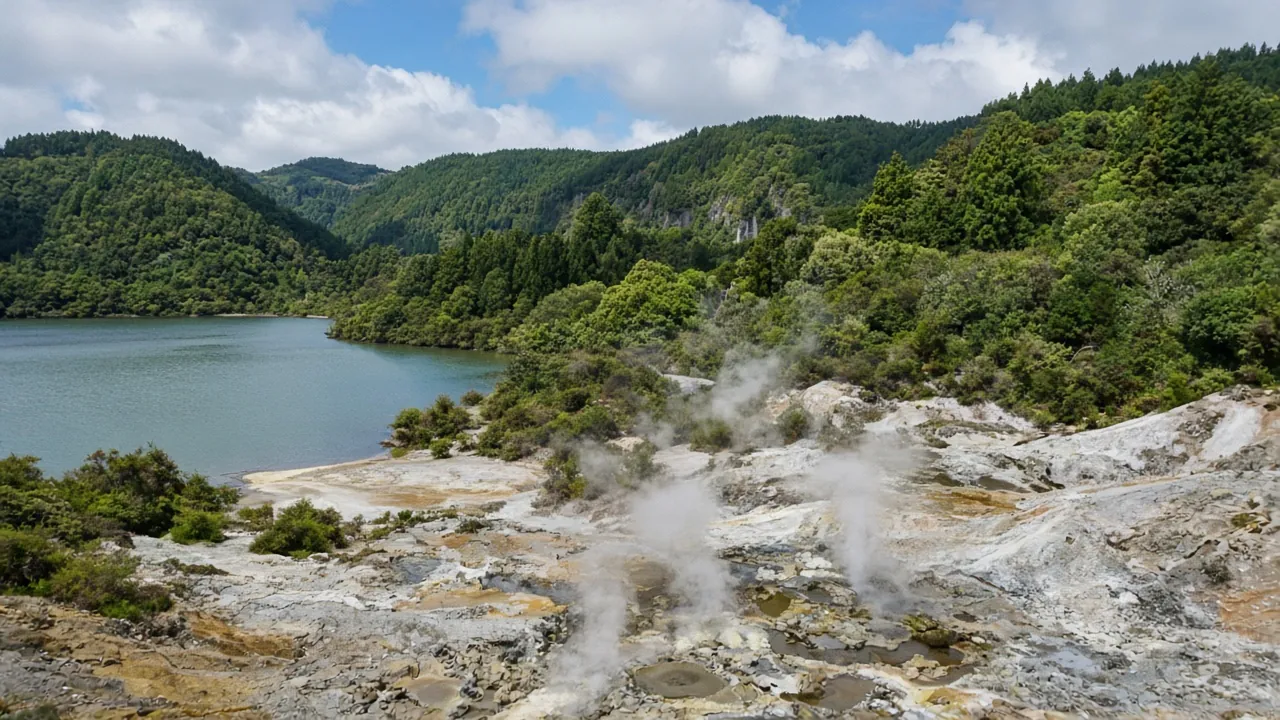
The island's famous calderas are each a proper drive. Sete Cidades, with its two lakes in a wide crater in the west, Furnas, with its hot ground, stew-pots in the earth and botanical garden in the east, and Lagoa do Fogo, high and often clouded in the middle of the island, will each take a serious slice of the day. One of them is plenty if you also want time in the streets. A harbour afternoon that tries to see all three will spend itself on winding roads in weather that can change between two viewpoints.
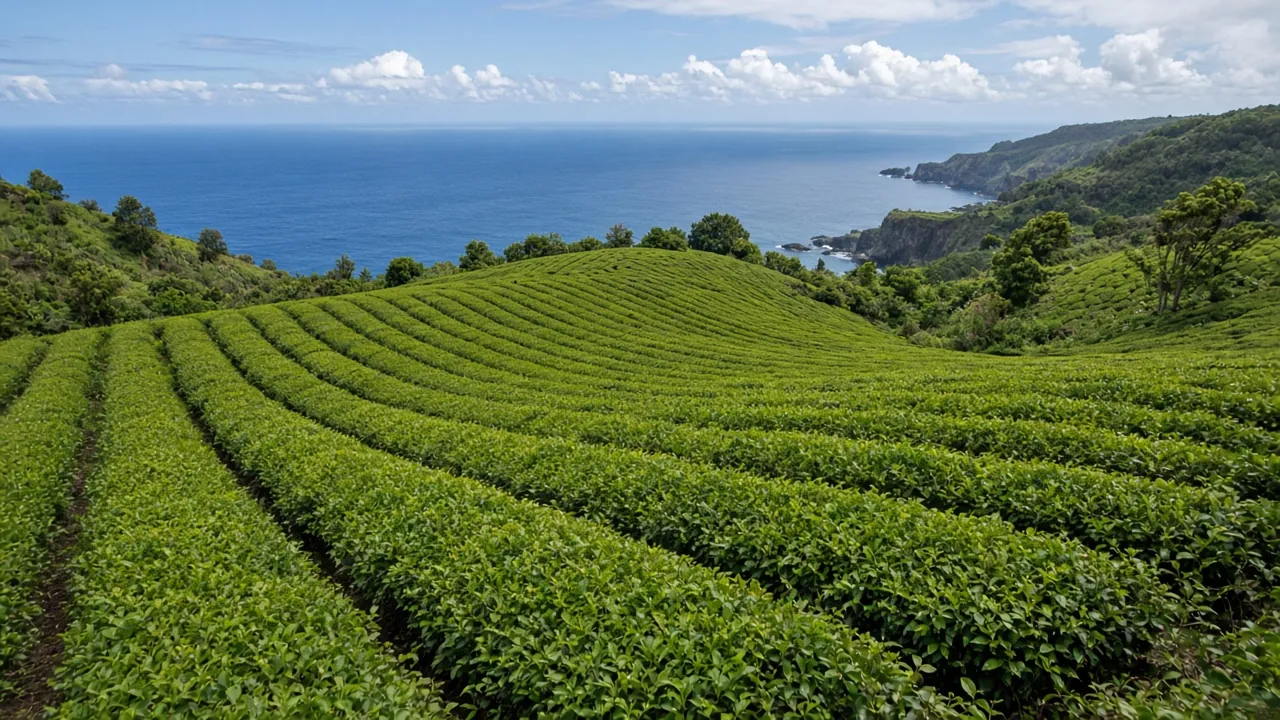
The last return to the quay belongs in the same plan as the inland drive. The weather in the Azores can turn quickly, and the wind off the harbour is part of the place. In town, the waterfront, a church interior, a garden and a proper lunch already have a complete civic shape. The pineapples grown in greenhouses on the island, the tea estates farther north, and the viewpoints above the city are nearer additions if you do not go out to a caldera.
Food is Azorean and generous: seafood, the island cheeses, a stew from Furnas if you go that way, and wine from neighbouring Pico or from the island itself. Portuguese is the language of the streets; English is used in the harbour and the visitor economy, though less thickly than in some mainland ports. The climate is mild and wetter than it looks in a postcard, and a layer against rain is more useful than a complicated timetable.
Ponta Delgada is not Angra, and it is not the Portuguese mainland. It is the door to São Miguel, and a day that holds to the city and one crater, with time left for the quay, will already have the island in view. Leave a margin for the road back, especially when the cloud has sat down on the interior and the same drive takes longer in both directions.
Port landmarks
Shore Excursions
- Private Hike & Snorkeling into the Wild with a Local – 4 h
- Hidden Gems of São Miguel: Small-Group Tour – 8 h
- Shore Excursion To Lagoa Do Fogo – 4 h
- Coast to Coast - Half Day - Buggy – 4 h
- Private Furnas Valley Full-Day Tour with a Local – 7 h
- Seven Cities Buggy Adventure - Half Day – 4 h
- Furnas Hot Springs Evening Guided Tour w Private Transportation – 4 h
- Private Mystic Lakes of 7 Cidades & Lagoa do Fogo Guided Tour with a Local – 7 h
- Shore Excursion To Sete Cidades – 4 h
- Canyoning HD Adventure in Ribeira da Salga With Lunch – 5 h
- Private Underwater Spearfishing Adventure Expedition on Coastal Reefs – 4 h
- São Miguel East Van Tour: Furnas & Nordeste + Lunch – 8 h
- Coast to Coast - Full Day - Buggy – 8 h
- Furnas - Full Day - Jeep Tour – 8 h
- Shore Excursion To Furnas – 4 h
- Nordeste/Povoação - Full Day - Van Tour – 8 h
- Private Shore Excursion from Ponta Delgada – 4 h
- Sete Cidades - Half Day - Jeep – 4 h
- Canyoning in Salto do Cabrito – 4 h
- Furnas - Full Day - Van Tour – 8 h
- Seven Cities Green Quad Tour – 4 h
- Kayaking Adventure in Vila Franca do Campo – 3 h
- São Miguel West Van Tour: Sete Cidades & Fogo Lake – 8 h
- Seven Cities Yellow Quad Tour – 8 h
- Furnas Thermal Bliss: Baths & Massage Escape – 4 h
- Boat Trip with Fun Activities - Half Day – 4 h
- Coasteering in Caloura, São Miguel – 3 h
- Lagoa do Fogo/Sete Cidades - Full Day - Van Tour – 8 h
- Stand Up Paddle Experience in São Miguel – 2 h
- Chasing Waterfalls in the Azores: Small-Group Nature Tour – 8 h
- E-MTB Self Guided Tour Of Volcanic Sete Cidades – 5 h 30 min
- Whale and Dolphin Watching on São Miguel Island – Half Day – 3 h
- Lagoa do Fogo/Sete Cidades - Full day - Jeep Tour – 8 h
- Tandem Paragliding Adventure with Local Instructor in the Azores – 2 h 30 min
- Seven Cities Buggy Adventure - Full Day – 7 h
- Private Hiking Adventure Through Volcanic Peaks & Valleys of the Azores – 7 h
- Whale Watching - Half Day – 3 h
- Canyoning Experience in Parque Natural da Ribeira dos Caldeirões – 2 h 30 min