Phuket, Thailand
Ports
Home • Ports • Asia • Thailand • Phuket
About Phuket
Phuket is Thailand's largest island, in the Andaman Sea, with a Sino-Portuguese old town and a long west-coast beach strip. Many cruise ships berth at the deep-sea port on the southeast, a short taxi ride from Phuket Town and a longer one over the hills to Patong; some calls tender to a west-coast landing instead. The day's papers are worth reading before you plan a walk. Phi Phi and the island-hopping bays are boat outings that will take most of a day. Leave time for the return to the actual harbour or tender point, not to a beach that is not your ship.
Phuket is Thailand's largest island, in the Andaman Sea off the west coast of the peninsula, with a Sino-Portuguese old town, a long west-coast beach strip, and a steep, green interior. Phuket Town, inland of the southeast harbour, still shows the shop-houses of a later tin-mining prosperity; Patong and the other west-coast beaches face the open Andaman, over the hills from the deep-sea port. The two sides of the island are close on a map and not close in time, especially in traffic.
Many cruise ships berth at the deep-sea port on the southeast, at Makham Bay, a short taxi ride from Phuket Town and a longer one over the hills to Patong. Some calls tender to a west-coast landing instead. The day's papers are worth reading before you plan a walk. This page is Phuket, and the last return is to the actual harbour or tender point, not to a beach that is not your ship. Phi Phi and the island-hopping bays of the Andaman are boat outings that will take most of a day; they only fit a generous call with a reliable last return.
A first day can stay with Phuket Town, a temple or two, and a lunch in the old streets, or with one west-coast beach if that is the day's aim, without trying to do both at a rush and still add a boat. The heat and the humidity are constant; a hat, water and a loose timetable matter more than a long list. The west-coast traffic can be heavy in the afternoon, which is when many people are trying to get back to the southeast port.
Food is Thai and of an Andaman island: seafood, curries, and later cooking along the beaches and in the old town. Thai is the language of the island; English is widely used in Phuket Town and at the beaches, more thinly in ordinary streets away from the visitor strip. Temple visits require covered shoulders and knees.
Wat Chalong, on the way between the southeast and the west, is a close temple stop if you are already crossing the island, but it should not become a third destination on a short call. The old town's Sino-Portuguese streets are at their best in the morning, before the heat and the traffic have built up. Leave time for the return to the actual landing. A day that holds to one side of the island, with a clear last ride or tender, will have seen Phuket properly, without spending the clock on the hill road between the old town and a west-coast beach that is not the ship.
Port landmarks
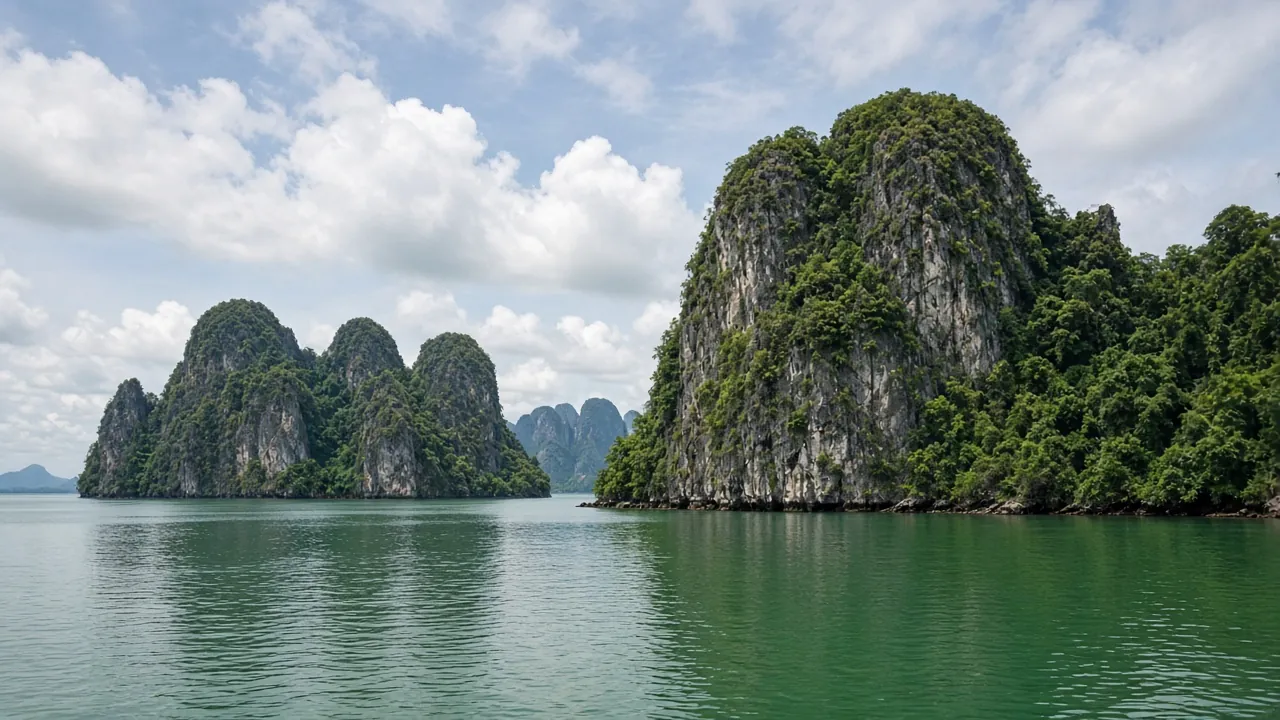
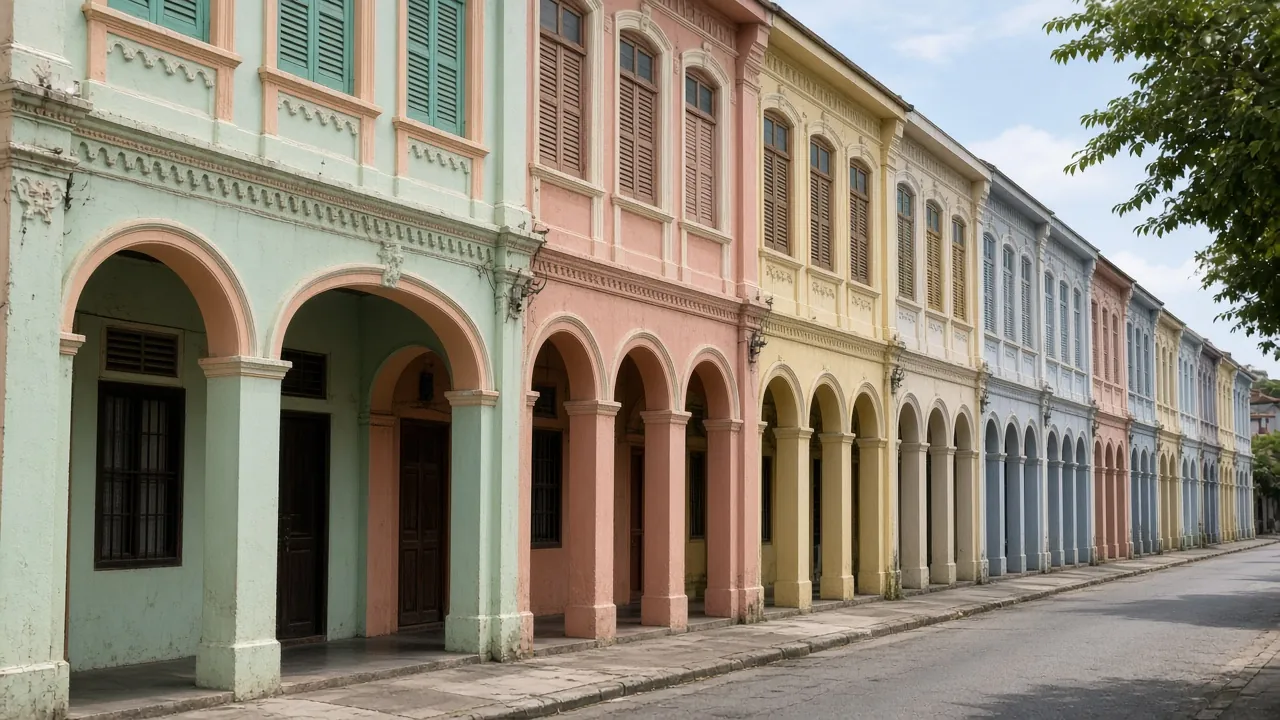
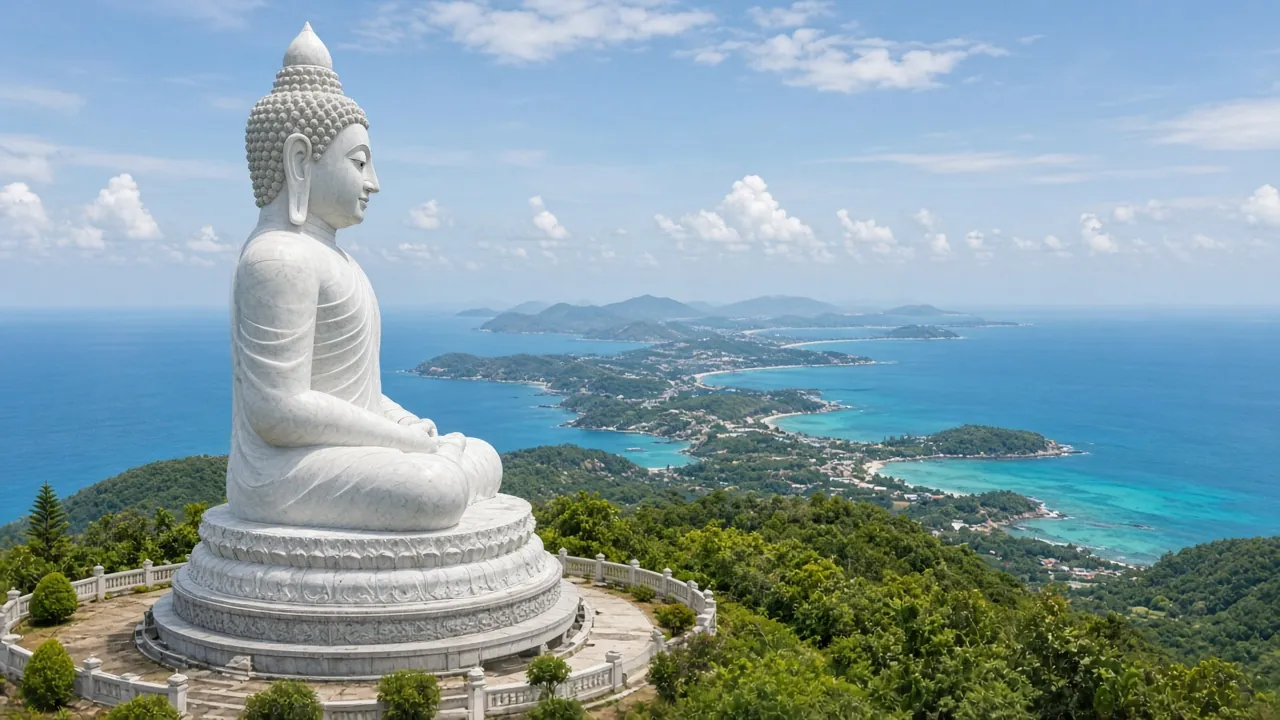
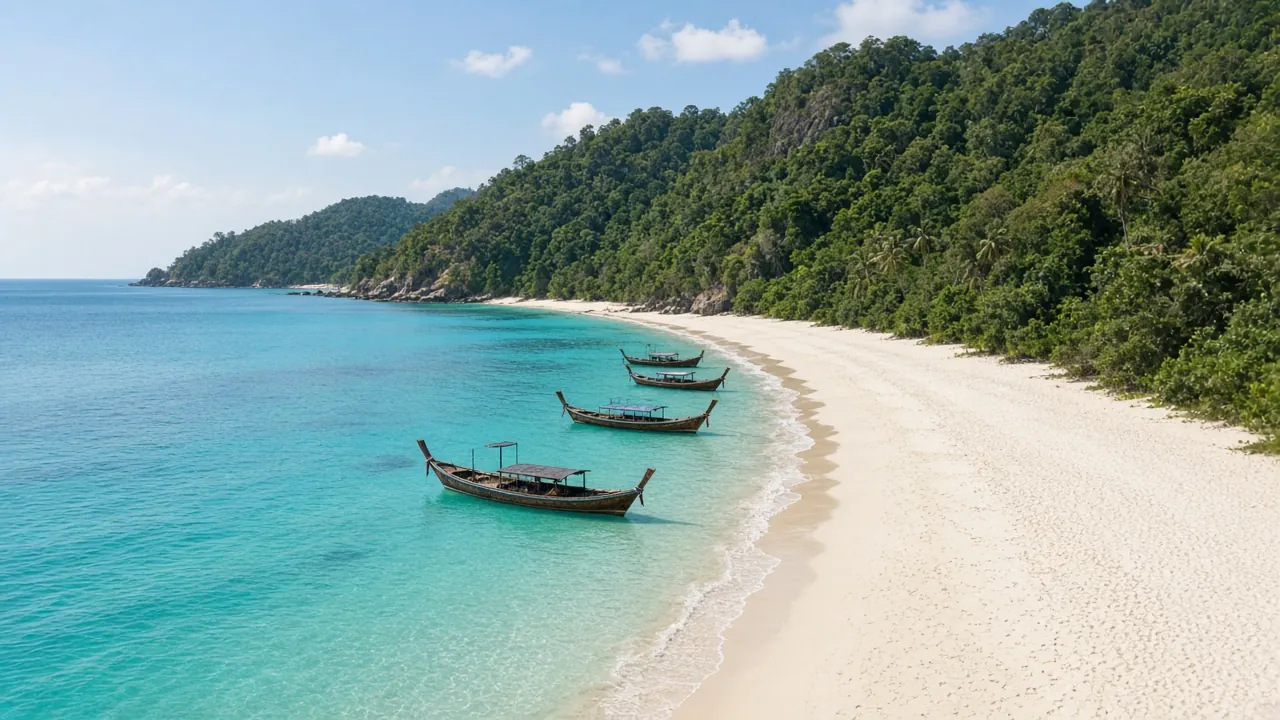
Shore Excursions
- Luxury Private Speed Boat Charter – Coral Delight by Simba Sea Trips – 6 h
- Shore Excursion: Explore Phang Nga Bay and Phuket Market – 8 h
- Luxury Private Speed Boat: Phang Nga Bay & Beyond Tour – 8 h
- Similan Islands Private Tour – 7 h
- ATV & Ao Thalane Kayak (small group) – 5 h
- Krabi kayak at Ao Thalane – 5 h
- Koh Ngai, Koh Mook and Koh Kradan Private Boat Tour – 7 h
- Private Excursion To Promthep Cape: Explore Phuket Old Town – 8 h
- Phi Phi And James Bond Private Boat Tour – 7 h
- Full-Day Private Cruise of Khai & Mai Ton Islands – 6 h 30 min
- Krabi Island Private Boat Tour – 7 h
- Coral Island / Mai Ton Island Private Boat Tour – 8 h
- James Bond Island Private Boat Tour – 7 h
- Private Custom Boat Tour from Phuket – 7 h 30 min
- Private Boat Tour With Dolphin Spotting & Snorkelling From Phuket – 7 h
- Luxury Private Speed Boat: Krabi Islands Tour – 8 h
- Phi Phi Island Private Boat Tour – 10 h
- Luxury Private Speed Boat: Phi Phi Sunrise Tour – 8 h
- Phi Phi Sunrise Tour from Phuket: Premium Small Group Speedboat Experience – 8 h
- Phang Nga Bay & James Bond Island Luxury Small Group Tour from Phuket – 7 h 30 min
- ATV Jungle Adventure in Krabi with Roundtrip Transfer – 2 h
- Raya Island / Mai Ton Island Private Boat Tour – 8 h
- Koh Rok And Koh Ha Private Boat Tour – 7 h 30 min
- Luxury Private Speed Boat: Phang Nga Bay Sunset Cruise – 4 h 30 min
- Coral Island Private Boat Tour – 5 h
- Private Roundtrip Transfer Via Speedboat To Santhiya Koh Yao Yai – 30 min
- Phuket Shore Excursions Explore Phang Nga Bay and Old Town – 8 h
- Luxury Small Group Sunset Tour: Phi Phi Island Shark Spotting – 8 h 30 min
- Early Bird Kayak Private – 4 h 30 min
- Khai Island Private Boat Tour – 6 h 30 min