Panama City, Panama
Ports
Home • Ports • America • Panama • Panama City
See all 25 tours in Panama City
About Panama City
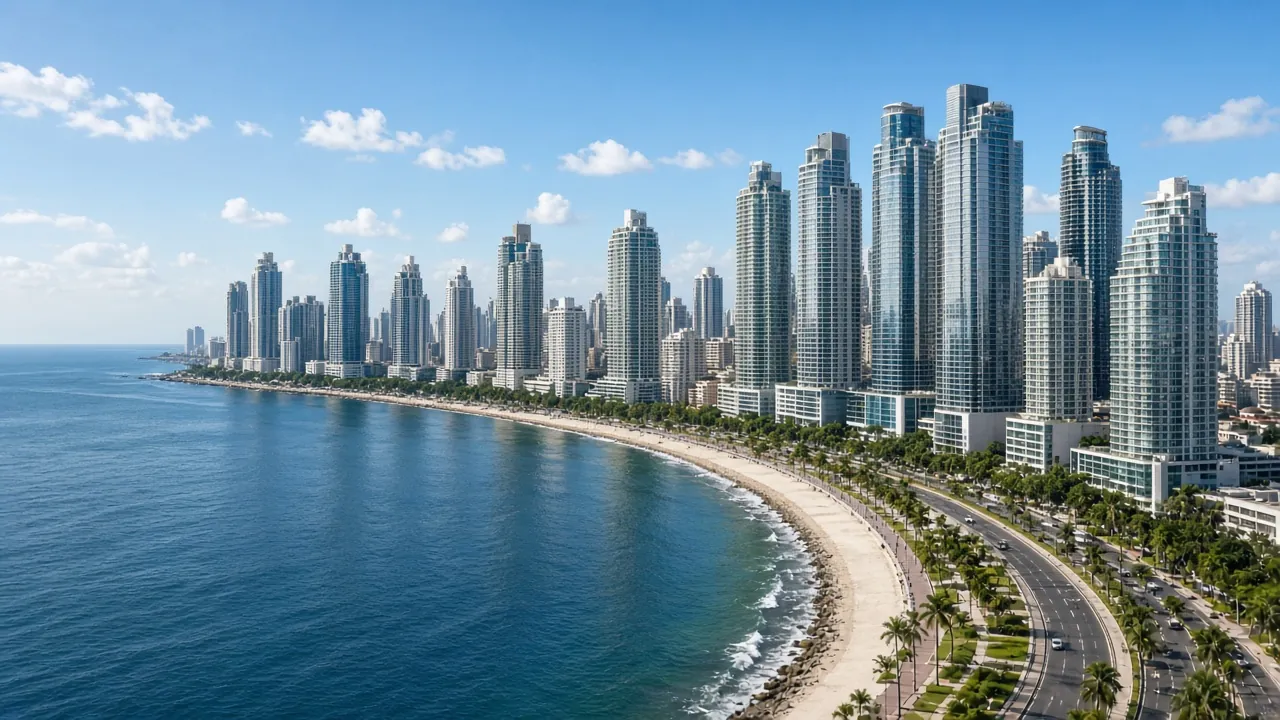
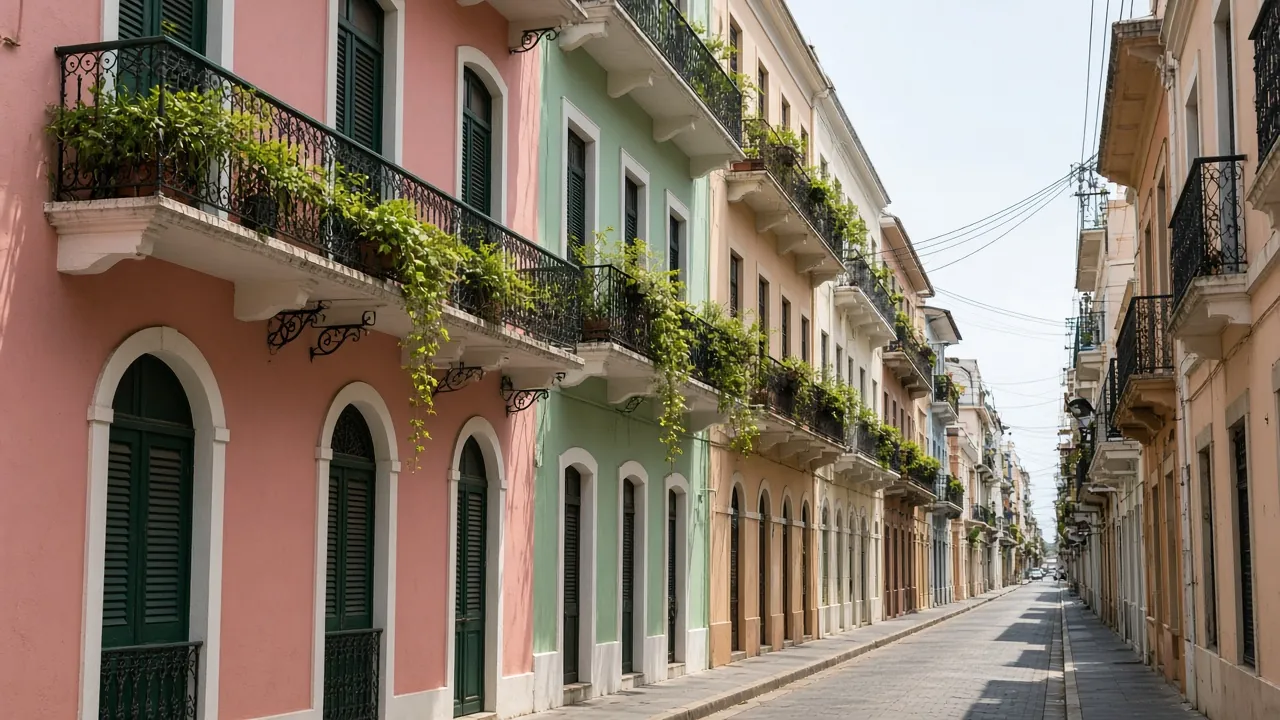
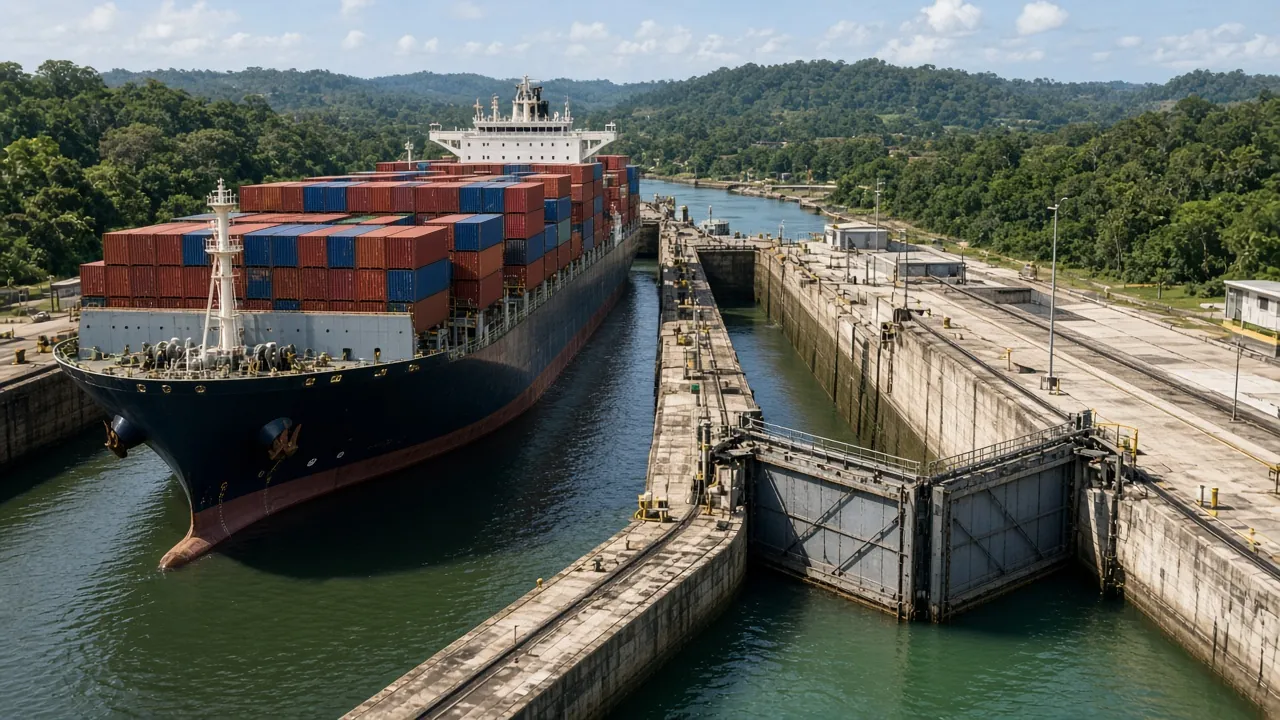
Panama City faces the Pacific at the other end of the canal: a skyline of new towers, the colonial streets of Casco Viejo, and the ruins of Panamá Viejo a little further along the shore. Cruise ships often berth at Fuerte Amador, on the causeway that links the city to a string of small islands; Casco Viejo is then a taxi or a short drive, not a walk from the gangway. Miraflores Locks, where you can watch ships cross between the canal and the Pacific, are a separate outing from the old town. The heat is steady, and the city is larger than it first appears from the water. Colón, on the Caribbean side, has its own harbour page.
Panama City faces the Pacific at the other end of the canal from Colón: a skyline of new towers along the bay, the colonial grid of Casco Viejo on its small peninsula, and, farther east, the ruined stone of Panamá Viejo, the first city, abandoned after a pirate raid in 1671. The three faces of the capital — the new shore, the restored colonial town, and the ruins — do not sit on top of one another, and a harbour day is more enjoyable if you pick one or two rather than all three.
Cruise ships often berth at Fuerte Amador, on the causeway that was built with rock from the canal cuts and now links the city to a string of small islands. The landing is a taxi or a short drive from Casco Viejo, not a walk from the gangway, and the last transfer back along the causeway belongs in the same plan. Miraflores Locks, where you can watch ships move between the canal and the Pacific, are a separate outing from the old town; they are close enough for a morning if you do not also try to walk every street in Casco Viejo.
Casco Viejo itself is the most rewarding close city: a tight, partly restored quarter of churches, plazas and balconies, with the new skyline in view across the water. It is hilly in a mild way, walkable, and hot. Panamá Viejo needs a short ride and a little more imagination; the new banking shore is a different, more vertical city and is easy to see from a taxi if you are not going into it. The canal museum and the lock visitor centres tell the isthmus story without requiring a transit.
The climate is tropical and humid. Afternoon rain is common, and the heat in the old streets can be sharp at midday. Food in Casco Viejo is a mix of Panamanian kitchens and a more international visitor scene; ceviche, plantain and rice and beans are the honest local thread. Spanish is the language of the city; English is widely used in the visitor economy.
Colón, on the Caribbean side, has its own harbour page. The two cities share a canal and not much else in a single afternoon. Stay with the Pacific capital, leave time for the causeway ride back to Amador, and let Casco Viejo or the locks — not both at a sprint — set the pace of the day.
Port landmarks
Shore Excursions
- Miraflores Locks Visitor Center and Monkey Island and Nature Private Tour – 4 h
- Gatún Lake Sightseeing and Monkey Tour – 3 h
- Panama Canal Visitor Center and City Tour Private Tour – 5 h 30 min
- Panamanian Geisha Coffee and Chocolate Tasting All Inclusive Tour – 2 h
- Colon Shore Excursion: Panama City And Canal Private Tour – 5 h
- Horseback Riding, Zipline, and Boat Ride Adventure – 8 h
- Aguas Claras-Gatun Locks Visitor Center & City Tour in Colón – 5 h
- Gatun Lake Wildlife Safari Expedition and Miraflores Canal Locks – 5 h
- Half Day Adventure to Gamboa Sloth Sanctuary and Monkey Island Wildlife Sig – 6 h
- Panama Viejo and Casco Antiguo Tour – 4 h
- Caribbean Gems: Portobelo and Grande Island Private Tour – 8 h
- City Sightseeing Hop On Hop Off Bus Tour Panama City – Flexible · valid 24 h
- Emberá Villages Tour – 6 h
- Private Colon City Tour: Exploring Caribbean Roots, Food, and Culture – 6 h
- Casco Antiguo walking tour and Panama Canal – 4 h
- Private Shopping in the Biggest Duty free Zone of Las Americas in a Day – 7 h
- Panama Canal Visitor Center and City Tour Shared Tour – 5 h 30 min
- Snorkeling and Kayak Adventures in Portobelo Beach – 8 h
- Panama Canal and City Sightseeing Tour – 8 h
- Chagres River Farm Day Adventure Tour – 8 h
- Private Old Canal Zone Tour (Miraflores Locks, Former Bases, and Museum) – 5 h
- Monkey Island Gamboa Rainforest Tour – 4 h
- Exploring Panama La Vieja Hidden Treasures of the Ancient City Private Tour – 3 h
- Day Tour to Venas Azules Portobelo Beach – 8 h
- Embera Tribe Tour and Village Exploration – 6 h