New Orleans, United States
Ports
Home • Ports • America • United States • New Orleans
See all 19 tours in New Orleans
About New Orleans
New Orleans stands on a crescent of the Mississippi, a low city of a tight French Quarter, a later warehouse district and a wide river levee. Cruise ships use the Julia Street and Erato Street terminals along the river, close enough that the Warehouse District and the Quarter can be reached on foot or by a short ride, though the walk is longer than it looks on a warm day. This page is New Orleans. The Quarter, the riverfront and a streetcar stretch will fill a first day if you do not try to cross the whole city. Leave time for the return to the river terminal your ship is using.
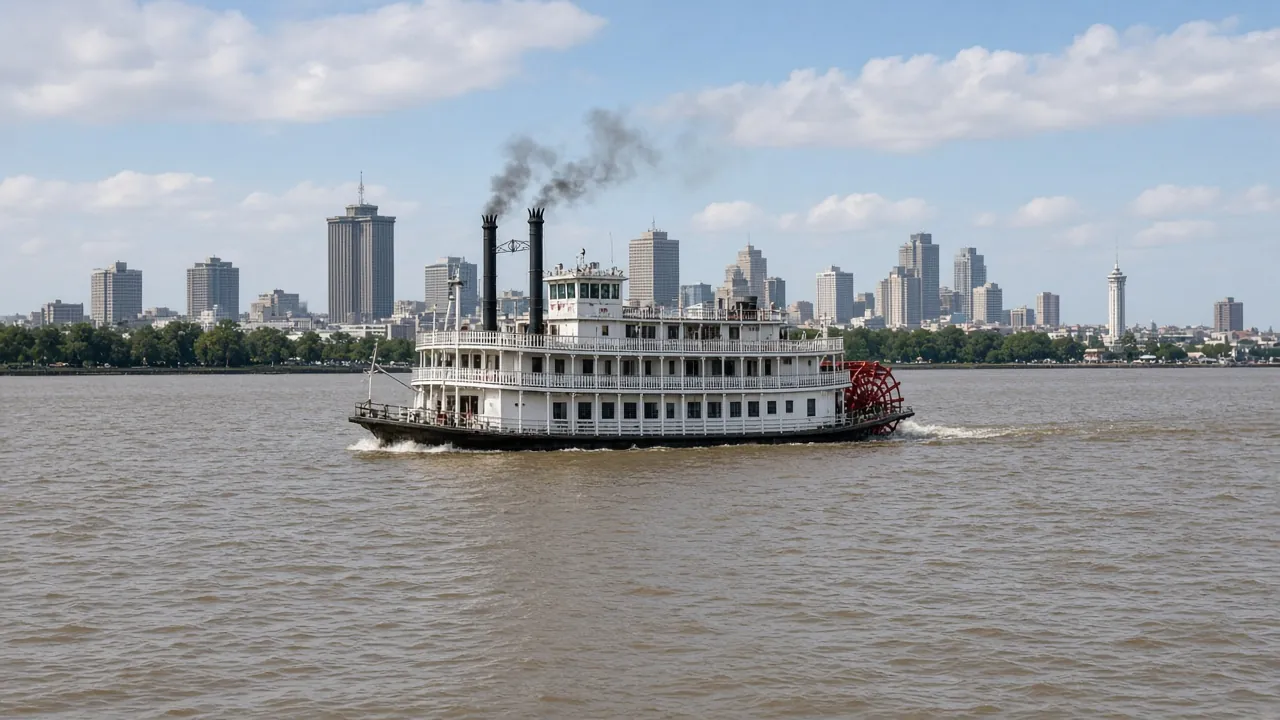
New Orleans stands on a crescent of the Mississippi, a low city of a tight French Quarter, a later warehouse district and a wide river levee. The river is the reason the city exists, and a first visit is often better when it stays with the Quarter, the riverfront and one other neighbourhood, rather than trying to cross the whole map.
Cruise ships use the Julia Street and Erato Street terminals along the river, close enough that the Warehouse District and the French Quarter can be reached on foot or by a short ride, though the walk is longer than it looks on a warm day. The Convention Center lines much of the river here, and the way into the Quarter is along the levee or inland a few blocks. This page is New Orleans. Confirm which river terminal the ship is using; they are near one another, and the last return is to the correct door.
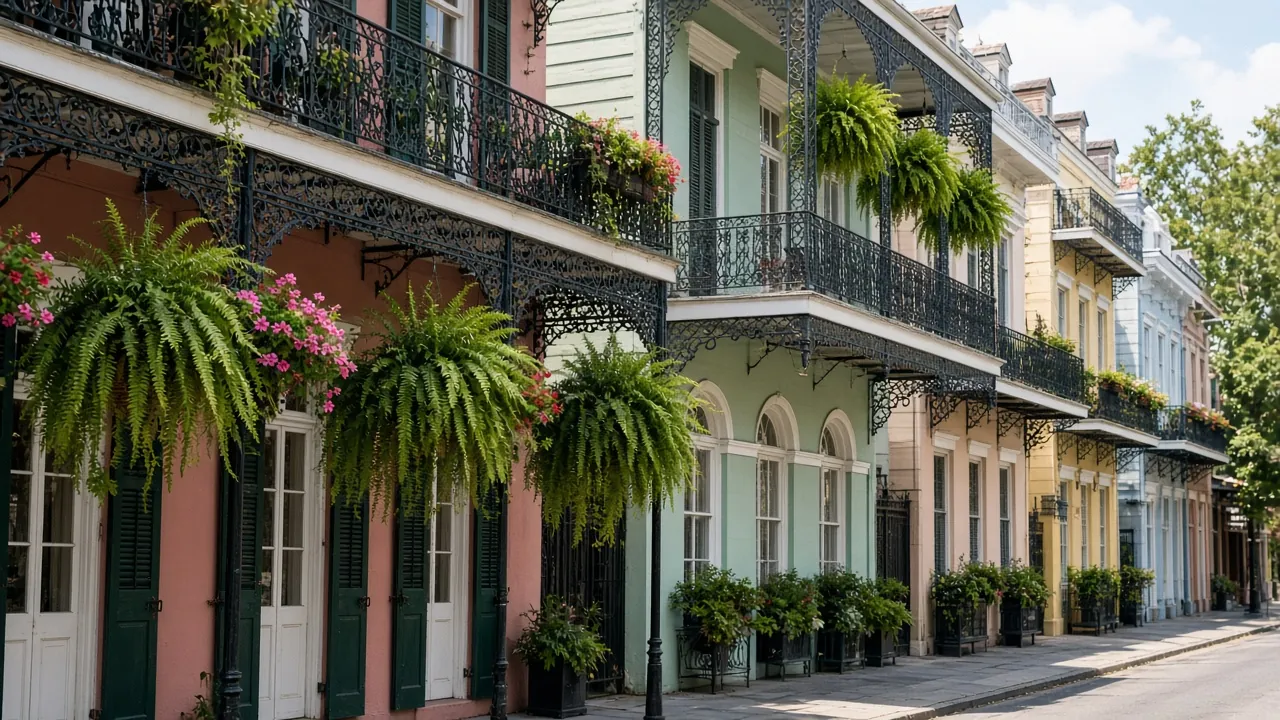
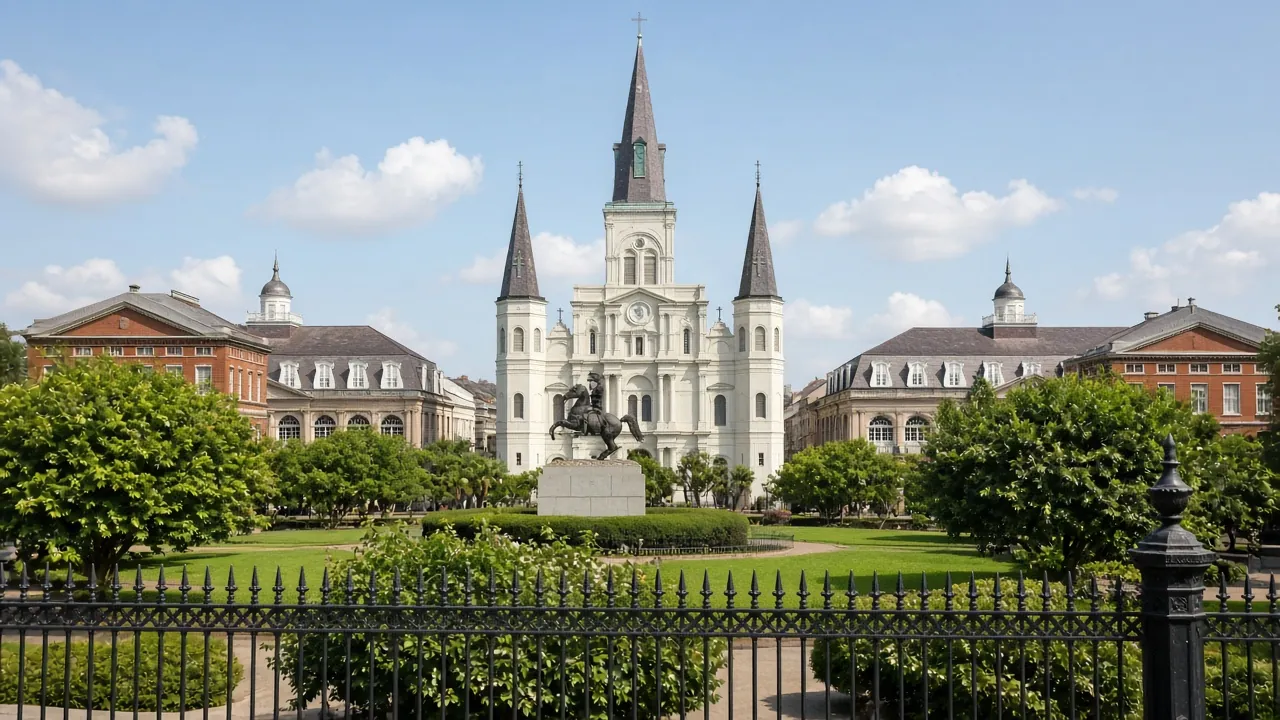
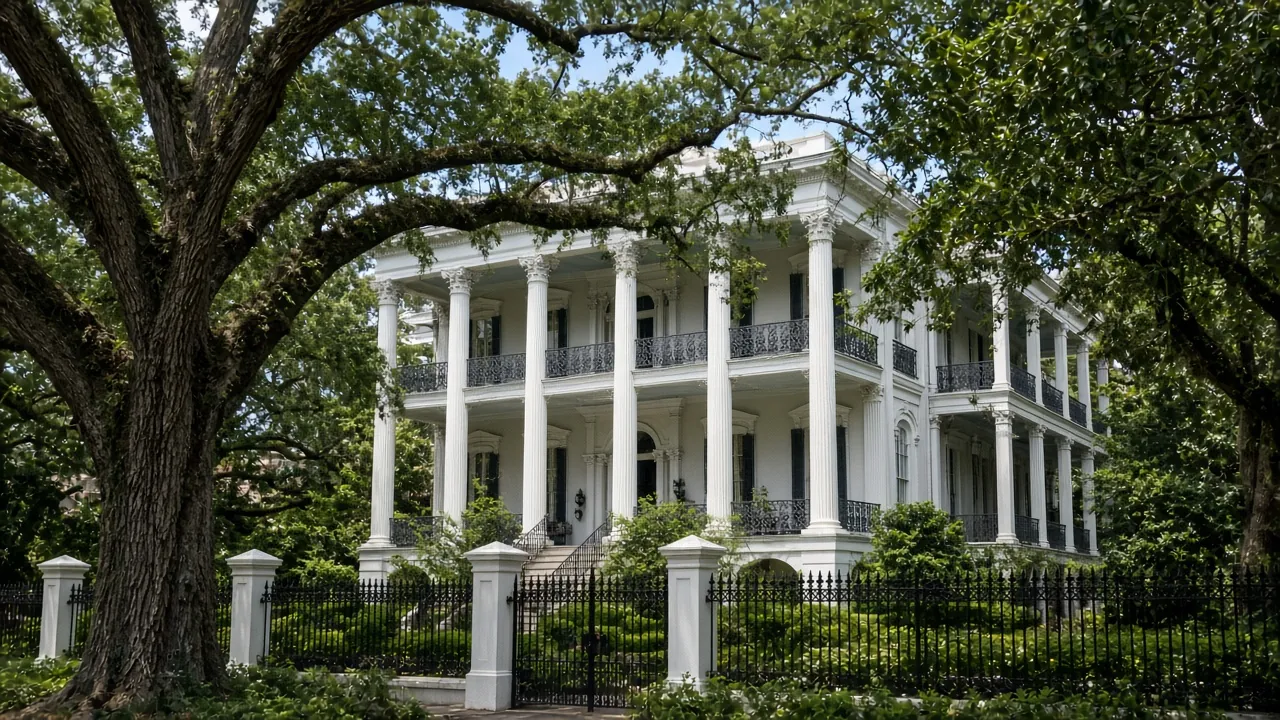
Jackson Square, the St. Louis Cathedral, the shallower streets of the Quarter and a pause at the river will fill a morning. Bourbon Street is one street, not the city; Royal Street and the quieter blocks toward the river or toward the Marigny often have more of the Quarter's ordinary character. The St. Charles streetcar runs from the edge of the central district out through the Garden District, a later, green outing of houses and a slower ride if the hours allow. Frenchmen Street, just beyond the Quarter, is a better first place than Bourbon if you are looking for music in the evening, and only if the ship's clock allows it.
The climate is hot and humid for much of the year, and a short walk can feel long. The city has rebuilt many of its public and private places in the years since Hurricane Katrina; a port day is not a tour of that disaster. Beignets, po-boys, rice and the city's cafés are part of the pleasure of being here. Leave time for the return to the river terminal your ship is using, not to a square, a streetcar stop or a restaurant that is not your ship.
The Warehouse District, just inland from the terminals, holds later museums and brick streets that are an easy first hour if you do not go straight into the Quarter. Magazine Street is a longer, mixed commercial road uptown, better as a streetcar-and-walk outing than as a taxi raid. Jackson Square musicians and artists are part of the ordinary morning, and the cathedral is a short, living church as well as a façade. Hydration and shade matter; the city has lost visitors to the heat who thought the distances were nothing. Confirm the all-aboard time before you sit down to a long meal.
Port landmarks
Shore Excursions
- New Orleans Before & After Katrina: Built on Water, Tested by Storm – 2 h
- New Orleans Jazz Tour - Private and Join-in Options – 2 h 30 min
- St. Louis Cathedral Self-Guided Audio Tour With iPad in New Orleans – 1 h
- New Orleans Self-Guided Walking Audio Tour – Flexible · valid 24 h
- Small Group New Orleans Jazz Tour – 2 h 30 min
- Customizable Private Tour in New Orleans – 2 h
- Becoming New Orleans: A French Quarter Living History Tour – 1 h 30 min
- New Orleans Cemetery Beyond the Grave Remembrance Tour – 1 h 30 min
- Ghosts Of New Orleans: Self-guided Haunted Audio Walking Tour – 1 h 8 min
- Explore Historic New Orleans: Hidden Garden District Tour! – 2 h
- Old Ursuline Convent Museum Admission in New Orleans – 2 h
- New Orleans Witches Coven Garden District Tour – 2 h
- The Dead Remember: New Orleans Ghost Tour – 2 h
- Garden District: Mansions, Money & Mahem Walking Tour – 2 h
- New Orleans Historic Donut & Beignet Tour – 2 h
- VIP Early Access Guided Tour of Historic St. Louis Cathedral – 1 h
- New Orleans French Quarter Food Tour - Private and Join-In Options – 2 h 30 min
- City Sightseeing Hop On Hop Off Bus Tour New Orleans – Flexible · valid 24 h
- Self-Guided Walking Tour French Quarter In New Orleans – 1 h 15 min