Nassau, Bahamas
Ports
Home • Ports • Caribbean • Bahamas • Nassau
About Nassau
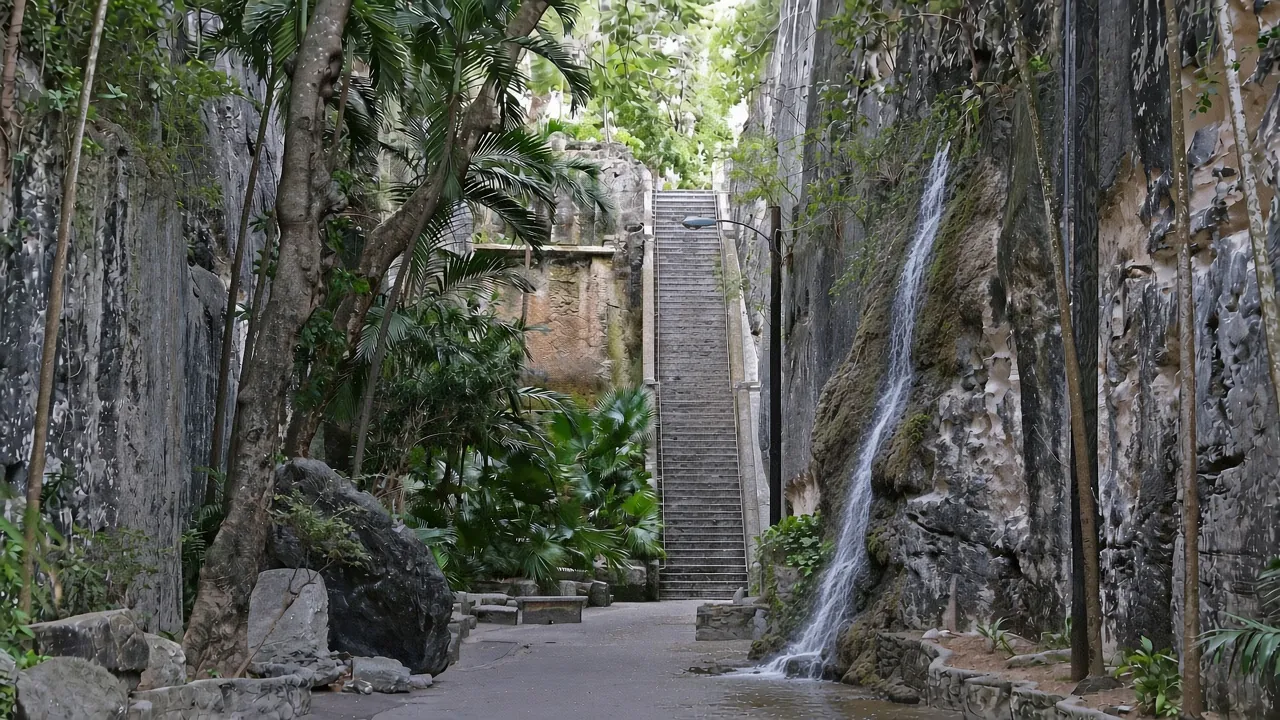
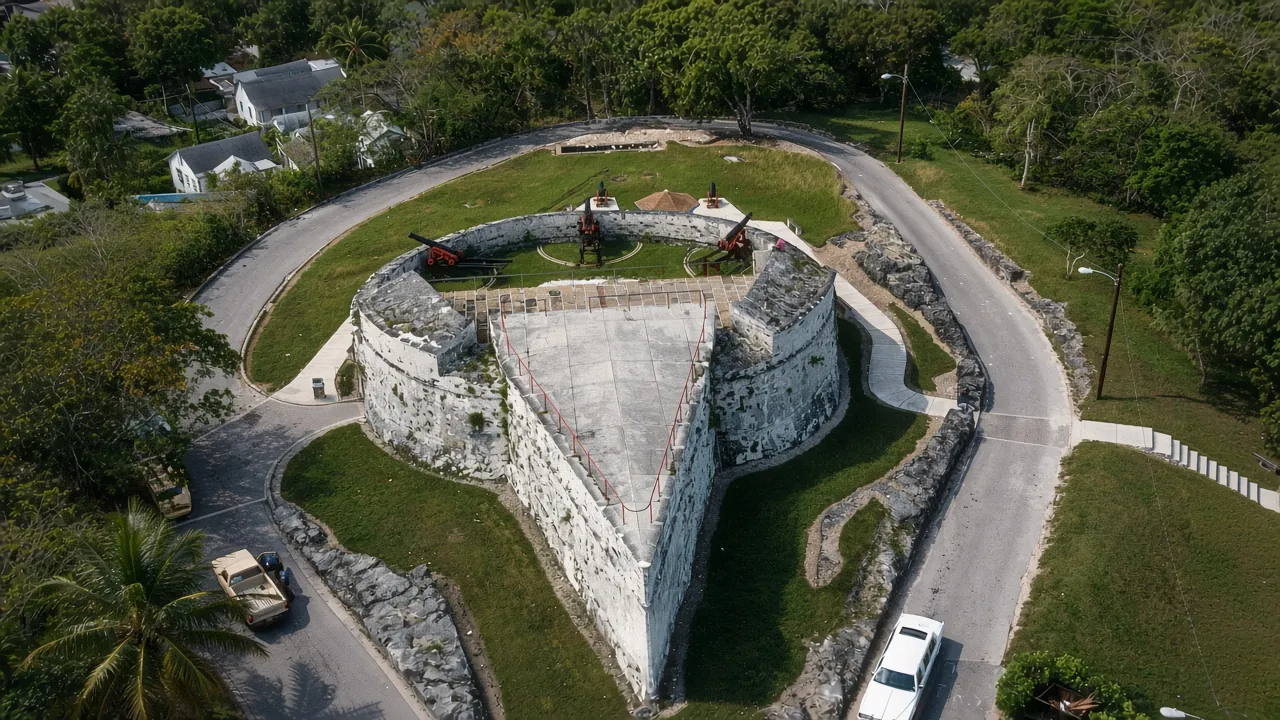
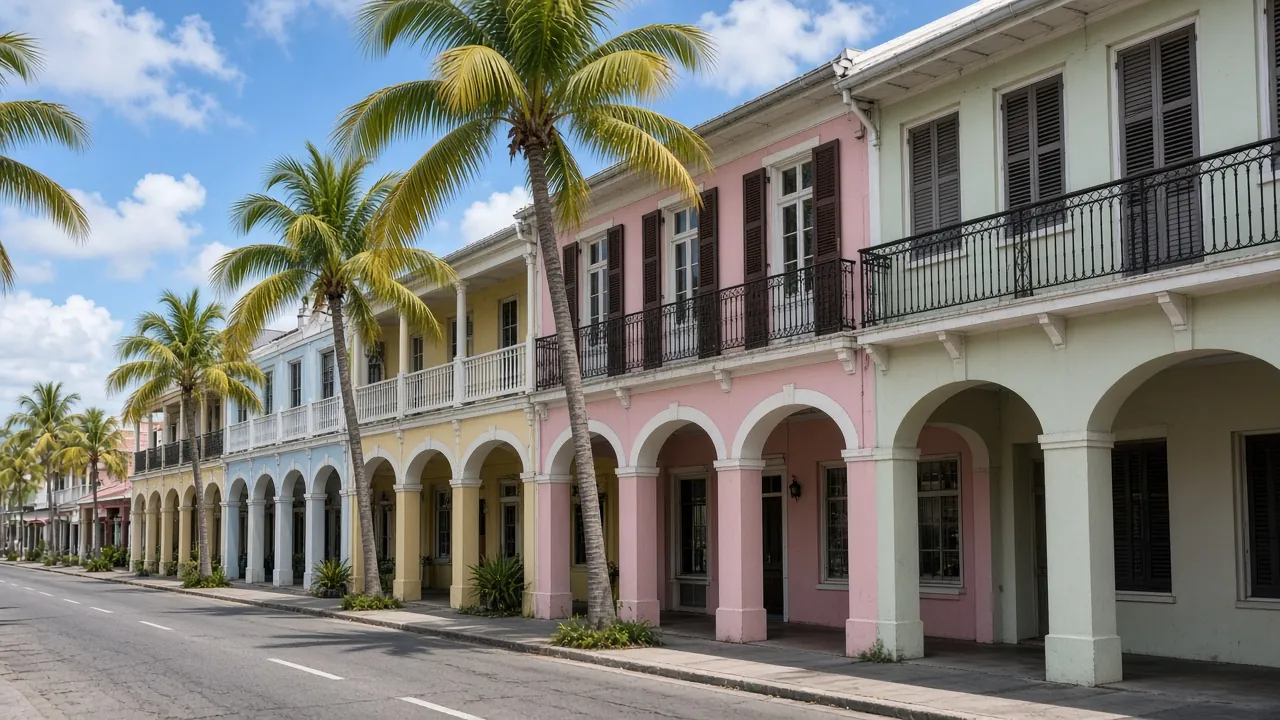
Nassau, the capital of the Bahamas, stands on New Providence, a compact colonial city of pastel official buildings, a busy Bay Street and a harbour that has long been the country's main door. Forts on the ridge, the Queen's Staircase and the streets around Parliament Square are the close-in historic stops; Paradise Island, with its beaches and the Atlantis resort, lies just across the bridge. Cruise ships usually berth at Prince George Wharf, at the edge of downtown, so Bay Street and the central squares are a short walk. The island is small, but traffic and crowds around the wharf can still slow a tight timetable.
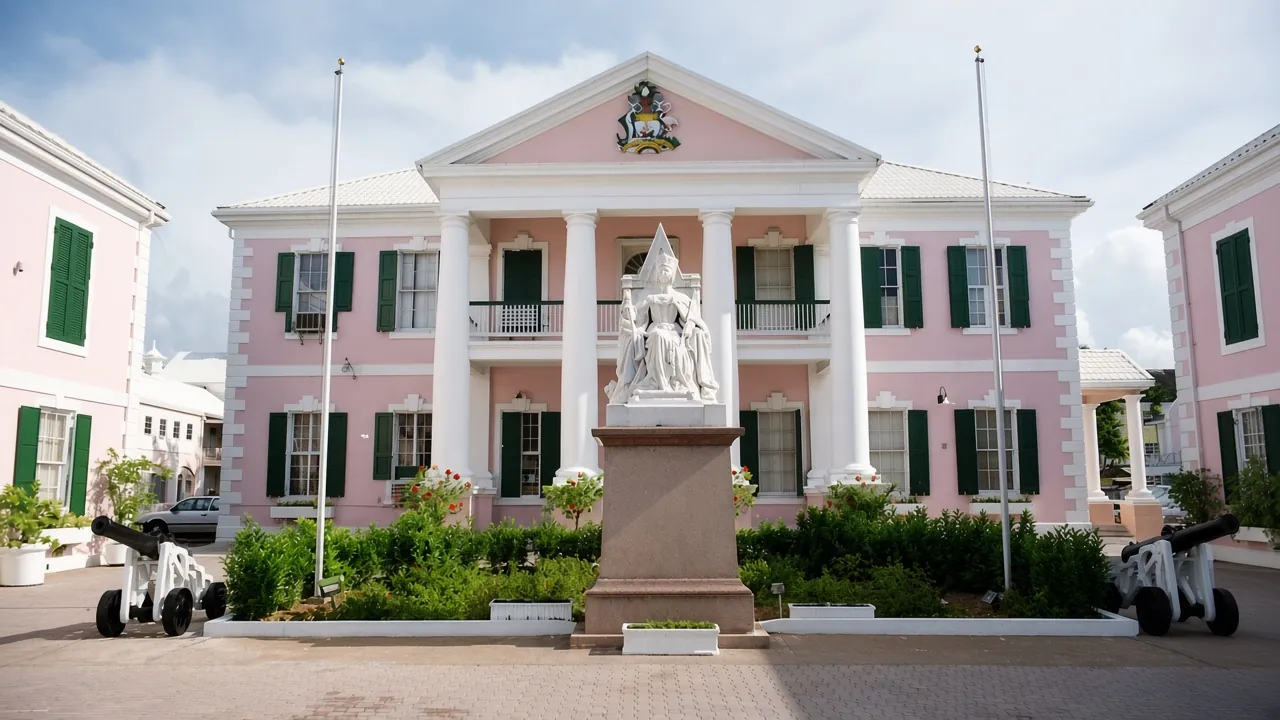
Bay Street is the commercial spine of the old city, running behind the harbour with shops, the straw market and, just above, the official quarter around Parliament Square, with its pale colonial buildings and a compact civic scale. The Queen's Staircase, a carved flight of steps in the limestone, leads up toward Fort Fincastle; Fort Charlotte, a little further west, is a larger hilltop fort with a view over the harbour. These are close, walkable stops, and they tell the story of a British colonial capital that became the centre of an independent Bahamas. The streets are busy on ship days, and the historic area is small enough that you will not get lost, though you may feel the crowds.
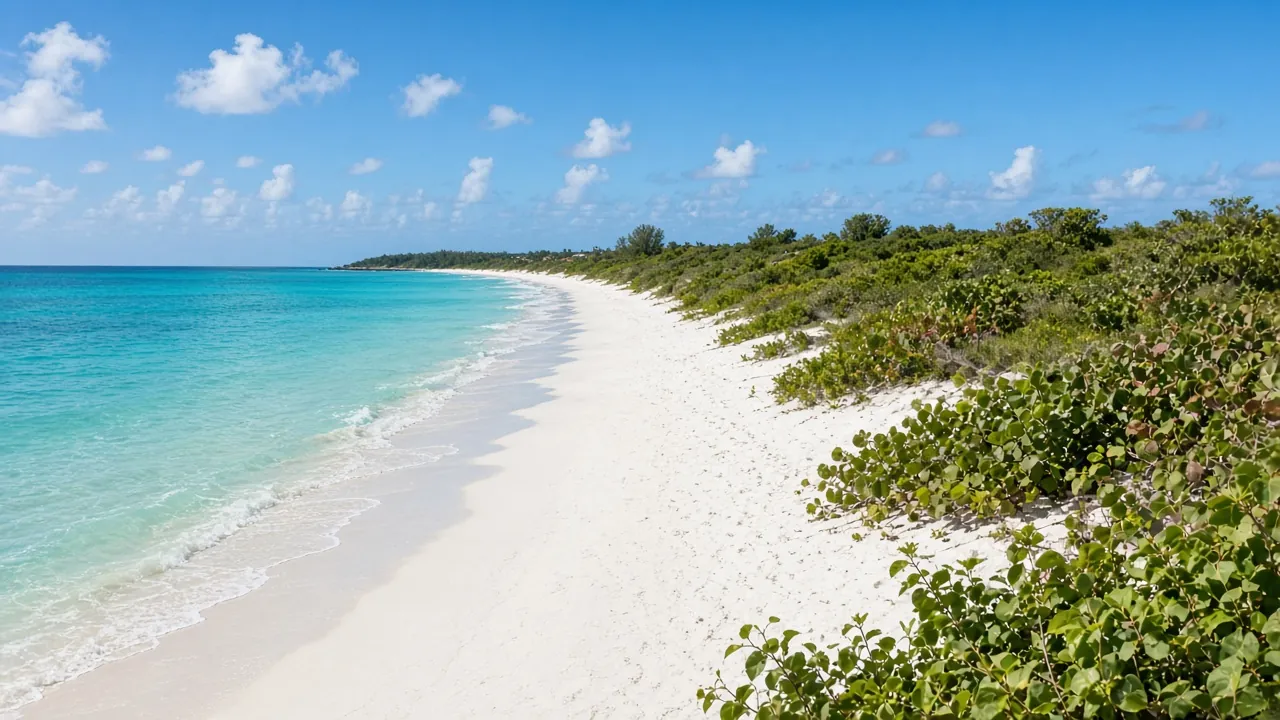
Paradise Island, reached by a bridge from the eastern edge of town, holds beaches and the large Atlantis resort, a separate, more manufactured outing that many passengers choose and that will take a good part of the day. It is not a substitute for the old city, and the old city is not a substitute for a beach. Pick one as the main aim. Junkanoo, the island's great popular festival of music and costume, is a seasonal event, not a daily show, though you will see its colours in murals and souvenirs year-round.
Food in Nassau is easy to find and uneven near the wharf, as in many busy cruise ports; a block or two off the most crowded frontage is usually more pleasant. Conch, grilled fish and simple Bahamian cooking are the local notes. The heat and the sun are constant companions; the historic core has shade only in places.
Prince George Wharf is at the door of downtown, so you can walk into Bay Street as soon as you are cleared to go ashore. That convenience is the virtue of this call. Use it for the square, a fort and a short circuit of the old streets, or go straight on to Paradise Island if a beach is the point, allowing time for the bridge and the return through a busy terminal. A first day that tries to do the forts, the resort and a long lunch will feel cramped. The city is compact; the timetable at the wharf is not always as loose as the map suggests. Rawson Square, at the edge of the official quarter, is a useful orientation point between the wharf and Bay Street, and it is from here that many walking routes toward the forts begin. The historic core is genuinely small; the hours disappear in shops, heat and the slow movement of crowds, not in long distances. A short, early walk to a fort, before the middle of the day, is usually the more comfortable plan.
Port landmarks
Shore Excursions
- Private Sightseeing Tour In Nassau – 4 h
- Nassau Historical Tour – 3 h
- Nassau Shore Excursion: Swimming Pigs & Island Escape with Bahamian Lunch – 4 h
- Sailing and Snorkeling Adventure on a Catamaran – 3 h 15 min
- Private 8 Hour Fishing Charter - 43' Strike Again – 8 h
- Bru Sea: Elite Charter Experience in the Bahamas – 4 h
- Private 4 Hour Fishing Charter - 43' Strike Again – 4 h
- Explore and Relax Private 4 Hour Charter - 43' Strike Again – 4 h
- Private 6 Hour Fishing Charter - 43' Strike Again – 6 h