Mumbai, India
Ports
Home • Ports • Asia • India • Mumbai
About Mumbai
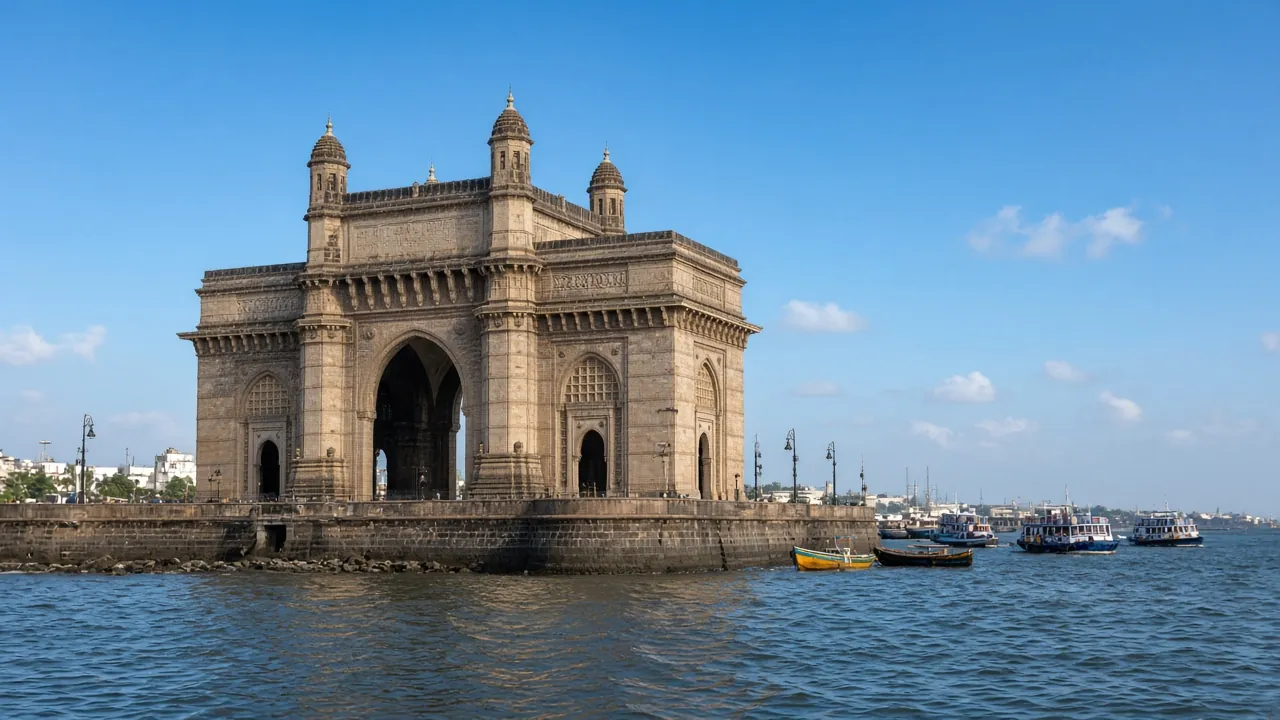
Mumbai is a vast harbour city on the Arabian Sea, grown from a group of islands into India's financial capital. The civic heart that most visitors come for is South Mumbai: the Gateway of India, the later streets of Colaba and Fort, and the Victorian and Art Deco buildings of the historic core. Cruise ships berth at a working port terminal at Ballard Pier, beside Indira Dock, not at the public ferry piers under the Gateway. The first visit is that southern city, reached by an official taxi or an arranged transfer. Traffic and heat are first facts of the day, worth leaving time for.
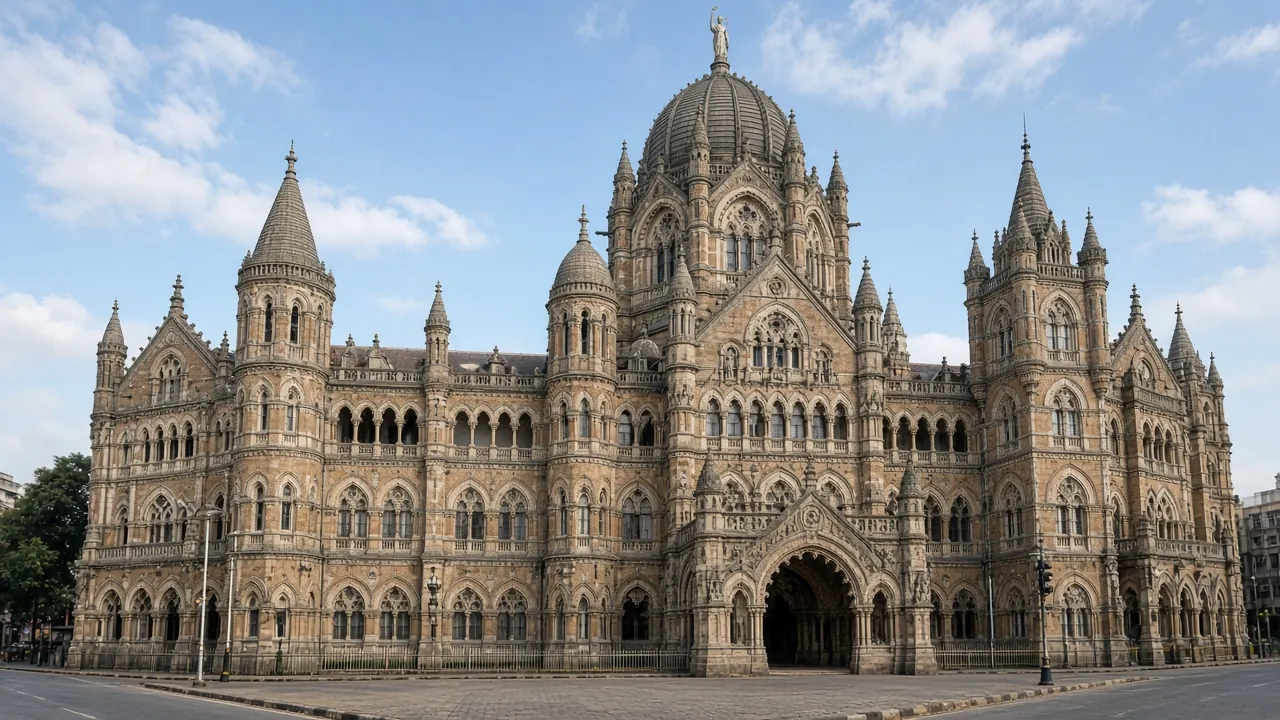
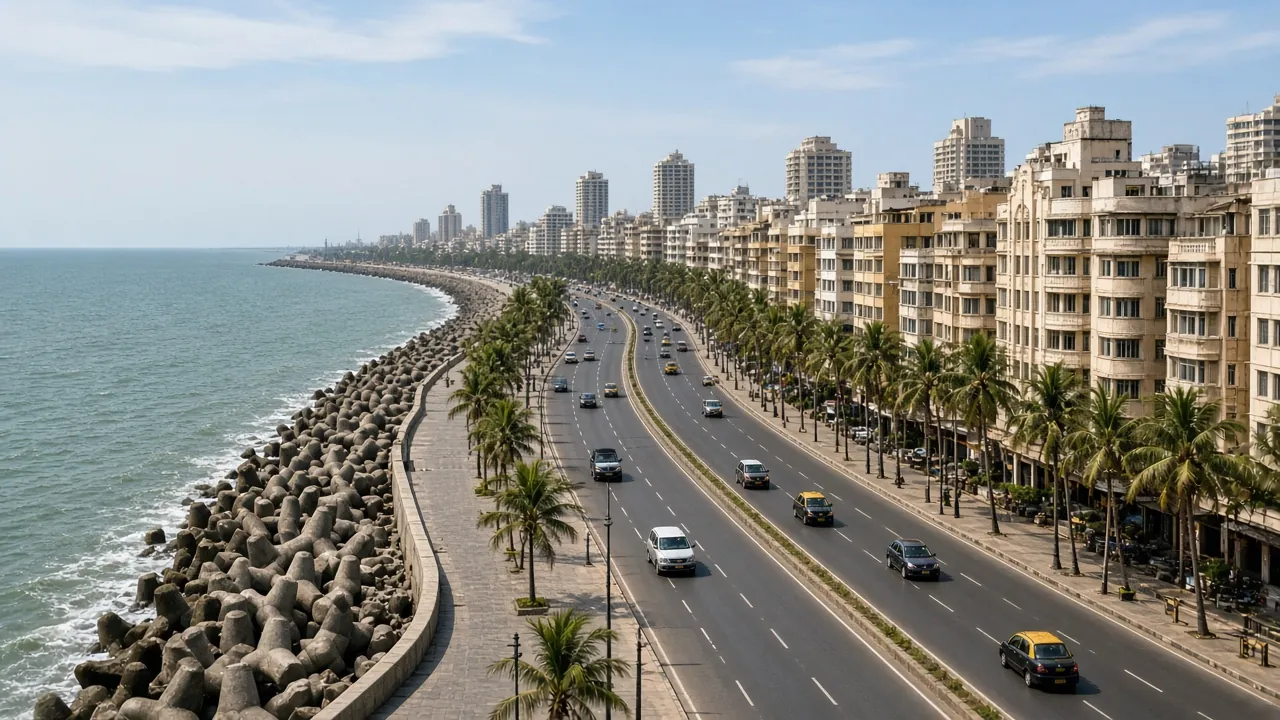
The civic heart is South Mumbai: the Gateway of India facing the harbour, the later streets of Colaba and the Fort district, and a dense Victorian and Art Deco core that still organises a first walk. You can spend a first day in that southern city — one stretch of waterfront, one or two interiors, a lunch in the close streets. The scale is metropolitan. You do not need to race across the whole island city, and There is no need to add another city for the day to belong here.
Cruise ships typically berth at the international cruise terminal at Ballard Pier, beside Indira Dock, inside a working, controlled harbour. This is not a walk-off through dock roads into the Gateway, and it is not the same landing as the public ferries that leave from the arch. The Gateway is geographically close within South Mumbai, often around ten to fifteen minutes by taxi when traffic is light, and longer when it is not; an authorised vehicle is the practical first move. The berth, the official way out of the port, and the last return through the gate are worth knowing before you set off. A cargo district is not a short cut to the beach or the arch.
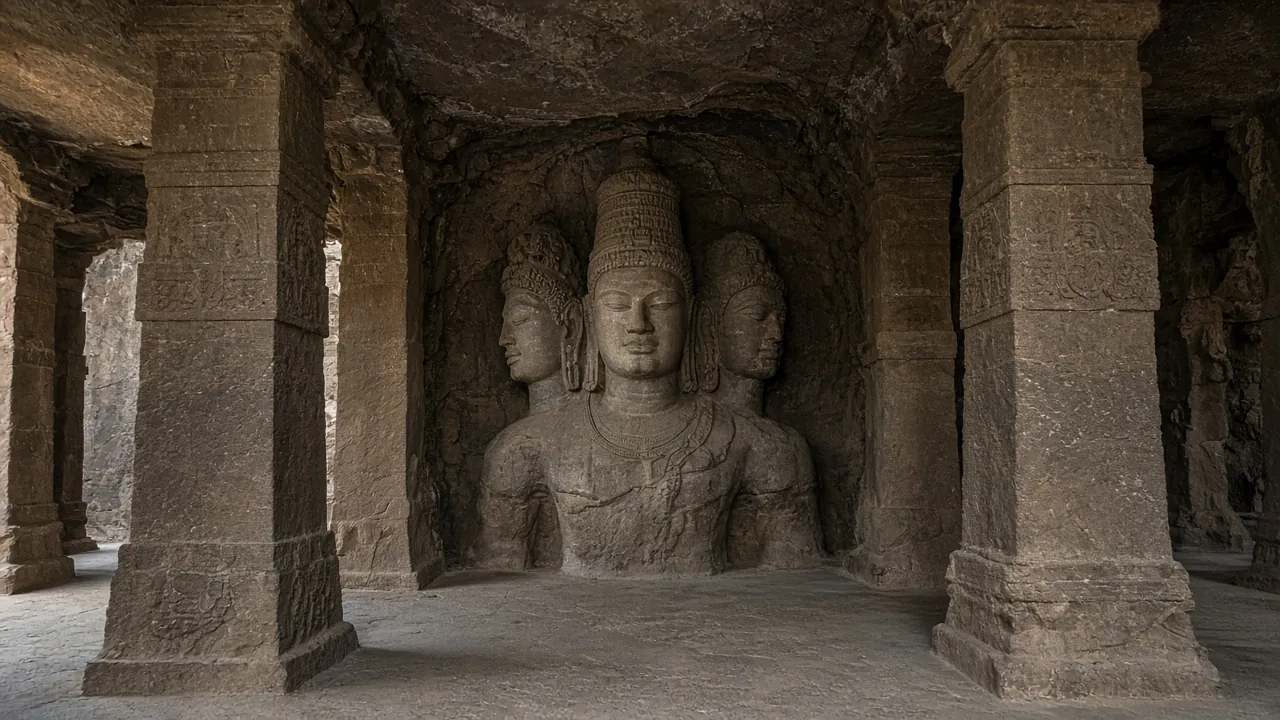
Elephanta, and the caves on the island in the harbour, is a boat outing from the Gateway, not from the cruise terminal, and will take a good part of a day; the caves are normally closed on Mondays. It is worth doing if the hours and a reliable return to the ship are already arranged, and a poor last-minute addition after a late start in traffic. Farther suburbs and a second shore belong to a longer call.
The food is civic and of this coast: later rooms in Colaba and Fort, a serious lunch culture, vegetarian and coastal cooking. Eat in the quarter you are actually visiting. Take water, a hat, and more time than a map suggests between any two points. Dress with respect at religious sites.
A first day built around South Mumbai, and around the transfer from Ballard Pier, is a complete visit. A first day that tries to collect the Gateway, Elephanta, a second district and every façade will be spent on the road. Come back earlier than you think you need, and leave a margin for the port gate. The arch and the later streets, seen slowly, are the image you will take away. If the hours are short, choose a single axis in the south and stay with it. In a working harbour, the last transfer back to the ship is worth leaving time for. The working harbour will not wait for a late car in city traffic. Heat and the port gate should sit in the same plan. The city was long known as Bombay; the visit is still this harbour capital, reached from a working pier, not from a gangway under the arch.
Port landmarks
Shore Excursions
- Private Mumbai City Sightseeing Tours – 5 h
- Private Mumbai Nightseeing Tour – 5 h
- Private Mumbai City Tour & Elephanta Caves by Speedboat – 8 h
- Private Mumbai Dhobi Ghat Tour with UNESCO Site – 7 h
- Hill Station Private Countryside Tour Caves & Fort from Mumbai – 9 h
- Full-Day Food Tour of Mumbai with Spice Bazaar visit – 6 h
- Private Street Food Tour with Mumbai Sightseeing Tour – 8 h
- Full Day Mumbai City Tour Shore Excursion – 7 h
- Mumbai Morning Bicycle Tour – 3 h
- Private Heritage Walking Tour with Elephanta Caves Tour – 8 h
- Private Combo Tours Sightseeing + Dharavi Slum + Dhobi Ghat & Dabbawalas – 8 h
- Countryside Hidden Valleys, Ancient Caves & Fort Trek – 8 h
- Private Cooking Classes and Dine Experience with Local – 5 h
- Private Kanheri Buddhist Cave with Mumbai Sightseeing – 8 h
- Private Dharavi Slum With Kanheri Caves Tour – 6 h
- Good Morning Mumbai: The Spiritual & Colorful Morning Tour – 4 h
- Bollywood Tour in Mumbai – 5 h
- Private Mumbai Night Tour with Street Food Tour – 5 h
- Mumbai Full-Day Small Group Tour – 5 h
- Mumbai Full-Day Shore Excursion Private Tour – 5 h
- Private Dawn Tour Of Mumbai Including AC Vehicle – 5 h
- Private Elephanta Island Cave and Mumbai City Tour – 8 h
- Private Elephanta Island Caves Tour with Village Tour – 5 h
- Mumbai Jewish Heritage Tour – 6 h
- Kondana Caves Trek from Mumbai with Breakfast & Lunch – 8 h
- Small-Group Walking Tour of Dharavi Slum in Mumbai – 2 h
- Full Day Mumbai Sightseeing Tour – 7 h
- Private Dharavi Slum Tour with Mumbai Sightseeing – 7 h
- Private Dharavi Slum Tour With Elephanta Caves Tours – 8 h