Montreal, Canada
Ports
Home • Ports • America • Canada • Montreal
About Montreal
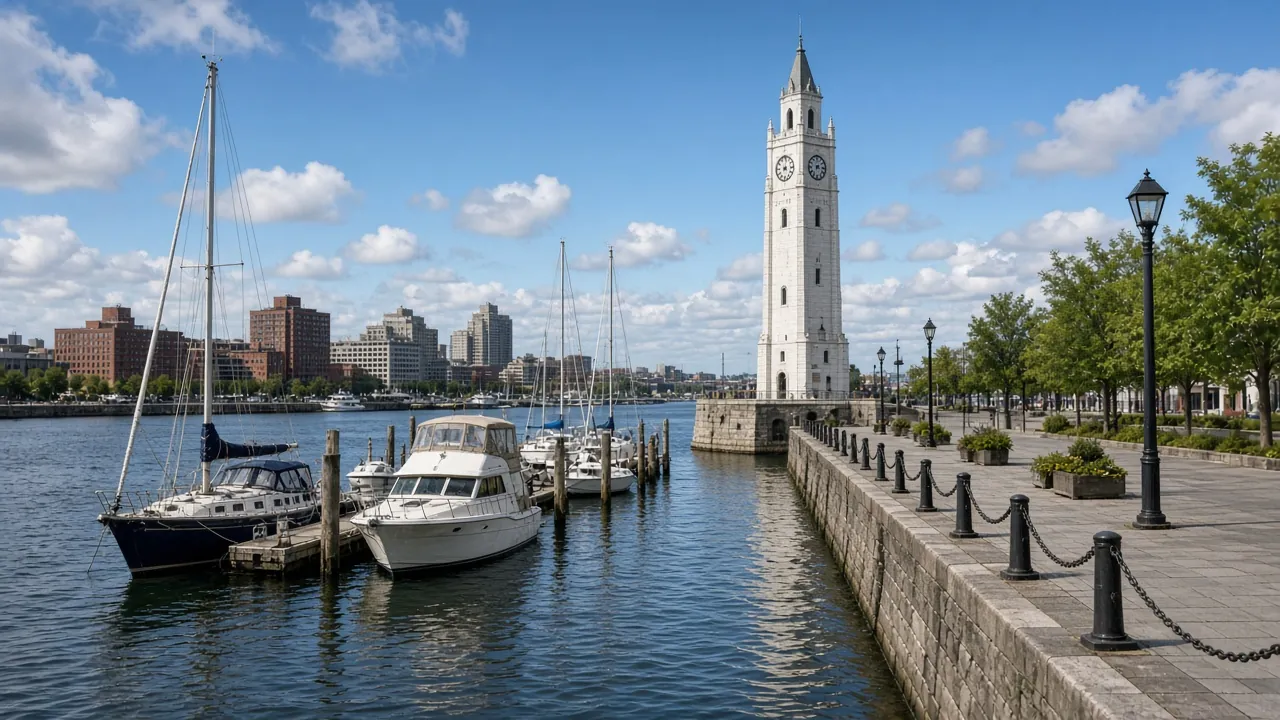
Montreal is the largest city in Quebec, a bilingual metropolis on an island in the Saint Lawrence, with a historic core in Old Montreal, a basilica at Notre-Dame, and Mount Royal rising as a park behind the centre. The Old Port, the old stone streets and the churches are the easy first walk; the rest of the city — plateaux, markets, a serious food culture of bistros, smoked meat and bagels — opens out from there. Cruise ships use the Grand Quay at the Old Port, so you can walk into Old Montreal as soon as you are ashore. The walk is short; the city is not, so a first day is better if you stay close in.
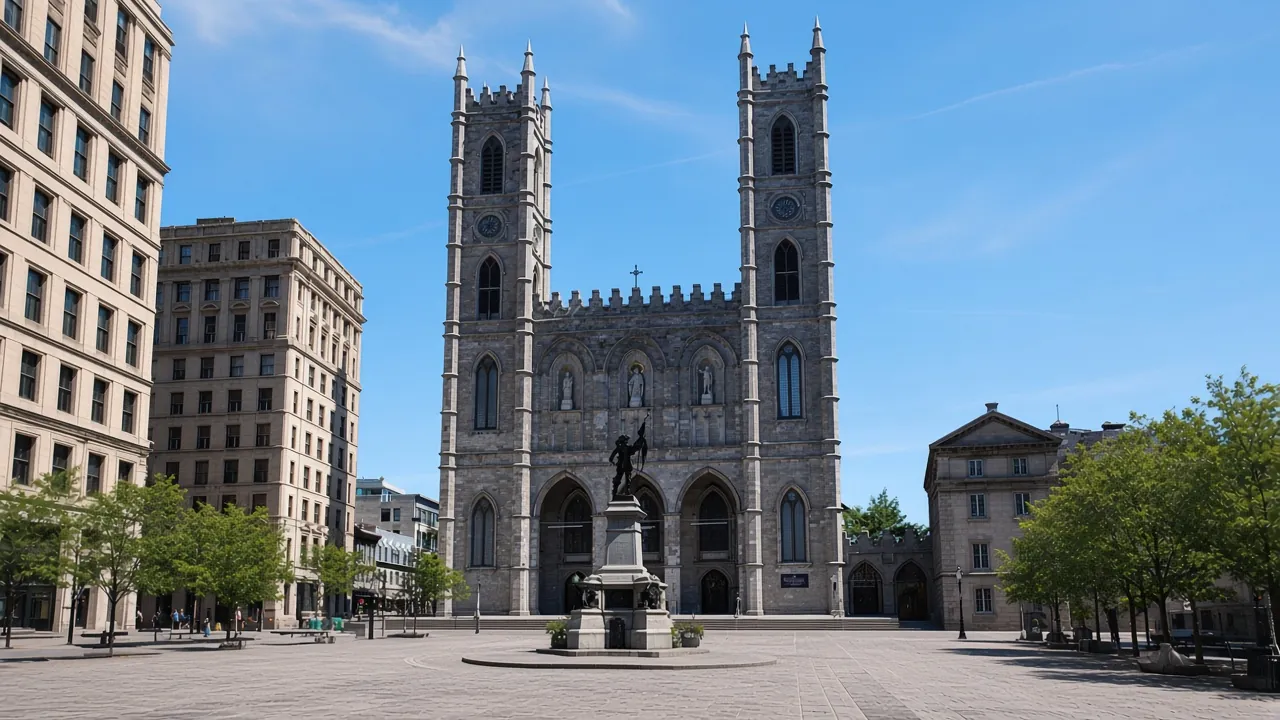
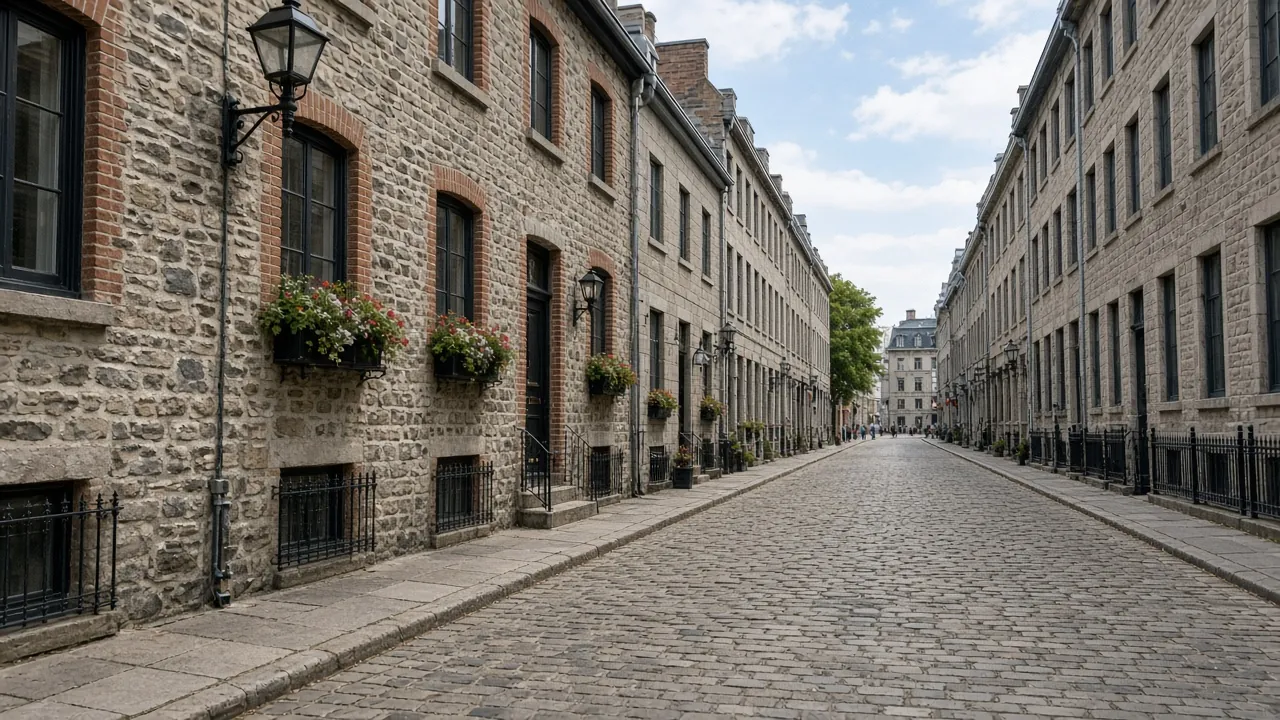
Old Montreal is the right first walk: stone warehouses and merchant houses, narrow streets, the waterfront of the Old Port, and Notre-Dame Basilica, a richly decorated nineteenth-century church whose interior is far more elaborate than the rather severe Gothic Revival west front suggests. The basilica is a popular stop and may involve a ticket or a queue; even so, the surrounding streets are the main event, a compact historic quarter at the foot of the modern city. From the old port you can walk, or take a short ride, up toward the rest of downtown, but you do not have to. A first visit that stays in the old streets, the waterfront and one church is already a complete Montreal morning.
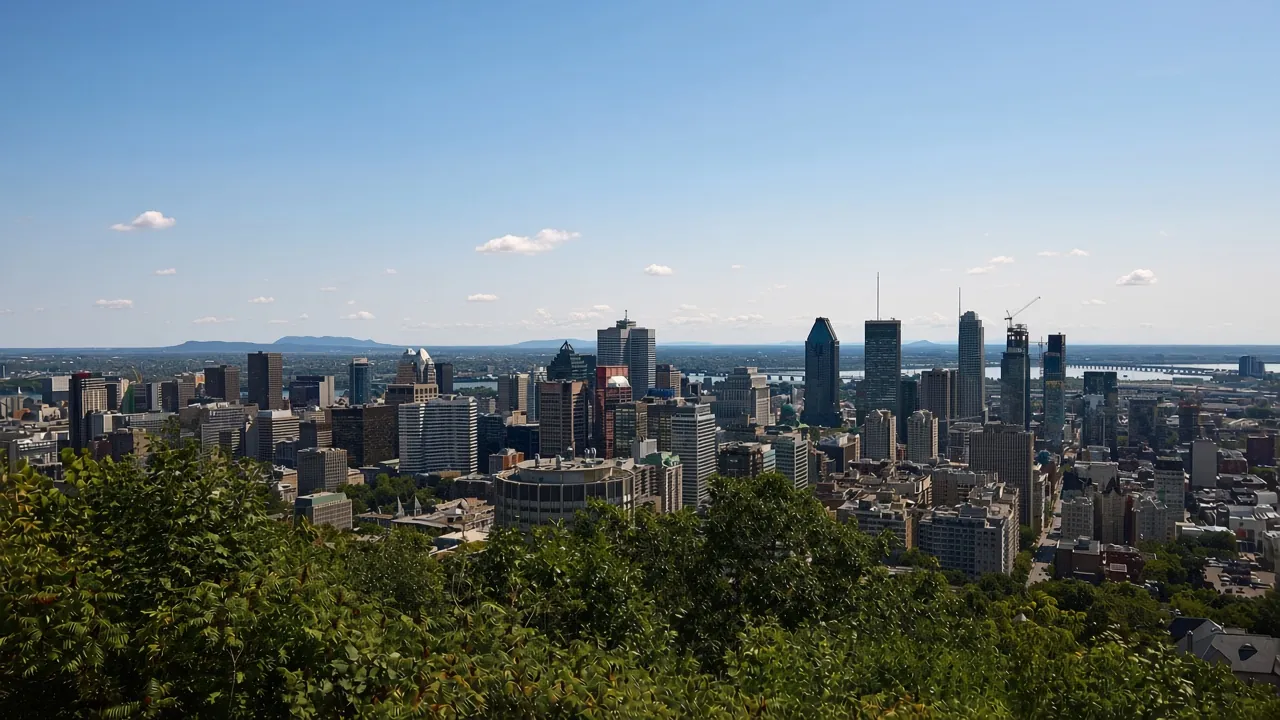
Mount Royal, the hill that gives the city its name, is a large park designed in part by Frederick Law Olmsted, with a lookout over the towers and the river. It is a climb or a short ride from the old town, and the view is worth it if you have the time and the weather. The rest of Montreal — the Plateau, markets such as Jean-Talon, a serious food culture of bistros, smoked meat, bagels and a French-and-English everyday life — opens out from the centre and can swallow days. On a port call, pick one additional neighbourhood at most, or none.
Food is one of the city's great attractions. A lunch in Old Montreal, or a short pilgrimage to a well-known smoked-meat or bagel address if you are already moving that way, is a better plan than a formal dinner far up the hill. The city is bilingual; French is the official language of the province, and a little of it is appreciated.
The Grand Quay is in the Old Port, so you walk into Old Montreal as soon as you are ashore. Use that gift. Walk the quarter, go into Notre-Dame if you wish, add the mountain or a single market only if the clock is kind, and come back along the same waterfront. The city is large, the historic core is not, and a first day that stays close will tell you more than a long transit to a distant boulevard. Winter calls are cold; summer ones can be hot and busy. In every season the return is short if you have not wandered too far. Pointe-à-Callière, the city's archaeology and history museum at the edge of the Old Port, is the one indoor stop that most clearly sits on the founding ground, and it is close enough to include without a transfer. If you only have a short call, the old streets, the basilica and the waterfront already make a complete circuit. Save the Plateau and the larger markets for a longer stay.
Port landmarks
Shore Excursions
- Scenic Montreal Night Tour – 4 h
- Montreal’s All-inclusive Snowmobile Escape Into Nature – 8 h
- Montreal Guided Adventure in Mont Tremblant – 8 h
- Omega Park: Canadian Wildlife Safari Adventure – 8 h 30 min
- Best of Montreal Tour with Boat Cruise – 6 h
- Epic Ski Adventure in Quebec Enchanted Winter Forests – 10 h