Melbourne, Australia
Ports
Home • Ports • Asia • Australia • Melbourne
About Melbourne
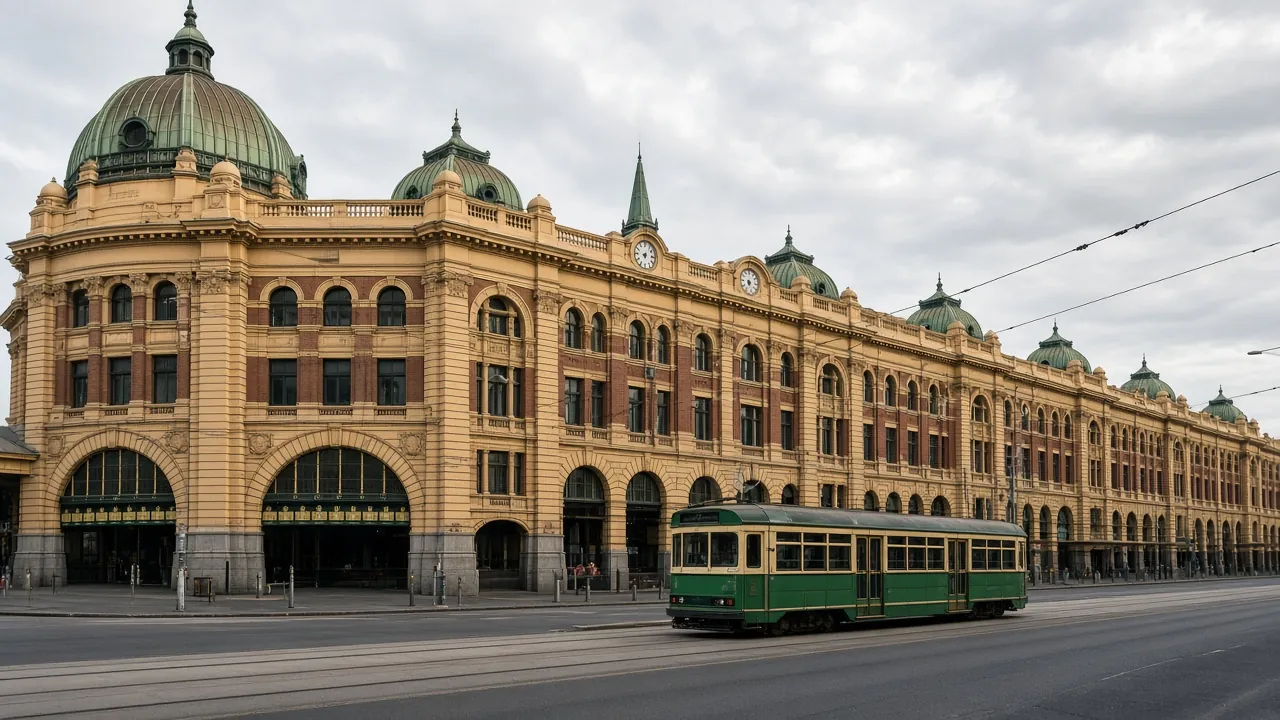
Melbourne, the capital of Victoria, is a broad city of laneways, trams, parks and a tight central grid beside the Yarra. Federation Square and Flinders Street station organise the southern edge of the centre; the laneways, the National Gallery of Victoria and the Royal Botanic Gardens repay a first day spent on foot and by tram. Cruise ships berth at Station Pier in Port Melbourne, not in the central grid. A tram or a taxi is the usual way into town, a short ride rather than a long transfer, and the same tram line brings you back to the pier.
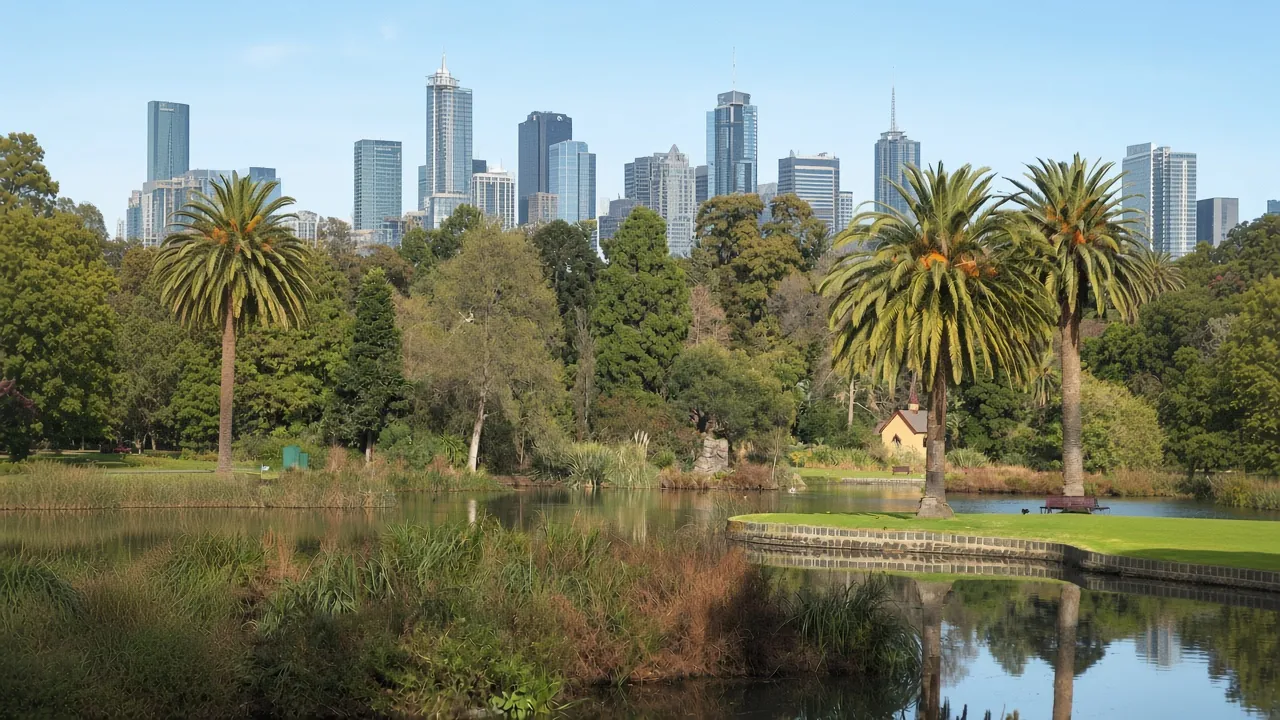
The central grid is the city's first fact: a tight, regular pattern of streets and narrower laneways beside the Yarra, laid out in the 1830s and filled, later, with Victorian stucco, twentieth-century towers and a culture of coffee, bars and small shops that lives in the lanes as much as on the boulevards. Federation Square and the great facade of Flinders Street station sit at the river edge; from there you can walk into the laneways, across to the National Gallery of Victoria on St Kilda Road, or into the Royal Botanic Gardens, one of the finest nineteenth-century gardens in the country. Trams stitch the centre to the inner suburbs and are part of how the city is understood, not just a way of getting about.
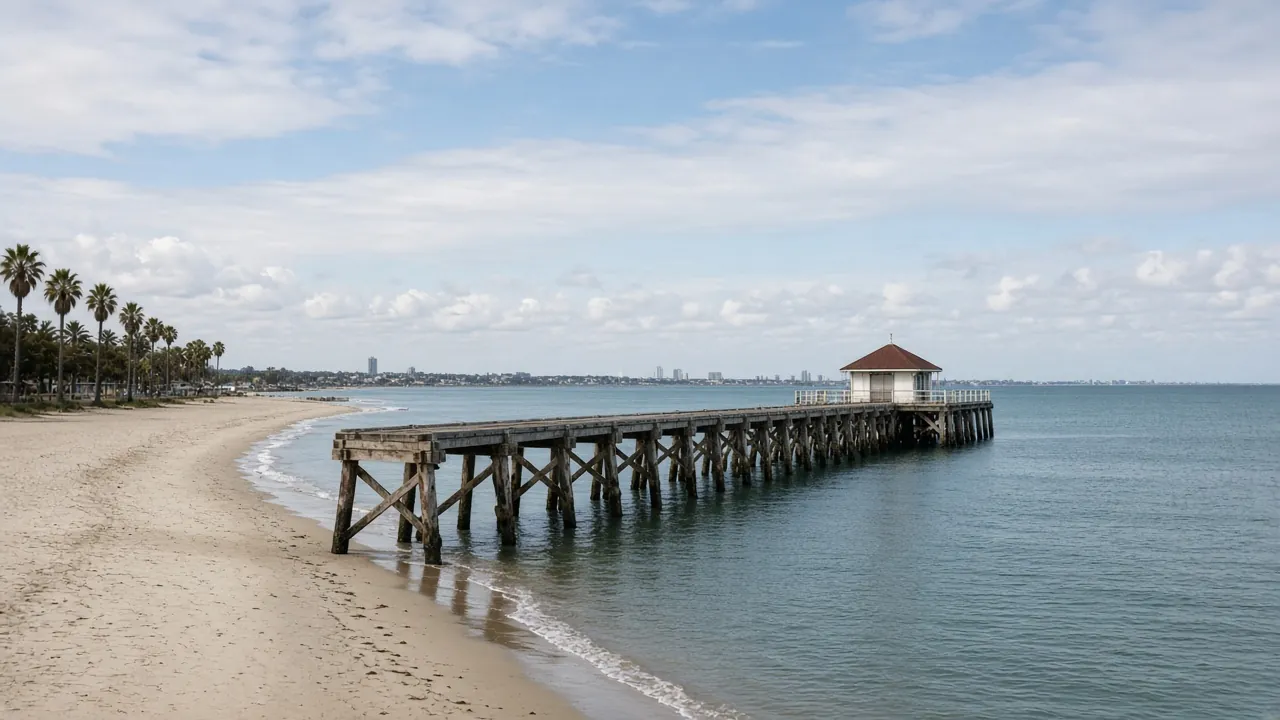
Southbank, on the opposite side of the river, is a later promenade of restaurants and cultural buildings. A little further, the Queen Victoria Market is the city's large historic market, useful for food and a sense of daily Melbourne. Carlton, Fitzroy and St Kilda are neighbourhoods with their own characters — Italian streets and the museum in Carlton, independent shops in Fitzroy, a beach and an esplanade at St Kilda — each a short tram ride, and each a temptation to do too much. A first day is better with one inner neighbourhood or the gardens, not all of them.
Food and coffee are worth leaving time for here; they are one of the reasons the city is admired. A laneway espresso, a market lunch or a meal on the river will tell you as much as another civic facade. The climate is changeable; a day can hold four seasons, and the locals are not joking when they say so.
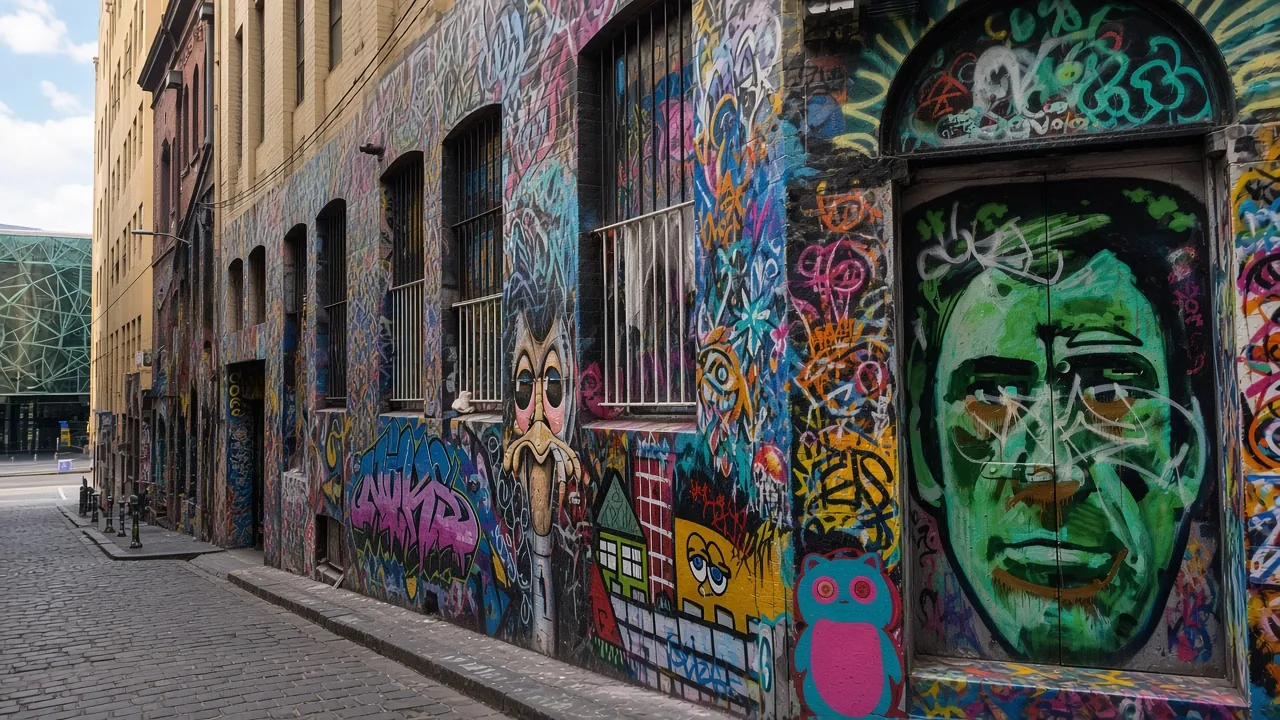
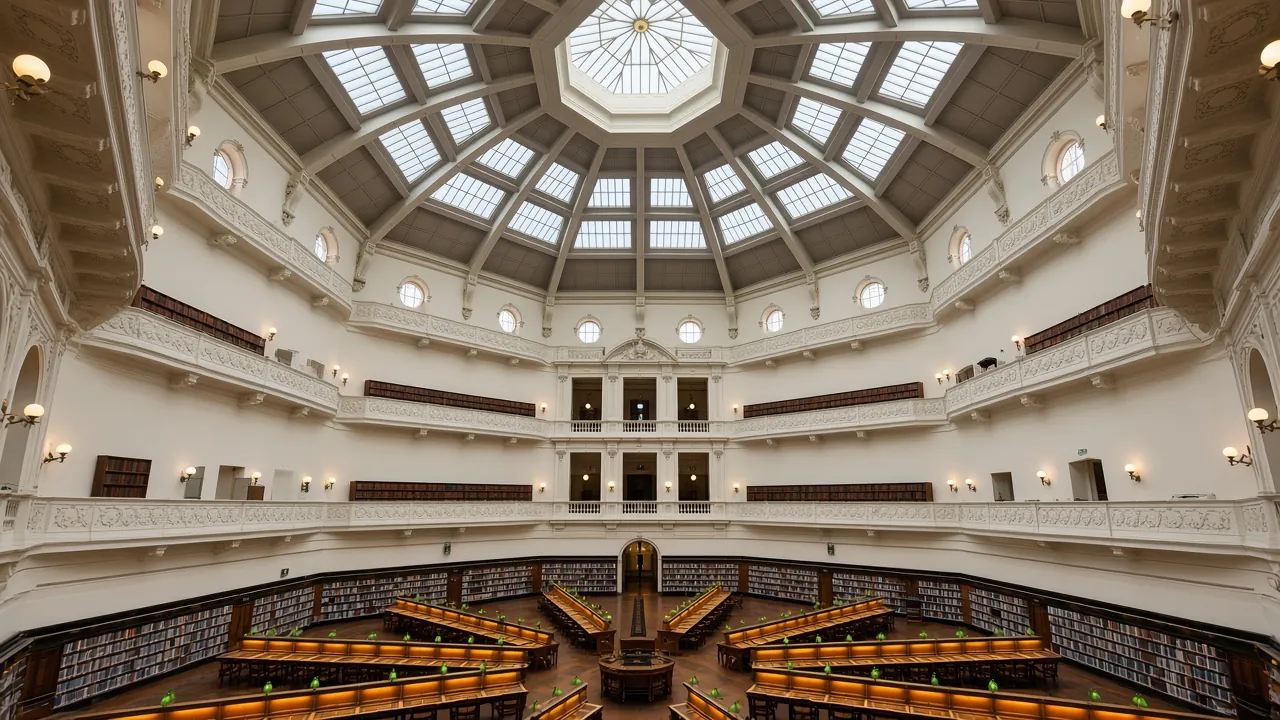
Station Pier is in Port Melbourne, a short tram or taxi ride from the central grid — close, but not a comfortable walk with limited hours. The tram is the more interesting arrival, bringing you in along the beach suburbs and into the city streets. Use it, walk the lanes and the river, see the gallery or the gardens, and take the same line back. Allow time at the end: trams are frequent, but Station Pier is not Flinders Street, and you will want a margin before all-aboard. Hosier Lane and a few neighbouring alleys are the best-known places for street art, a short walk from Flinders Street, and the State Library of Victoria, with its domed reading room, is a calm indoor civic stop if you want a building that is not a gallery. The Melbourne Cricket Ground, in nearby Richmond and East Melbourne, is a landmark of another kind if sport is your interest, but it is a specific visit, not a backdrop you will take in by accident. One or two of these, added to the river and the lanes, will fill a day.
Port landmarks
Shore Excursions
- Private Melbourne: Coffee, Culture & History of Collingwood – 3 h
- 2 Hour Phillip Island Seal Cruise – 2 h 10 min
- Multicultural Markets Guided Tour - Private and Join-In Options – 3 h
- Phillip Island Penguins & Koalas - Penguins Plus Viewing – 10 h
- Booze Makes History Better Walking Tour - Small Group & Private Options – 3 h
- Multicultural Markets - Melbourne Tour – 2 h 30 min
- Melbourne Foodie Culture Walking Tour – 4 h
- Mornington Peninsula Local – Private Day Tour – 8 h
- Private Tour: Personal Travel Photographer Tour in Melbourne – 2 h
- Yarra Valley Wine Day Tour – 10 h
- Melbourne Flexi Pass: Choose 3 Top Attractions Over 5 Days – Flexible · valid 5 days
- Morning Yarra Valley Half-Day Wine Tour from Melbourne – 6 h
- Craft Beer Lovers' Guide to Melbourne (Private and Shared Options) – 3 h
- Shore Excursion: Melbourne and Moonlit Sanctuary – 8 h
- Yarra Valley Wine Tasting Shore Excursion from Melbourne Cruise Port – 6 h
- Half-Day Melbourne Food & Laneways Tour with Tastings & Rooftop Bar – 4 h
- Phillip Island Sunset Cruise – 1 h 45 min
- Boroughs of Melbourne – Private Half Day Tour – 4 h
- Phillip Island Penguins & Koalas - Penguins General Viewing – 10 h
- Cape Woolamai Coastal Wildlife Cruise – 1 h
- Private Bites & Sights (with Melbourne Skydeck) – 3 h
- Melbourne Laneways, Bites & Brews Shore Excursion from Cruise Port – 5 h
- Melbourne Street Eats – Private Day Tour – 7 h
- Private Melbourne: A Foodie’s Guide to Footscray – 2 h 30 min
- Phillip Island Cruise Shore Excursion with Lunch, Koalas & Penguin Parade – 10 h
- Yarra Valley Wildlife & Wine Day Tour – 10 h
- Peninsula Hot Springs Spa Entry & Transfer Bus from Melbourne – 6 h 30 min
- Lake Mountain Snow & Waterfalls Tour – 10 h
- Phillip Island Penguin Experience – Private Day Tour – 8 h