Marseille, France
Ports
Home • Ports • Europe • France • Marseille
See all 126 tours in Marseille
About Marseille
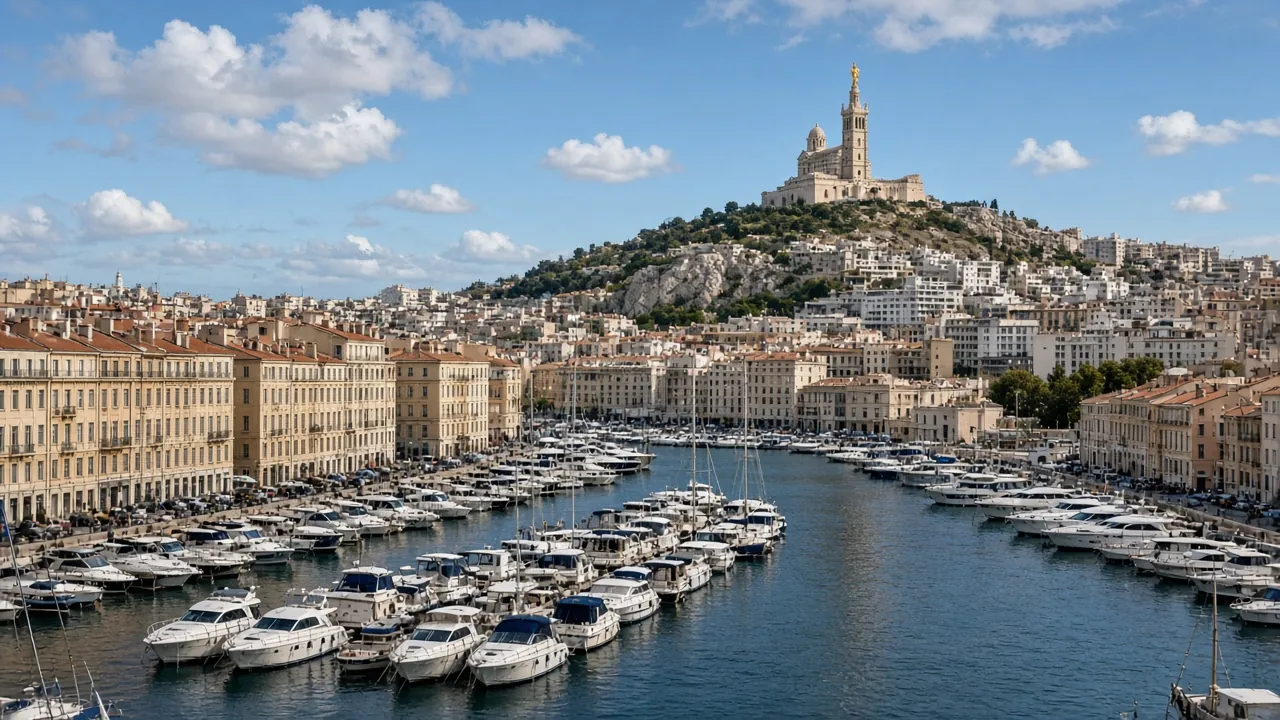
Marseille began as Massalia, a harbour founded by Greek settlers from Phocaea around 600 BC, and it has been a port ever since. The civic heart is the Vieux-Port, the hilltop basilica of Notre-Dame de la Garde, and the old quarter of Le Panier. Large ships often use the Marseille Provence Cruise Terminal at Gate 4, several kilometres from the centre, with a shuttle or bus to Joliette and then a further leg to the old harbour; some smaller calls use the J4 terminal by La Major and MuCEM, close enough to walk. The berth in use is worth knowing in advance, because the first move changes with it. A first day in the city itself is the old port, not a walk along a commercial quay as if the basilica were around the corner.
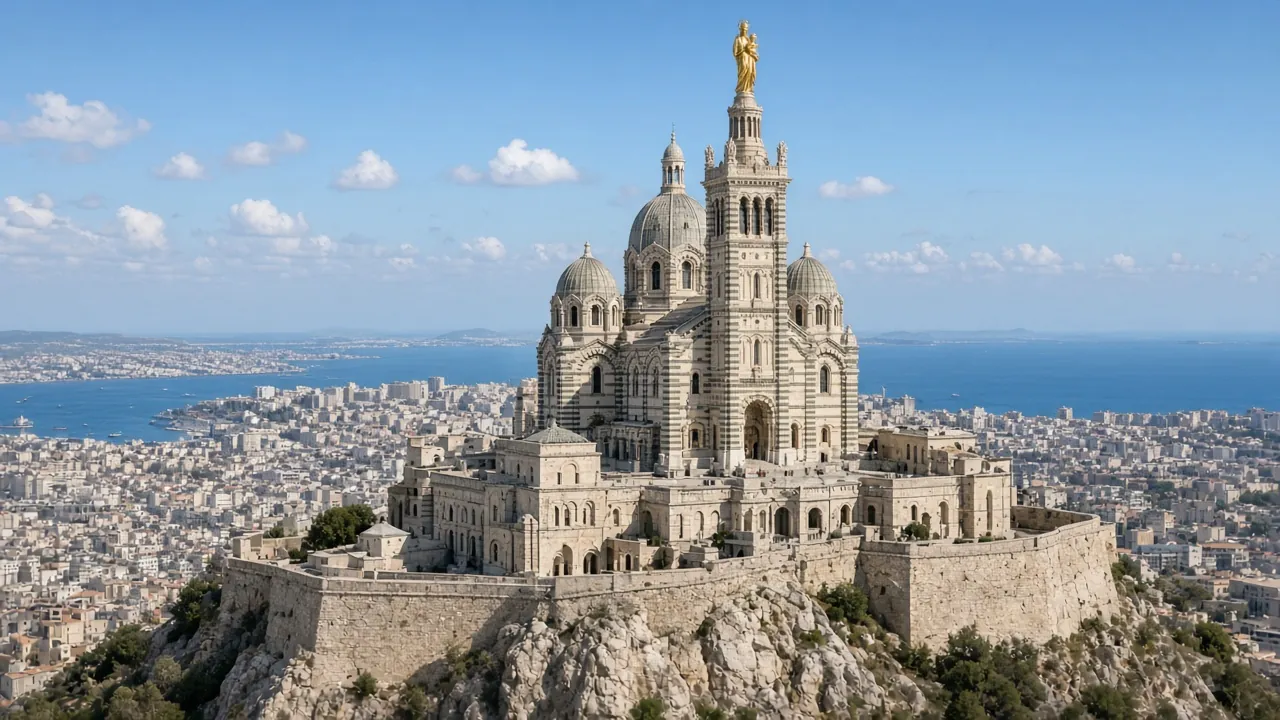
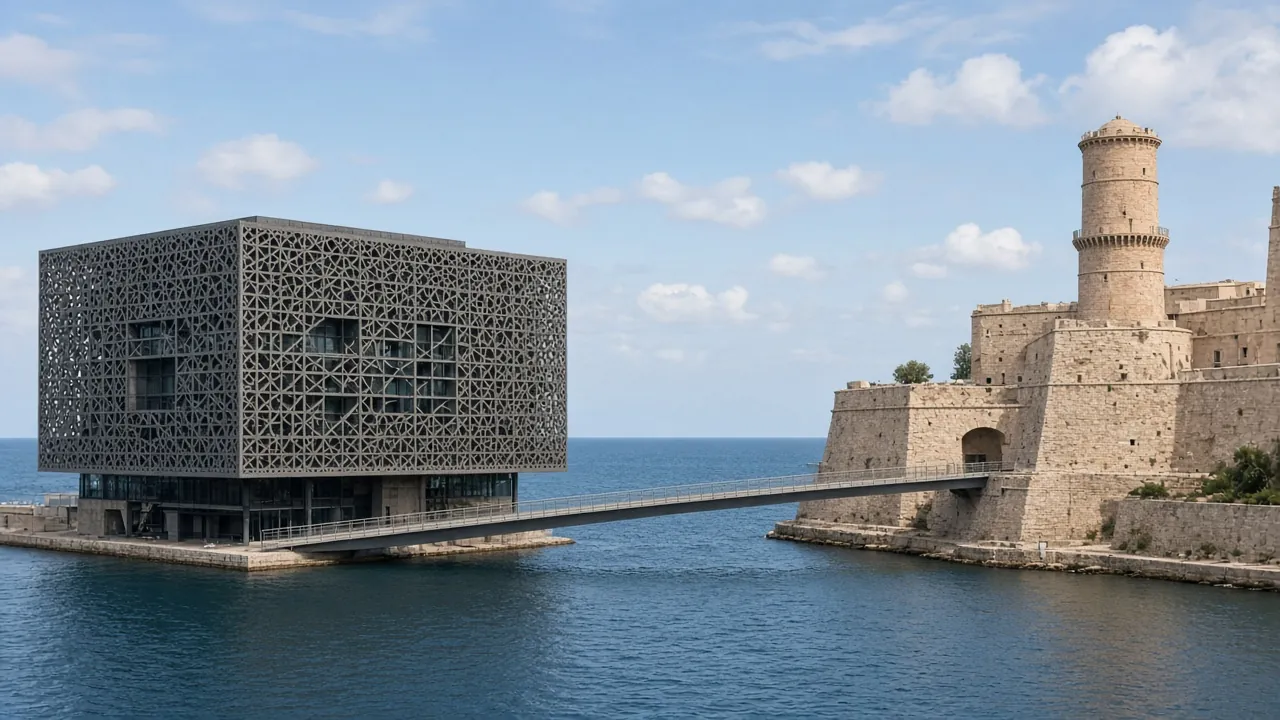
The civic heart is the Vieux-Port: a rectangular old harbour still lined with boats, the hilltop basilica of Notre-Dame de la Garde above the roadstead, and Le Panier, the oldest quarter, a slope of narrow streets just behind the water. MuCEM and the cathedral of La Major sit on the later waterfront at the mouth of the old port, and they are the right indoor and stone complement if you want one. You can spend a first day on this circuit without leaving the inner city. The climb to the basilica, or the crossing to the basilica by the little later train, is the view that organises the city; you do not need a second itinerary.
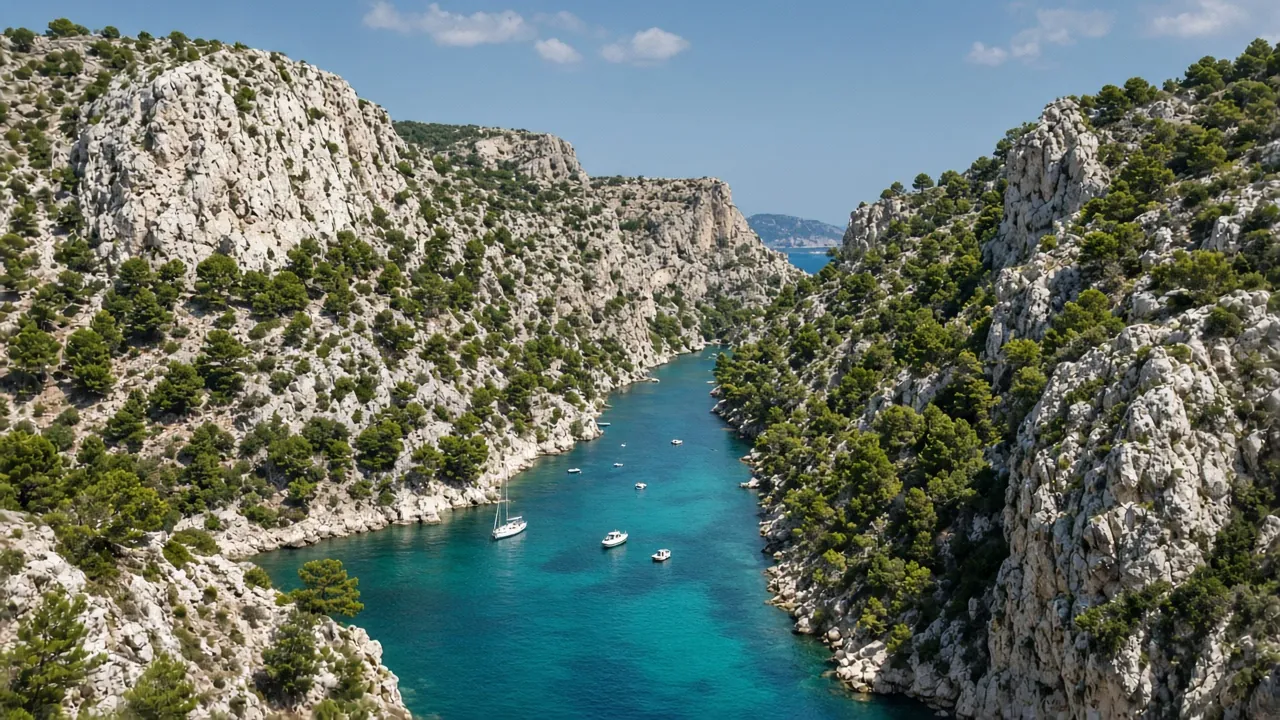
The calanques, the mineral inlets east of the city, are a beautiful outing and will take a good part of a day. They are worth doing if the hours and a reliable return from your actual berth are already arranged; they are a poor addition after a late start and a long transfer from Gate 4. Aix-en-Provence and the farther hinterland belong to a longer call.
The food is Marseillais and civic: fish, later rooms around the Vieux-Port, markets, a dense lunch culture. Eat in the inner city. The light is strong; summers are hot. Take water.
Check the berth before you plan a walk. Large ships often use the Marseille Provence Cruise Terminal at Gate 4, several kilometres from the centre. The official route is a shuttle or the city bus toward Joliette, and Joliette is still not the Vieux-Port — you need a further walk or a short bus or taxi. Do not set out on foot along a working commercial port as if the old harbour were around the corner. Some smaller ships use the J4 terminal by La Major, close enough that the waterfront can begin on foot. A plan that works from one landing should not be copied to the other. The last shuttle is worth leaving time for; it is worth leaving more time than you think you need for the last return. A first day at the Vieux-Port, with or without the basilica or MuCEM, is a complete visit to this Phocaean city. A first day that tries to collect the calanques, Aix and every museum will be spent in transit. The old harbour and the basilica on the hill, seen slowly, are the image you will take away. The wind on the roadstead can be sharp even in good weather; take a layer. From Gate 4, save the exact return stop at Joliette before you walk on to the old port, and do not rely on a remembered bus from another call.
Port landmarks
Shore Excursions
- Marseille Artisans, Street Art and Wine Walking Tour – 3 h
- Private: In The Footsteps Of Van Gogh From St. Remy – 8 h
- Private Half Day Marseille Electric Bike Tour – 3 h 30 min
- Marseille Food Tour: Panisse & Oriental Sweets – 3 h 30 min
- Private: Aix-en-Provence Art & Artists from Aix-en-Provence – 8 h
- E-bike day Marseille to Calanques (Seaside + Beaches + Coves) – 7 h
- Private: Châteauneuf-du-Pape & Avignon from Arles – 8 h
- Private Transfer - Marseille to Lyon – 3 h 30 min
- Private Provence Immersive Wine Experience - Three Exceptional Estates – 7 h
- Marseille Photographique - Travelling Workshop – 4 h
- Private Excursion: Le Castellet, Cassis & Marseille from Toulon – 8 h
- Private: Villages of the Luberon Valley from Gordes – 8 h
- Private Cézanne & Provence Wine Tour - Aix-en-Provence St Victoire – 8 h
- Private Day Trip To Luberon Villages from Arles – 8 h
- Private Shore Excursion: Moustiers-Sainte-Marie & Valensole – 9 h
- Marseille Cycling Half Day Shore Excursion – 3 h 30 min
- Private Shore Excursion: Full Day Marseille City & Avignon – 8 h
- Private: Saint-Rémy and Les Baux de Provence From Gordes – 8 h
- Private: Villages of the Alpilles from Marseille – 8 h
- Private Transfer - Marseille to Nice – 2 h
- Private: Aix-en-Provence Art & Wine From Aix-en-Provence – 8 h
- Private: Provence Coast And Country from Bandol – 8 h
- Private Shore Excursion to Marseille & Avignon – 6 h
- Private: Vaison-la-Romaine, Séguret, and Gigondas from Gordes – 8 h
- Gastronomic Tour In Marseille – 3 h
- Private: Trip To Hyères Le Lavandou & Saint Tropez - Marseille – 8 h
- Private Arles & Camargue Experience, Van Gogh, Wild Horses, Pink Flamingoes – 8 h
- Private: Avignon & Chateuneuf Du Pape Wine Tasting from Marseille – 8 h
- Private: Nîmes, Uzès, and Pont du Gard from Gordes – 8 h
- Private Avignon & Châteauneuf-du-Pape - Palace of the Popes & Rhône Wine – 8 h
- Private Transfer - Marseille to Montpellier – 1 h 40 min
- Aix-en-Provence Food Tour: Truffle, Cheese and Provençal Wine – 3 h 30 min
- Private: Villages of the Alpilles from Aix-en-Provence – 8 h
- Private: Saint-Rémy and Les Baux de Provence From Marseille – 8 h
- Private Tour Of Nimes And Pont Du Gard from Arles – 8 h
- Hiking in the Calanques National Park From Luminy – 5 h
- Private: Var Vineyards Transfer with Touring From Toulon – 9 h
- Private Transfer - Marseille to Nîmes – 3 h
- Private: Saint-Rémy, Glanum & Arles from Marseille – 8 h
- Private Shore Excursion to The Roman Villages from Marseille – 7 h