Manta, Ecuador
Ports
Home • Ports • America • Ecuador • Manta
About Manta
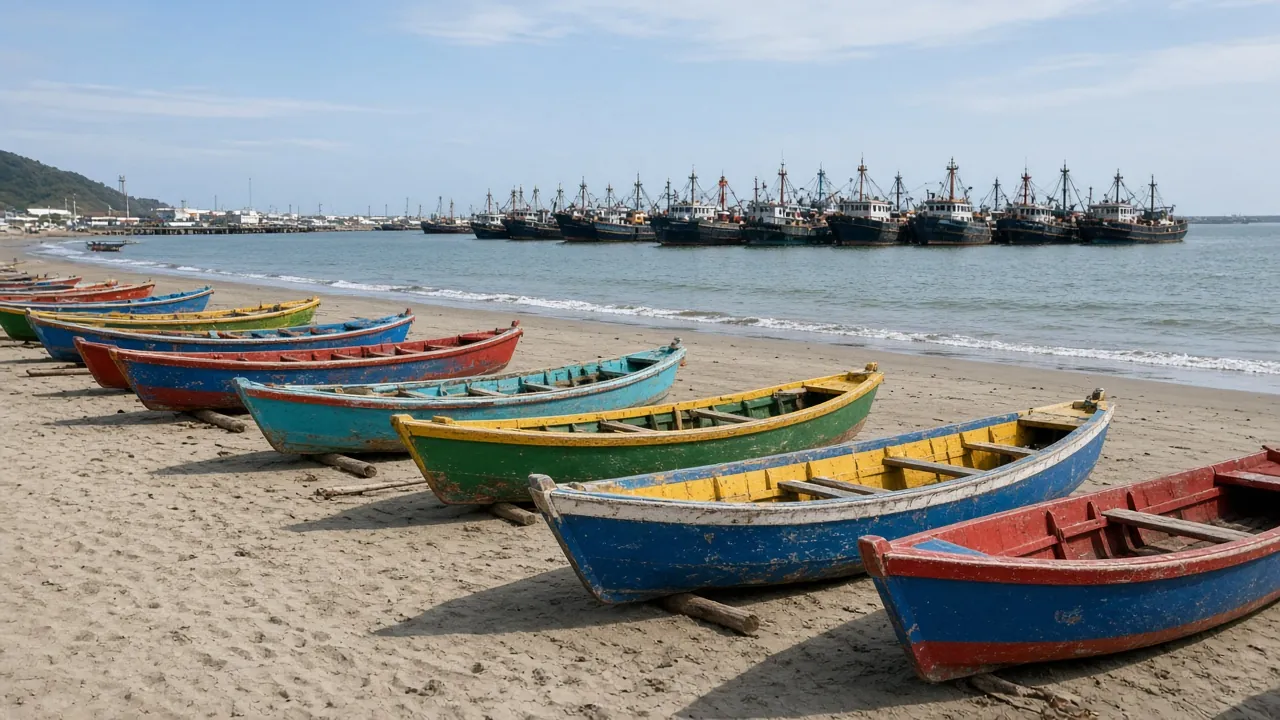
Manta is Ecuador's main fishing and later industrial port on a dry equatorial Pacific coast, a working city of a broad bay, a civic waterfront and a hinterland that is often dusty and rainless. Ships berth in the commercial port, a short way from the later centre and from beaches along the same shore. The tone is a port and fishing city, not a highland capital. Quito stands far inland, a drive of on the order of 400 kilometres and commonly six and a half to eight hours, and it is not a port-day outing. Stay on this coast, or make one modest trip along it.
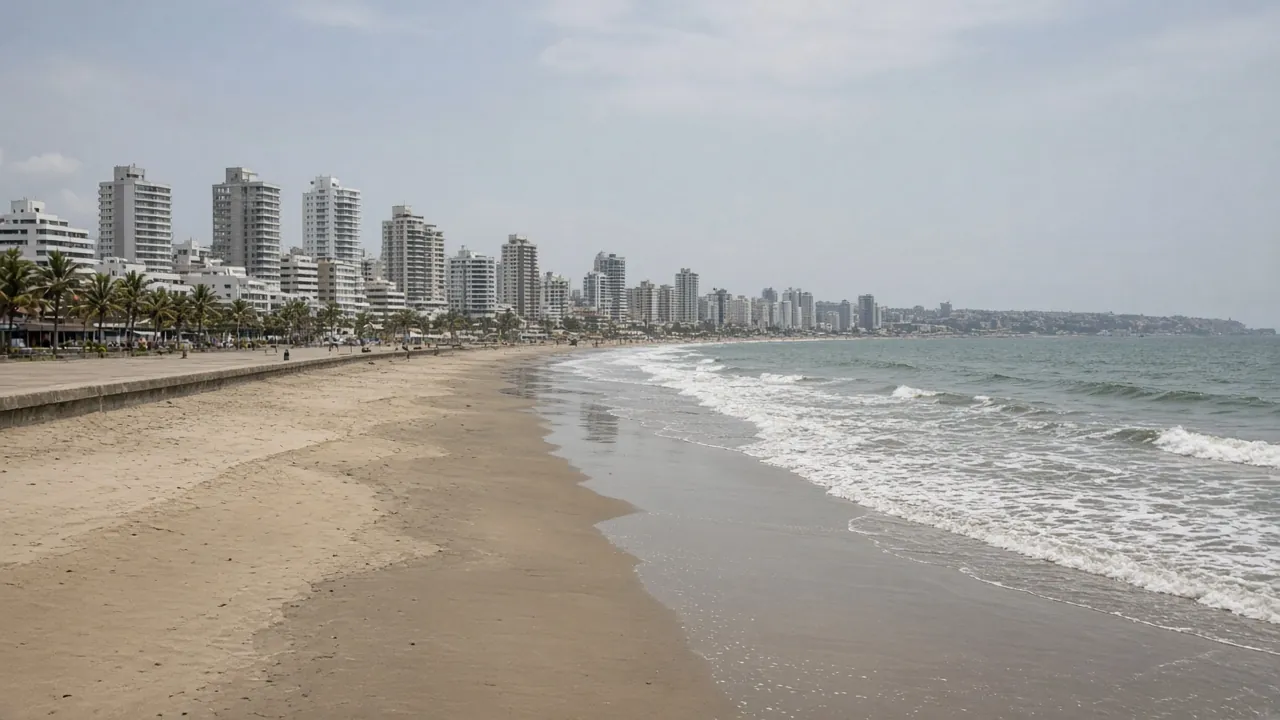
The city is honest and maritime: a harbour that still lives from the sea, later streets of a provincial Pacific capital, and beaches such as Tarqui and Murciélago that give you the ocean without a long transfer. A waterfront walk, a look at the working port from the places you are allowed to stand, and a swim or a lunch on the malecón are already a complete first visit. Manta is one of the country's principal tuna and fishing ports, and that fact is in the scale of the docks and in the food, not only in a brochure. The climate is dry for the latitude, a contrast to the green Andes inland, and the light is hard and bright.
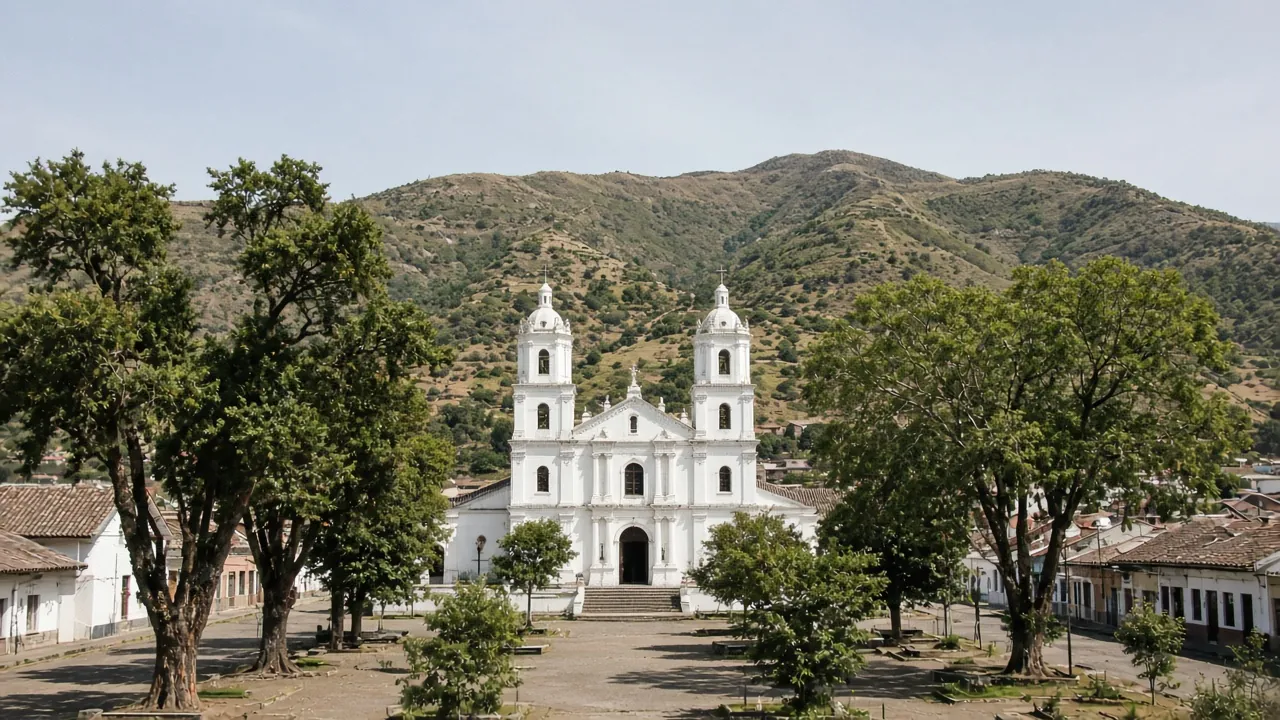
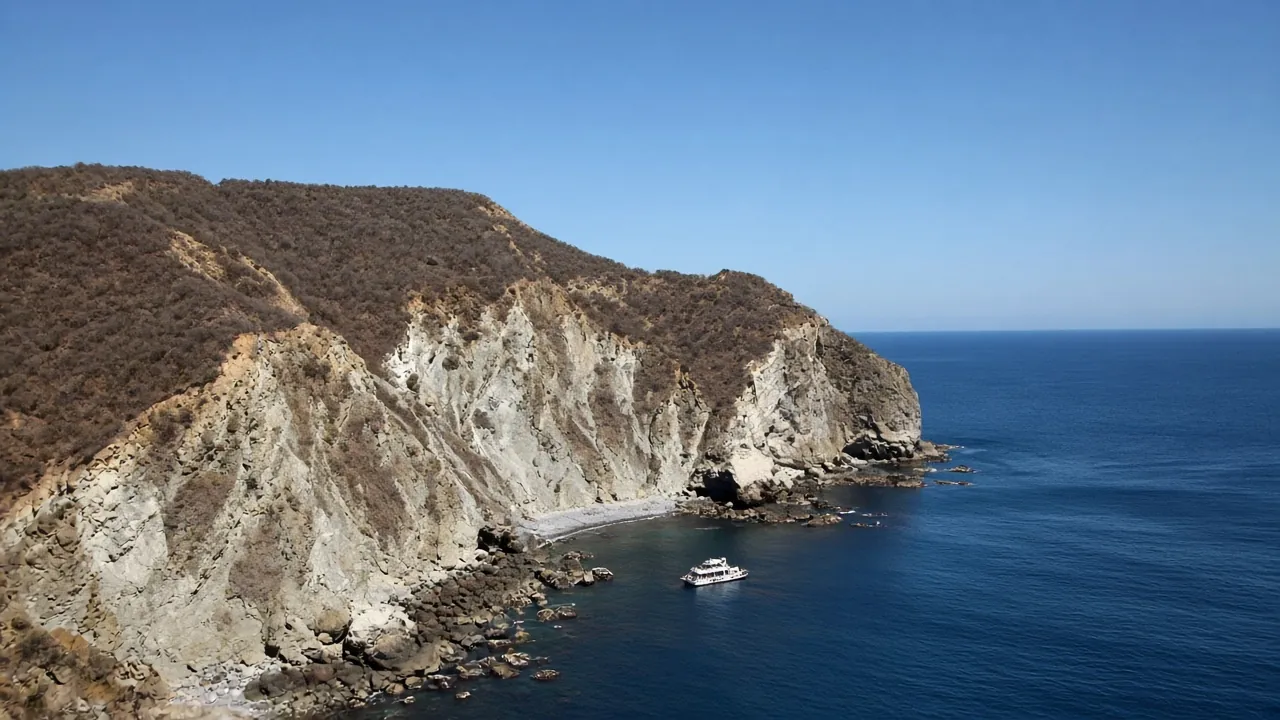
A short way inland, Montecristi is a hill town associated with the fine straw hats often called Panama hats, and it is a realistic, modest outing if you want a civic centre that is not the port. Longer coastal parks and islands — including Machalilla and Isla de la Plata — are beautiful and will take a good part of a day with the drive and, for the island, a boat. They are worth doing if the hours are generous and the return is fixed; they are a poor last-minute addition after a late start in town.
Food is one of the pleasures of this shore: fish, ceviche, simple coastal cooking, and fruit. Eat in Manta. The meal is part of staying in the right city.
Do not set out for Quito. The capital is a high Andean city of a different climate and a different day, and the road from Manta is commonly six and a half to eight hours, on the order of 400 kilometres. Even Guayaquil, closer along the coast and the plain, is a long transfer for a short call. A first day in Manta — the waterfront, a beach, perhaps Montecristi — is a complete visit to a real Ecuadorian port. A first day spent mostly climbing toward the Andes will not reach a plaza in time to be worth the risk. Come back with a margin. The sun is strong, the port gates are not instant, and the dry wind can surprise you after a morning in an air-conditioned room. A viewpoint above the bay, if one is close and the air is clear, will give you the working harbour in a single look and is a better extra than a long drive. Come back through the port gate with time in hand; a dry, bright afternoon can make the final stretch hotter than the morning suggested. The coast is the event. Let it be enough.
Port landmarks