Manaus, Brazil
Ports
Home • Ports • America • Brazil • Manaus
About Manaus
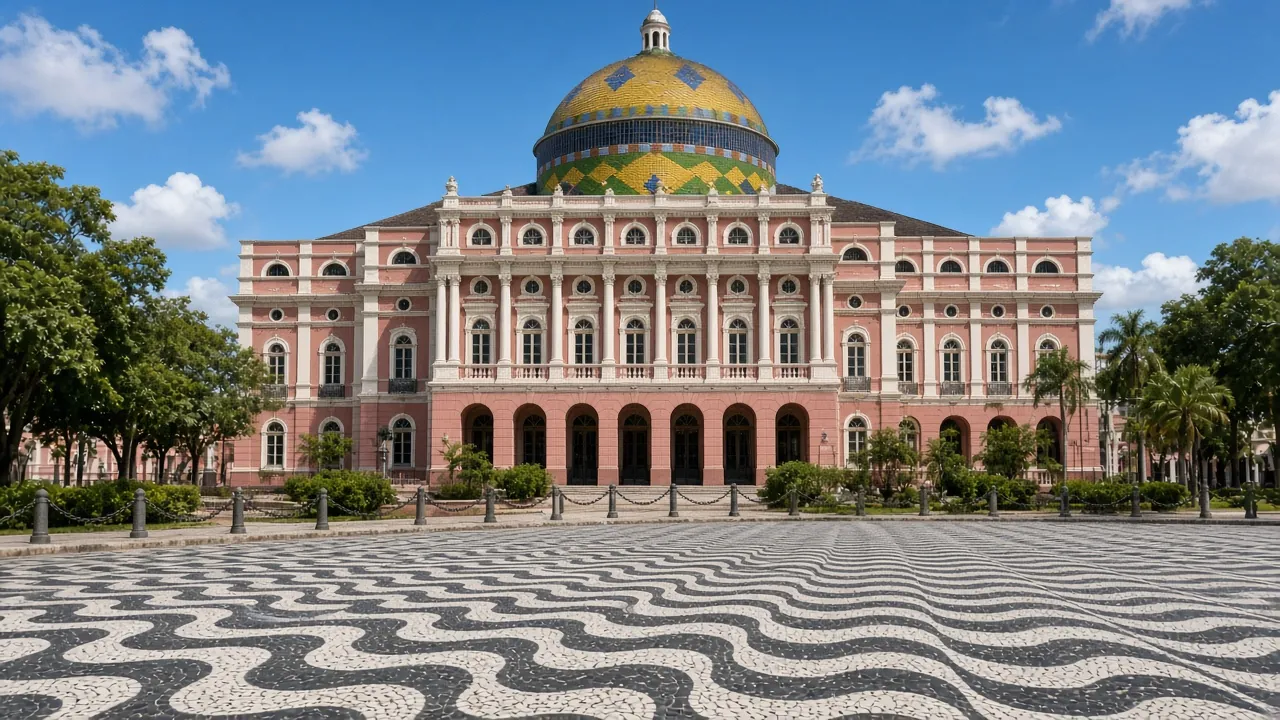
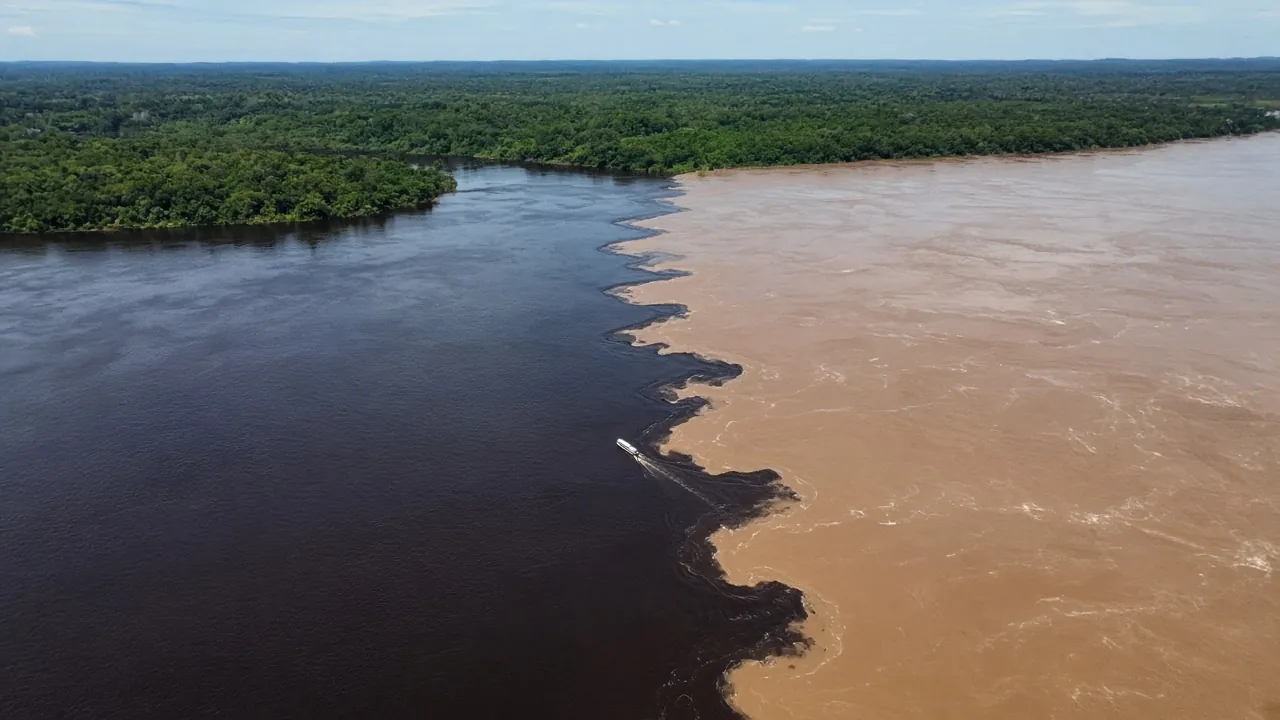
Manaus is the capital of Amazonas, a large tropical city in the heart of the Brazilian Amazon, on the Rio Negro just above its meeting with the Solimões. The rubber boom of the late nineteenth and early twentieth centuries paid for an opera house, the Teatro Amazonas, and a cluster of civic buildings that still organise the historic centre. The municipal market and the river itself are as much a part of a first visit as the theatre. Cruise ships land in the city; the centre around the opera house is a short ride or a longer walk from the usual landing. The Meeting of Waters is a boat outing, not a view from the quay.
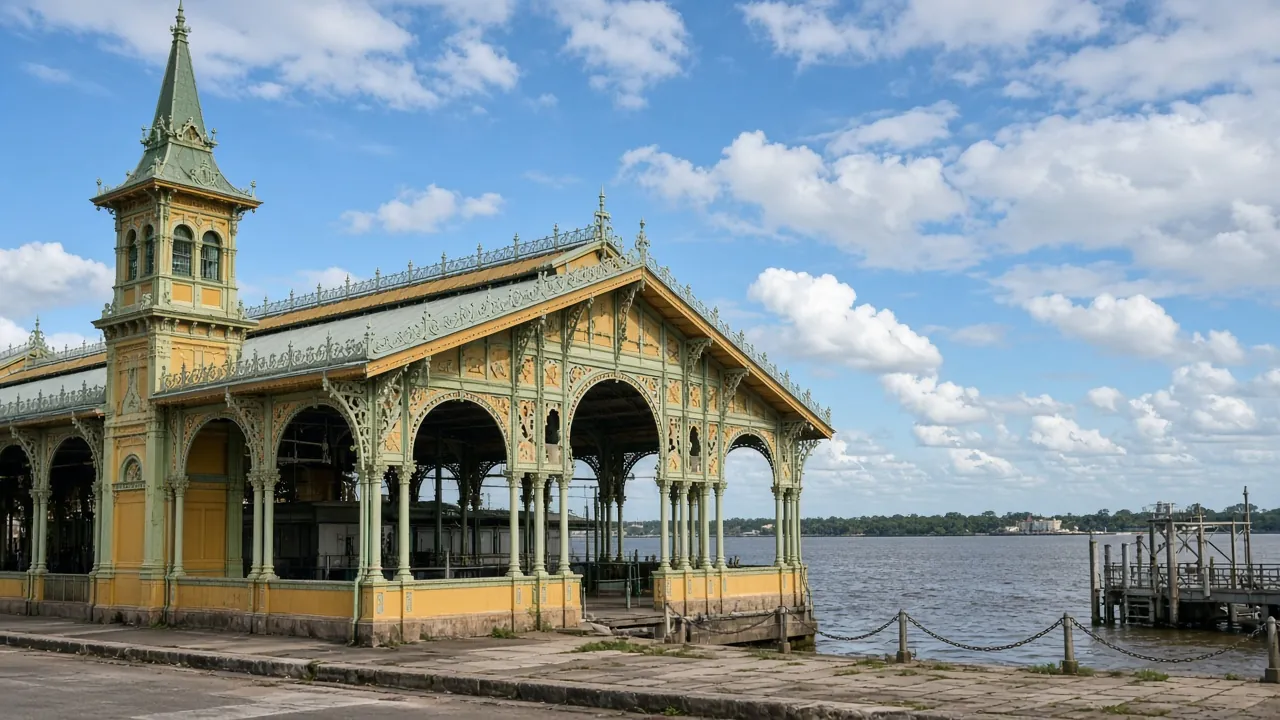
The Teatro Amazonas is the building that still organises a first walk: a late-nineteenth-century opera house in pale pink and white, with a tiled dome, paid for by the rubber boom when Manaus was briefly one of the richest cities in the country. Around it, a cluster of civic buildings, squares and older streets forms a historic centre that is smaller than the vast modern city, and all the more striking for that. The municipal market, the Mercado Adolpho Lisboa, on the river, is the other essential stop, a busy hall of fish, fruit and river goods in a building long associated, in its ironwork, with the commercial architecture of the period. Together they tell the story: a tropical capital in the forest, looking at the Rio Negro, that once bought European luxury with latex and then had to invent a later life when the boom ended.
The city is large, hot and humid, a metropolis of more than a million people, not a village at the edge of the jungle. A first visit is better in the historic centre and at the river than in a vague attempt to "see the Amazon" from a taxi. The Meeting of Waters, where the dark Rio Negro and the paler Solimões run side by side before they mix, is a real phenomenon and a standard boat outing a short way downstream; it is worth doing if you have the hours, and it is not visible from the opera-house steps.
Food is Amazonian as well as Brazilian: river fish, tropical fruit, tucumã and açaí in their local contexts, and the ordinary bakeries and lunch rooms of a big Brazilian city. The heat argues for an early start, shade at midday, and a slower afternoon.
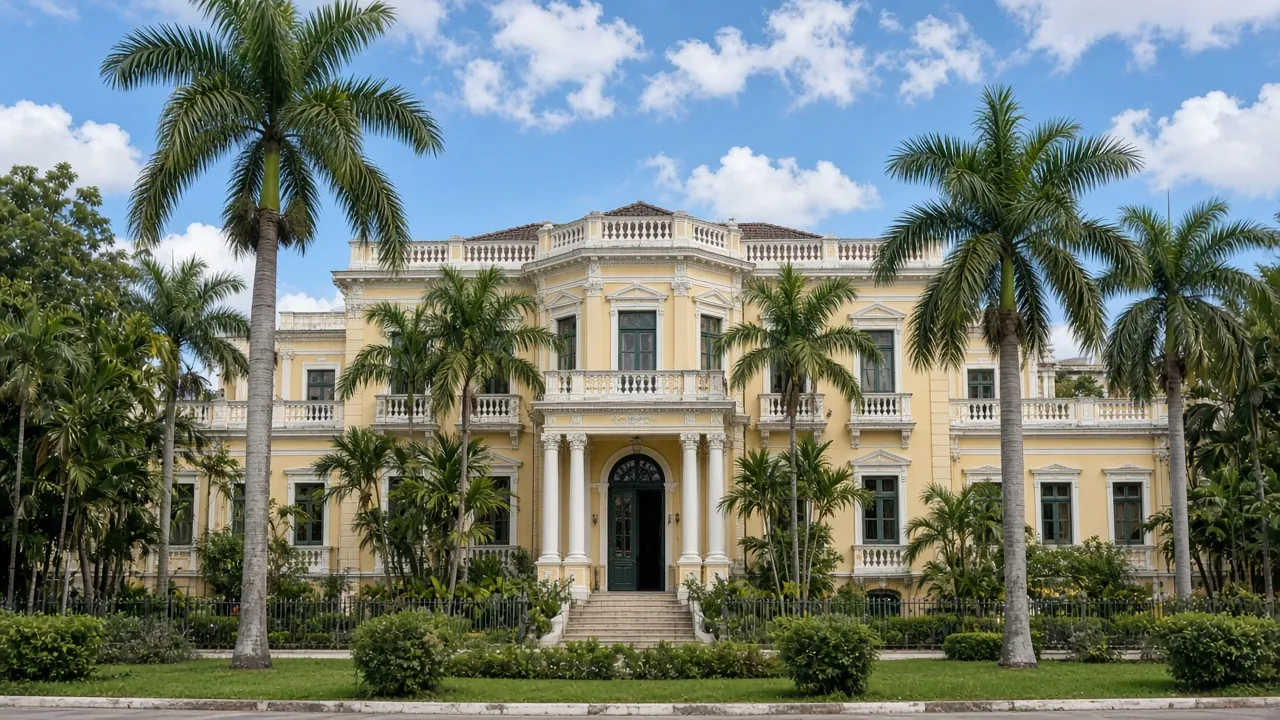
Ships land in the city, often at a floating pier whose exact position can vary with the river, and the historic centre is a short ride or a longer, hot walk from the usual landing. Take a taxi if the distance or the sun is unkind, see the theatre and the market, and add the Meeting of Waters only as a planned boat, as something worth leaving time for. The forest lodges and longer river trips that appear in travel writing are overnight expeditions, not a port-day add-on. Come back with time in hand; traffic and the climate both slow you down. The Palácio Rio Negro, a former rubber-baron residence later used as a government palace, and a few neighbouring civic buildings, add a second short walk if the theatre square has given you a taste of the boom years. If a guided visit inside the Teatro Amazonas is available on the day, it is worth taking; the interior is the point of the building. Start early, because the heat of the middle of the day is not a rumour.
Port landmarks
Shore Excursions
- Full Day Amazonas Jungle Treck & Anavilhanas Archipelago – 8 h
- Small Group Manaus City Tour – 4 h
- Visit to Amazon Rubber Museum – 5 h
- Manaus New Year's Eve Party by Boat – 6 h
- Solimoes River Piranha Fishing and Alligator Watching Tour – 4 h
- Folklore Themed Dinner & Cultural Presentation – 4 h
- Full Day Amazon Waterfalls Tour - Presidente Figueiredo – 8 h
- Amazon Natural Museums Combo (INPA and MUSA) – 3 h
- Full Day Amazon Safari Tour – 8 h