Málaga, Spain
Ports
Home • Ports • Europe • Spain • Málaga
About Málaga
Málaga is one of the oldest cities on the Spanish Mediterranean, a port beneath the Alcazaba and a Roman theatre, with the cathedral a few streets inland and Picasso's birthplace in the same tight core. Cruise ships usually berth at the city quays by the palmeral, close enough that the harbour walk and the old streets can begin on foot. This is Málaga, not Granada, and not a Costa del Sol resort town a long drive away. The Alhambra is a full outing of its own, often around an hour and a half each way, and only fits a long call. Leave time for the easy walk back along the waterfront to the ship.
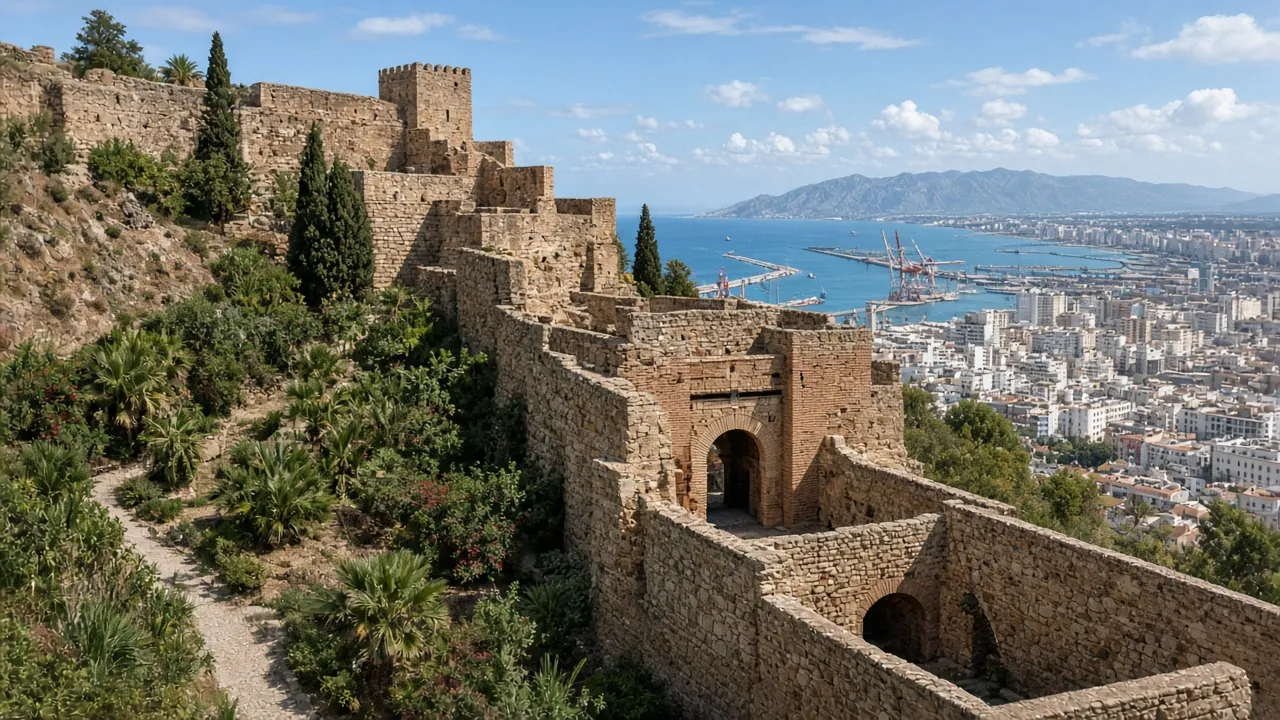
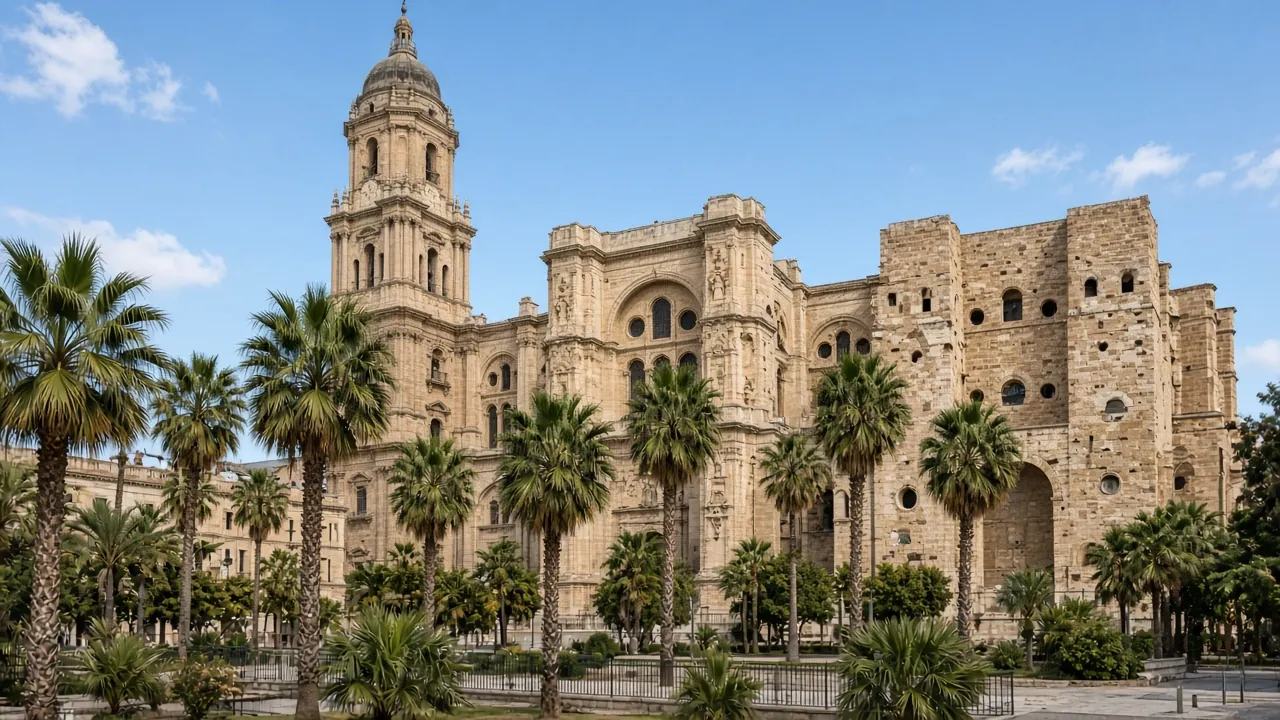
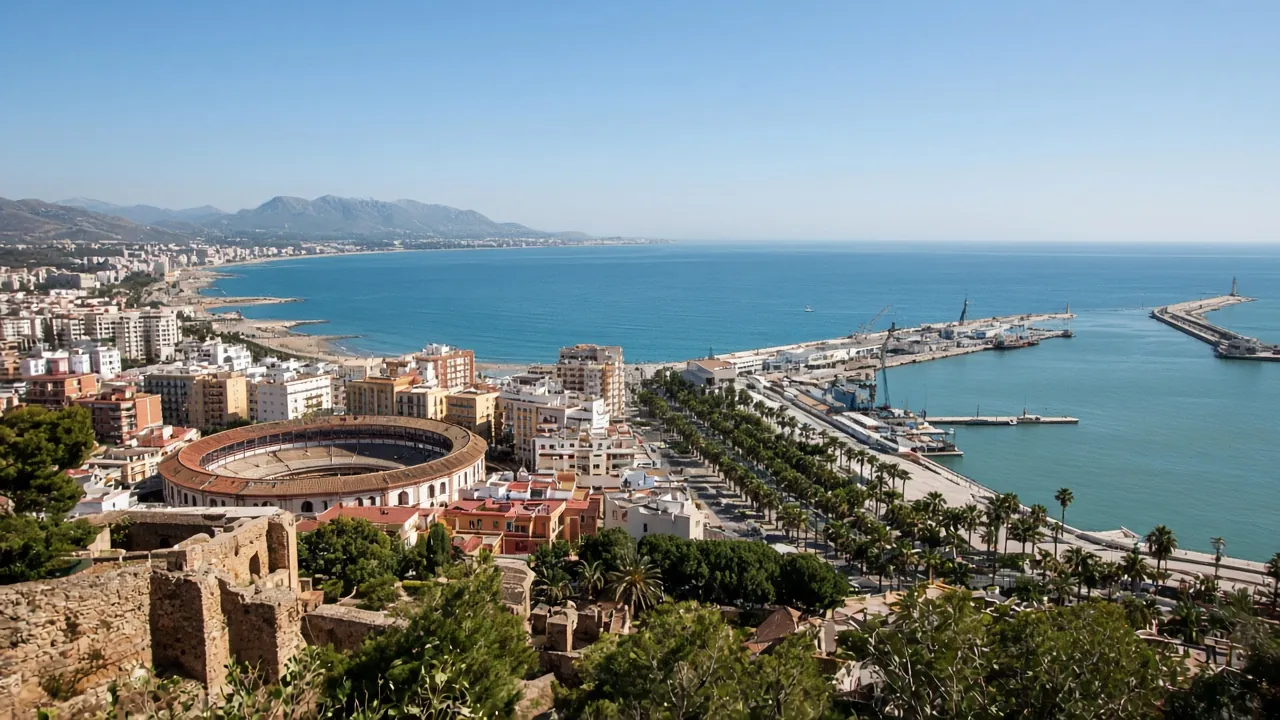
Málaga is one of the oldest cities on the Spanish Mediterranean, a port beneath the Moorish Alcazaba and a Roman theatre at its foot, with the cathedral a few streets inland. The cathedral is nicknamed La Manquita, the one-armed lady, because one tower was never finished. Pablo Picasso was born here, and the museum devoted to his work sits in the same tight historic core as the fortress and the old streets. The harbour has been remade as a civic waterfront, with a palmeral along the quays and a walk that leads almost naturally into the town.
Cruise ships usually berth at those city quays, close enough that the harbour walk, the theatre and the Alcazaba can begin on foot. This is Málaga, not Granada, and not a Costa del Sol resort a long drive along the shore. The Alhambra is a full outing of its own, often around an hour and a half each way, and only fits a long call with a reliable last return. A first day in Málaga can stay with the fortress, the Picasso museum, the cathedral and a lunch in the old streets without leaving the centre.
The climb to the Gibralfaro castle above the Alcazaba gives the harbour and the city in one view, and it is still a walk or a short ride from the same core. The Atarazanas market is a close, lively addition if you want food rather than another museum. The heat in summer is serious; the shade of the old streets and an early start for the hill are part of the plan.
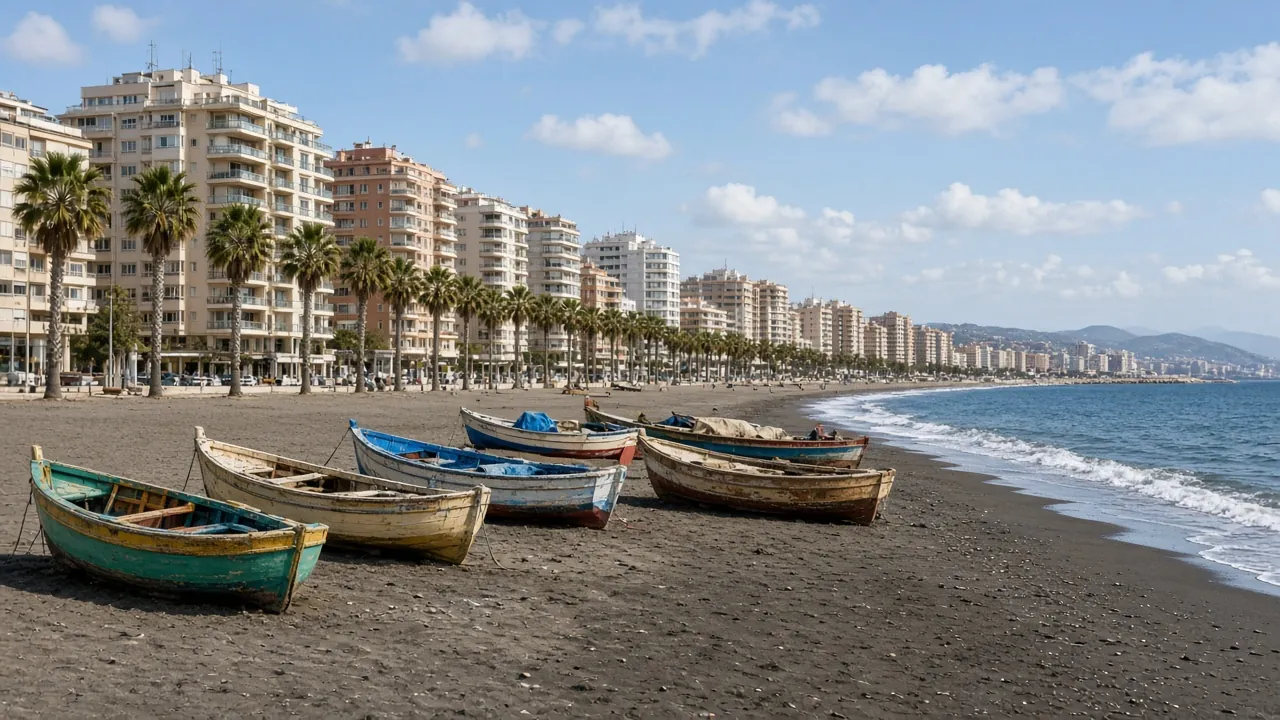
Food is Andalusian and of the coast: fried fish, espeto sardines when the season and the beach restaurants allow, and the wines of nearby hills. Spanish is the language of the city; English is widely used around the harbour and the main visitor streets. The light is Mediterranean and often hard at midday.
The Málaga Park, a long, leafy walk between the harbour and the old town, and the Pompidou Centre at the waterfront, are close additions if you want a slower hour between the fortress and the ship. Leave time for the easy walk back along the waterfront to the ship. A day that holds to the historic core, with perhaps the Gibralfaro and a clear last return, will have seen the city that ships actually call at. Granada can wait for a longer call, and the last ride has to end at this harbour, not at the Alhambra.
Port landmarks
Shore Excursions
- Customizable Private Best of Málaga Tour – 3 h
- Malaga Food Tour: Tapas & Local Wine – 3 h 30 min
- Private Photoshoot with a Professional Photographer in Marbella – 1 h
- Málaga Private Tour – 2 h 30 min
- Historic Center and Cathedral of Málaga Walking Tour – 1 h 30 min
- Creative Photo Workshop in Malaga – 1 h 30 min
- Málaga Expert Tour in Private Eco Tuk Tuk – 2 h
- Private Malaga Customizable Tour – 2 h
- Málaga - Panoramic City Tour & Picasso Birthplace Museum Visit – 4 h
- Malaga Highlights, Old Town & Viewpoints Walking Tour – 2 h
- Málaga Street Art and Graffiti Tour: Soho Neighbourhood – 1 h
- Shore Excursion: Alhambra/Granada From Malaga – 8 h
- Photoshoot in Malaga – 1 h
- Panorámic City Tour of Málaga – 3 h 30 min
- I DRAW Malaga: Private Art and Drawing Lessons – 2 h 30 min
- Malaga's Alcazaba and Roman Theater Private Tour With Tickets – 1 h 30 min
- Complete Walking Tour of Málaga – 3 h
- Sunset Sailing - Shared Experience in Puerto Banus, Marbella – 2 h
- Malaga Street Food & Market Tour: Fried Fish & Tapas – 3 h 30 min
- Sailing with Dolphin Watching: Shared Experience – 2 h
- City Sightseeing Hop On Hop Off Bus Tour Malaga – Flexible · valid 2 days
- Flamenco, Tapas and Wine Tour: BEST OF Málaga in One Evening! – 4 h
- Private Charter Sailing Boat from Puerto Banus, Marbella – 2 h
- Teatro Flamenco Málaga: Live the Flamenco Experience – 1 h
- Málaga Flamenco and City Highlights Guided Tour – 3 h
- Marbella Food Tour: Pescaíto Frito & Tapas – 3 h 30 min
- Guided Tour of Picasso Museum – 1 h 15 min
- Malaga: Alcazaba and Roman Theater Guided Tour with Tickets – 1 h 30 min
- Foodie Atarazanas Market Tour in Malaga – 2 h
- Private Sunset Sailing Excursion from Puerto Banús, Marbella – 2 h
- Guided Roman Theatre and Alcazaba Walking Tour – 1 h 15 min
- Malaga Traditional Wine & Tapas Tour – 2 h 30 min
- Málaga Express Tour in Private Eco Tuk Tuk – 1 h
- Private Photoshoot with a Professional Photographer in Malaga – 1 h
- Spanish Lessons - Learn the Basics While Visiting Malaga! – 1 h 30 min
- Malaga History of PICASSO Walking Tour – 1 h 30 min
- PICASSO IN MALAGA Private Walking Tour – 1 h 30 min
- Shore Excursion: Malaga To Ronda & the White Village Of Mijas – 8 h