Funchal, Portugal
Ports
Home • Ports • Europe • Portugal • Funchal
About Funchal
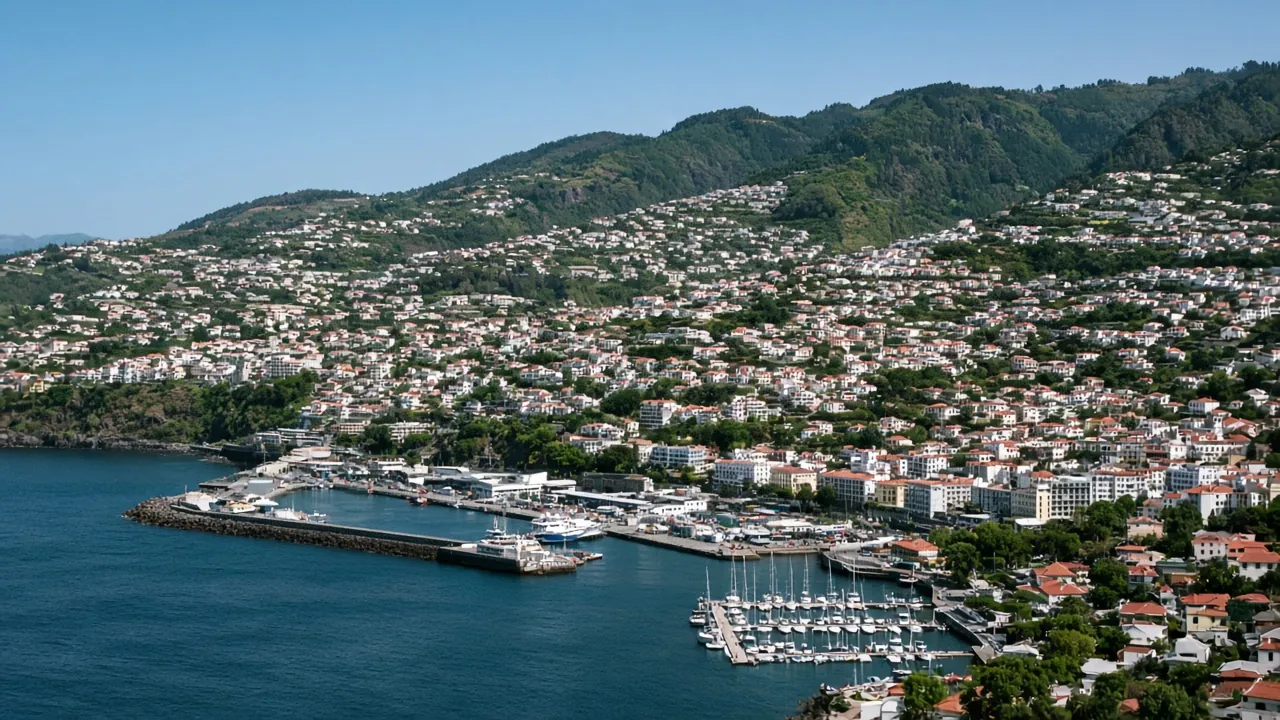
Funchal is the capital of Madeira, a steep city that pours down to a wide Atlantic bay, with a tiled old town, a working harbour and terraces of banana and vine in the hills above. Cruise ships berth at the pontão, a long quay along the waterfront; the old streets, the market and the seafront promenade are a short walk or a very brief ride away. Monte, high above the city, with its gardens and the famous wicker sledges, is a cable-car ride and a different altitude; leave time for the way down. The light is soft, the streets are stepped, and the harbour is part of the town rather than a distant industrial estate. This page is Funchal, the island's civic landing.
Funchal is the capital of Madeira, a steep city that pours down to a wide Atlantic bay, with a tiled old town, a working harbour and terraces of banana and vine in the hills above. The streets are stepped, the facades are painted, and the harbour is part of the town rather than a distant industrial estate. Cruise ships berth at the pontão, a long quay along the waterfront; the old streets, the market and the seafront promenade are a short walk or a very brief ride away, which is the real convenience of this call.
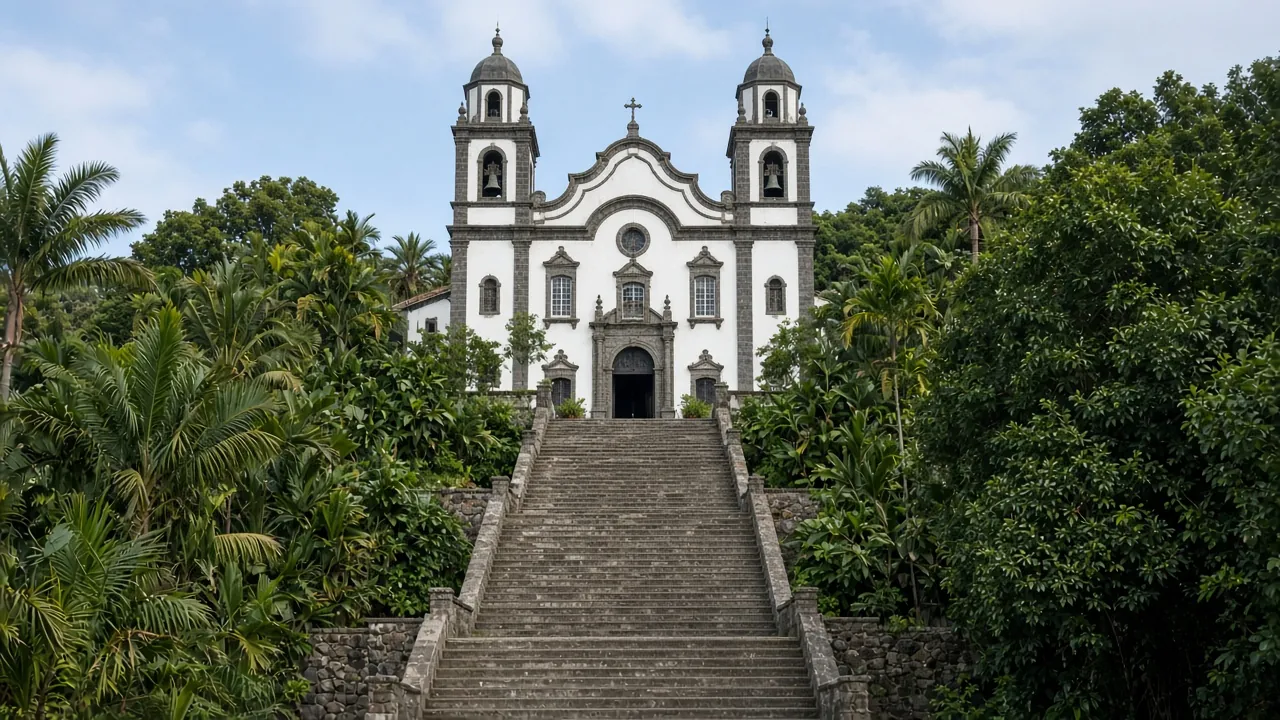
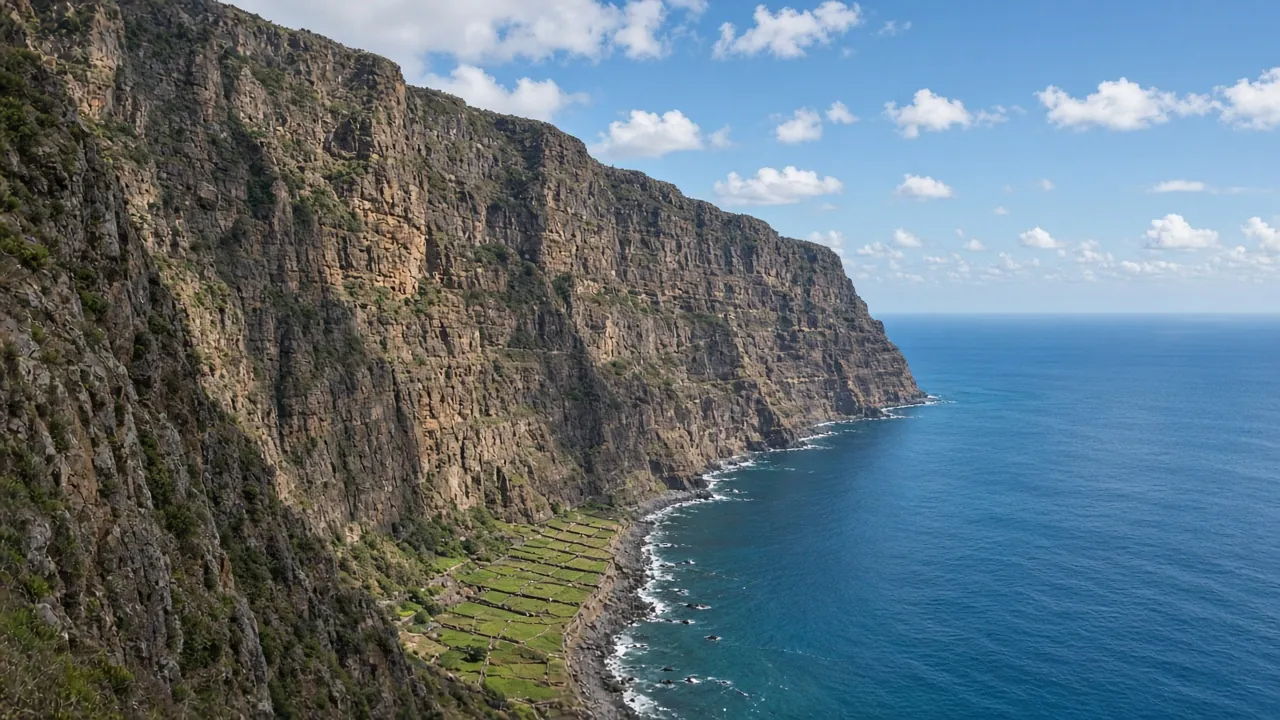
The Mercado dos Lavradores, with its fruit and flowers, is a good first hour if you like a working market. The old town around the cathedral and the painted doors of the zona velha will take another. Monte, high above the city, with its gardens, its church and the famous wicker sledges that run down the steep streets, is a cable-car ride and a different altitude; leave time for the way down, and do not treat the sledge as the only reason to go up. The botanical gardens and the cliff viewpoints farther along the coast — Cabo Girão among them — are longer outings and will fill a half day if you go.
A harbour day is more enjoyable if you pick the town plus one height, or the town plus one west-coast viewpoint, rather than all of them. The roads are steep, the coaches are slow, and the island is more vertical than its size suggests. The last walk or ride back along the pontão belongs in the same plan as the morning's ascent.
The climate is mild for most of the year, with a softness in the air that the African islands do not have, and a chance of cloud sitting on the high ridges while the harbour stays bright. Food is Madeiran: black scabbard fish and banana, bolo do caco, a glass of the island wine, and the plenty of a market town. Portuguese is the language of the streets; English is common in the harbour and the old town.
This page is Funchal, the island's civic landing. The rest of Madeira is a longer island, and it will still be there if you come back. Leave a margin for the downhill return, and let the city on the slope be enough.
The pontão is long, and a late walk along it, with the city rising behind and the harbour lights coming on, is one of the pleasures of this call. It is also the way home. Keep an eye on the hour, even when the old town feels close enough to ignore the clock, and the return will be as easy as the arrival. Funchal is a generous first island day, if you let it be a city day and not a race around a map.
Port landmarks
Shore Excursions
- Private Guided Walk Levada do Rei – 4 h
- Private Half-day Nun’s Valley Tour – 3 h
- Sunset Catamaran Tour from Funchal by VMT Madeira – 3 h
- Madeira: Private Half-Day North East Island Tour – 4 h
- Private Guided Walk Pico do Areeiro – Pico Ruivo – 5 h
- Arieiro Peak & Cristo Rei + Dolphin Watching – 7 h
- Majestic Arieiro Peak & Cristo Rei – 4 h
- Private Full Day Jeep Tour (East or West) – 7 h 30 min
- Desertas Island Catamaran Tour from Funchal by VMT Madeira – 9 h
- Private Service VIP Half-day South West Tour – 4 h
- New Year's Celebration Aboard a Catamaran by VMT Madeira – 1 h 45 min
- Private Half-Day Madeira Historic Tour – 4 h
- Private Guided Walk Levada 25 Fontes – 4 h
- Skywalk, Cliff & Valleys + Dolphin Watching – 7 h
- Private Guided Walk Levada Maroços – 5 h
- Private Half-day Tea House Tour – 3 h
- Nature & Wine Experience + Dolphin Watching – 7 h
- Private Guided Walk Moinho – Levada Nova Ponta do Sol – 4 h
- Private Tour West Madeira – 7 h
- Madeira: Fajã dos Padres visit private tour – 3 h
- Atlantic Festival of Madeira Aboard a Catamaran by VMT Madeira – 1 h 30 min
- Private Tour East Madeira – 7 h
- Skywalk & Porto Moniz Volcanic Lava Pools – 7 h
- Private Guided Walk Levada Caldeirão Verde – 5 h
- Dolphins & Whales by VMT – 3 h
- Private Tour South Madeira – 7 h
- Madeira: Private Half-Day Guided Palheiro Gardens Tour – 3 h
- Private Service VIP Half-day South Tour – 4 h
- Amazing Skywalk, Cliff & Valleys – 4 h
- Madeiran Traditional Dinner and Entertainment – 3 h
- Private Half Day Jeep Tour (East or West) – 4 h 30 min
- Private Half-Day Madeira Jardim da Serra Tour – 4 h
- Private Guided Walk Tour Of Funchal – 4 h
- Madeira Nature & Wine Experience: From Cabo Girão to Vineyards – 4 h
- Private Tour North Madeira – 7 h
- Madeira: Private Laurisilva Tour – 3 h
- Private Half-Day Madeira Garden Tour – 4 h