Luxor, Egypt
Ports
Home • Ports • Europe • Egypt • Luxor
About Luxor
Luxor is a Nile river-cruise stop in Upper Egypt, on the site of ancient Thebes, not an ocean harbour and not a place with a recorded berth on this page. River ships moor along the east-bank Corniche; the landing shifts with the season and with how many vessels are already alongside, and ships are often rafted two or three deep. Ocean ships that sell a day in Luxor typically berth at Safaga on the Red Sea, a long overland transfer, and that is a different arrival. The east bank holds Luxor Temple and, farther on, Karnak; the west bank, with the Valley of the Kings, needs a river crossing. Leave time for the return to the named riverboat, not to a temple or a west-bank tomb that is not your ship.
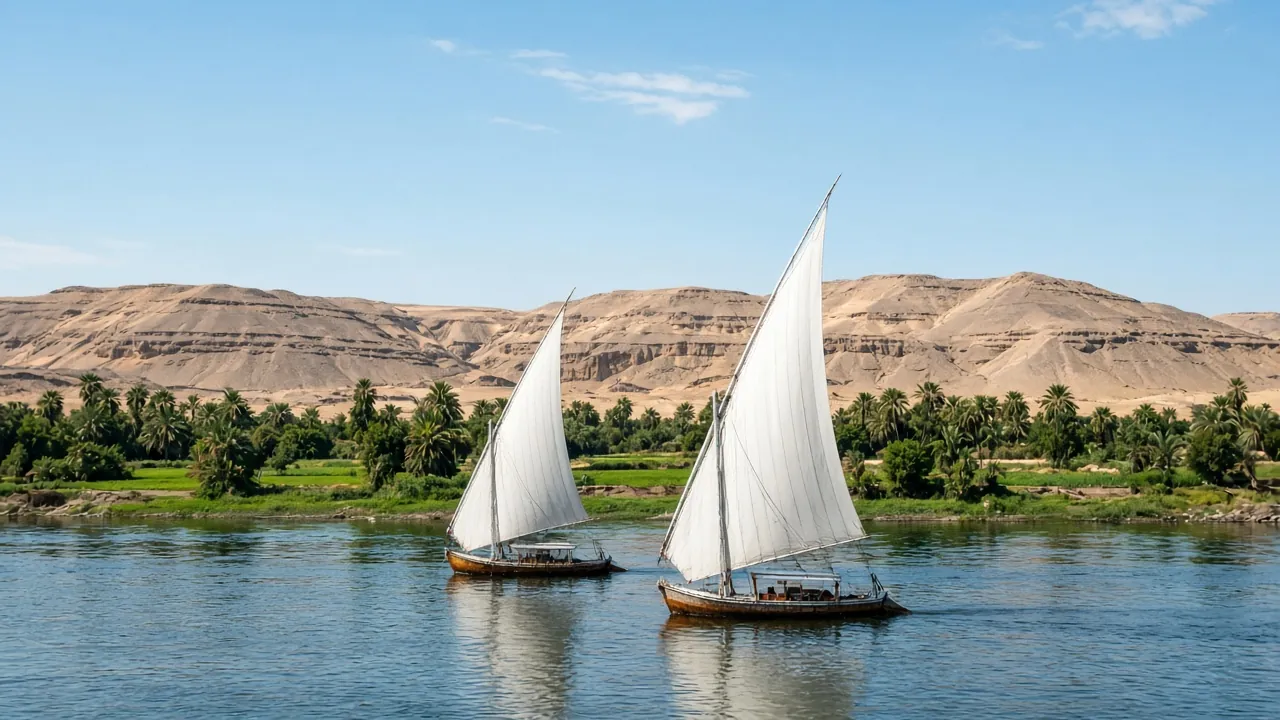
Luxor is a Nile river-cruise stop in Upper Egypt, on the east and west banks of the river at the site of ancient Thebes. It is not an ocean harbour. This page has no recorded coordinates and no single named cruise pier in the sense of a coastal terminal, and the copy here treats the place honestly as a river mooring, not as a deep-water port.
River ships tie up along the east-bank Corniche. The exact landing shifts with the season, with the height of the river and with how many vessels are already alongside; ships are often rafted two or three deep, so the way ashore may be across a neighbouring deck. Some moorings sit closer to Luxor Temple, others farther along the bank, including toward the Boghadi area by the bridge. The day's papers, not a map pin, tell you where your riverboat actually is. Luxor is frequently the start or the end of a cruise between here and Aswan, which means a call can be a brief landing or a stay of a night or two; the hours you have are the ones on your itinerary.
Ocean ships that sell a day in Luxor typically berth at Safaga on the Red Sea and cross the Eastern Desert by road, a transfer of about three to four hours each way. That is a different arrival, with a much tighter clock, and it is not the river stop described here. If your papers say Safaga, the last return is to that Red Sea ship, not to a mooring on the Nile.
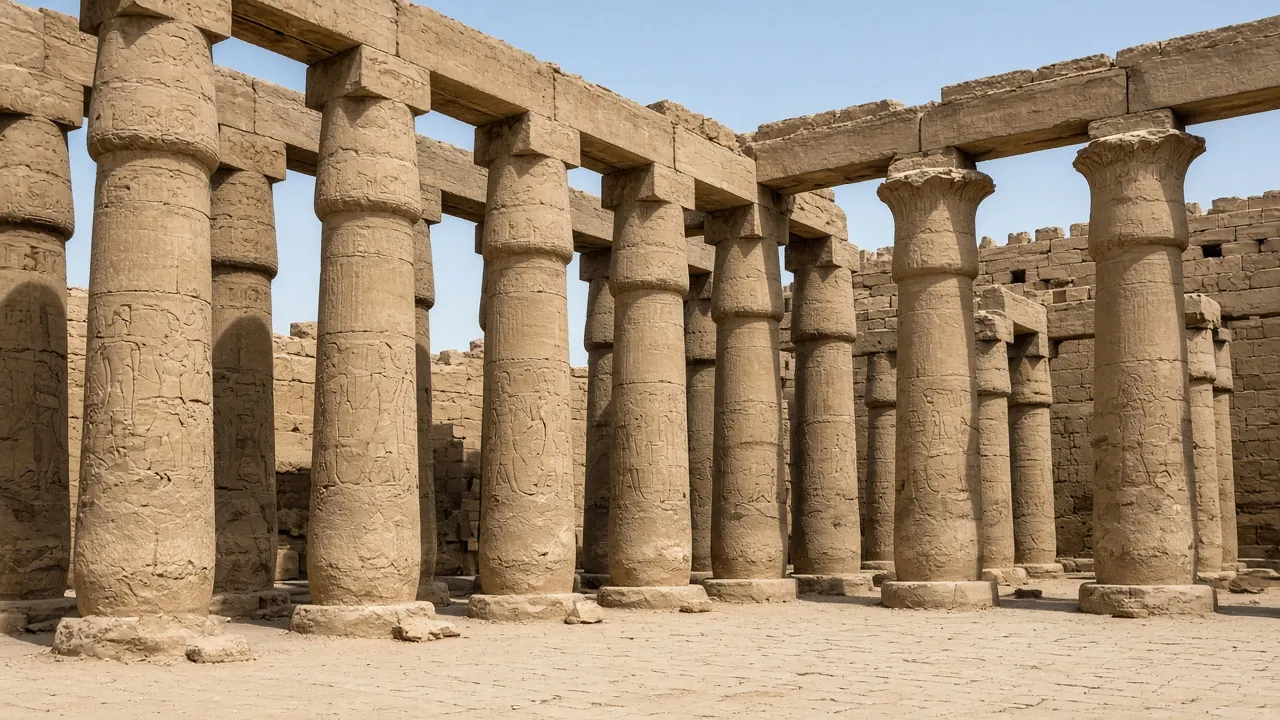
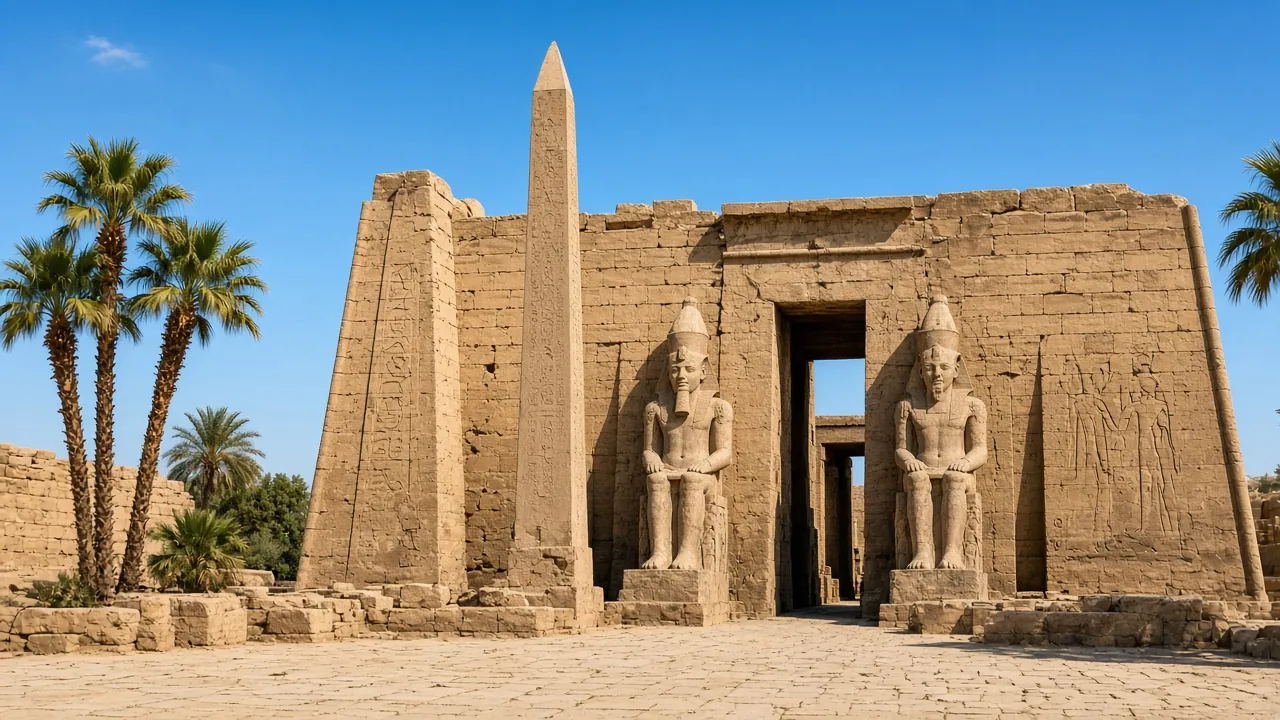
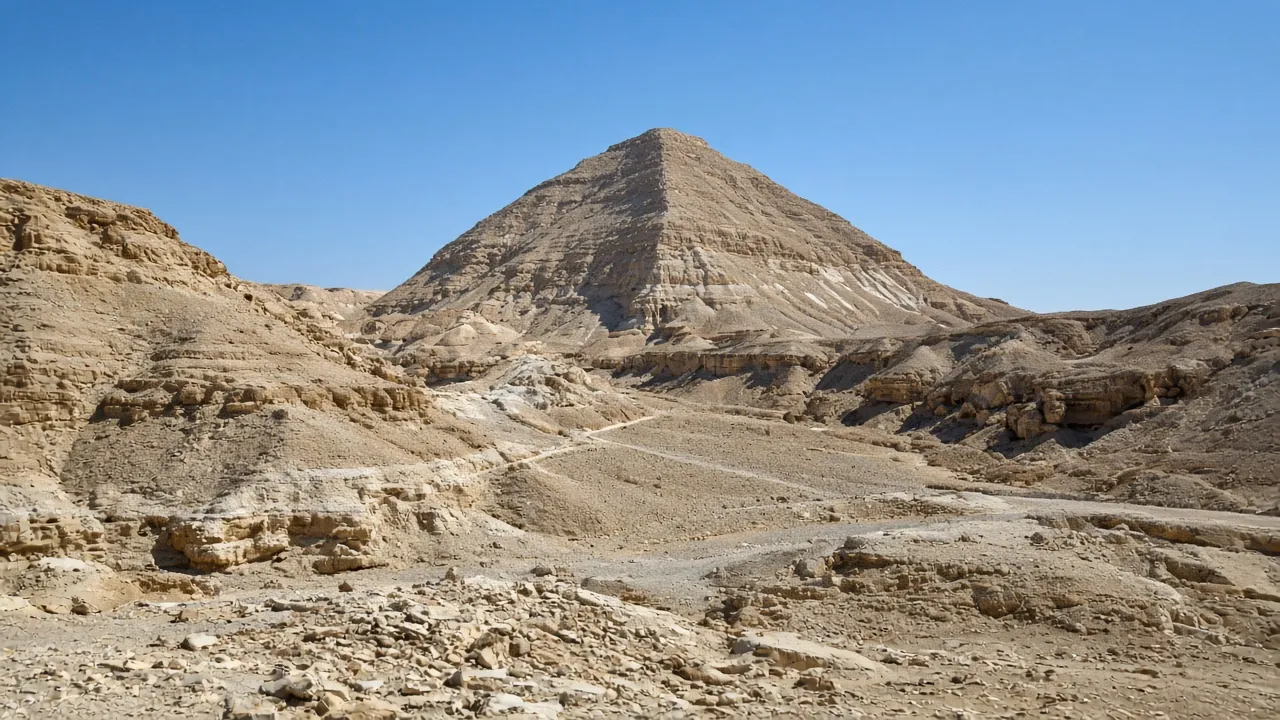
The east bank holds the living town, Luxor Temple — often a walk of some minutes from a central mooring, longer from a farther one — and, about three kilometres on, the vast complex at Karnak, now linked to Luxor Temple by the restored Avenue of Sphinxes. The Luxor Museum and the smaller collection devoted to mummification sit along the same bank. The west bank is another landscape: the Valley of the Kings, the terraced temple of Hatshepsut and the Colossi of Memnon, reached only by crossing the river, on a local ferry or by the road bridge. A first day is better when it chooses one bank well. A plan that tries to do Karnak, the Valley of the Kings and a balloon flight at dawn usually spends its strength in transit and in queues, and the heat, especially from late spring through early autumn, is a real limit on how much ground you can cover.
Leave time for the return to the named riverboat, not to a temple pylon, a west-bank tomb or a corniche café that is not your ship. If you have crossed to the west bank, the crossing back is part of the margin, not an afterthought. Confirm the mooring and the way back across any rafted ships before you walk out. Tickets, opening hours and photography rules at the major sites change and are worth checking on the day. Luxor is one of the densest archaeological landscapes in the world; a single temple complex, or a single valley, is already a full outing. The river, not a quay on the open sea, is the place you have to find again at the end of the day.
Port landmarks
Shore Excursions
- Private Half Day Tour: Valley Of Kings And Temple Of Hatshbsut – 4 h 30 min
- Karnak Sound and Light Show with Private Transfer – 1 h
- Private Half Day: Karnak And Luxor Temples From Luxor – 4 h 30 min
- Private Half-Day: Luxor's East Bank & Karnak Temple – 4 h 30 min
- Full-Day Luxor Highlights Tour: East & West Bank Private Tour – 8 h
- Divine Legacy: Private Half-Day Tour to Luxor & Karnak Temples – 4 h
- Private Half Day: Ancient Highlights West of Luxor – 4 h 30 min
- Hot Air Balloon Ride In Luxor – 2 h
- Dendara & Abydos Day Tour From Luxor – 7 h 30 min