Lofoten, Norway
Ports
Home • Ports • Europe • Norway • Lofoten
About Lofoten
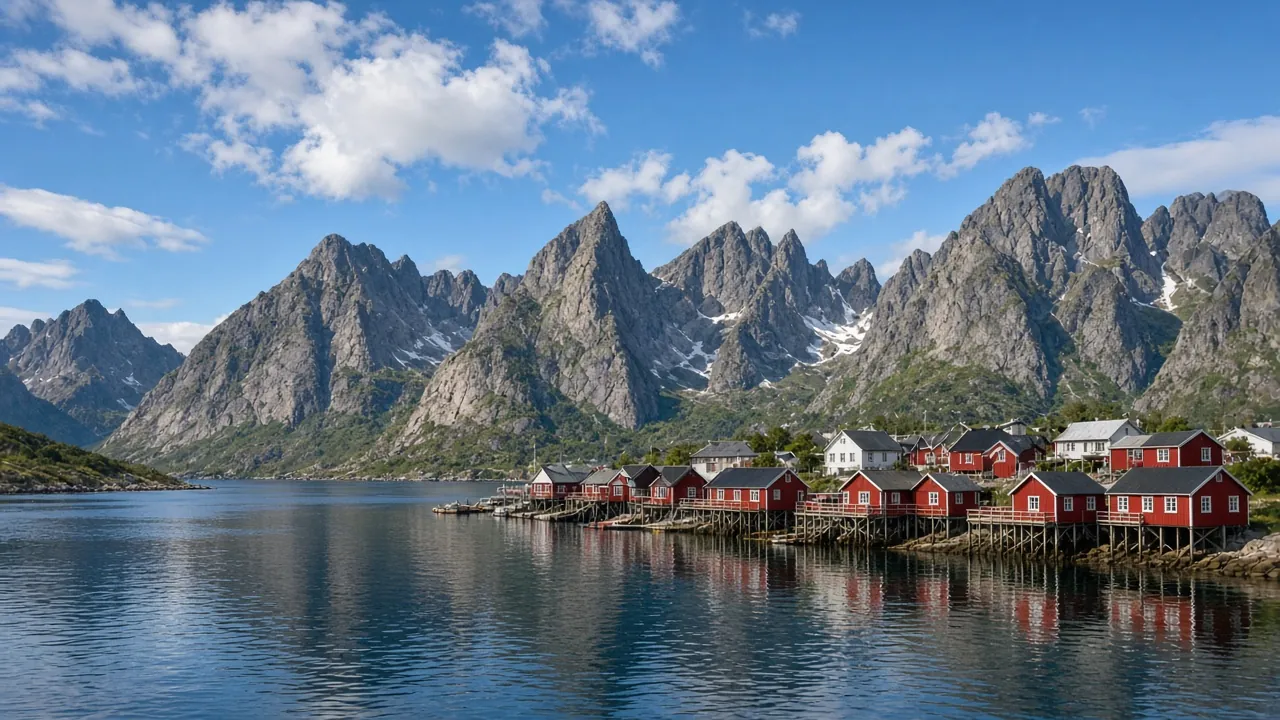
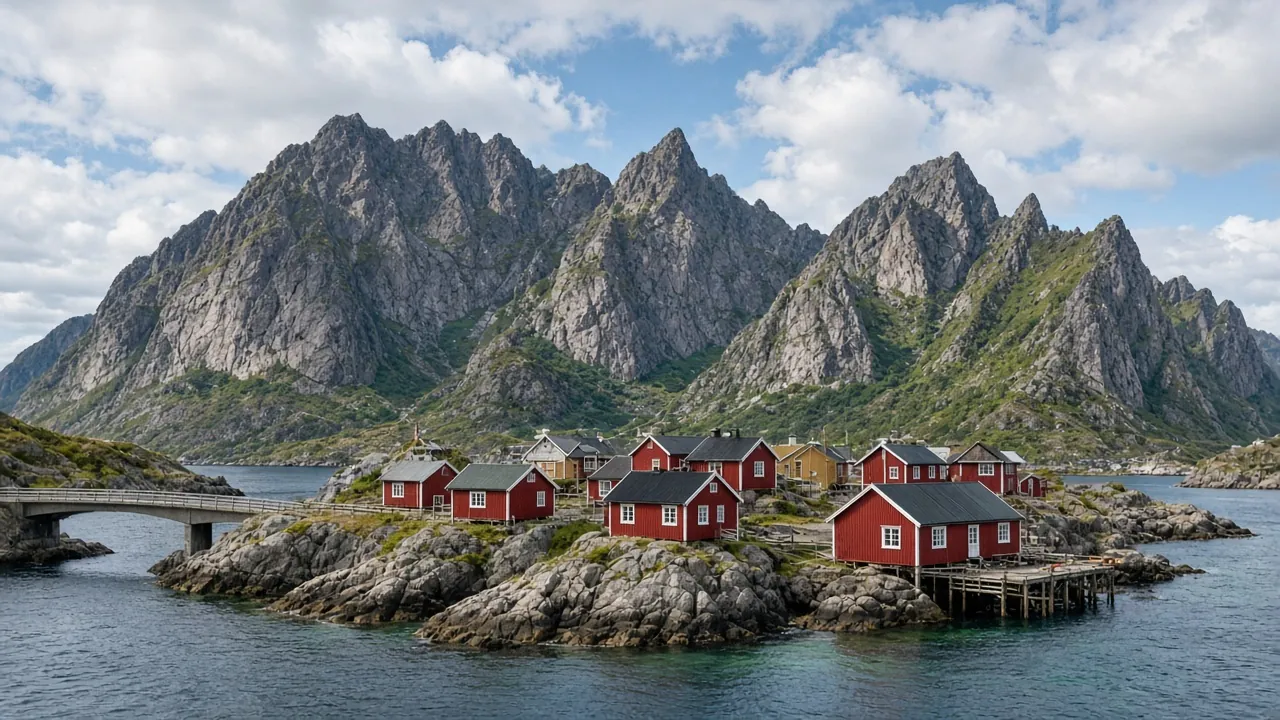
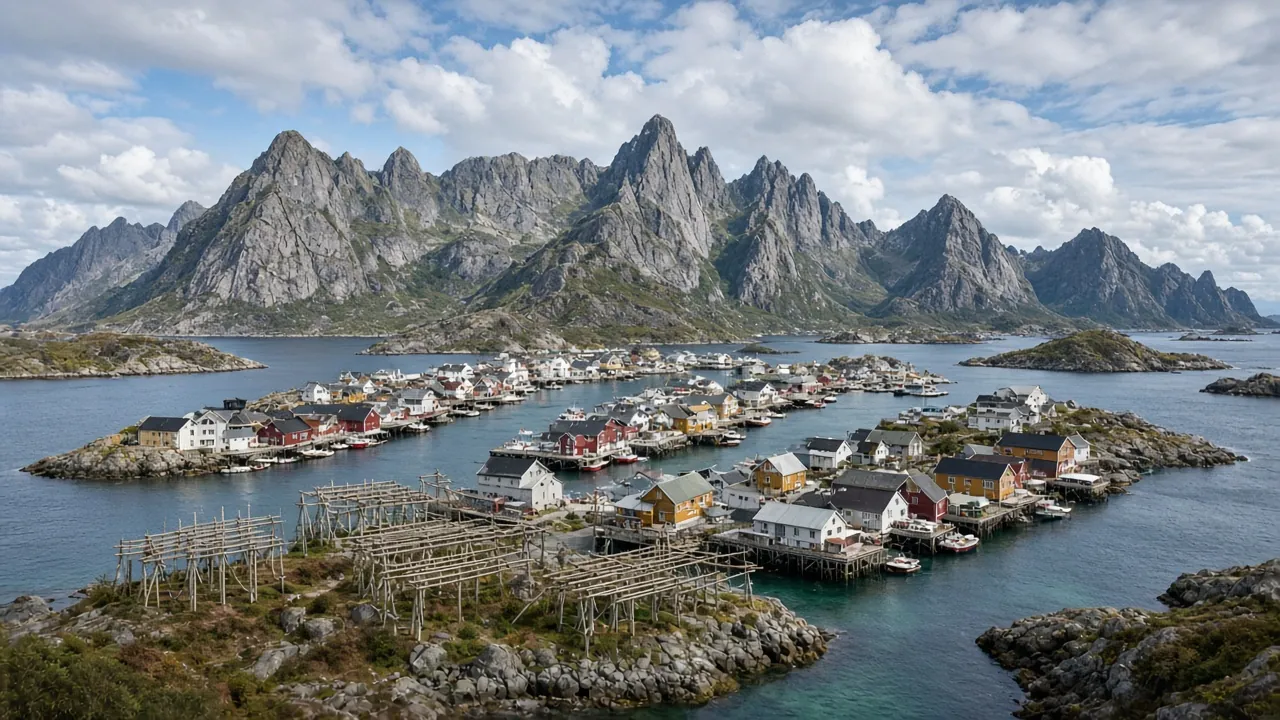
Lofoten is a chain of steep islands off Norway's north-west coast: fishing villages, later visitor shores, and two main cruise harbours about an hour apart by road. You can spend a first day in the harbour where you actually land — the close village, one stretch of shore, a lunch. The two usual ports are Leknes, often a tender landing and the larger harbour, and Svolvær, where smaller ships may berth and walk ashore. They are not the same place. Catalogue coordinates sit near Svolvær, but the harbour in use is worth knowing in advance.
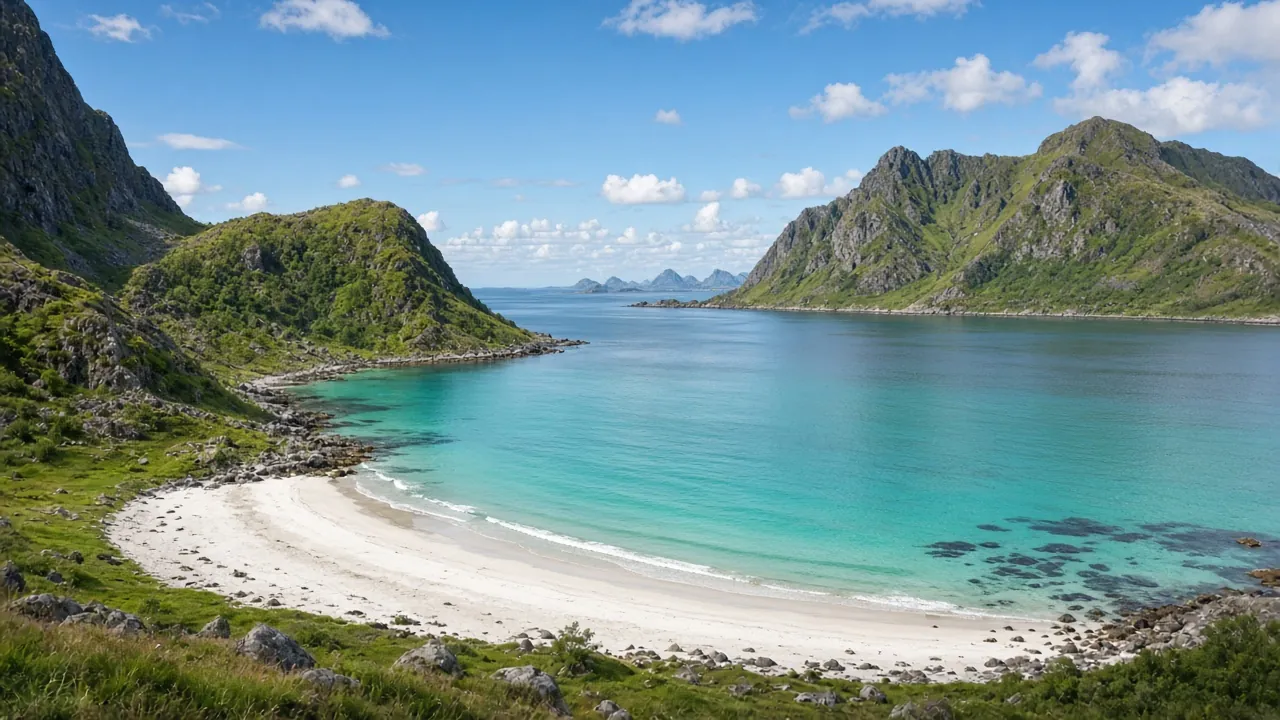
The civic heart, on this page, is not a single town but the Lofoten archipelago: a chain of steep islands off Norway's north-west coast, with fishing villages, later visitor shores, and two main cruise harbours about an hour apart by road. You can spend a first day in the harbour where you actually land — the close village, one stretch of shore, a lunch. You do not need a second island chain to make the day feel like this shore.
The two usual ports are Leknes, often a tender landing and the larger harbour, and Svolvær, where smaller ships may berth and walk ashore. They are not the same place. Catalogue coordinates sit near Svolvær, but the harbour in use is worth knowing in advance, because the first move and the town you can walk into change with it. A late or broken sea can slow a tender at Leknes. The official way out, and the last return to the ship, belong in the same plan.
A drive along the islands, a second village, or a climb on a close peak is a outing you set time aside for and will take a good part of a day if you go far, especially if the two harbours are your hoped-for circuit. That circuit is a poor last-minute addition after a late start in one village. Tromsø has its own harbour page and is a different city, a long way along the coast, not a short ride from the ship.
The food is of these fishing villages: later rooms along the water, a lunch culture of fish and the kitchen of this archipelago, streets that run in Norwegian. Eat in the quarter you are actually visiting. The weather can change quickly; take a layer, a hat, and water, even if the bay looks still when you land. The light is the image many people come for, and it is already in the harbour you have, not only in a second village an hour away.
A first day in the harbour where you actually land is a complete visit. A first day that tries to collect both ports and every village will be spent in a vehicle. If the hours are short, stay in the close streets; the other harbour can wait. The last tender or walk back to the ship is worth leaving time for, even when the shore looks close.
Port landmarks