Lima, Peru
Ports
Home • Ports • America • Peru • Lima
About Lima
Lima spreads along a desert coast above the Pacific, a vast capital whose historic centre and the cliffs of Miraflores sit well back from the sea. Cruise ships berth at Callao, in the industrial Terminal Norte, about fourteen kilometres from the old centre and a little farther from Miraflores; the port itself is not a place to walk for pleasure, and traffic can stretch the ride to half an hour or more. Closer to the docks, the Real Felipe fortress and Callao's own historic streets offer a nearer first look if time is short. The last transfer back through the port gates belongs in the same plan as the morning's ride in. This page is the Callao landing for Lima.
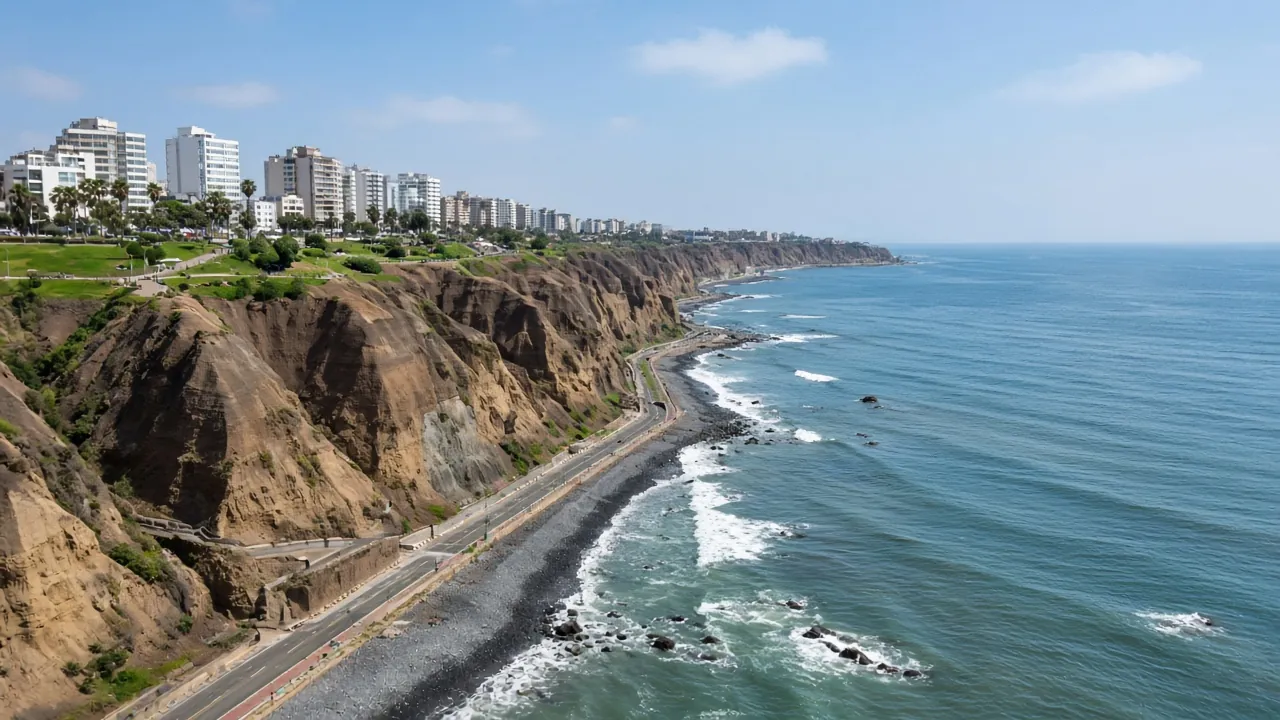
Lima is a vast desert capital above the Pacific, a city of a UNESCO historic centre, of cliffs at Miraflores and Barranco, and of a long, complicated history from the viceregal court to the modern metropolis. The sea, however, does not come to the plazas. Cruise ships berth at Callao, in the industrial Terminal Norte, a secured working port about fourteen kilometres from the old centre and a little farther from Miraflores. The docks themselves are not a place to walk for pleasure, and Lima's traffic can stretch a ride that looks short on the map to half an hour, sometimes more.
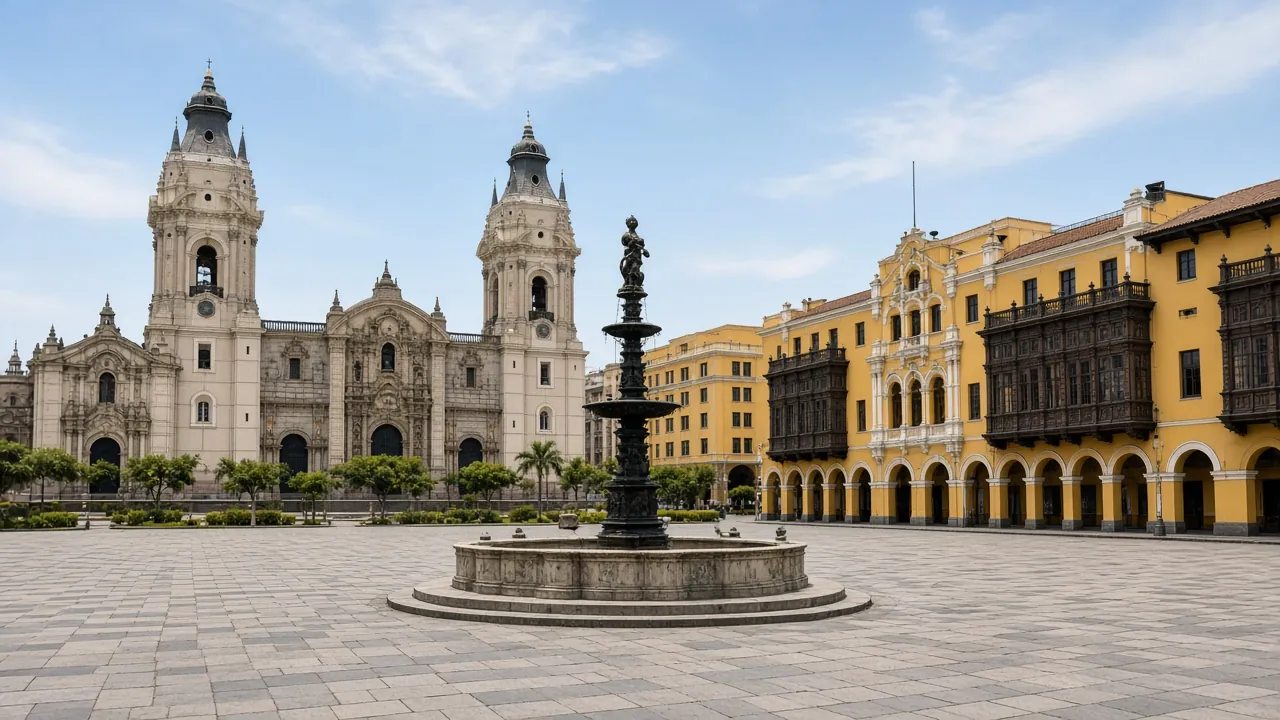
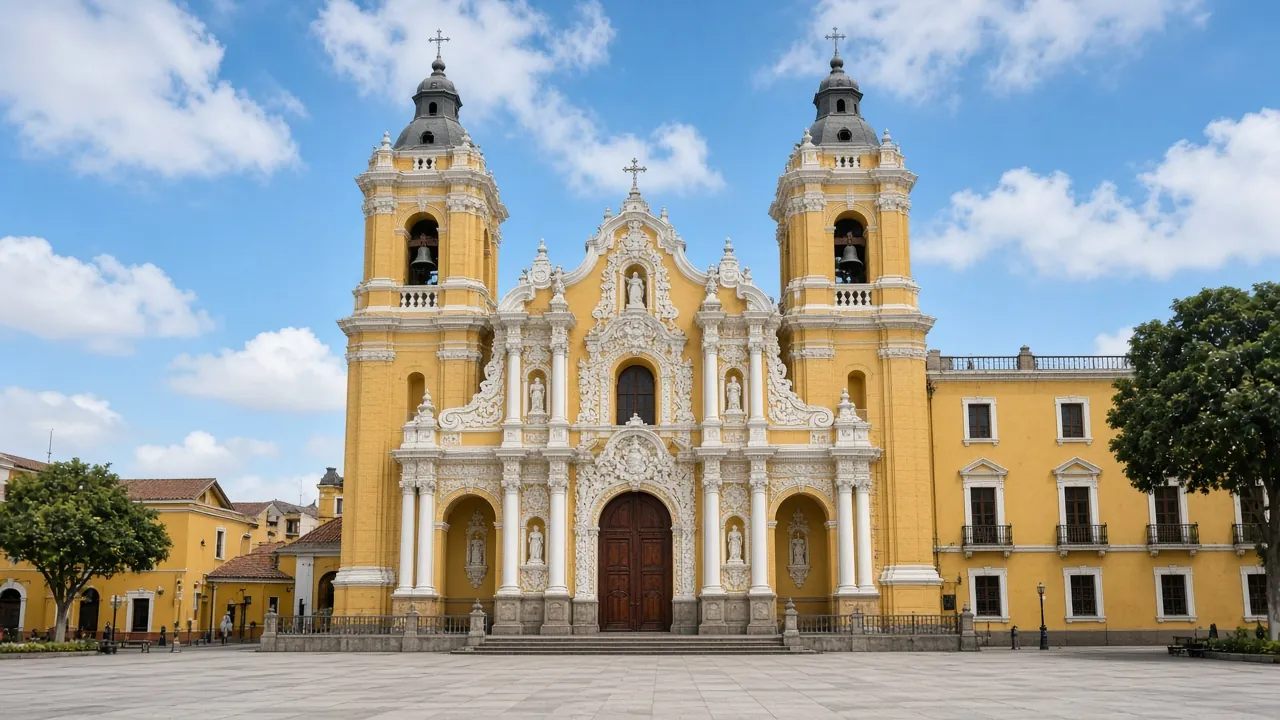
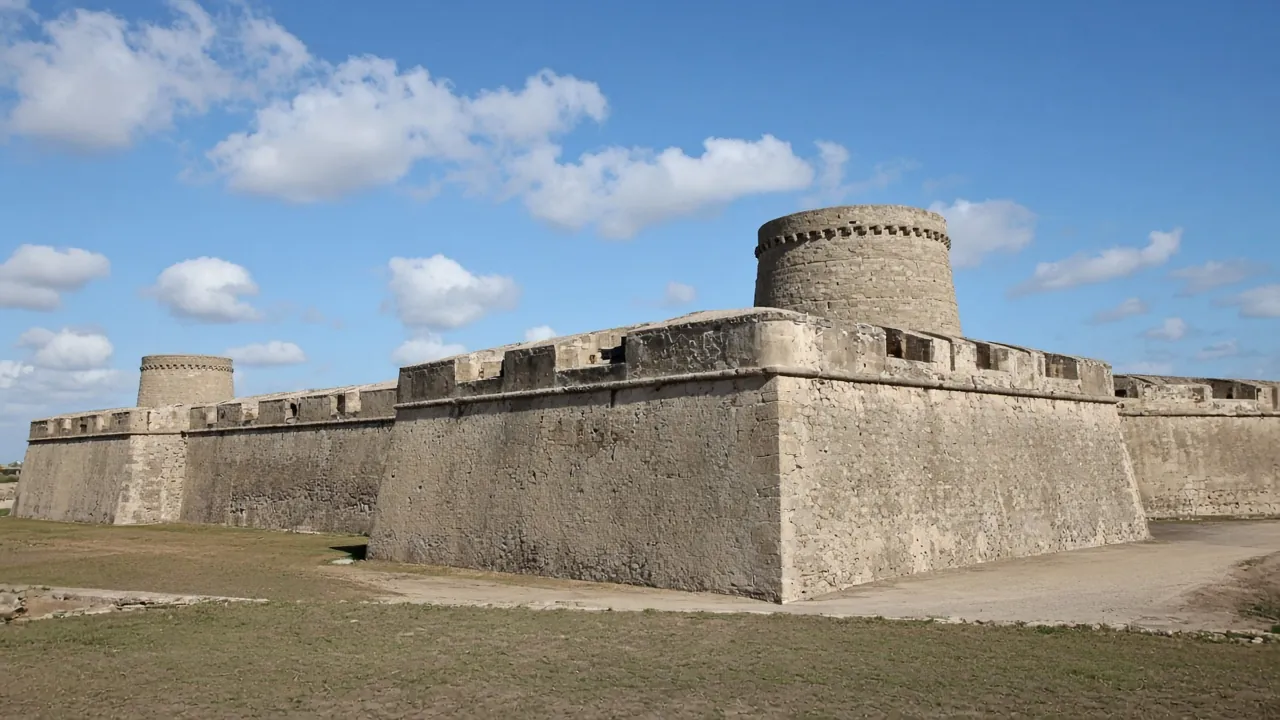
The last transfer back through the port gates belongs in the same plan as the morning's ride in. If time is tight, Callao has its own nearer sights: the Real Felipe fortress, and a historic core that is often overlooked in the rush to the capital. For a first harbour day most people still go into Lima, and the honest choice is one part of the city, not three. The historic centre — the Plaza de Armas, the cathedral, a courtyard or a balcony street — is a different Lima from the clifftop parks and the kitchens of Miraflores, and Barranco, the old seaside district to the south, is a third.
Museums can fill a morning on their own. The Larco, in a colonial building in Pueblo Libre, is a strong choice if you want pre-Columbian work without crossing the whole city twice. The climate is particular: a grey, bright mist — the garúa — often sits over the coast in the cooler months, and the sun, when it appears, is harder than the grey suggests. The city is dry; the desert comes right to the outskirts.
Lima's food is one of the reasons to come, and even a short day can include a proper lunch: ceviche, potatoes in their many dressings, a quarter of a roast chicken, or the Japanese-Peruvian thread of nikkei cooking in Miraflores. Spanish is the language of the city; English is common in the visitor districts and thinner in Callao's back streets. Taxis and pre-booked transfers are the practical way between port and city; this is not a public-walk port.
Do not try to add the Nazca lines, the high Andes or a second Peruvian city on this landing. Those are different journeys. A day that goes cleanly from Callao into one Lima neighbourhood, and back with time to spare at the gate, will already have met the capital. The ship remains in a working dock, and the dock keeps its own clock.
Port landmarks
Shore Excursions
- Lima Ultimate Peruvian Food Tour – 4 h
- Lima Shore Excursion: Food Tour and City Tour from Callao Port – 9 h
- Lima Cooking Class and Tour – 4 h 30 min
- Lima City Highlights Discovery Tour - Private and Join-in Options – 3 h
- Private Lima City Tour From Callao Cruise Terminal – 4 h
- Street Food, Market And Old Eateries Tour in Lima – 4 h