Le Havre, France
Ports
Home • Ports • Europe • France • Le Havre
About Le Havre
Le Havre sits at the mouth of the Seine on the English Channel, France's main Atlantic cruise gateway, and a city almost entirely rebuilt after 1944 under Auguste Perret in pale concrete — a reconstructed centre that is now a UNESCO site. Ships berth at the cruise terminal on the Pointe de Floride, on the order of two to two and a half kilometres from the Hôtel de Ville; a shuttle or taxi is the easy way in, and a walk through the working port is possible but not scenic. This page is Le Havre itself. Honfleur, across the Pont de Normandie, and Paris, more than two hours by train each way, are separate journeys, not a short ride from the ship.
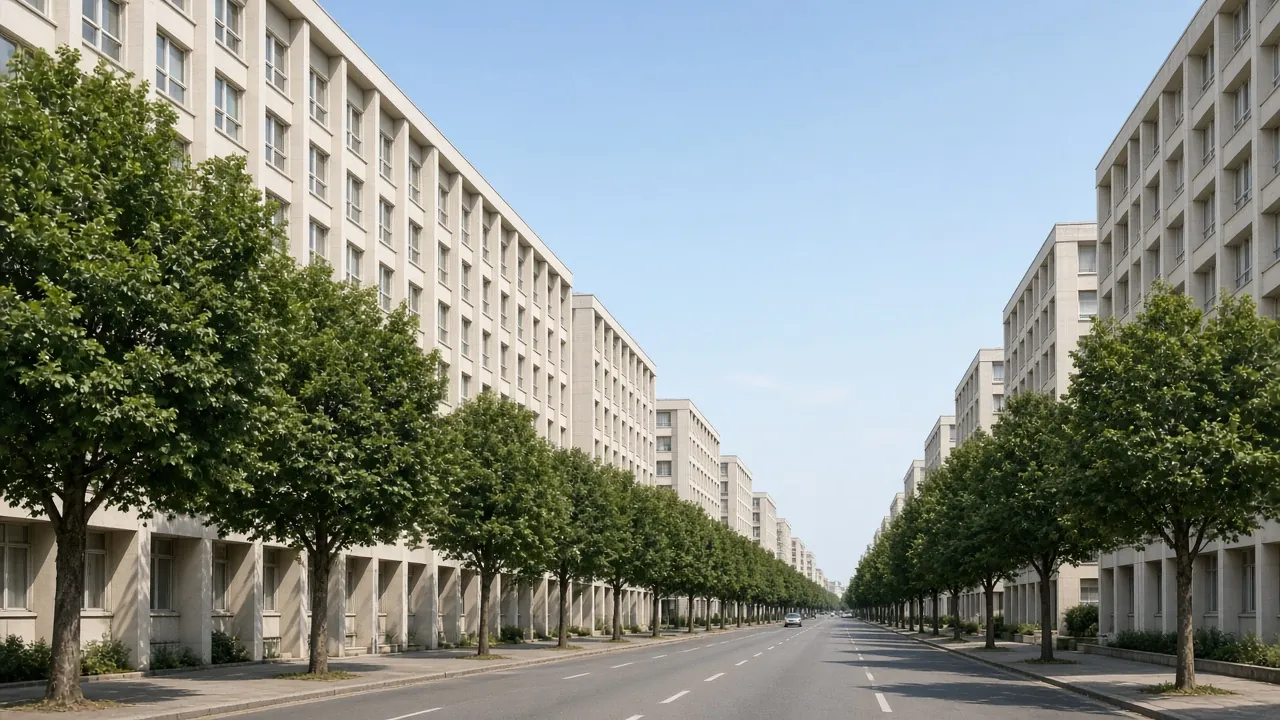
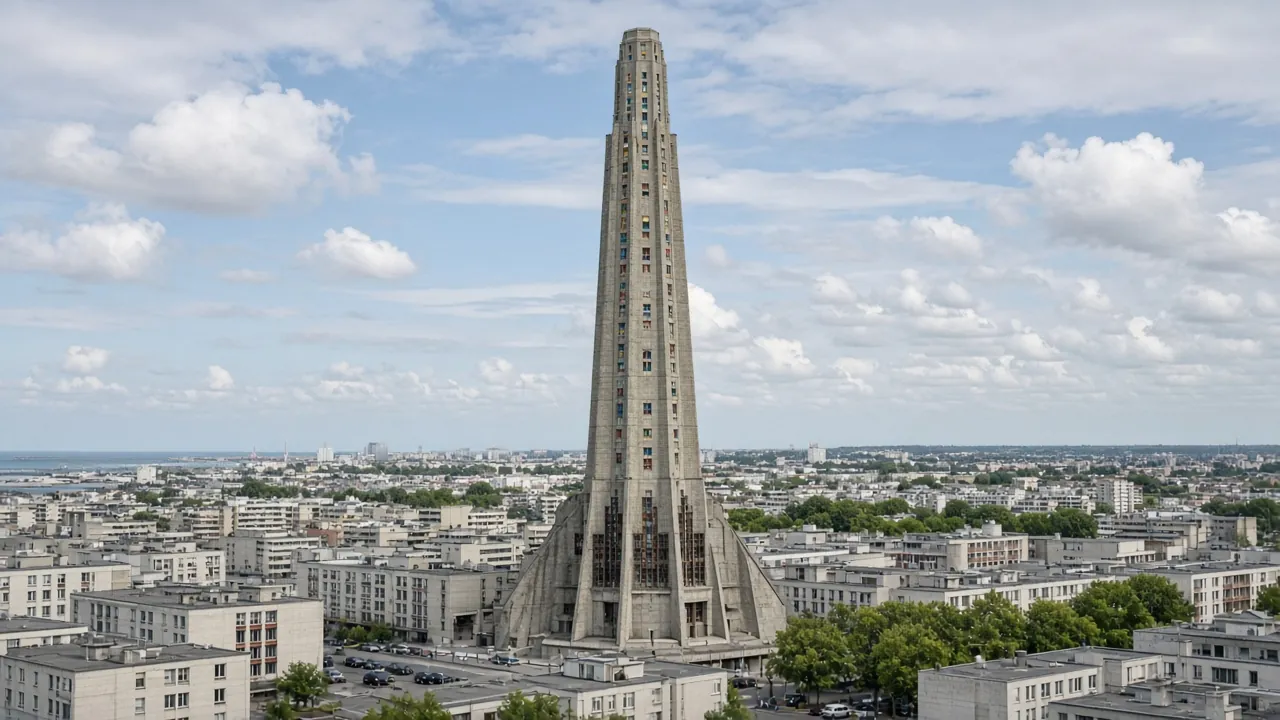
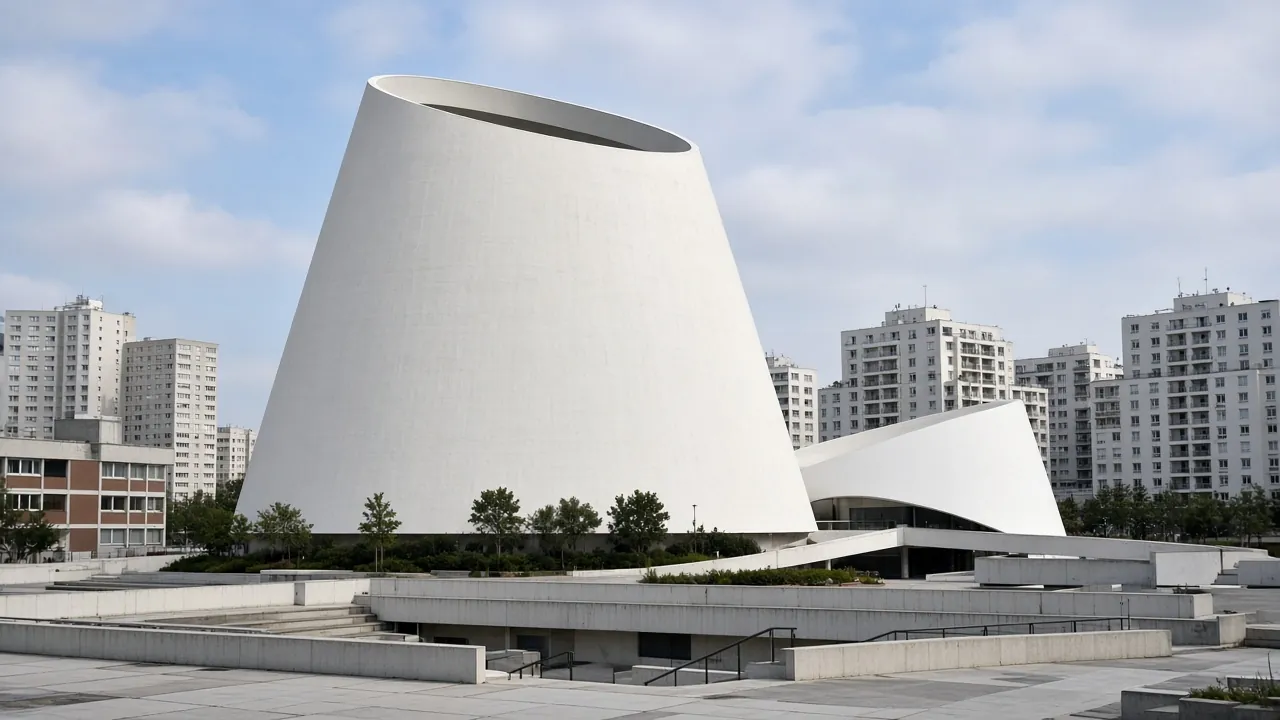
The civic heart of Le Havre is not a medieval old town. It is the city Auguste Perret rebuilt after 1944, in pale concrete, wide streets and a clear, almost severe light, and that reconstructed centre is the UNESCO site. The first circuit is Saint-Joseph, whose concrete lantern tower is lit by thousands of pieces of coloured glass, the Hôtel de Ville and the axis that runs toward the sea, and, if you want one interior, the Musée d'art moderne André Malraux on the waterfront, with a serious Impressionist collection. The pebble beach and the later beach huts are a short way on. You can spend a first day here without leaving the rebuilt city. That already has the measure of the place. This is a modern harbour city, not a substitute for Honfleur's timber basin.
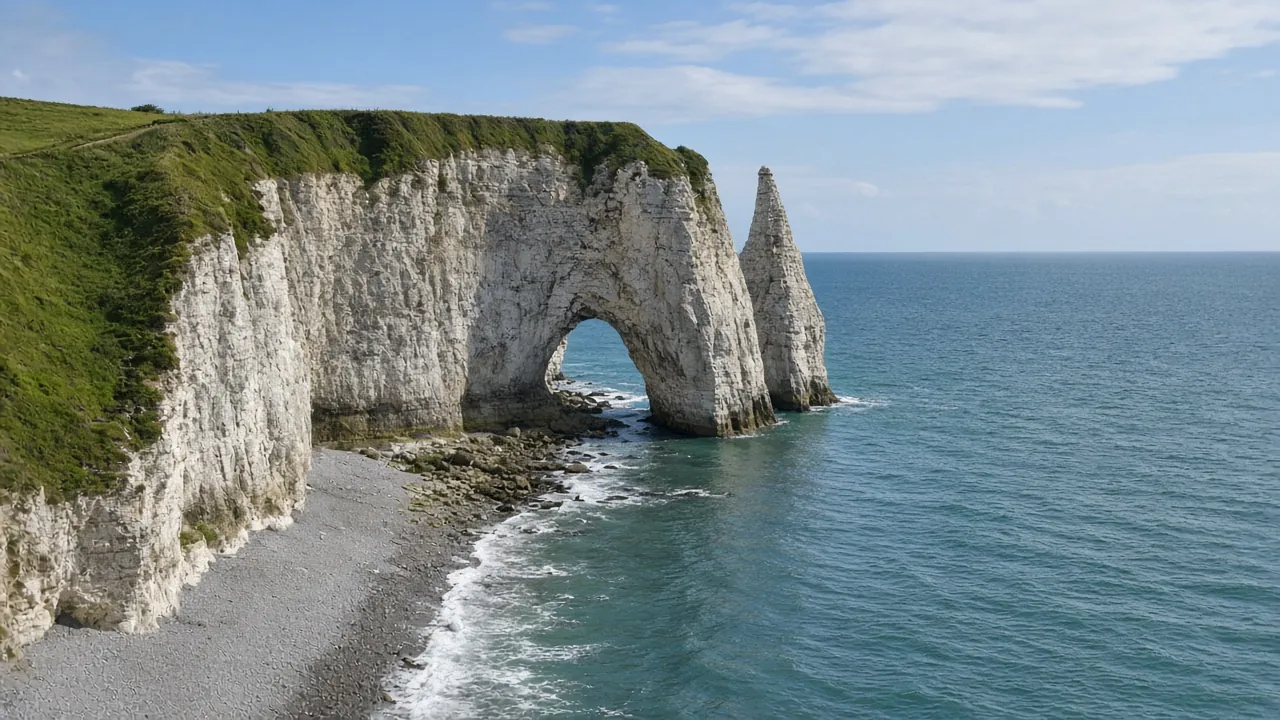
Honfleur, across the Pont de Normandie, is a outing you set time aside for of its own and has a separate harbour page; it will take a good part of the clock if you go, and the transfer must be built both ways. Étretat and the chalk cliffs of the Alabaster Coast are likewise a planned trip, not a last-hour addition after a late start in the Perret streets. The D-Day beaches lie farther still and belong to a long call. Paris is more than two hours by train each way. It can be done only if the hours and a reliable return are already arranged, and it will consume almost the whole port day; it is a poor last-minute idea from the gangway.
The food is Norman and civic: seafood, later rooms near the beach and the centre, a café culture in a city of wide pavements. Eat in town. The light and the wind on this Channel front can change quickly; take a layer, even on a bright day.
Ships berth at the cruise terminal on the Pointe de Floride, on the order of two to two and a half kilometres from the Hôtel de Ville. A shuttle or a taxi is the comfortable way in; a walk is possible on flat ground, but it crosses a working port district that is not the visit. The last shuttle is worth leaving time for, and it is unwise to stay for one more avenue after the agreed time. A first day in the rebuilt centre, with or without the museum or the beach, is a complete visit to this Channel city. A first day that tries to collect Paris, Honfleur and Étretat will be spent in transit. Come back earlier than you think you need. The concrete tower and the Channel light, seen slowly, are the image you will take away.
Port landmarks
Shore Excursions
- D-Day Landing Beaches Shore Excursion with Packed Lunch from Le Havre – 10 h
- Breathtaking Honfleur and Deauville Shore Excursion from Le Havre – 6 h
- Customized Private D-day Normandy Landing Tour from Le Havre – 10 h
- Paris On Your Own: Round Trip Transfer From Le Havre Cruise Port – 10 h
- Private: D-Day and the Beaches of Normandy from Bayeux – 8 h
- Normandy D-Day Beaches Private Shore Excursion from Le Havre – 10 h
- Mont Saint Michel Shore Excursion from Le Havre Port with Lunch – 10 h
- From Cherbourg: Private D-Day Beaches Shore Excursion – 8 h
- Private Guide and Driver in Paris / Shared Bus Transfer From Le Havre Port – 10 h
- From Honfleur: Private Normandy D-Day Beaches Shore Excursion – 9 h
- Private Guided Paris Shore Excursion From Le Havre Port – 10 h
- Icons of Paris Tour from Le Havre – 10 h
- Private: D-Day and the Beaches of Normandy from Caen – 8 h