Kyoto, Japan
Ports
Home • Ports • Asia • Japan • Kyoto
About Kyoto
Kyoto is not a seaport. It is an inland capital of temples, lanes and a later civic grid, reached overland from the harbour cities of Kobe or Osaka, typically well under an hour by train once you are in the rail system, after the transfer from the actual pier. Cruise passengers do not walk off a gangway into a temple precinct. A first day in Kyoto — one axis, one precinct, a lunch in the close streets. The last return is to the ship at Kobe or at Osaka, not to a harbour in the basin.
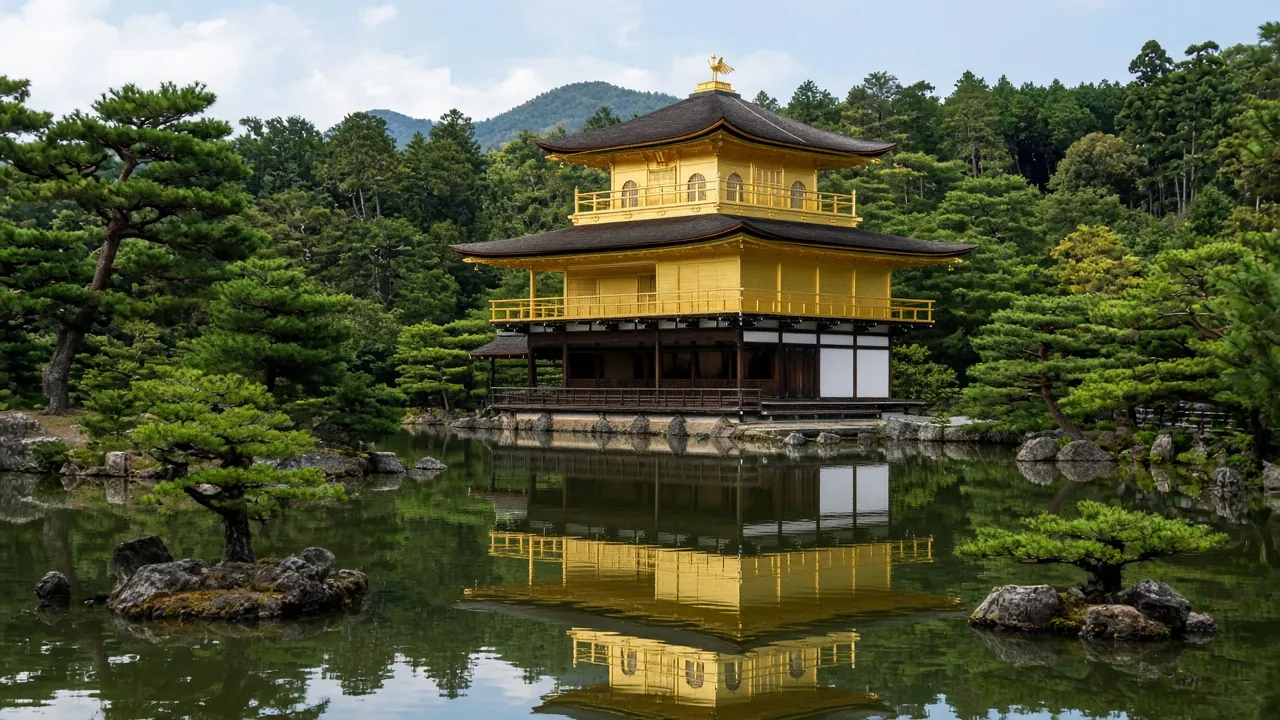
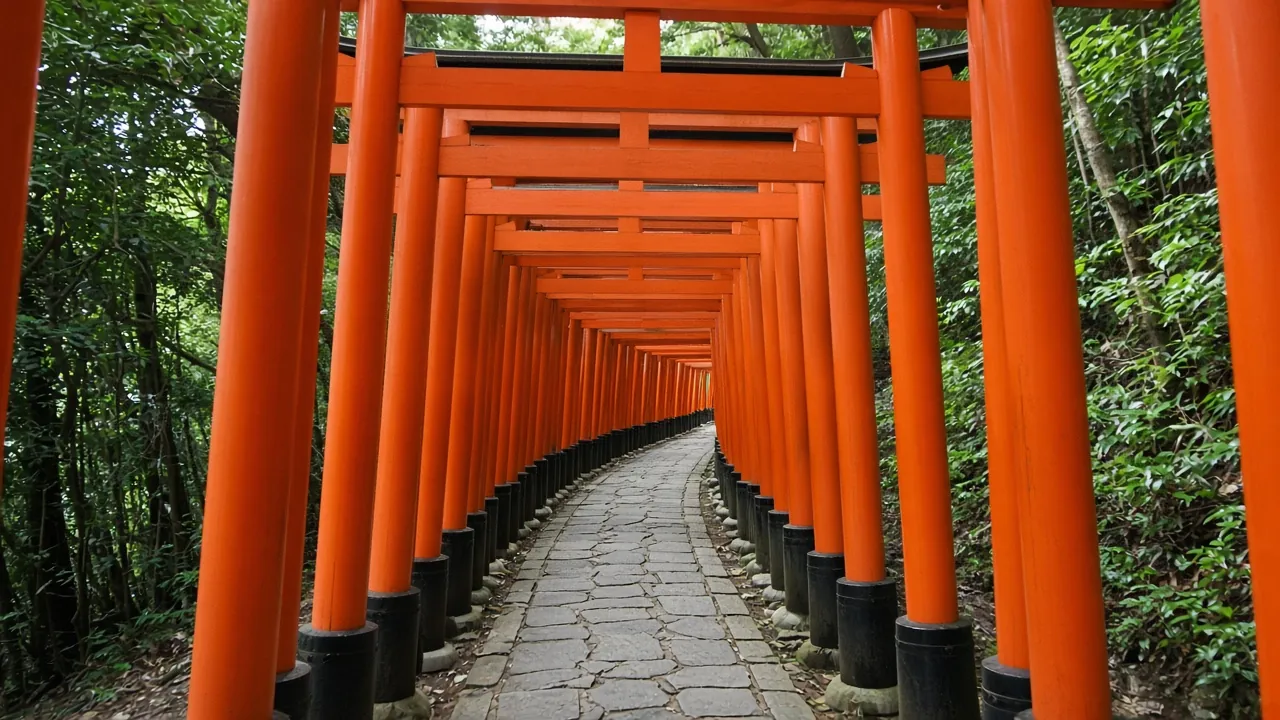
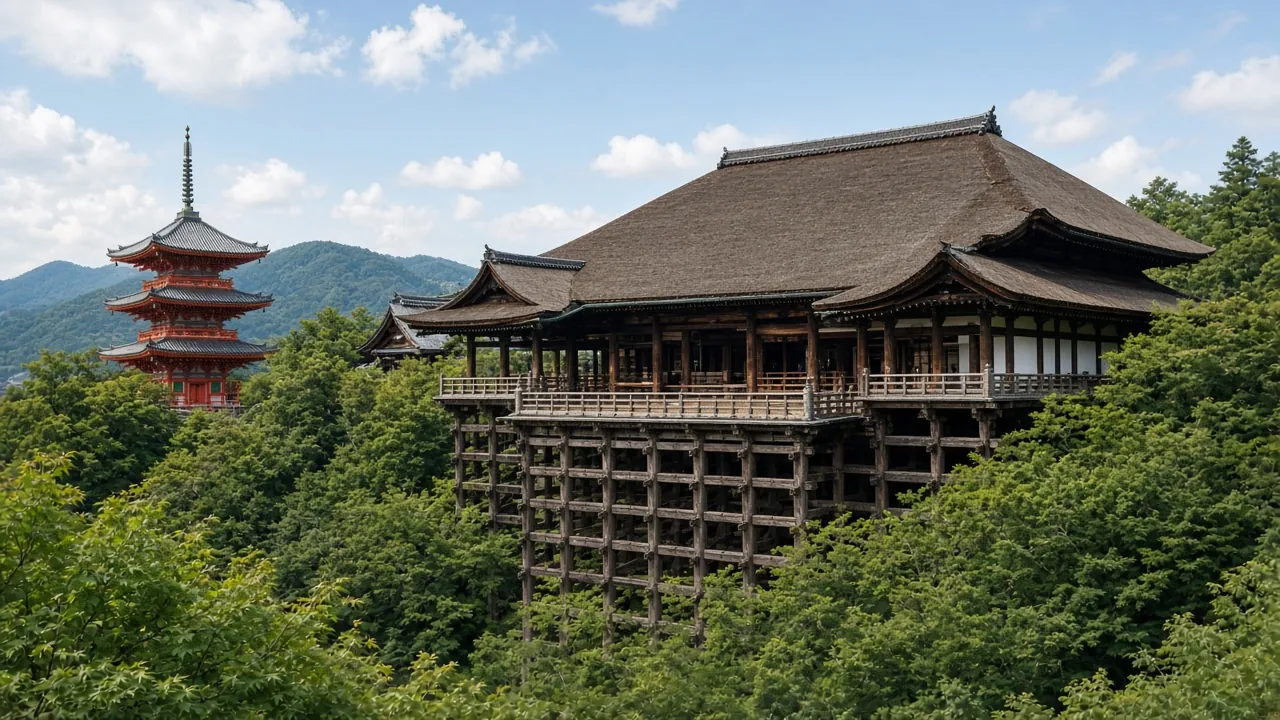
If you are already in Kyoto, or if your itinerary has been built around an overland stay from a Kansai berth, the civic heart is an inland capital of temples, lanes and a later street plan: a basin city whose first visit is one precinct walked slowly, not a checklist of every famous gate. You can spend a first day here — one axis in the east or the west, one interior, a lunch in the close streets. The scale is large. You do not need to race across the whole basin to make the day feel like Kyoto.
This page is not a seaport, and it has no deep commercial port. Ocean-cruise passengers do not walk off a gangway here; they reach Kyoto overland, usually from Kobe or from Osaka, typically well under an hour by train once they are in the station, after the transfer from the actual pier. How you travel inland is worth knowing in advance, and the last return to the ship belongs in the same plan. There is no regular ocean-ship call in the basin, and a temple path is not a tender landing. Kobe and Osaka have their own harbour pages; Tokyo and Yokohama are different cities and different journeys.
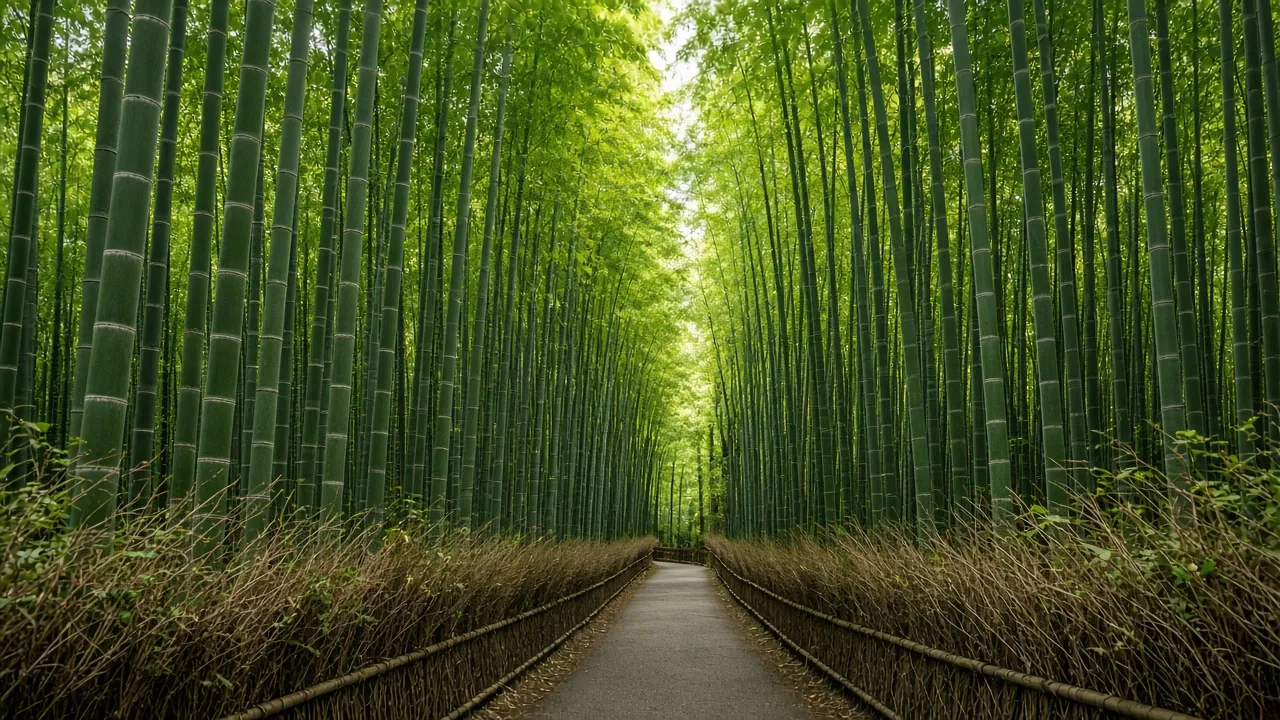
A second temple axis, Arashiyama, and a farther precinct belong to a longer day, or to hours already counted against the return to the harbour. They are worth doing if the last train and the last transfer to the ship are already arranged; they are a poor last-minute addition after a late start in a taxi from the pier.
The food is civic and of this basin: later rooms in the close streets, a serious lunch culture, a kitchen that rewards staying in one neighbourhood. Eat where your hours actually are. Wear shoes that can manage gravel and temple paths. Dress with respect in precincts and interiors.
The honest use of this page is a planned overland stop, not a port day from a ship in the city. If you have come by train, the last departure for the harbour city is the fact that closes the day, not another gate. A first day on one axis, seen slowly, is a complete visit. A first day that tries to collect every temple, a second hill and every market will be spent in transit. Come back earlier than you think you need. The lanes and one precinct, seen slowly, are the image you will take away. If the hours are short, stay with a single axis and leave the farther west for a day that can spare the road. Put the last return to the ship in the plan before you enter the first precinct.
Port landmarks
Shore Excursions
- Private Osaka Walking Tour – 4 h
- Shared Tour Explore Kobe City Highlights From The Cruise Port – 7 h
- Photo Shoot with a Private Vacation Photographer in Kyoto Japan – 2 h
- Private Photoshoot in Osaka with a Professional Photographer – 1 h
- Private Tour: Osaka's Best And Brightest - 7.5 Hours – 7 h 30 min
- Osaka LGBTQ Night – 3 h
- Private Excursion: Arashiyama, Fushimi Inari & More – 8 h
- Kyoto: Night Streets And Eats – 3 h
- Kyoto Private Tour: Highlights & Hidden Gems – 8 h
- Small Group Shore Excursions Explore Osaka City's Highlights – 7 h
- Private Tour Explore Kobe City Highlights From The Cruise Port – 8 h
- Private Tour To Osaka City Highlights From The Cruise Port – 8 h
- Private Excursion: Kobe Sights With Hot Springs Visit From Osaka – 8 h
- Private Tour: Japanese Tea And Beyond In Uji – 4 h
- Private Sakai Knife Workshop & Dotonbori: from Cruise Terminal – 8 h