Jeju, South Korea
Ports
Home • Ports • Asia • South Korea • Jeju
About Jeju
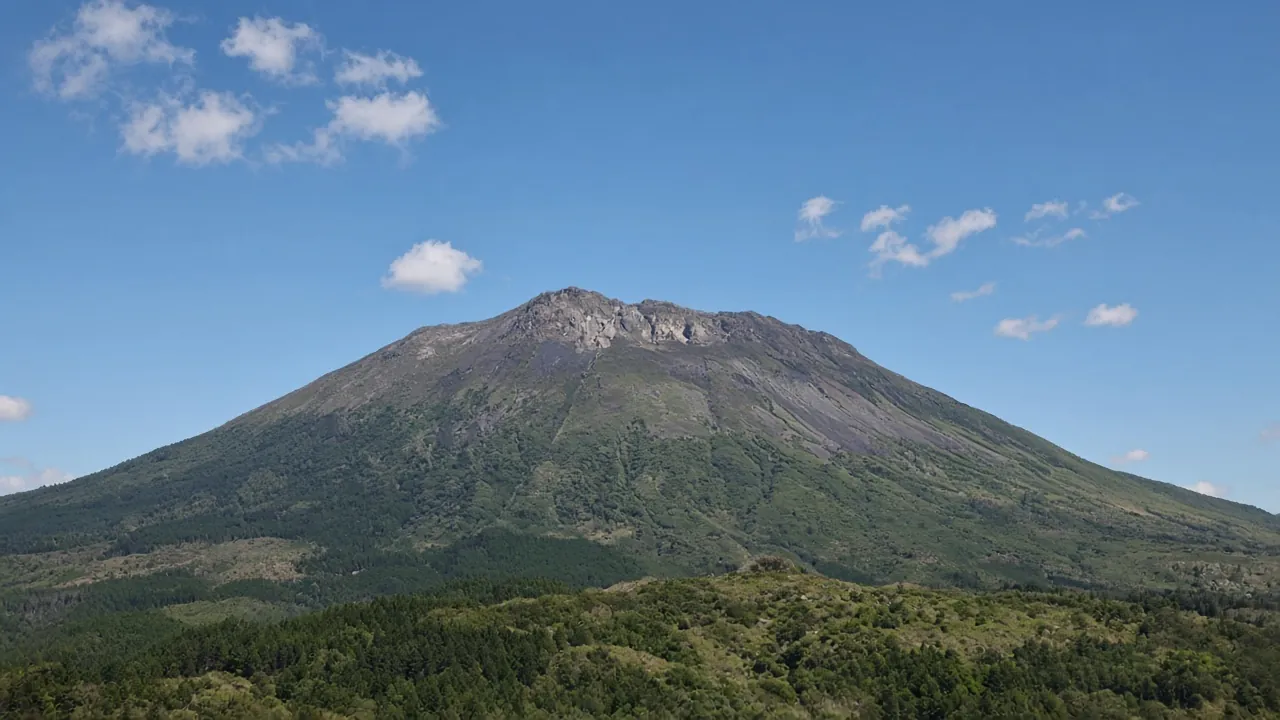
Jeju City sits on the north shore of Jeju Island, a volcanic island south of the Korean peninsula, with a harbour, an old downtown and the island's highest peak, Hallasan, rising inland. This page is the northern port, close to the city; many large ships instead use the Gangjeong cruise terminal on the south coast, near Seogwipo, about an hour away by road, and that landing makes for a different day. From this northern harbour the old streets and Dongmun Market are a short shuttle or taxi ride, about two kilometres from the passenger terminal. Seongsan Ilchulbong, the sunrise peak on the east coast, is a longer island drive. The harbour on the ship's papers is worth confirming, and the return needs time.
Jeju City sits on the north shore of Jeju Island, a volcanic island south of the Korean peninsula, with a harbour, an old downtown and the island's highest peak, Hallasan, rising inland. The island has two cruise landings, and they are far enough apart to change the day. This page is the northern port, close to Jeju City. Many large ships instead use the Gangjeong cruise terminal on the south coast, near Seogwipo, about an hour away by road. The harbour on the ship's papers is worth confirming before you book a driver or plan a walk, because a morning that is easy from this northern terminal is a long crossing from Gangjeong, and the other way around.
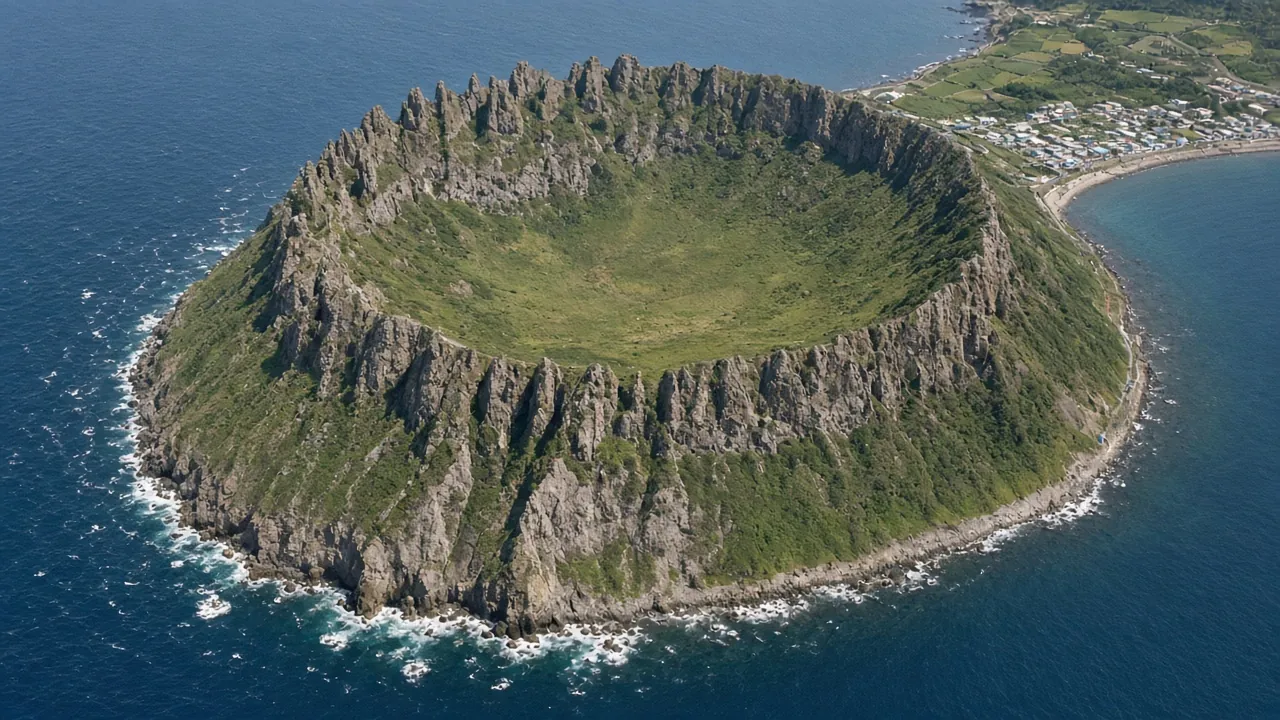
From this northern harbour the old streets and Dongmun Market are a short shuttle or taxi ride, about two kilometres from the passenger terminal, and they make a good first civic hour: a working market, a tight downtown, and the ordinary life of the island's main town. Yongduam, the dragon-head rock on the western shore of the city, is a nearer coastal stop. Seongsan Ilchulbong, the sunrise peak on the east coast, is a longer island drive and will take a serious slice of the day if you go. Hallasan itself is a mountain day, not a harbour-hour addition.
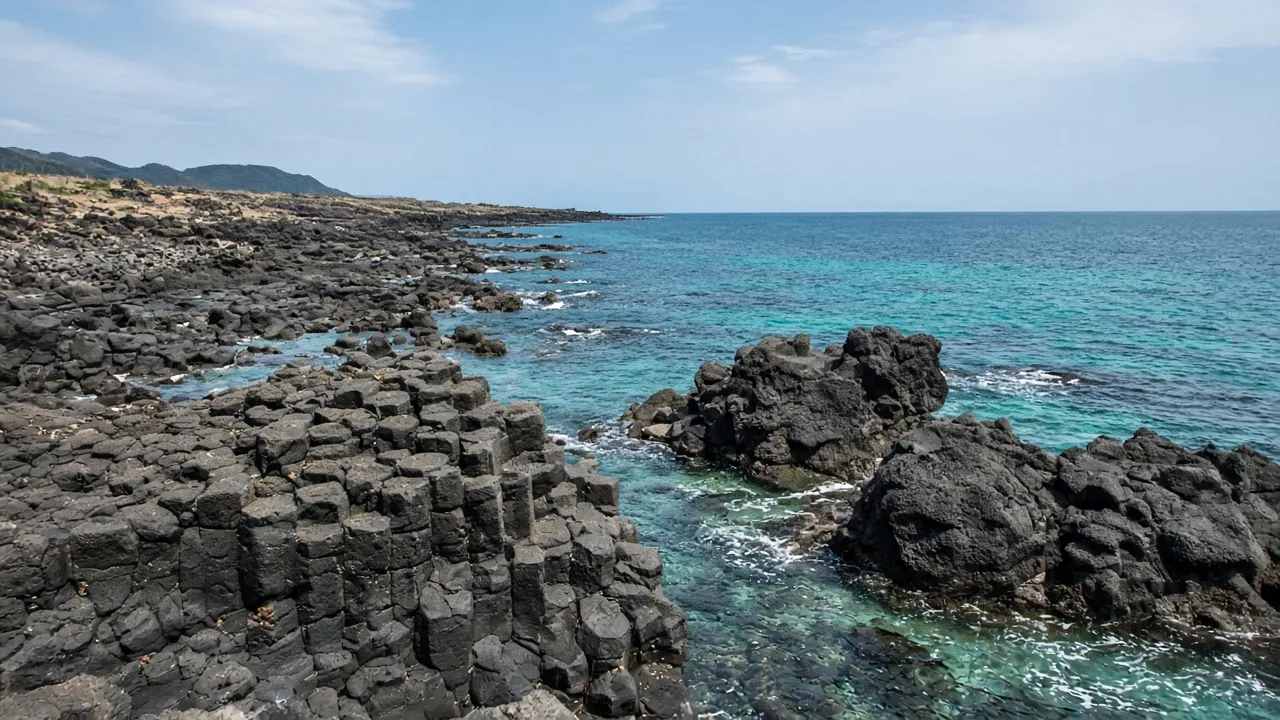
If you have in fact landed at Gangjeong, the close places are Seogwipo, the waterfalls and the south-coast cliffs, and the northern market is the one that becomes the long road. Either landing can be a fine day; they are not the same day. Immigration is part of the morning at both terminals, and the last return through the correct gate belongs in the same plan.
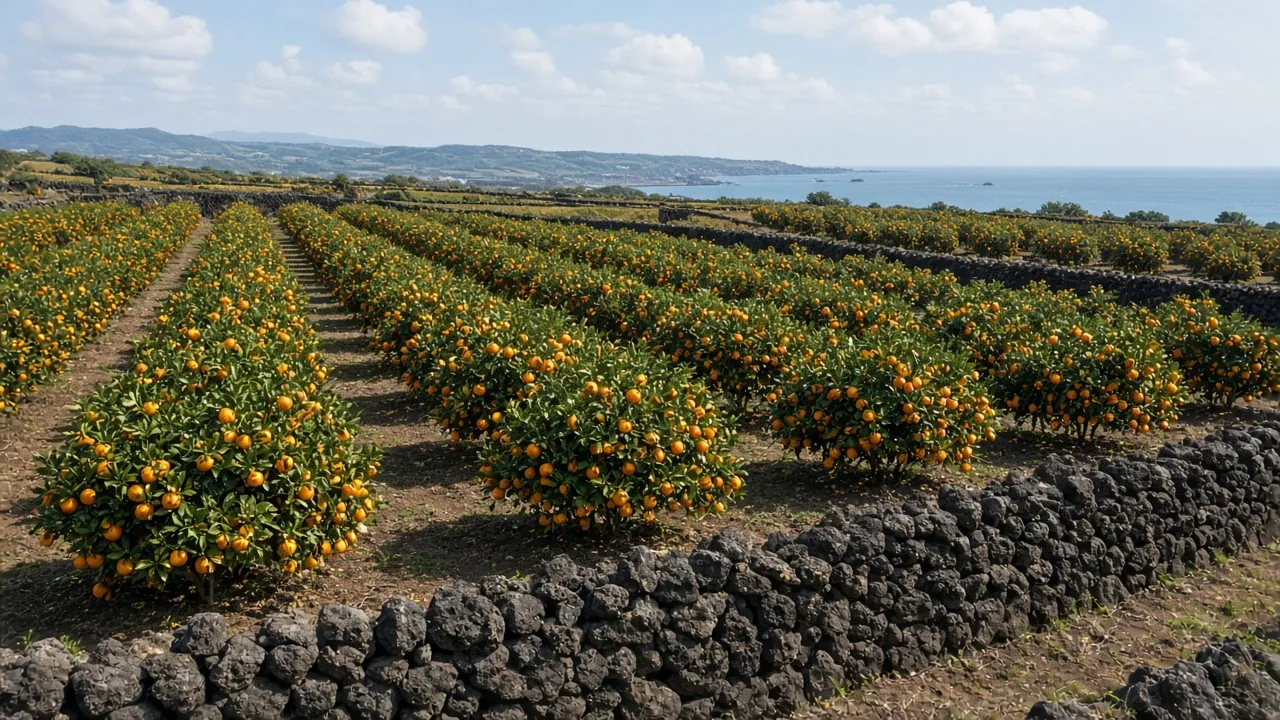
The climate is milder than the mainland, with wind, sudden rain and a strong sun. Food is Jeju's own as well as Korean: seafood, the island's pork, tangerines in season, and a café culture that has grown quickly. Korean is the language of the island; English is used in the terminals and more thinly in the markets. Leave a margin for the road, which looks short on a map of a small island and is slower in practice, and let one side of Jeju be enough for the call.
Dongmun Market is a good place to eat as well as to look, and a bowl of something local there is a better first hour than a long empty transfer across the island. Hallasan's lower trails exist, but even those ask more time and weather luck than a tight harbour clock usually allows. If you have landed in the north, enjoy the north; if you have landed at Gangjeong, enjoy the south. The island is itself in both places, and it does not need to be crossed twice in an afternoon. Leave a margin for the terminal you actually used.
Port landmarks