Invergordon, Scotland
Ports
Home • Ports • Europe • Scotland • Invergordon
See all 13 tours in Invergordon
About Invergordon
Invergordon is a small town on the Cromarty Firth, a deep, sheltered inlet on the northeast coast of Scotland, and the usual landing for large ocean ships bound for the northern Highlands. Some berths are a short walk from the high street; others, including Saltburn Pier, may need a shuttle into town. Inverness is about half an hour to forty minutes by road, and Loch Ness a little farther, so both are comfortable half-day outings rather than a step off the quay. The town itself is modest: a high street, a mural trail, a working firth. Larger liners use this harbour, not the smaller quays at Inverness, which has its own page.
Invergordon is a small town on the Cromarty Firth, a deep, sheltered inlet on the northeast coast of Scotland, and the usual landing for large ocean ships bound for the northern Highlands. The town itself is modest: a high street, a well-known mural trail, a working firth, and a scale that can be read in an hour if you stay. That is not a slight. It is a practical, friendly harbour town, and the great landscapes sit a short way beyond it.
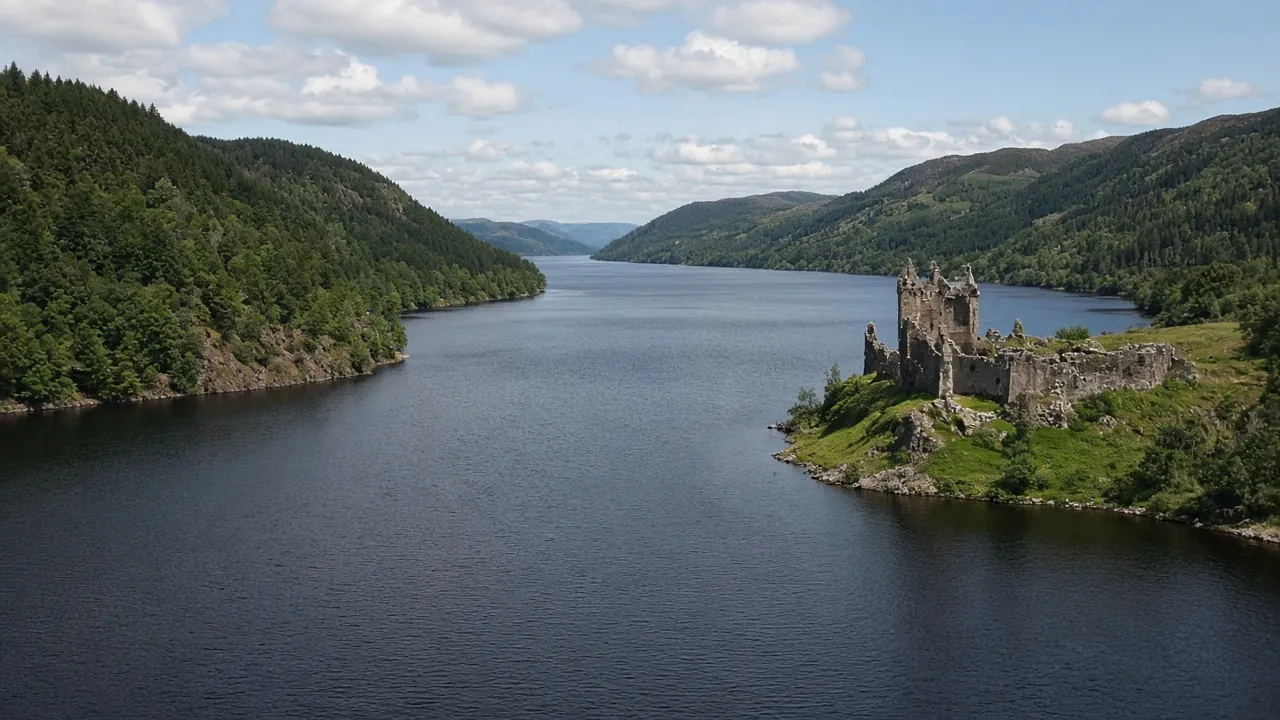
Some berths are a short walk from the high street; others, including Saltburn Pier, may need a shuttle into town. The landing in use is worth knowing, and the last shuttle or taxi back belongs in the same plan. Inverness, the Highland capital, is about half an hour to forty minutes by road, and Loch Ness a little farther, so both are comfortable half-day outings rather than a step off the quay. Dunrobin Castle, the distilleries of the east coast, and the hill country behind the firth are the other classic circuits, and one of them is plenty.
Large liners use this harbour, not the smaller quays at Inverness, which has its own page and a more limited depth. If your ship is here, plan from Invergordon; if you want the river city as your first hour, check that you have actually landed on the Ness, which most big ships have not. The two places share a region and not a waterfront.
The climate is east-coast Highland: it can be clear and wide, and it can be cold even in summer, with a wind off the firth. Food in the town is straightforward; Inverness has a wider choice if you go that way. English is the language of the streets. Coaches fill the port on busy mornings, and the road west can be slow when several ships are in.
A day that goes cleanly to Loch Ness or to Inverness and back, or that stays with the town and one nearby castle, already has this firth in hand. Leave a margin for the return to the berth you actually used, and treat the high street, if you have time at the end, as a proper last hour rather than a corridor to a coach. The ship remains on the Cromarty Firth, and the firth is the reason the big ships can come here at all.
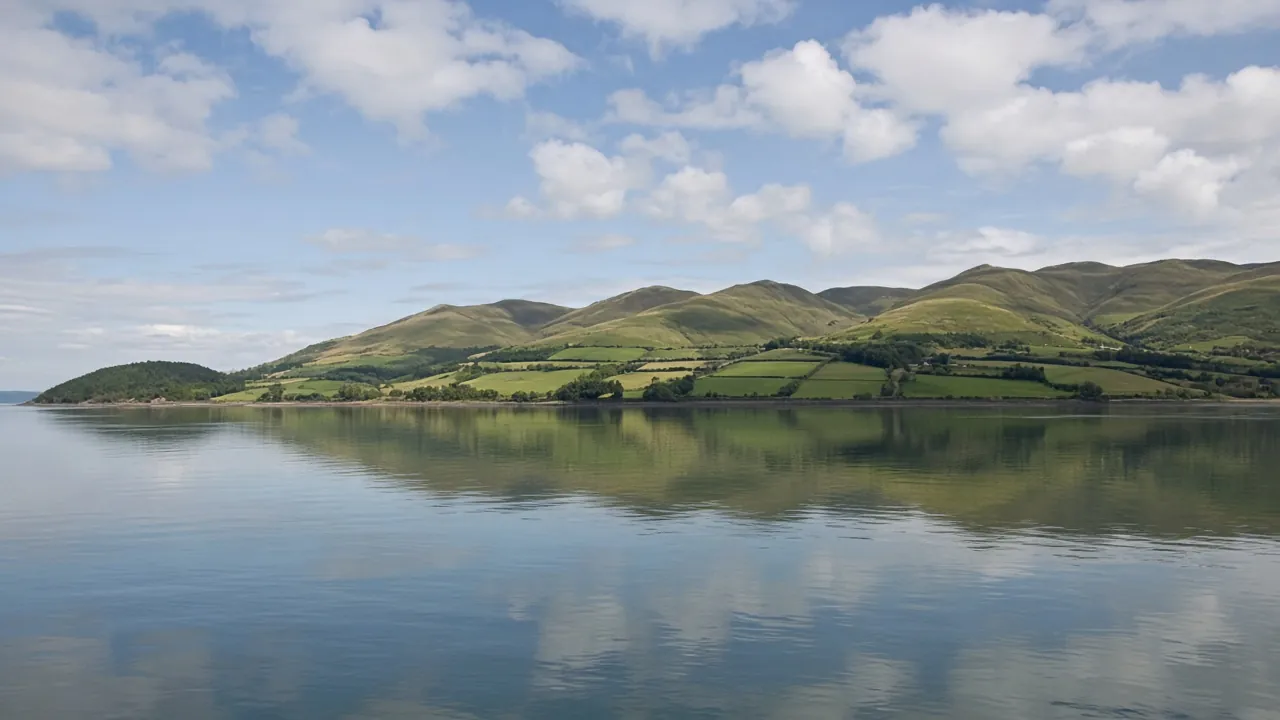
The firth itself is the deep fact of the place: a sheltered water that can take the largest liners, with farmland and low hills around it rather than a city skyline. That contrast is the character of the call. If you stay in town, the murals and the high street will give you a local hour; if you go out, go out on a clock you have already written down. The berth, whichever one it is, remains the last appointment of the day.
Port landmarks
Shore Excursions
- Invergordon Shore Excursion - Loch Ness, Urquhart Castle and Inverness – 6 h
- Ullapool Shore Excursion - Ardvreck Castle & Achmelvich Beach – 6 h
- Ullapool Shore Excursion - Private Highlands Tour – 7 h
- Invergordon Shore Excursion: Best of the Highlands – 6 h 30 min
- Inverness Walking Tour – 1 h 30 min
- Ullapool Shore Excursion-Corrieshalloch Gorge – 8 h
- Inverness Food & Drink Tour – 3 h
- Private Invergordon Shore Excursion: Whisky, Castle & Golf Tour – 8 h
- Invergordon Shore Excursion to Historic Dunrobin Castle & Gardens – 7 h
- City Sightseeing Hop On Hop Off Bus Tour Inverness – Flexible · valid 24 h
- Shore Excursion: Inverness, Cawdor Castle and Highland Whisky – 8 h
- Invergordon Shore Excursion - Culloden, Cawdor, & Clava – 7 h
- Invergordon 2026 Highland Highlights, Including Beauly – 7 h