Huelva, Spain
Ports
Home • Ports • Europe • Spain • Huelva
About Huelva
Huelva stands at the meeting of the Odiel and the Tinto, an Andalusian river port rather than a pretty Mediterranean harbour. Cruise ships use the commercial docks, a working landing rather than a stroll into a historic core; a taxi or arranged ride reaches the town and, nearby, the Columbus sites at La Rábida and Palos de la Frontera. This page is Huelva, not Seville, whose river pier at Las Delicias is a different landing and a different day. The estuary light is wide and often hazy, and the food is of the coast and the marshes. Build in time for the return through the port gates.
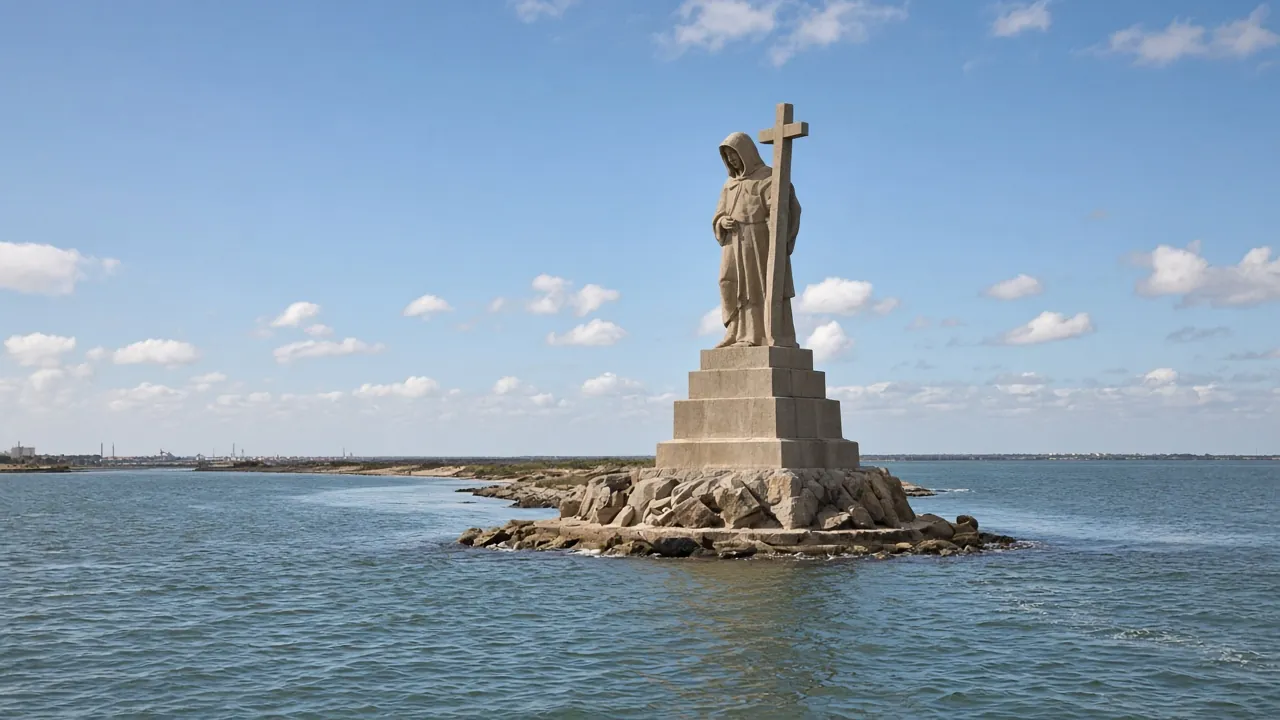
Huelva stands where the Odiel and the Tinto meet the Atlantic, a river-port city in western Andalusia rather than a compact Mediterranean harbour town. It grew with the export of ore from the hinterland, and the long Muelle del Tinto, the old ore pier stretching into the estuary, is still one of the first things you see from the water. The centre is a later civic town of squares and a cathedral, useful and lived-in, with the marshes and the salt light of the estuary always close.
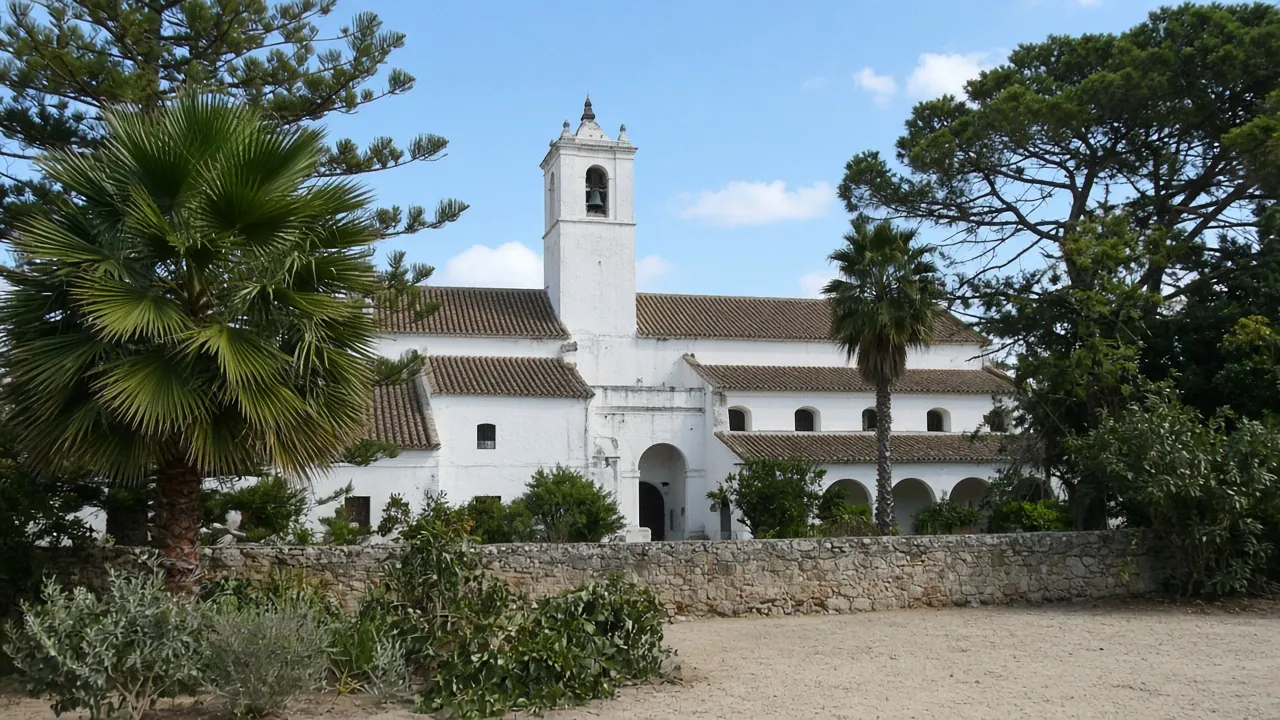
Cruise ships use the commercial docks, a working landing rather than a stroll into a historic core. A taxi or an arranged ride reaches the town, and, a short way down the estuary, the Columbus sites at the monastery of La Rábida and at Palos de la Frontera, from which the 1492 crossing is traditionally said to have departed. Those sites are the usual reason a ship is sold under this name, and they sit close enough to combine with time in Huelva itself. This page is Huelva, not Seville. The Delicias pier on the Guadalquivir is a different landing and a different day, even if some itineraries use the two names loosely.
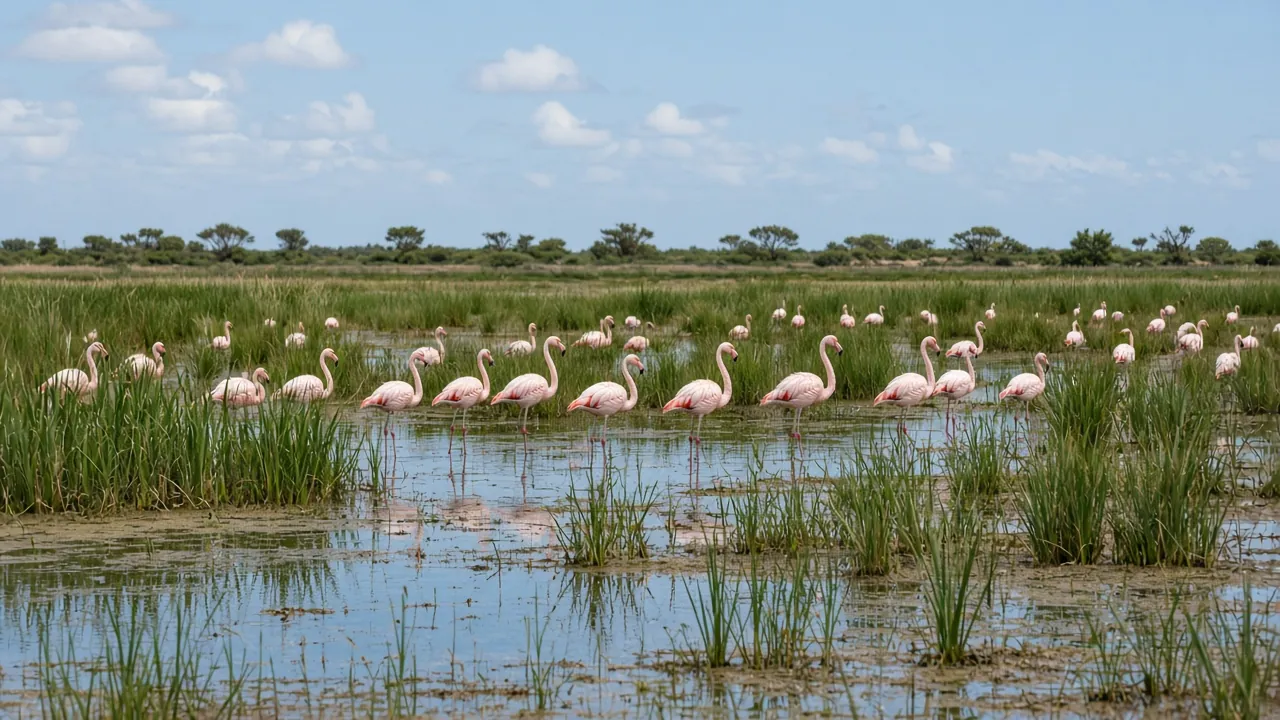
The heat can be considerable, and the estuary is wide and often hazy. A first day can stay with the town, the old pier and one of the Columbus sites without trying to reach Seville on the same clock. Doñana and the longer marsh outings will take more hours than a short call usually gives.
Food is of the coast and the marshes: white prawns, fish, and the wines of the nearby condado. Spanish is the language of the streets; English is thinner than in Seville or Cádiz, though it is used around the port on call days. The light is Atlantic, flatter than the Mediterranean, and a hat is more use than a tight timetable.
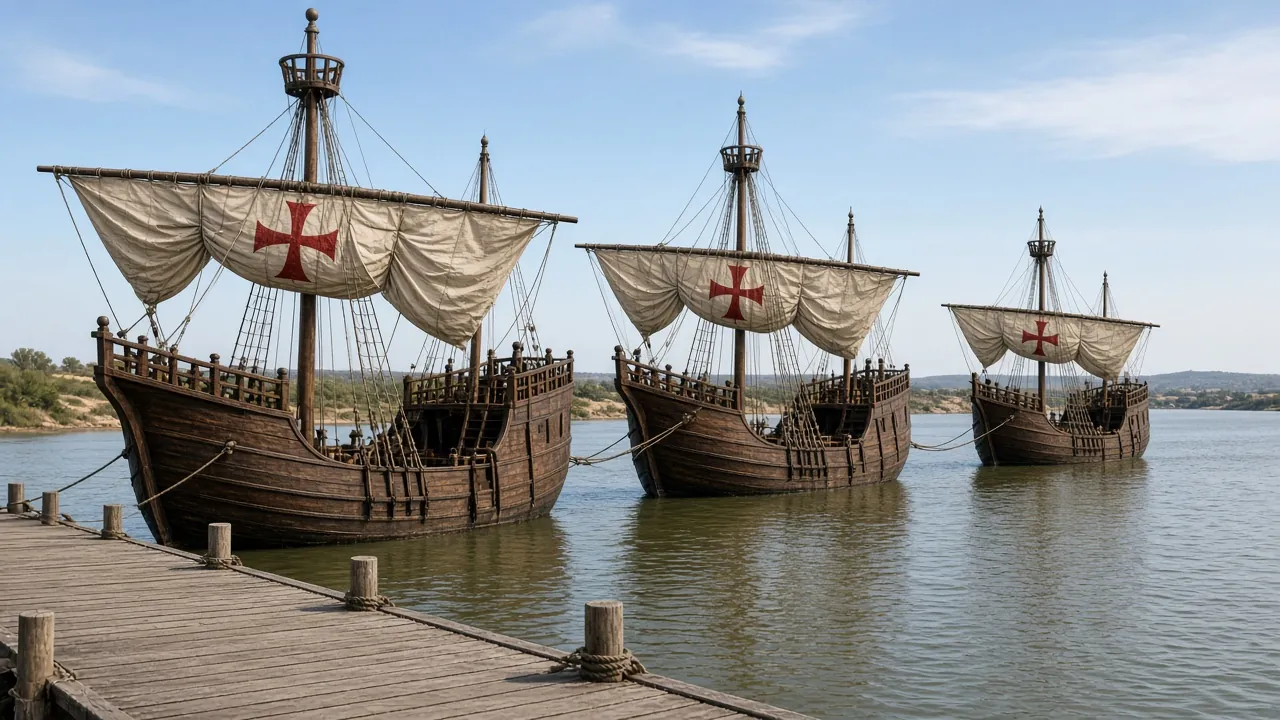
The Muelle de las Carabelas, with later replicas of the Columbus ships, sits close to La Rábida and is an easy addition to that same visit. Moguer, another town tied to the same story, is a short way inland if the hours are open, but it should not crowd out the return to the docks. Leave time for the return through the port gates. A day that holds to Huelva and La Rábida, with a clear last ride to the commercial docks, will have seen the place the ship actually reached, without spending the afternoon on the road to another Andalusian city.
Port landmarks
Shore Excursions
- Huelva Shore Excursion – 8 h