Houston, United States
Ports
Home • Ports • America • United States • Houston
About Houston
Houston is a vast inland Texas city on a ship channel, a later skyline of museums, civic parks and a downtown that is not a cruise harbour. The former Bayport cruise terminal closed in 2016, and large Gulf ships now use Galveston, a different island port about an hour from the city; confirm the actual landing on the day's papers. This page is Houston itself. A museum-district morning or a downtown walk will fill the hours you have if you are here, and the last return is to the ship you actually boarded, often in Galveston, not to a downtown pin. Leave a clear margin for the ride back.
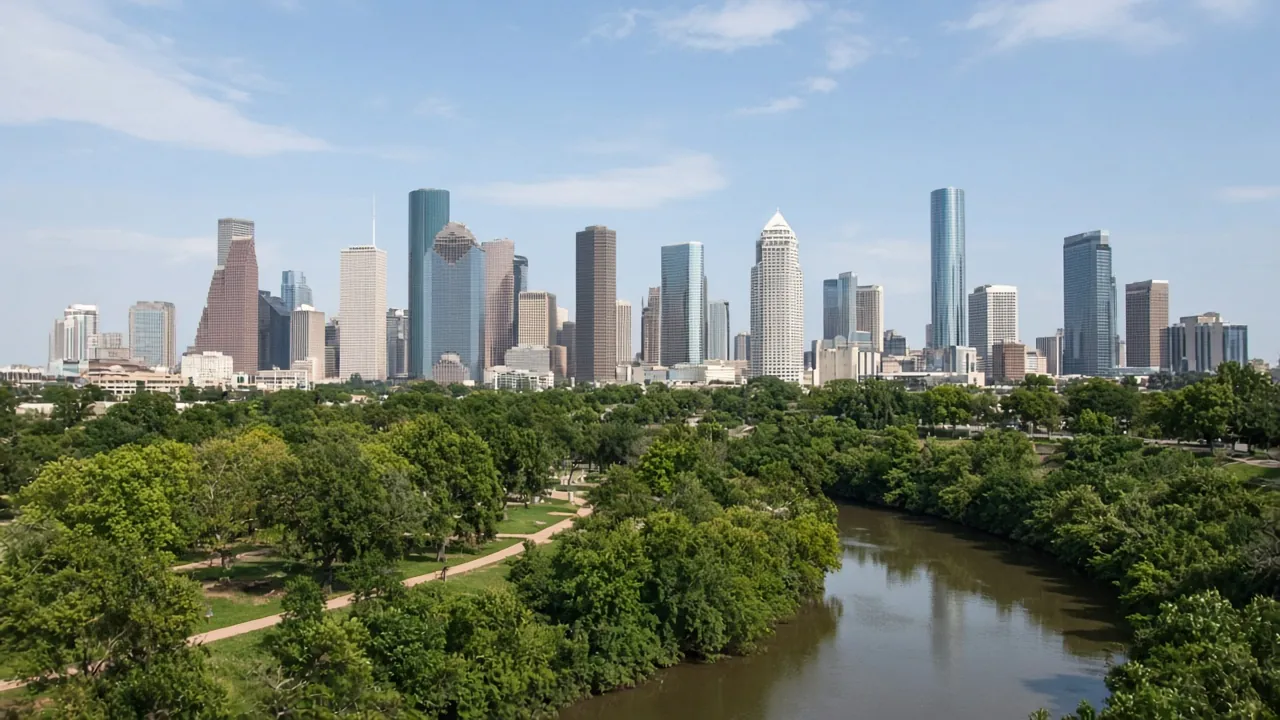
Houston is a vast inland Texas city on a ship channel, a later skyline of museums, civic parks and a downtown that is not a cruise harbour. The city is one of the largest in the United States, spread across a flat coastal plain, and it is organised around cars, freeways and a cluster of districts that sit some distance from one another. The Museum District, Buffalo Bayou and the downtown are the usual marks of a first visit if you actually have hours in the city.
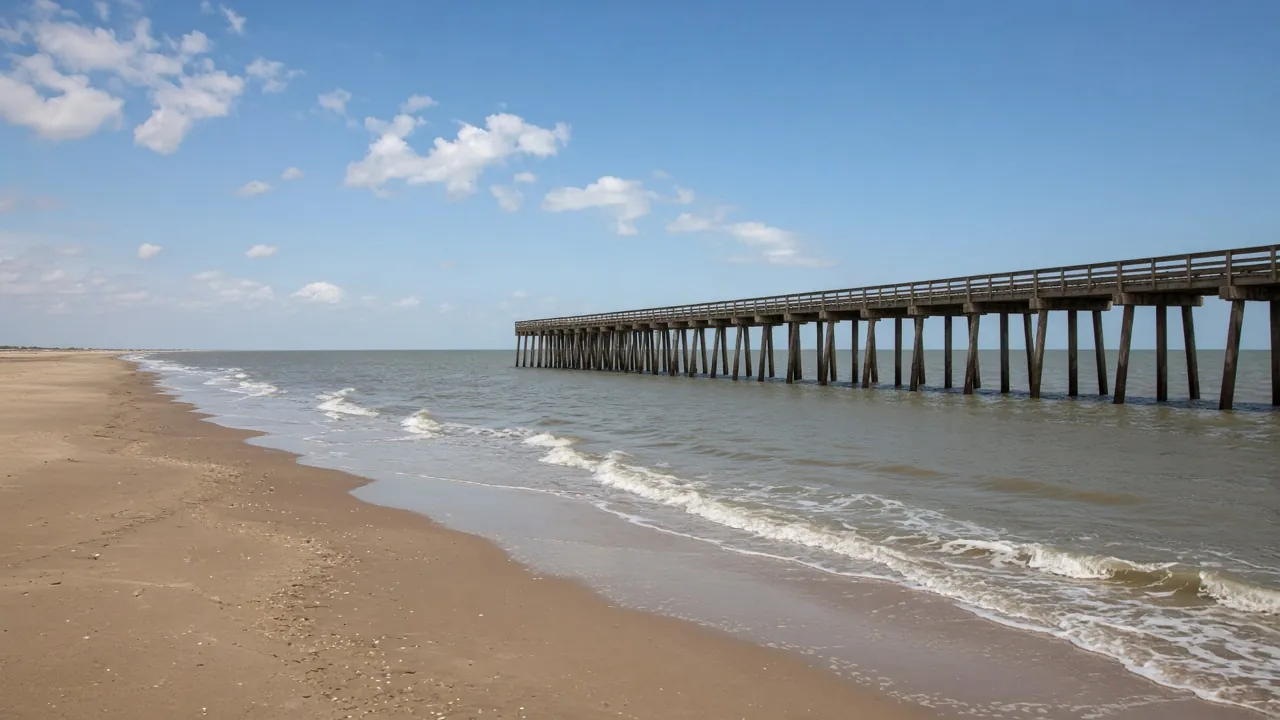
The former Bayport cruise terminal, built in the hope of making Houston a regular Gulf embarkation port, closed in 2016 and was later turned over to cargo. Large cruise ships on this coast now use Galveston, a different island port about an hour from downtown Houston, sometimes longer in traffic. Confirm the actual landing on the day's papers. This page is Houston itself. If your ship is in Galveston, a day in Houston is a transfer, and the last return is to the island, not to a downtown pin.
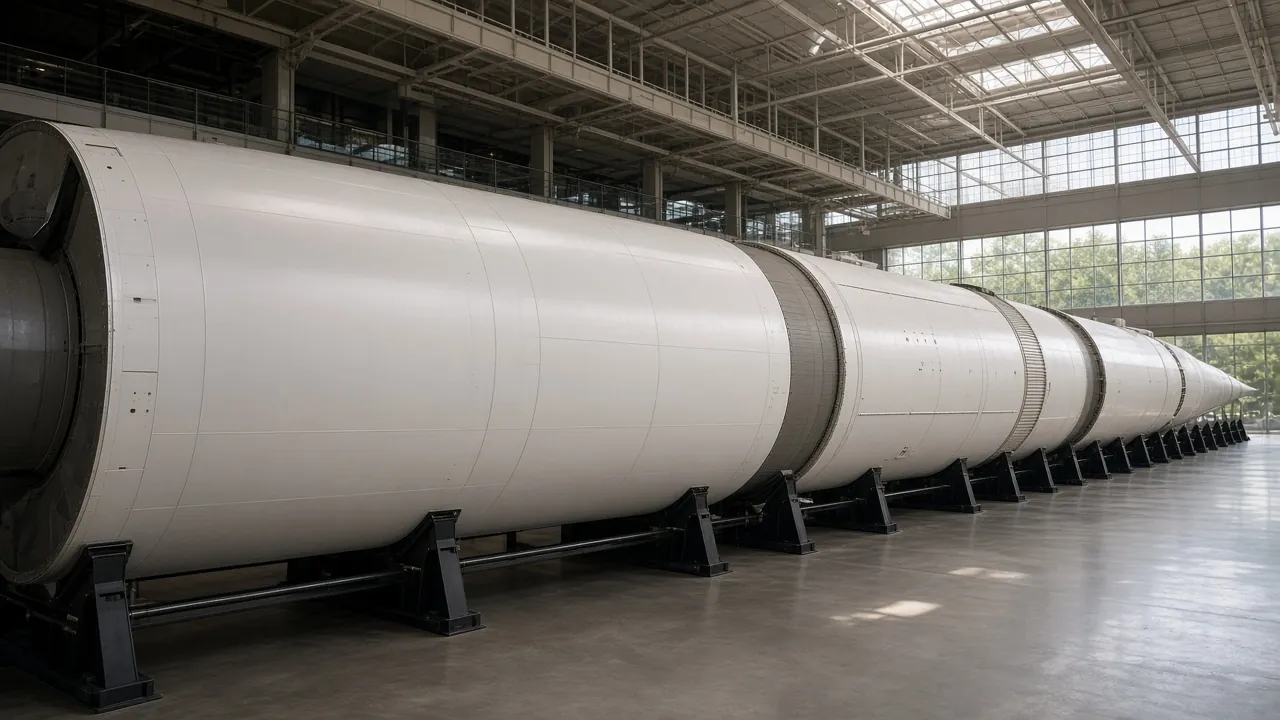
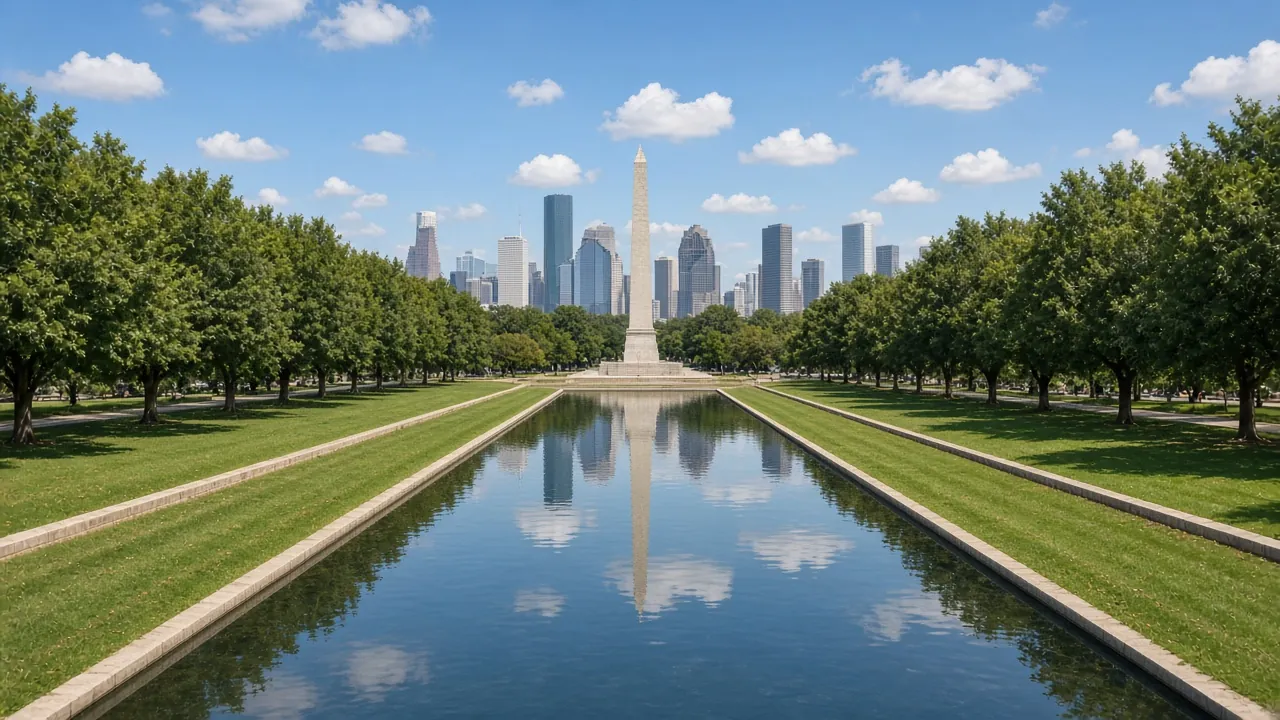
The Museum District is one of the stronger reasons to come into the city: a compact cluster of institutions around Hermann Park, including collections of fine art and a natural history museum, with the Menil Collection and the Rothko Chapel a short ride away in Montrose. Downtown has the bayou trails and a civic centre that is easier than the freeway map suggests once you are on the ground. Space Center Houston, the visitor centre for the Johnson Space Center, sits in the Clear Lake area, closer to the bay and to Galveston than to the downtown museums; it can make sense as a stop on a Galveston-to-city day, and it will use a large part of the hours if you choose it.
Traffic is a real fact of the day. A plan that tries to do the museums, the Space Center and a downtown walk usually fails the clock. Leave a clear margin for the ride back to the ship you actually boarded, often in Galveston.
The climate is humid, and summer heat makes outdoor walking between districts a poor plan; move by car and then walk inside a district. Food is one of the city's strengths — Tex-Mex, barbecue, and the later restaurant streets of Montrose and the museum area — and a meal can be the pause that makes a short city visit feel considered. Hermann Park has shade, a small lake and room to sit between museums. The theatre district downtown is a civic cluster rather than a port-day target, useful only if you already have a reason to be there.
Port landmarks
Shore Excursions
- Austin and Houston Self-Guided Driving Audio Tour Bundle – Flexible · valid 24 h
- The Best of Houston Self-Guided Driving Audio Tour – 3 h