Hobart, Australia
Ports
Home • Ports • Asia • Australia • Hobart
About Hobart
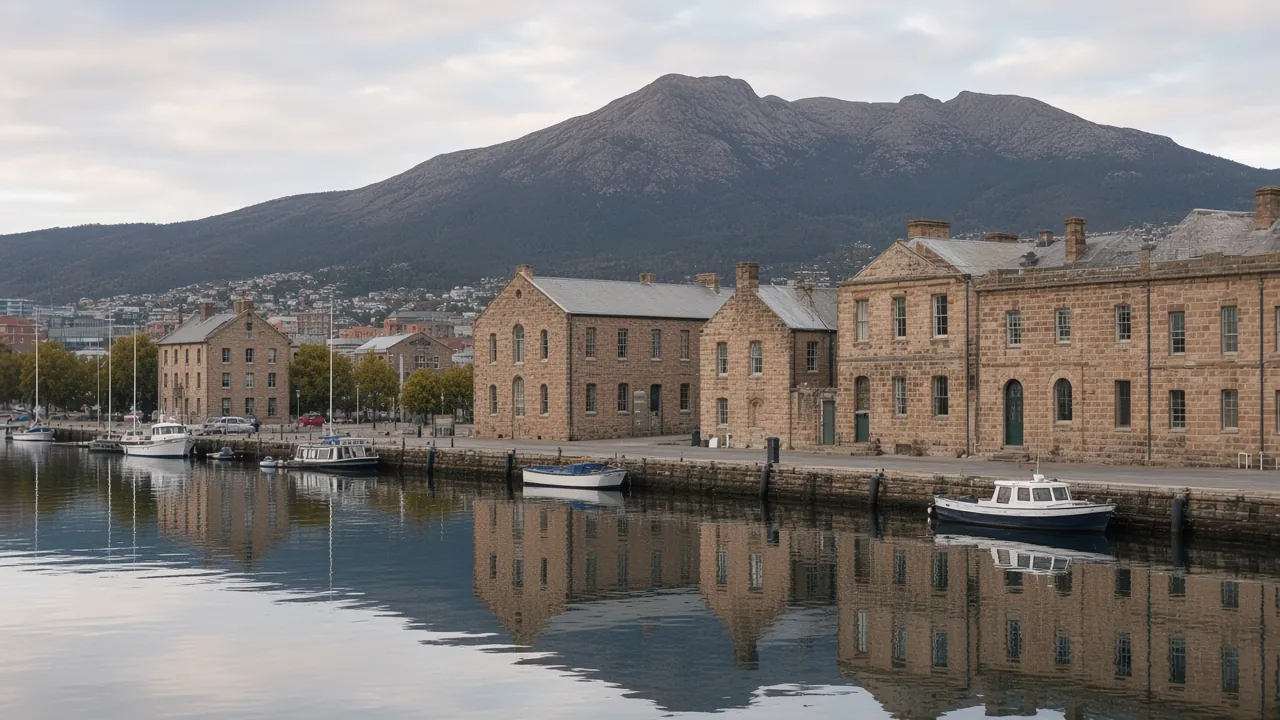
Hobart, the capital of Tasmania, sits on the Derwent estuary with the mountain kunanyi / Mount Wellington rising behind it. Founded in 1804, it is Australia's second-oldest capital, and its heart is still the sandstone warehouses and docks of Sullivans Cove, with Salamanca Place and the weatherboard streets of Battery Point just behind. Cruise ships usually berth at Macquarie Wharf, on the same cove, so you can walk to the waterfront, the market sheds and the old streets almost at once. The Museum of Old and New Art (MONA) is a ferry or a drive upriver, not a stroll from the ship.
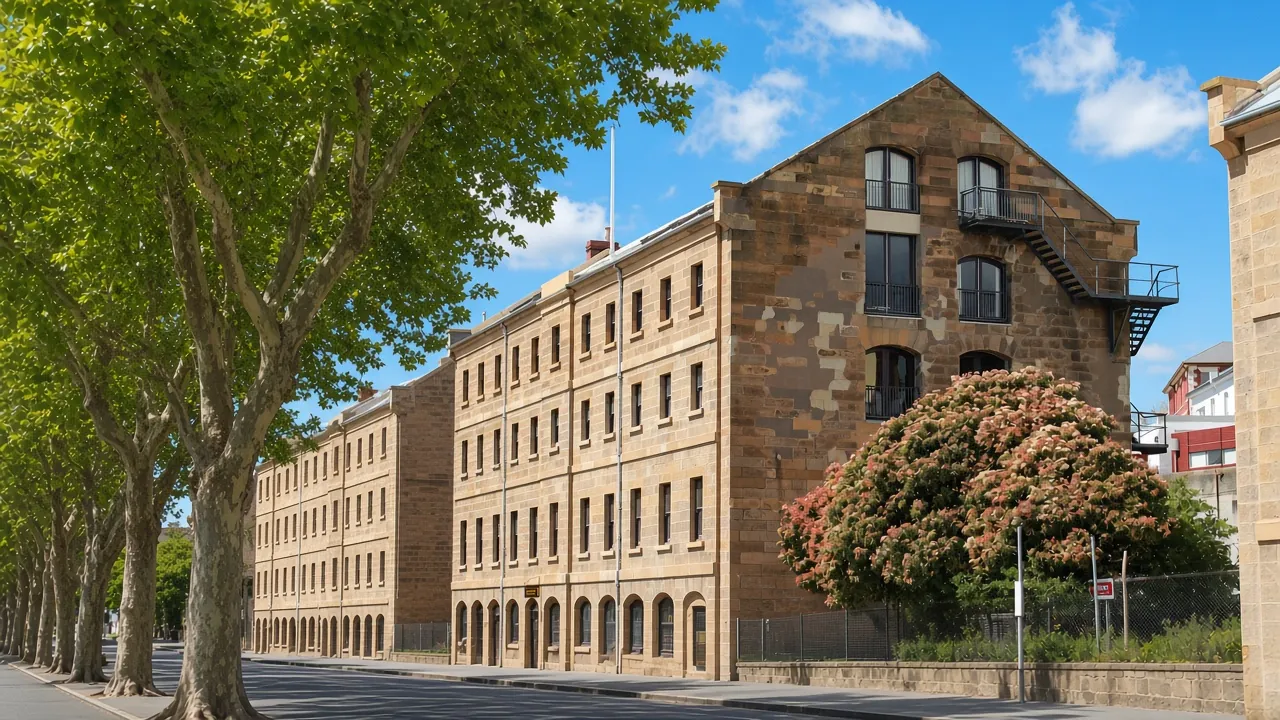
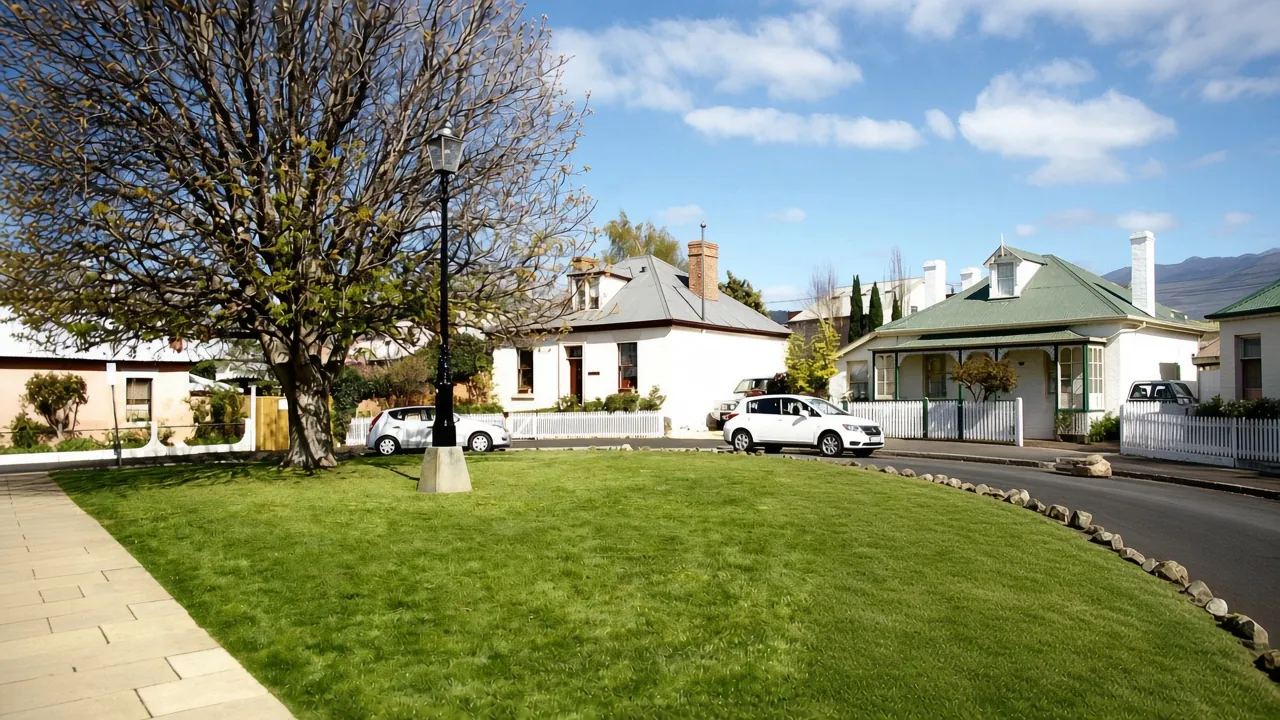
Sullivans Cove is still the city's front door: sandstone warehouses, fishing boats, Constitution Dock and a tight curve of water that has been the harbour since the early nineteenth century. Salamanca Place, a row of convict-built stone warehouses now given over to galleries, cafés and, on Saturdays, a well-known market, sits immediately behind the cove. A few minutes further, Battery Point is a hillside of weatherboard cottages, narrow lanes and a village green, one of the most intact early residential neighbourhoods in the country. You can walk all of this in a morning without crossing a major road, and you should: this is the Hobart that most rewards a first visit, at a human scale, with kunanyi / Mount Wellington often visible above the roofs.
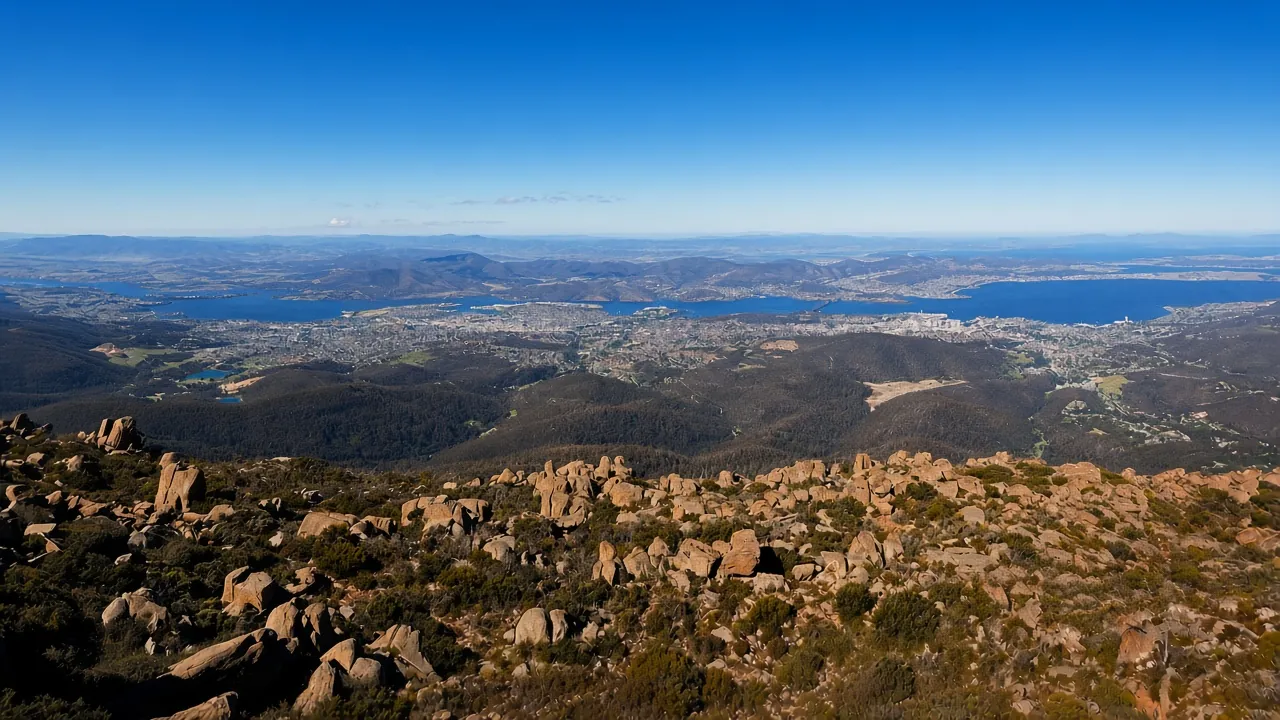
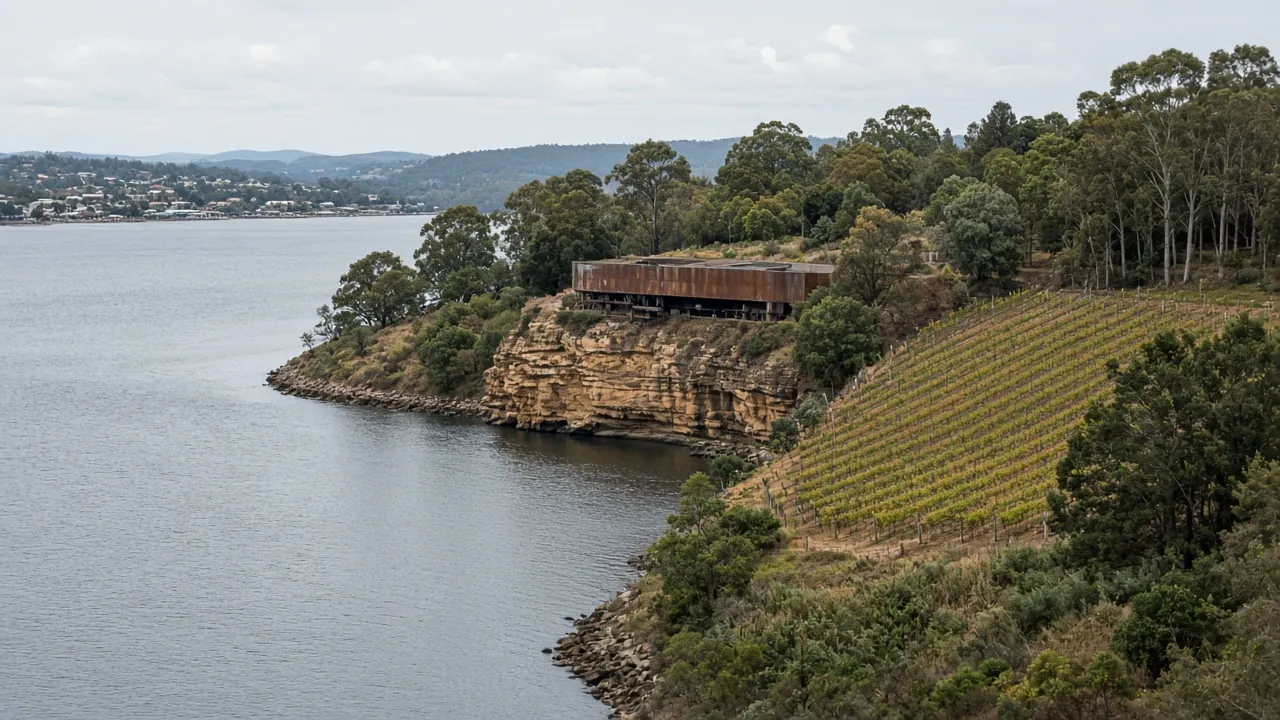
The central business streets and the Tasmanian Museum and Art Gallery lie just around the cove. If you want a longer view, a drive or a tour up the mountain gives a wide prospect of the Derwent and the city, provided the summit is clear; the weather on the mountain is colder and more changeable than at the docks. MONA, the Museum of Old and New Art, sits upriver at Berriedale, in a private museum that has become one of Australia's best-known cultural destinations. A ferry from the waterfront is the pleasant way there; it is a half-day or more, not a quick look, and it will replace rather than accompany a slow morning in Battery Point if your hours are limited.
Food in Hobart is one of the city's strengths: Tasmanian seafood, fruit, wine and a dense cluster of restaurants and bars around the waterfront and Salamanca. Lunch at the cove is easy and good. The climate is cool even in summer, and the light can be sharp and clear.
Macquarie Wharf is on the same cove, so you step off the ship into the historic harbour. Walk to Salamanca and Battery Point first. Add the museum, the mountain or MONA only if the timetable is generous, and keep the return simple: you are close, but the ferry or the mountain road will still eat the clock. A first day that stays at the water and in the old streets is not a lesser day; it is the right one. Arthur Circus, a tight ring of cottages in Battery Point, and the nearby remaining warehouses around Salamanca are worth a slower look than a single photograph on the way past. Brooke Street Pier and the adjacent sheds are useful for ferries, food and a sense of the working cove. Cascade, the historic brewery in a sandstone valley behind the city, is a further outing if you have time and interest; it is a short ride, not a step from the ship.
Port landmarks
Shore Excursions
- Hobart Shore Excursion: Mt. Field National Park & Bonorong Park – 7 h 30 min
- Shore Excursion - Cradle Mountain Shuttle Bus (from Burnie) – 8 h
- Shore Excursion - Hobart Highlights Day Tour – 6 h
- Bruny Island Private Day Tour – 9 h
- Wild Maria: Island Wilderness Adventure Private Day Tour – 9 h
- Hobart Local – Personalized, Private Half-Day Tour – 4 h
- Shore Excursion - Hobart Wanderer – 5 h
- Hobart Shore Excursion: Port Arthur Historic Site & Tassie Devil – 7 h 30 min
- Port Arthur and The Tasman – Private Full-Day Tour – 9 h
- Hobart Shore Excursion: Port Arthur Historic Site – 7 h 30 min
- Shore Excursion - Port Arthur - Tasman Peninsula (from Port Arthur) – 3 h