Hilo, United States
Ports
Home • Ports • America • United States • Hilo
About Hilo
Hilo, on the rainy windward side of Hawaii's Big Island, is a low bay town of a historic downtown, banyan trees along the shore and waterfalls in the hills behind it. Cruise ships use Hilo Harbor, a commercial landing a short ride from the bayfront and the old streets rather than a long transfer. This page is Hilo, not Kailua-Kona on the dry western side of the island, which is a different harbour about two hours away by road. Rainbow Falls, the bayfront and, if the hours allow, a drive toward Volcanoes National Park will shape the day. Leave time for the return to this harbour.
Hilo, on the rainy windward side of Hawaii's Big Island, is a low bay town of a historic downtown, banyan trees along the shore and waterfalls in the hills behind it. It is a local town more than a resort: a bayfront, a later civic centre, and a harbour that still feels like a working place. Showers are ordinary here, even when the western side of the island is dry, and the green of the hills is the first thing you notice from the water.
Cruise ships use Hilo Harbor, a commercial landing a short ride from the bayfront and the old streets rather than a long transfer. Shuttles and taxis cover the gap; it is not usually a long walk with the day's heat and showers in mind. This page is Hilo, not Kailua-Kona on the dry western side of the same island, which is a different harbour about two hours away by road.
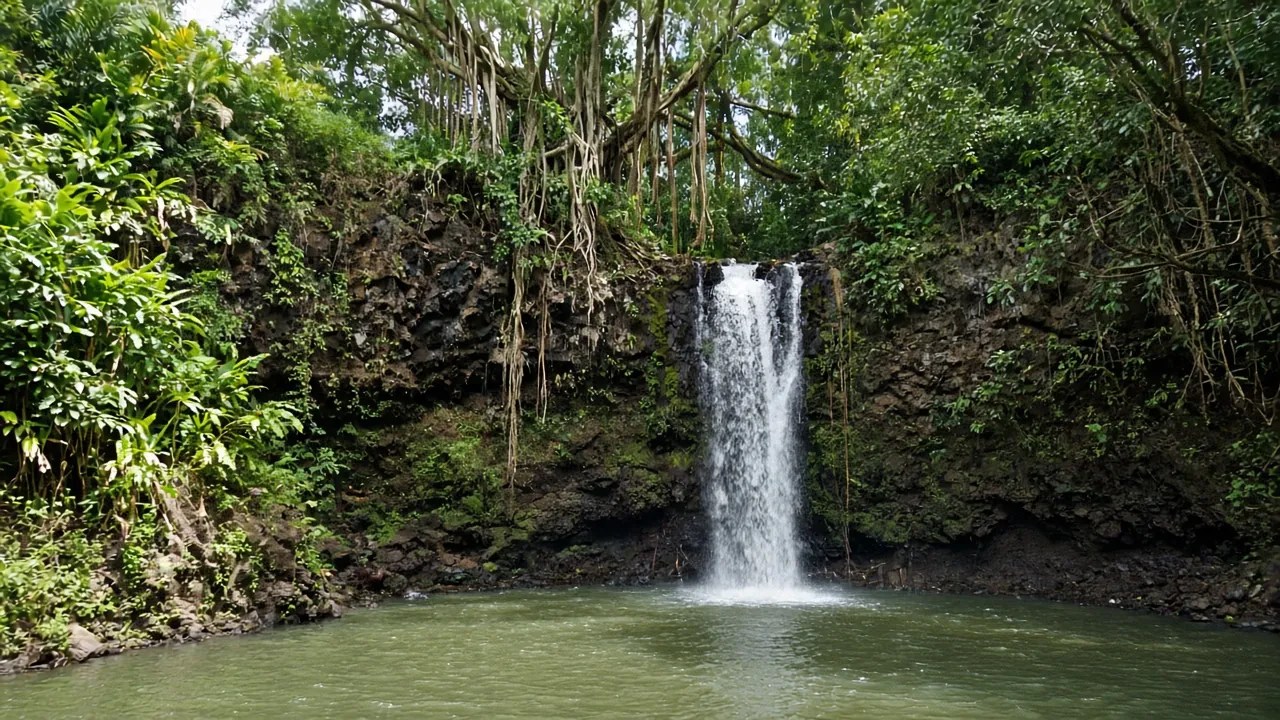
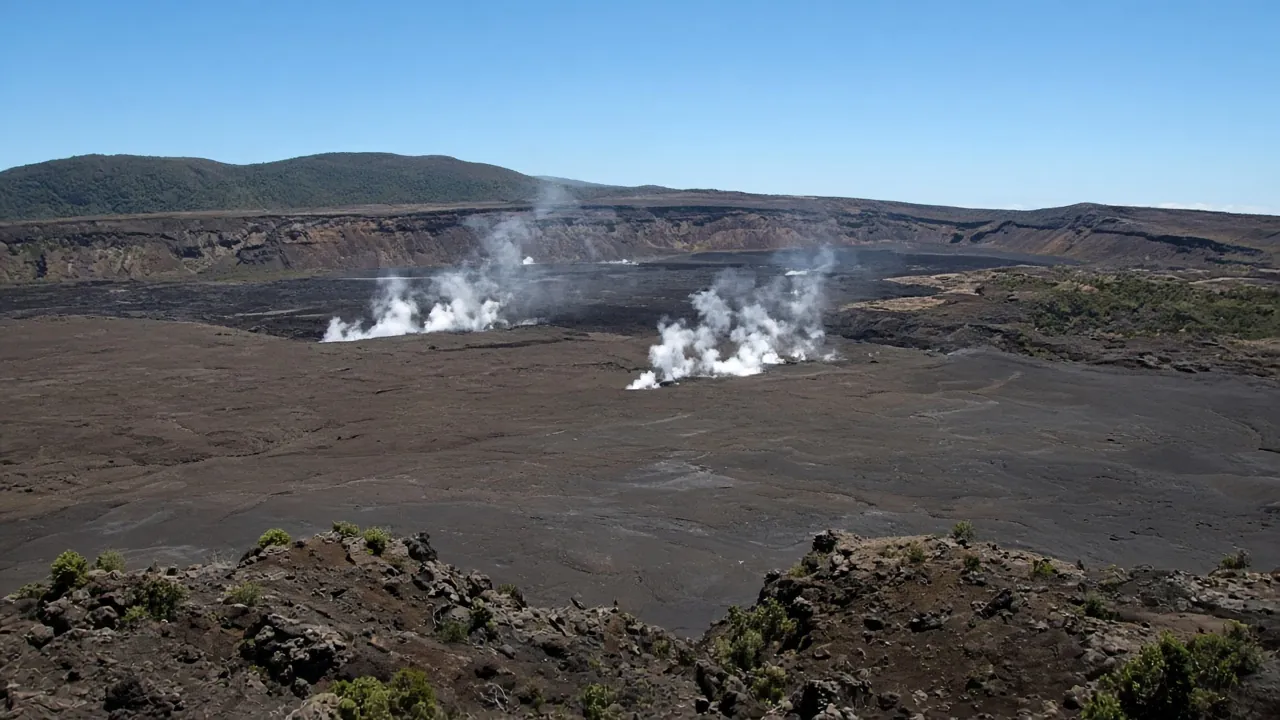
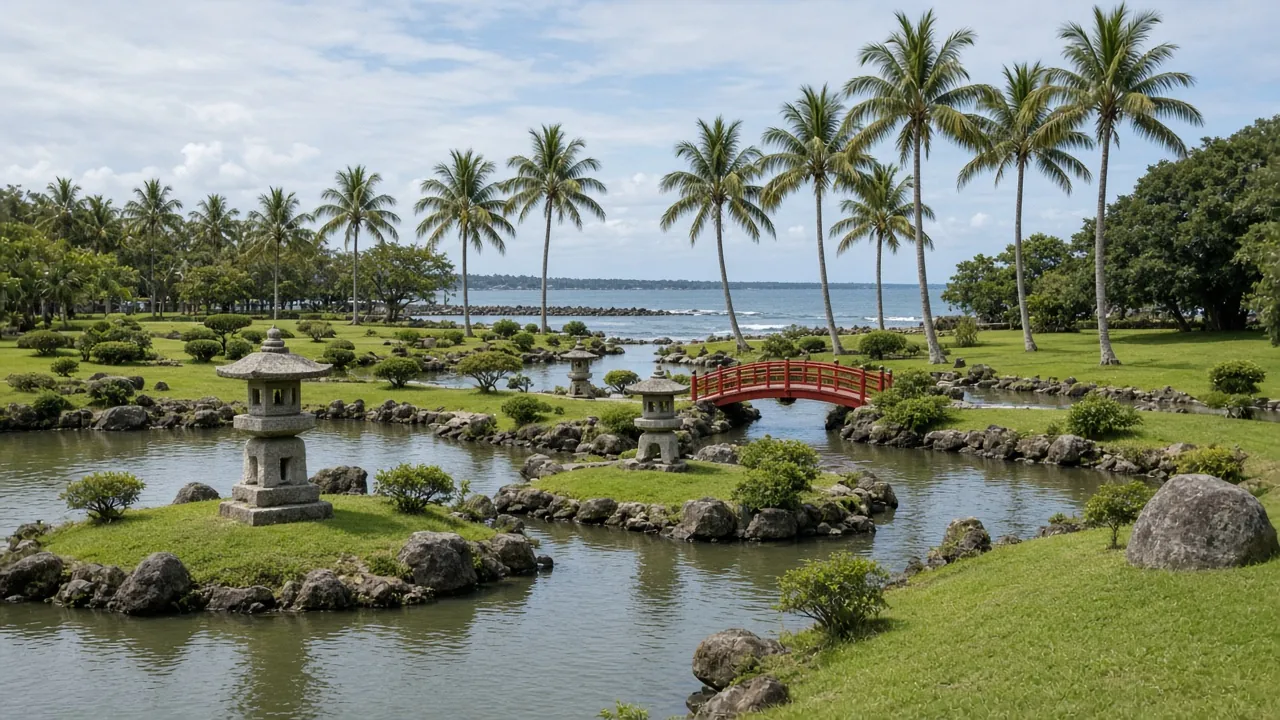
Rainbow Falls is a short ride up the Wailuku River, close enough to do at the beginning or the end of a call. Banyan Drive, Liliuokalani Gardens and the bayfront give a first sense of the town without leaving the shore. If the hours are generous, Hawaiʻi Volcanoes National Park lies about forty-five minutes to an hour up the volcano road; the park is large, the weather at the summit can differ from the bay, and one crater walk or visitor-centre hour is enough unless you have a long day. Akaka Falls, north of town, is a shorter waterfall outing than the volcano and a good alternative if time is tight.
Food in Hilo is local and unhurried — plate lunches, fish, markets — and the town is not organised around a single visitor street. A day that tries to cross the island to Kona, and to do the volcano as well, usually underestimates the road. Leave time for the return to this harbour, not to a falls car park or a park gate that is not your ship.
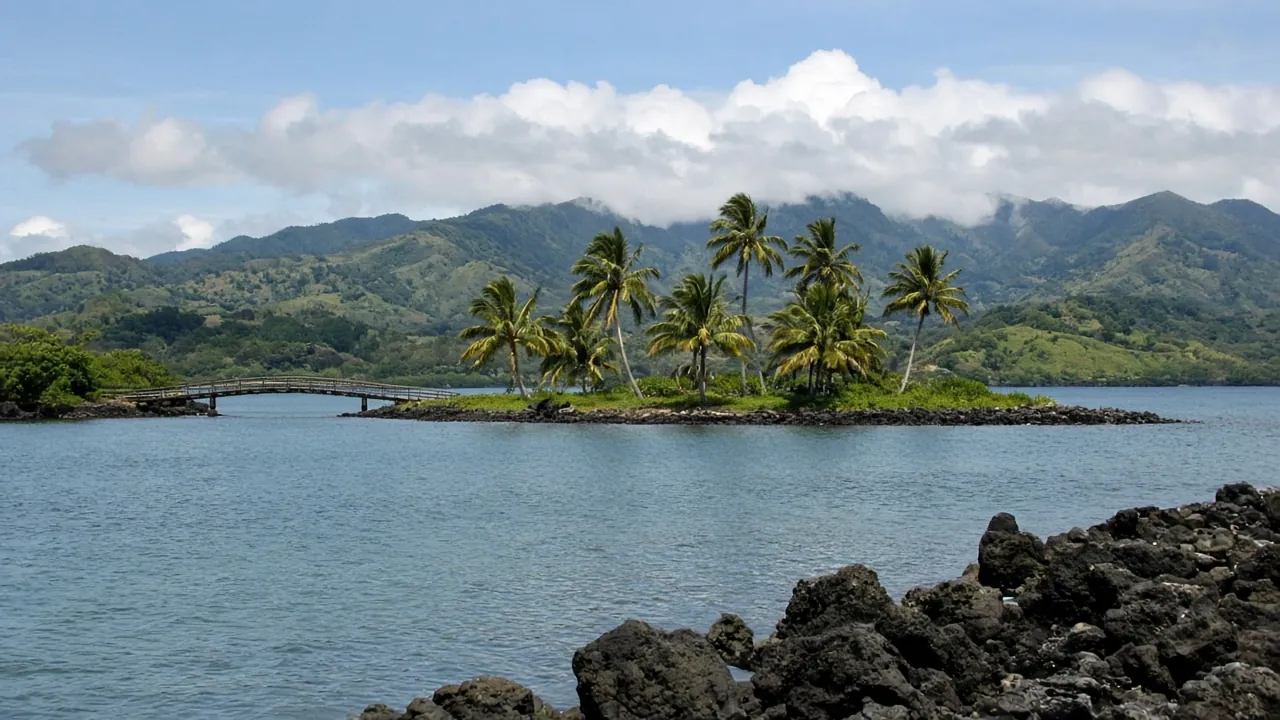
The bayfront carries the memory of two destructive tsunamis, in 1946 and 1960, and the open land along the shore is part of that later rebuilding. Coconut Island, or Mokuola, sits just off the bayfront and is a short walk when you want a quieter edge of the town. The farmers' market and the older downtown streets are the place to eat and to find the ordinary life of Hilo, which does not arrange itself around a single pier promenade. Showers can pass in minutes; a light layer is more useful here than in Kona.
Port landmarks
Shore Excursions
- Volcanoes National Park – 5 h 30 min
- Cruise Excursion - Volcanoes National Park & Rainbow Falls – 4 h 30 min
- Hawaii Volcanoes National Park Self-Guided Driving Audio Tour – Flexible · valid 24 h
- Hidden Waterfalls Tour – 3 h 30 min